












Summary
Golf District is a golf equipment and apparel retailer processing payments across two processors Finix, a legacy processor with a complex integration, and Authorize.net. Alongside cards, Golf District offers Apple Pay at checkout and needed the payment experience to handle dynamic cart changes (insurance add-ons) without disrupting the active checkout session. They also needed a single analytics and operations view across both processors for payments, refunds, and disputes.
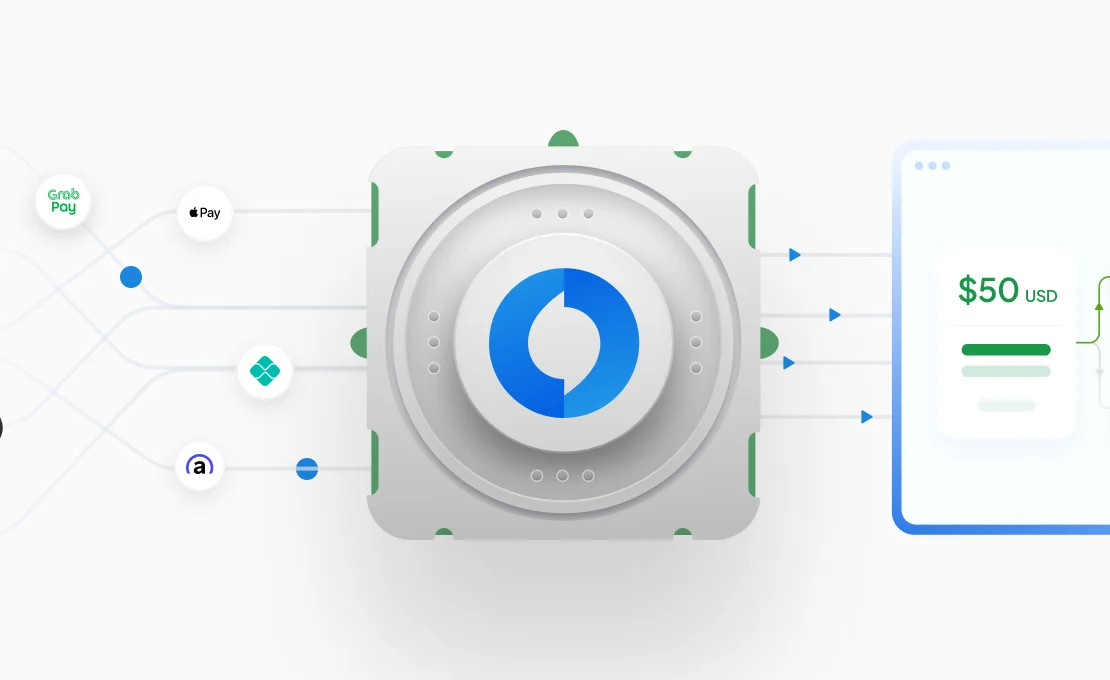
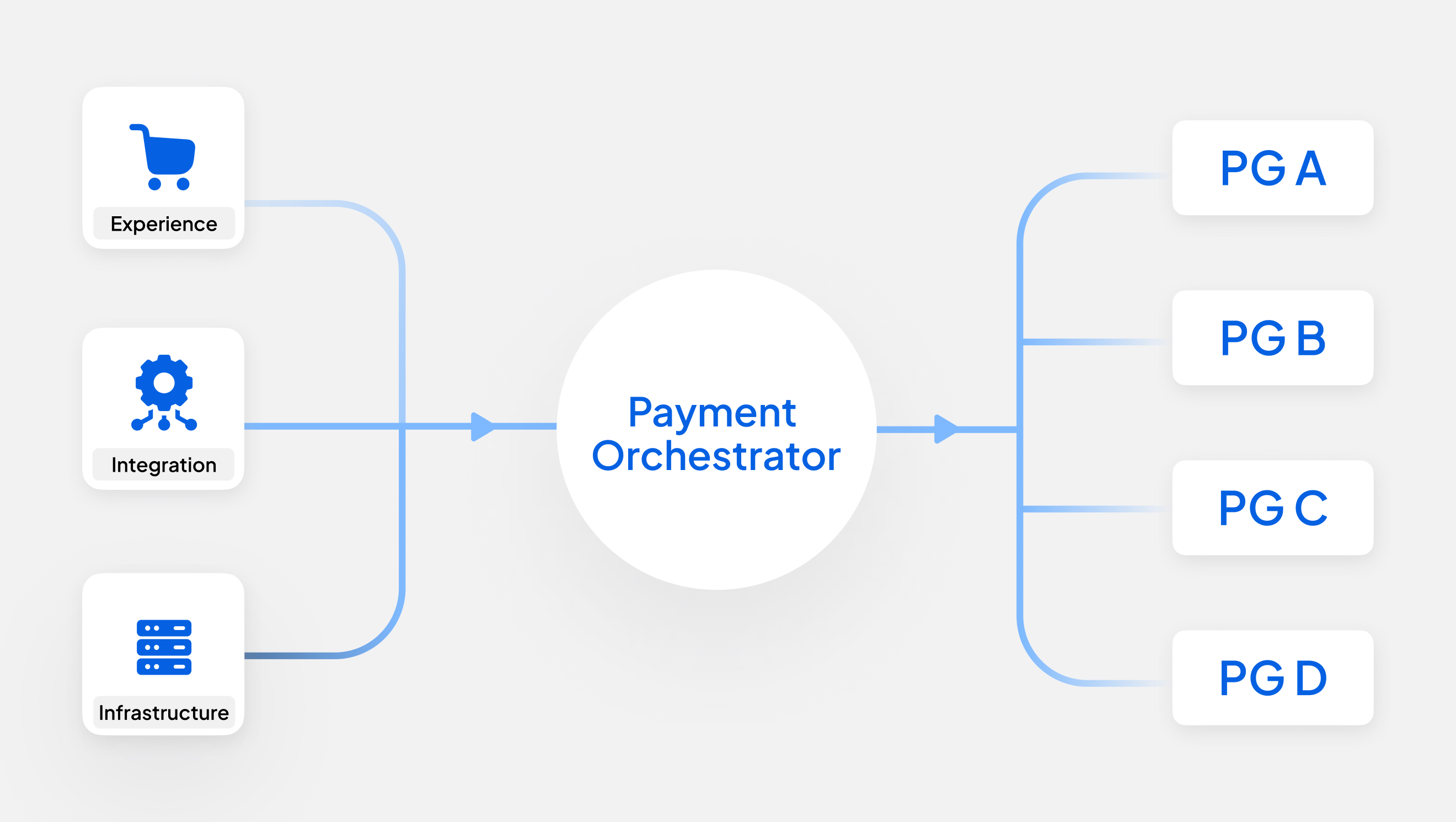
Juspay Hyperswitch unified both processors under a single API, abstracting Finix's legacy integration complexity while giving Golf District a clean, consistent interface. Hyperswitch handled Apple Pay token decryption via the connector, enabled in-place cart amount updates without SDK reloads, and provided unified analytics and operations across both processors.
| What Golf District Needed | What Hyperswitch Delivered |
| A unified integration layer over Finix and Authorize.net | Both processors onboarded as connectors under a single Hyperswitch API complexity of Finix's integration absorbed by Hyperswitch |
| Apple Pay with connector-side token decryption | Connector decryption flow with Authorize.net handling the Apple Pay token with Hyperswitch decryption available as fallback for processors that do not support it natively |
| Cart amount updates at checkout without reloading the SDK | Update Payment Intent API amount amended in place without disrupting the active checkout session |
| Unified payment visibility and operations | Analytics and Operations across payments, refunds, and disputes across both processors in one view |
Challenges & Solutions
1. Abstracting a Legacy Processor Integration Alongside Authorize.net
Golf District runs payments across two processors Authorize.net and Finix. Authorize.net is a standard, well-documented integration. Finix, by contrast, is a legacy processor with a non-standard API surface, idiosyncratic error handling, and integration overhead that required significant engineering effort to maintain. Managing both processors through separate direct integrations meant Golf District's engineering team was absorbing the complexity of Finix's legacy interface on top of their own application logic.
Solution
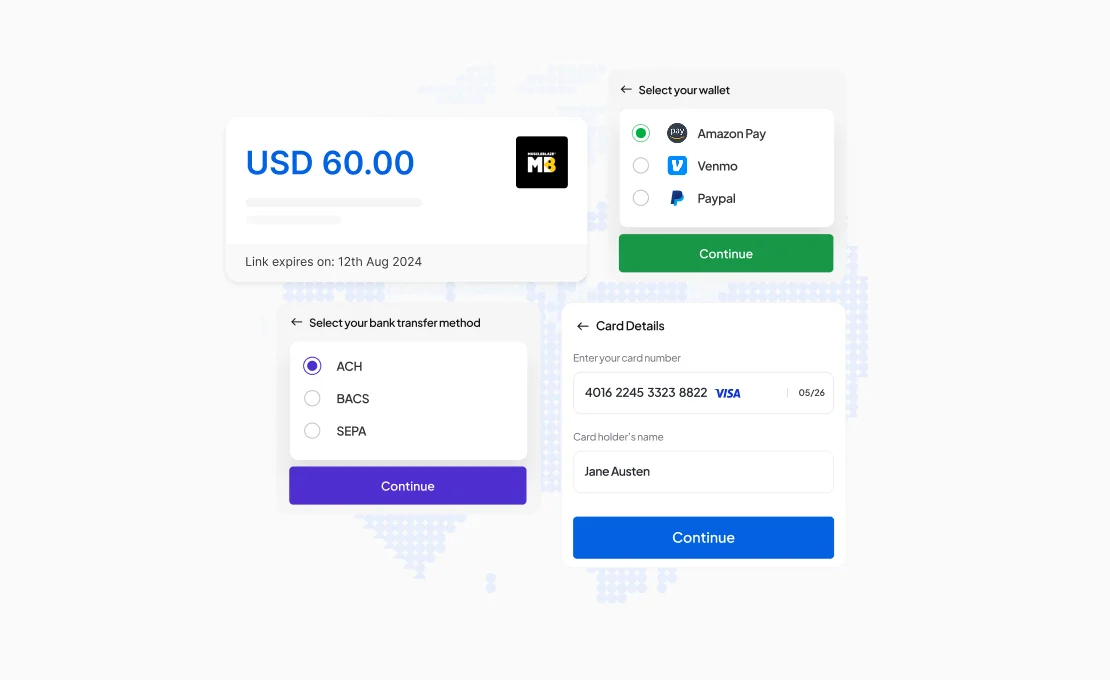
- Hyperswitch onboards both Finix and Authorize.net as connectors under a single unified API. Golf District's integration is with Hyperswitch alone — the complexity of each processor's underlying API, including Finix's legacy interface, is handled entirely within Hyperswitch's connector layer.
- Error codes, response formats, and status mappings from both processors are normalised by Hyperswitch into a consistent response structure, so Golf District's application logic never needs to account for processor-specific behaviour.
- Adding, updating, or switching processors in the future requires only a configuration change in Hyperswitch not a re-integration on Golf District's side.
Products used: Multi-PSP Orchestration
With the processor layer unified, Golf District needed to support Apple Pay but the decryption model for Apple Pay tokens required careful handling across processors.
2. Apple Pay with Connector Decryption
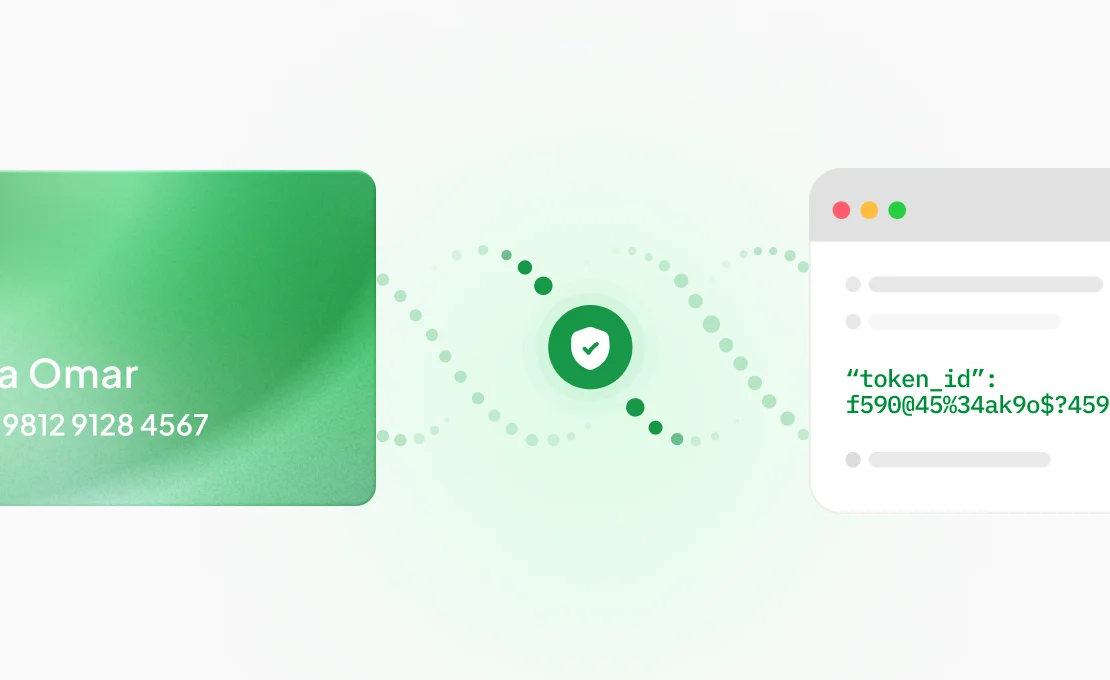
Apple Pay payments produce an encrypted payment token that must be decrypted before the underlying card data can be used to process the transaction. There are two ways to handle this decryption: the processor (connector) can handle it using their own Payment Processing certificate, or Hyperswitch can handle it centrally using its own certificate before forwarding the decrypted data to the processor. Golf District uses connector decryption, Authorize.net handles Apple Pay token decryption on their end.
Solution
- Hyperswitch supports connector decryption for processors like Authorize.net that handle Apple Pay token decryption natively. Golf District's Apple Pay payments flow through Hyperswitch to Authorize.net, where the token is decrypted and processed using Authorize.net's own Payment Processing certificate, no changes required to Golf District's integration.
- For processors that do not support native Apple Pay decryption, Hyperswitch offers its own decryption capability: Hyperswitch holds a Payment Processing certificate, decrypts the Apple Pay token centrally as a Level 1 PCI DSS compliant orchestrator, and forwards the decrypted data to the processor. This gives merchants a single, consistent Apple Pay integration regardless of which processor they route to no processor-specific decryption setup required per connector.
- This flexibility means Golf District can extend Apple Pay to additional processors in the future without needing to renegotiate decryption arrangements with each one.
Products used: Apple Pay - Connector Decryption
Beyond the payment method setup, Golf District faced a specific checkout UX challenge tied to how their cart value changes after the payment session has been initialised.
3. Dynamic Cart Updates Without SDK Reload
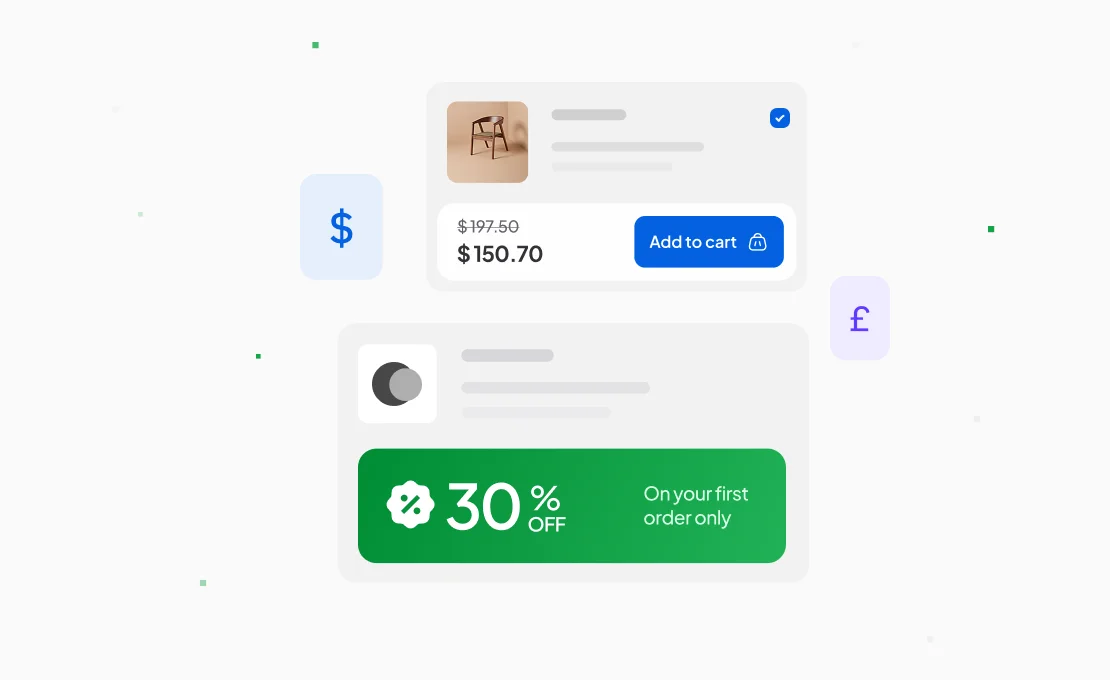
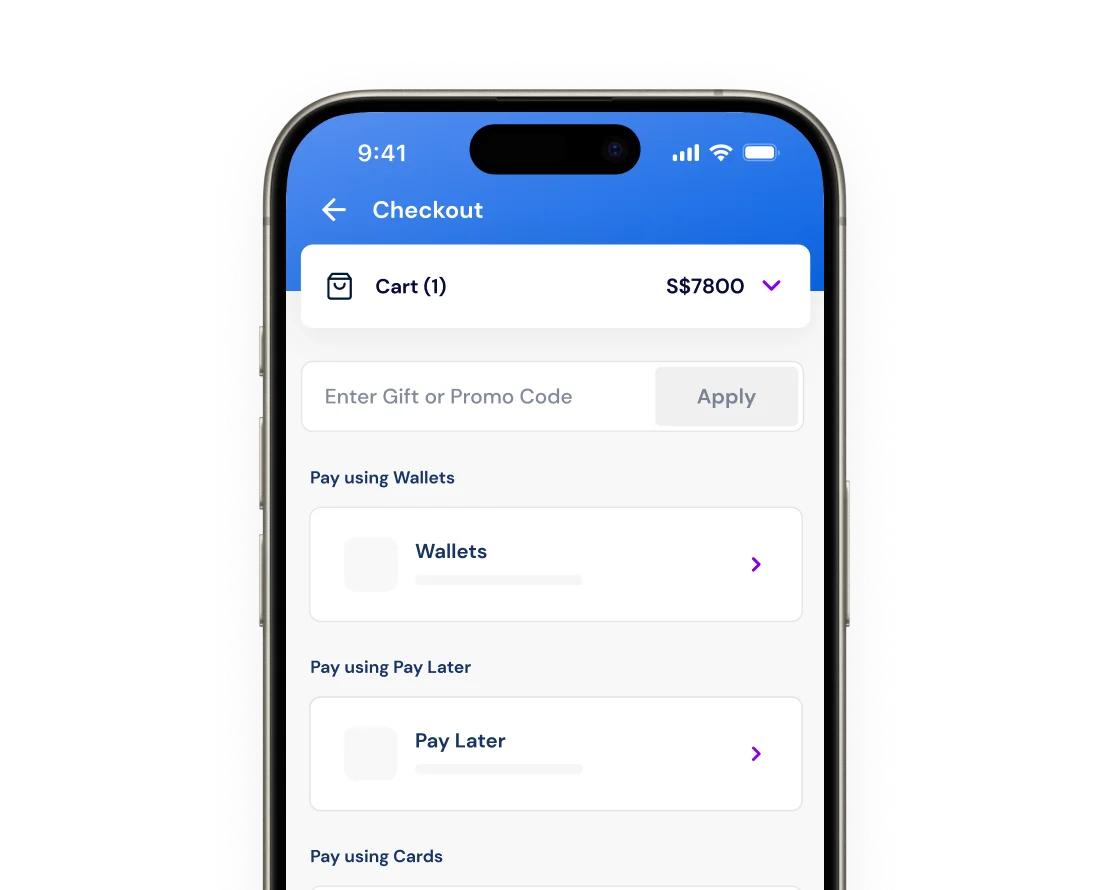
Golf District's checkout includes an optional insurance add-on. When a customer opts into insurance after the checkout page has loaded, the cart value increases. The standard approach would be to create a new payment intent to reflect the updated amount but creating a new intent causes the Hyperswitch SDK to reinitialise and reload, resetting the checkout experience for the customer. For a one-page checkout with an optional line item, this is disruptive and unnecessary.
Solution
- Hyperswitch's Update Payment Intent API allows the amount on an existing payment intent to be amended in place without creating a new intent and without triggering an SDK reload. When a customer opts into insurance, Golf District calls the update intent endpoint with the revised amount, and the SDK reflects the change seamlessly within the same checkout session.
- This keeps the customer's entered payment details, selected payment method, and checkout state intact. From the customer's perspective, the total simply updates there is no page reload, no re-entry of details, and no disruption to the flow.
- The same pattern applies to any scenario where the final cart value may change after checkout initialisation discounts applied, items removed, or other dynamic line items.
Products used: Update Payment Intent
Finally, with two active processors handling different transaction types, Golf District needed a single place to monitor and manage all payment activity.
4. Unified Payment Visibility Across Both Processors
Running two processors independently means payment activity is split across two separate dashboards and reporting surfaces. For Golf District's operations team, reconciling transactions, tracking refunds, and managing disputes across Finix and Authorize.net separately added overhead and created gaps in visibility.
Solution
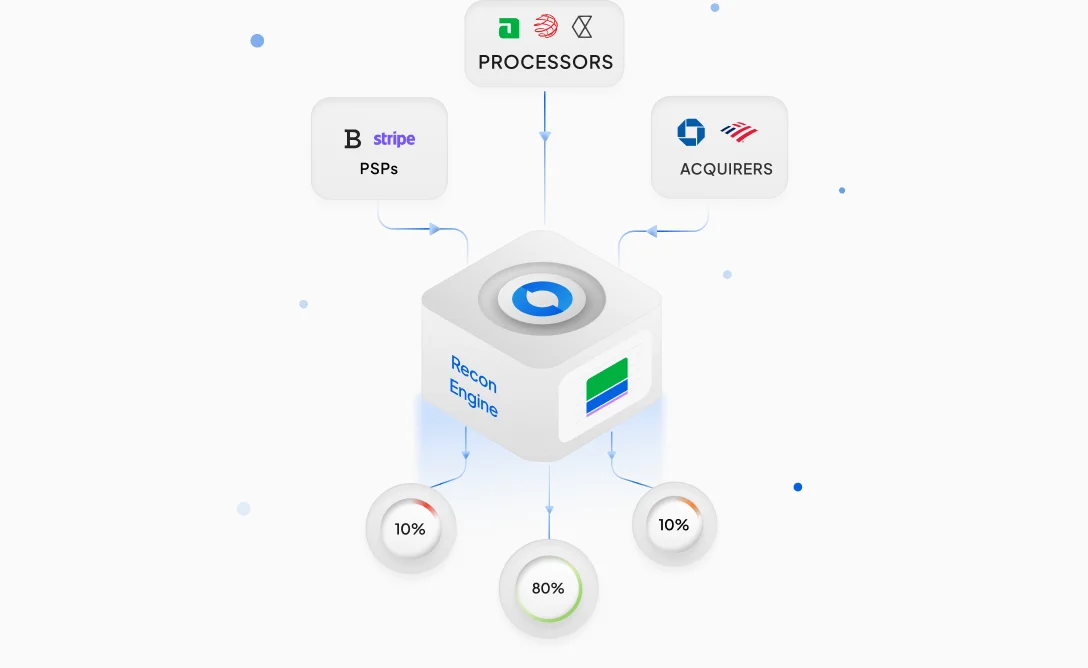
- Hyperswitch's Analytics and Operations layer gives Golf District a single view of all payment activity across both Finix and Authorize.net - transactions, refunds, disputes, and payment statuses consolidated in the Hyperswitch Control Center.
- Refunds and dispute responses can be actioned directly through Hyperswitch without logging into each processor's dashboard separately.
- Payment data across both processors is available for export, enabling Golf District to feed unified transaction data into their reporting and reconciliation workflows.
Products used: Analytics and Operations