












Summary
OnePlus, a global premium smartphone and consumer technology brand, sells across app, web, and mobile platforms in multiple regions, with demand concentrated in sharp bursts around flash sales and product launches. Its checkout needed to stay fast and reliable under that surge pattern across every platform, while managing multiple PSPs and alternative payment methods per region, personalizing offers on high-ticket items like smartphones, and reconciling payment data across channels and geographies.
Juspay deployed Hyper Checkout for a unified, brand-consistent payment page with auto-read OTP and tokenization; Payment Orchestration for intelligent, cost- and success-rate-based PSP routing; an Advanced Offers Engine for real-time-validated EMI and personalized promotions; and Unified Analytics & Reconciliation for cross-region visibility. Juspay's infrastructure supports over 20,000 transactions per second at 99.999% reliability, which is what keeps checkout stable through unscheduled traffic surges during flash sales and launches.
| What OnePlus Needed | What Juspay Delivered |
| Fast, consistent checkout across app, web, and mobile | Hyper Checkout with a unified, brand-consistent payment page |
| Reliable payment success across regional PSPs and APMs, even during flash sales and launches | Payment Orchestration with intelligent PSP routing at over 20,000 TPS and 99.999% reliability |
| Affordable financing and personalized offers on high-ticket items | Advanced Offers Engine with no-cost/low-cost EMI and real-time offer validation |
| Unified visibility into payments across regions | Unified Analytics & Reconciliation across PSPs, bank reports, and internal systems |
Products Used
- Hyper Checkout
- Offers Engine
- Payment Orchestration
- Tokenization
- Unified Analytics & Reconciliation
OnePlus sells across app, web, and mobile platforms in multiple regions, and its demand pattern is defined less by steady baseline traffic than by sharp, often unscheduled surges around product launches and flash sales — exactly the moments when checkout failure is most costly and most visible. A payment flow needs headroom for that surge pattern specifically, not just for average load.
Expansion across regions meant managing a growing set of PSPs and alternative payment methods, each with its own performance characteristics, but without dynamic routing between them, checkout reliability in any given region was tied to whichever PSP was underperforming at that moment — a risk that scales with the number of regions and PSPs added. Because OnePlus sells high-ticket items like premium smartphones, affordability at checkout mattered as much as reliability: customers needed EMI and financing options presented at the right moment, personalized to their eligibility and payment method, rather than as a generic discount layer.
On the operations side, payments running across multiple channels and regions meant reconciliation and dispute data arrived from disconnected sources — PSPs, bank reports, and internal systems — with no single view to draw operational decisions from.
Unifying Checkout with Hyper Checkout
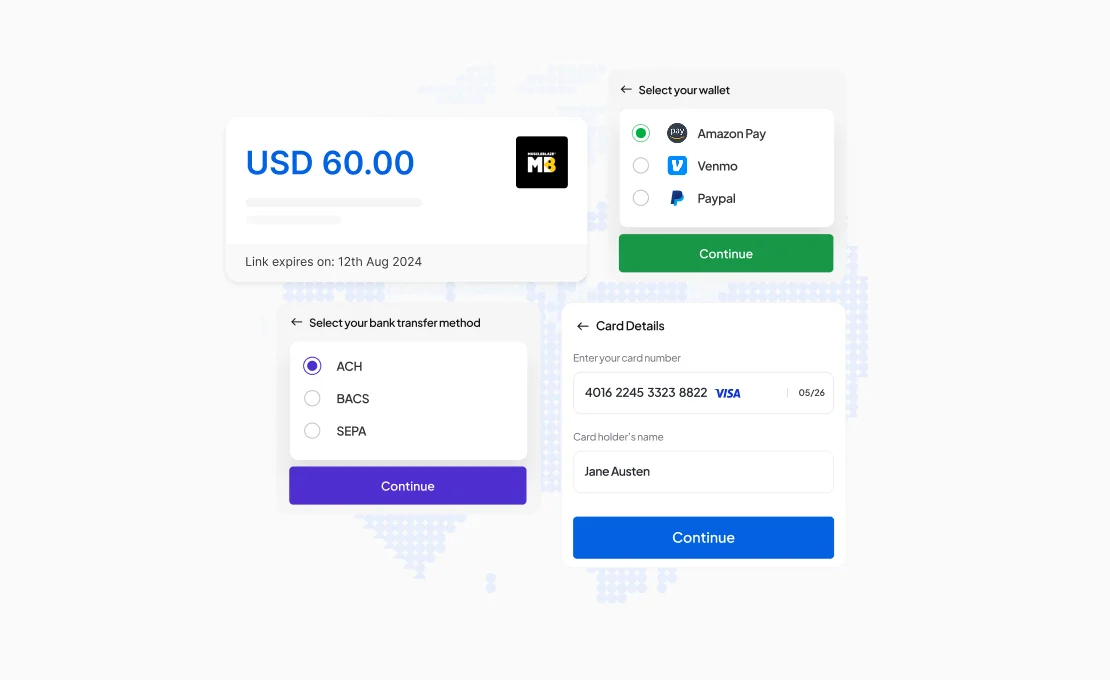
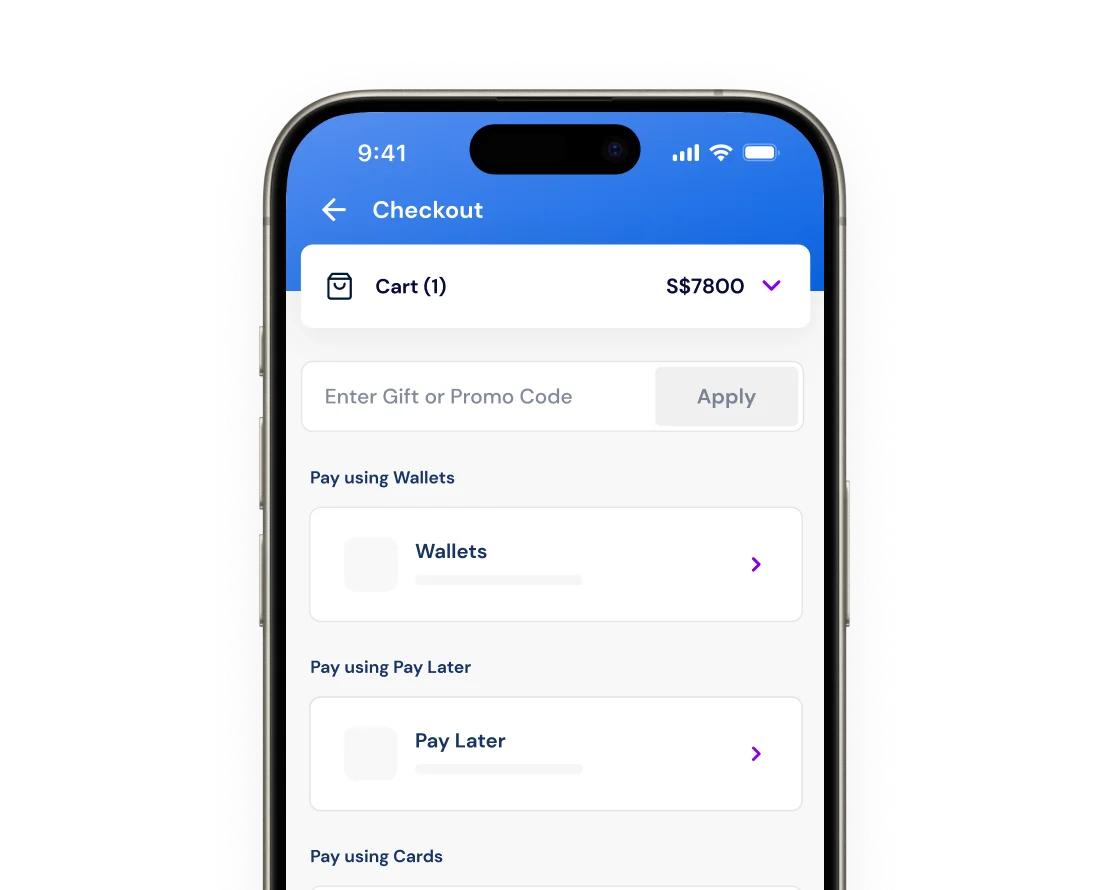
Hyper Checkout gives OnePlus a custom-branded payment page consistent across app, web, and mobile, consolidating cards, net banking, UPI, wallets, and EMI into one interface rather than separate flows per platform. A single consistent checkout across platforms is what lets OnePlus maintain the same conversion-optimized experience regardless of where a customer starts their purchase.
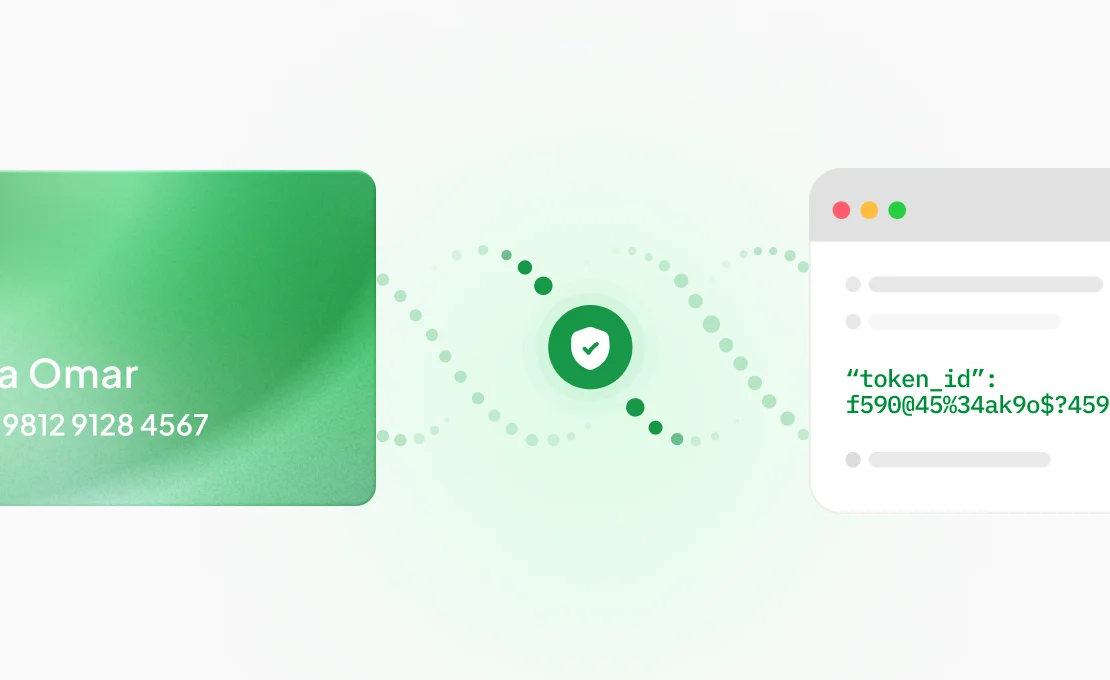
Auto-read OTP removes the manual step of retrieving and entering a one-time password for card payments, cutting a common point of delay and failure. Tokenized payment details extend that same friction reduction to repeat purchases, letting returning customers complete one-click transactions without re-entering card information.
Routing Across Regions and Scaling for Flash Sales with Payment Orchestration
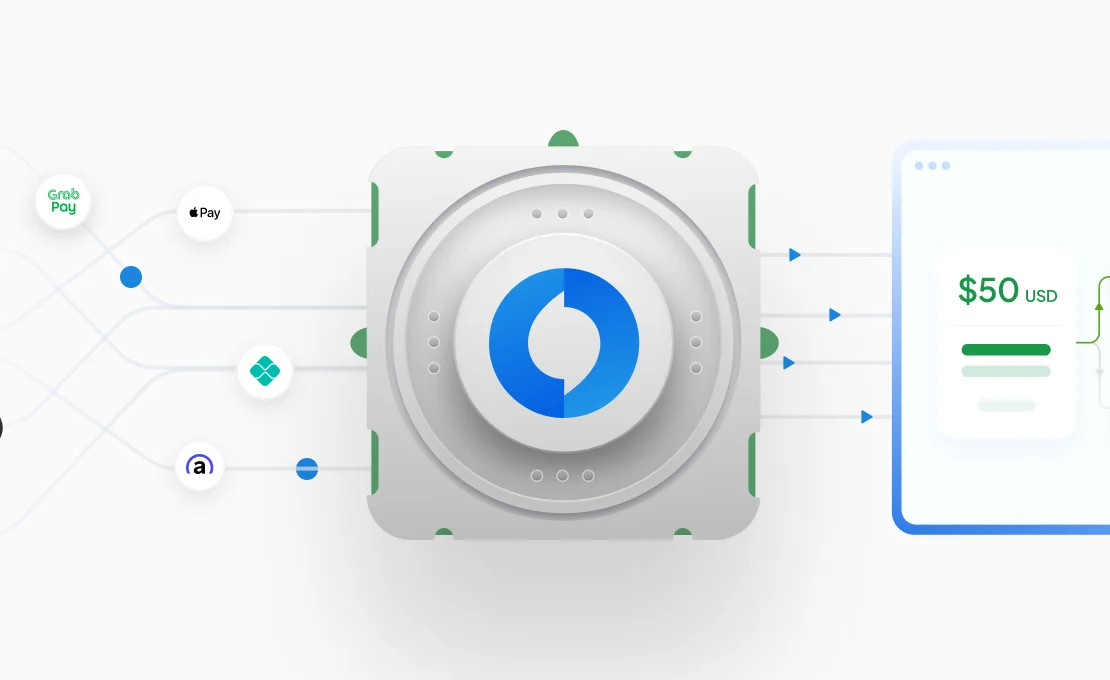
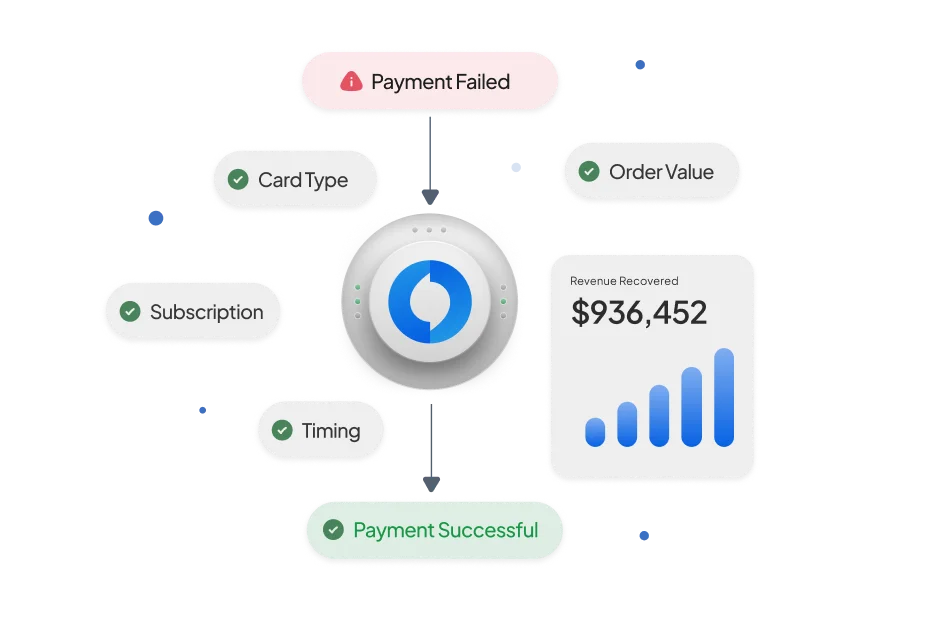
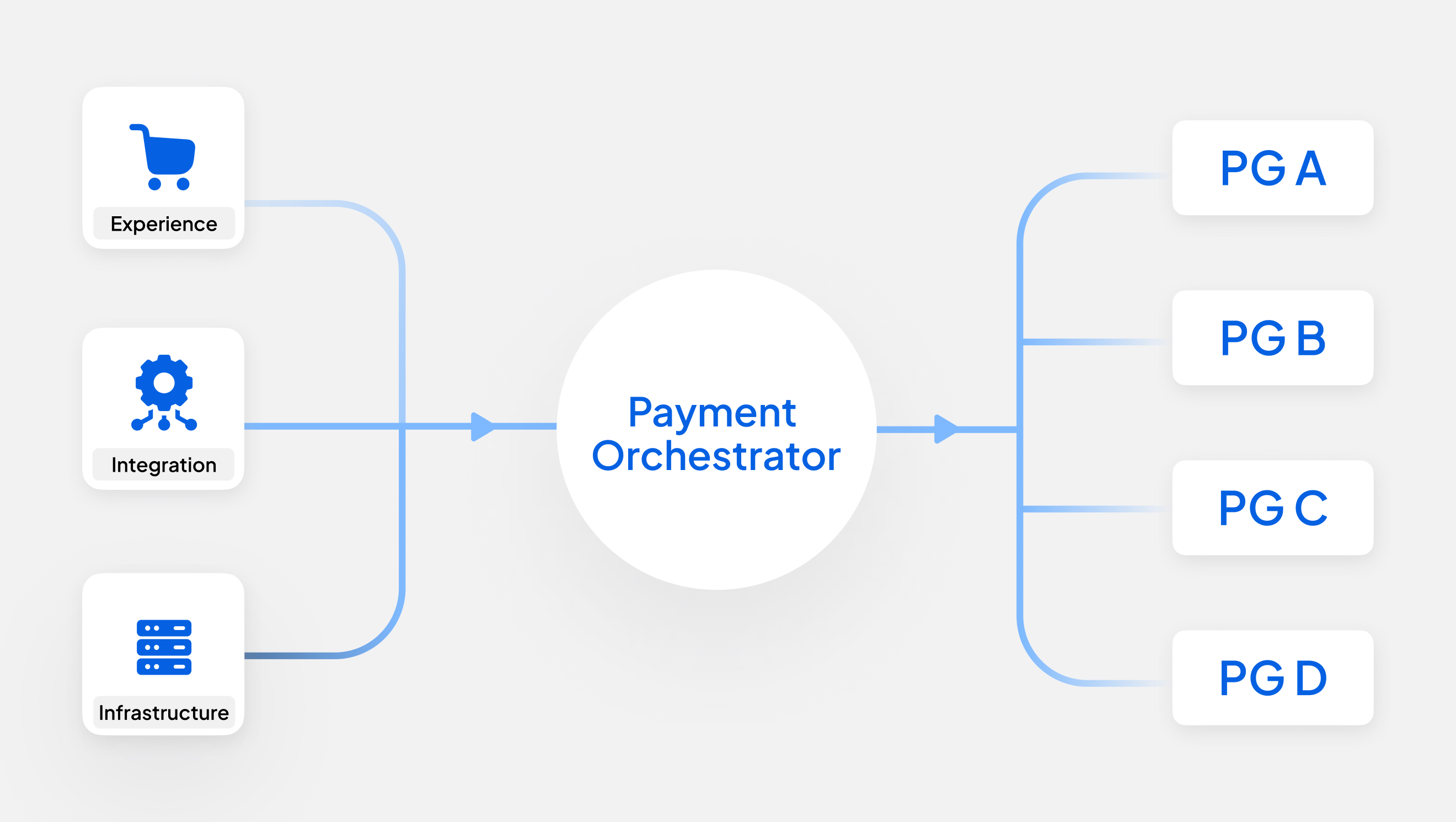
With PSPs and alternative payment methods varying by region, Payment Orchestration routes each transaction to the best-performing gateway based on real-time success rates, cost, and fallback mechanisms, rather than a fixed regional assignment. This is the mechanism that isolates checkout reliability in one region from PSP degradation in another — as a gateway's performance drops, routing shifts toward better-performing alternatives rather than continuing through a failing path.
Centralizing PSP and APM management into one stack across all platforms and geographies reduces the operational overhead of maintaining each regional integration separately, which is what let OnePlus expand into new regions without proportionally expanding its payments engineering effort.
This routing layer runs on infrastructure built for surge conditions specifically: Juspay's platform supports over 20,000 transactions per second at 99.999% reliability, with real-time monitoring and adaptive scaling absorbing unscheduled traffic spikes during flash sales and product launches rather than requiring OnePlus to pre-provision capacity for every possible surge scenario.
Personalizing Affordability with the Advanced Offers Engine
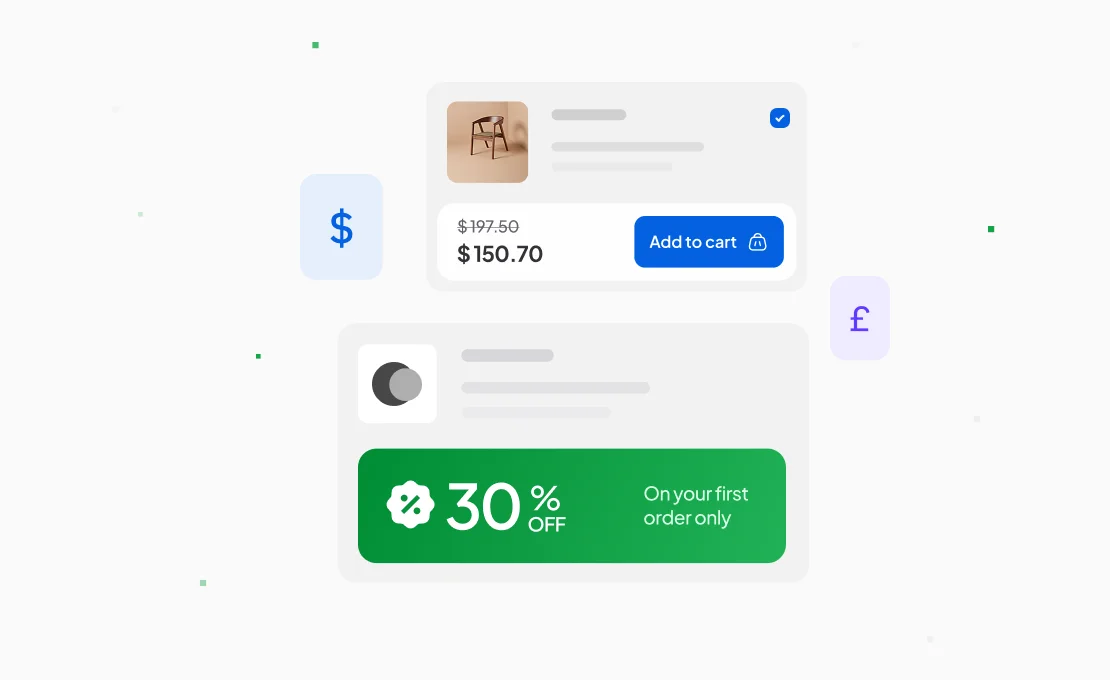
For high-ticket items like premium smartphones, affordability is often the deciding factor in whether a purchase completes, which is why no-cost and low-cost EMI options matter specifically for OnePlus's catalog rather than being a generic promotional feature. The Advanced Offers Engine surfaces these financing options alongside targeted offers matched to a customer's behavior, payment method, and eligibility, rather than showing the same promotions to every customer.
Automated offer application removes the need for customers to manually enter codes at checkout, and real-time validation with velocity checks ensures offers apply correctly while preventing overspending or promotional abuse — both of which matter more at OnePlus's transaction volume than they would for a lower-traffic merchant.
Consolidating Visibility with Unified Analytics & Reconciliation
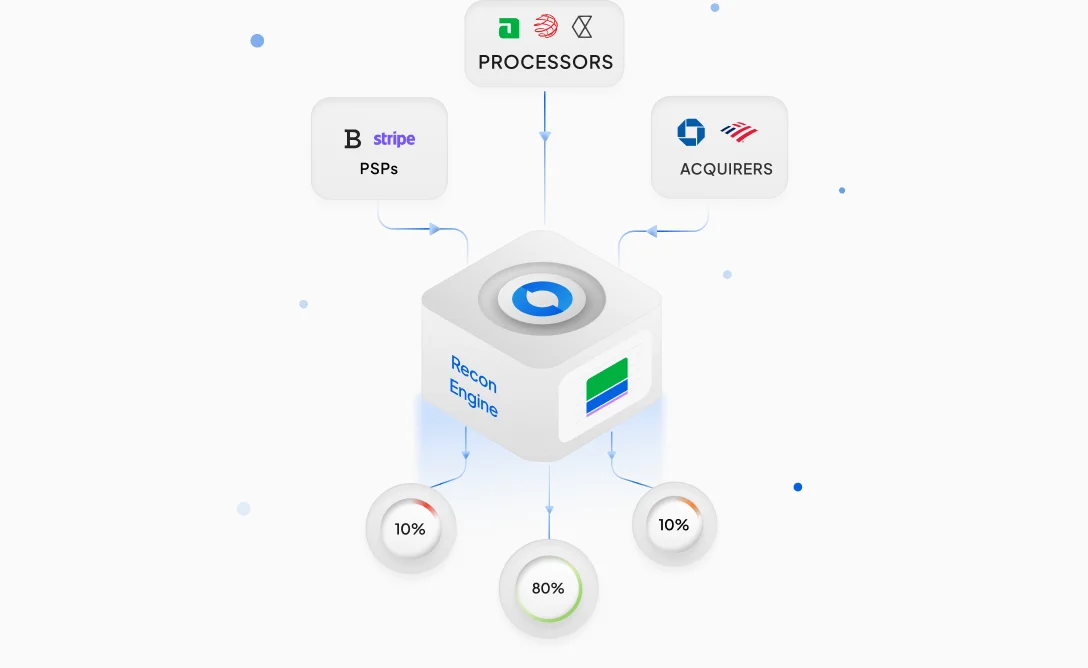
Payments running across multiple channels and regions produce settlement and dispute data from disconnected sources by default. Unified Analytics & Reconciliation consolidates acceptance rates, processing costs, and granular payment insights across methods and regions into a single view, replacing the need to assemble that picture from each region's reporting separately.
A consolidated view of refunds, chargebacks, and disputes — with real-time alerts — shortens the time between an issue surfacing and a corrective action being taken. Automated multi-source reconciliation across PSPs, bank reports, and OnePlus's internal systems removes the manual matching work that would otherwise scale with the number of regions and PSPs in OnePlus's payment stack.
Outcomes
- Seamless checkout experience across app, web, and mobile through a unified, brand-consistent payment page
- Higher conversion rates from optimized PSP routing and reduced friction during flash sales and product launches
- Reduced cart abandonment from tokenization and auto-OTP removing steps from the payment flow
- Scalable infrastructure handling over 20,000 TPS at 99.999% reliability during high-traffic sales events
Looking Ahead
As OnePlus extends its payment infrastructure to new regions, Payment Orchestration's routing logic and Hyper Checkout's unified interface extend with it, adding local payment methods without requiring a separate checkout build per market. The Advanced Offers Engine continues to personalize affordability options as OnePlus enters new customer segments, and Unified Analytics & Reconciliation scales to cover additional regions and PSPs without adding proportional manual reconciliation work.