












Summary
Star Health Insurance, India's first standalone health insurance company, collects premiums across health, personal accident, and overseas travel policies, sourced through both online and offline acquisition channels. High-ticket premiums are difficult to pay in one go for many customers, recurring renewal payments lacked reliable auto-debit support, and payment infrastructure spanned multiple PSPs without unified routing, reconciliation, or compliance handling for mandate-based collection.
Juspay deployed Hyper Checkout for unified, tokenized payment pages; HyperCredit for eligibility-matched premium financing; Payment Orchestration for intelligent PSP routing; Mandates (e-NACH, debit + e-NACH, and UPI Autopay) for recurring premium collection; and Unified Analytics & Reconciliation for cross-channel visibility. Juspay also enabled One-Time Mandates (OTM) to keep premium collection compliant with regulatory requirements around blocking funds before policy issuance. Together, these reduced transaction failures, cut renewal drop-offs, and shortened policy issuance time.
| What Star Health Needed | What Juspay Delivered |
| Fewer transaction failures during policy purchase and renewal | Hyper Checkout with tokenization, auto-read OTP, and unified payment methods |
| Affordable premium payment for high-ticket policies | HyperCredit's eligibility-matched, multi-lender premium financing |
| Reliable PSP performance across geographies | Payment Orchestration with real-time, success-rate-based PSP routing |
| Fewer renewal lapses from missed recurring payments | Mandates (e-NACH, debit + e-NACH, UPI Autopay) for automated recurring collection |
| Compliant premium blocking ahead of policy issuance | One-Time Mandates (OTM) for regulation-aligned fund blocking |
| Unified visibility across online and offline channels | Unified Analytics & Reconciliation and the Smart Convert dashboard |
Products Used
- Hyper Checkout
- HyperCredit
- Payment Orchestration
- Mandates
- Unified Analytics & Reconciliation
- Smart Convert Dashboard
Insurance premium collection carries constraints that most e-commerce checkouts don't: premiums are often high-ticket relative to a customer's available funds, renewals recur on a fixed schedule regardless of whether a customer proactively returns to pay, and regulation dictates when and how funds can be blocked or debited ahead of a policy taking effect. Star Health's payment infrastructure had to hold across all of this, across both online self-service purchases and offline, agent-assisted channels.
Long, complicated payment journeys were driving high transaction failure rates at the point of purchase, which translated directly into brand switching. Separately, a majority of customers lacked the funds to pay premiums in a single transaction, and the loan products available to bridge that gap were fragmented across lenders with limited digitization, so accessing financing meant navigating multiple disconnected application processes.
Recurring premiums compounded the problem further: insufficient support for UPI mandates and card auto-debit meant renewal payments depended on manually reaching customers each cycle, and that manual outreach itself introduced friction that led to missed payments and policy lapses. Underneath all of this, Star Health's PSP integrations spanned multiple providers and geographies with no dynamic routing, and reconciling transaction data across online and offline acquisition channels required assembling a picture from disconnected sources.

"Juspay's payment orchestration solution has helped to simplify our online checkout experience, offering seamless acceptance of various payment methods. Their premium financing suite has helped to streamline the EMI flows, resulting in increased conversion and top line growth."
Consolidating Purchase Flow with Hyper Checkout
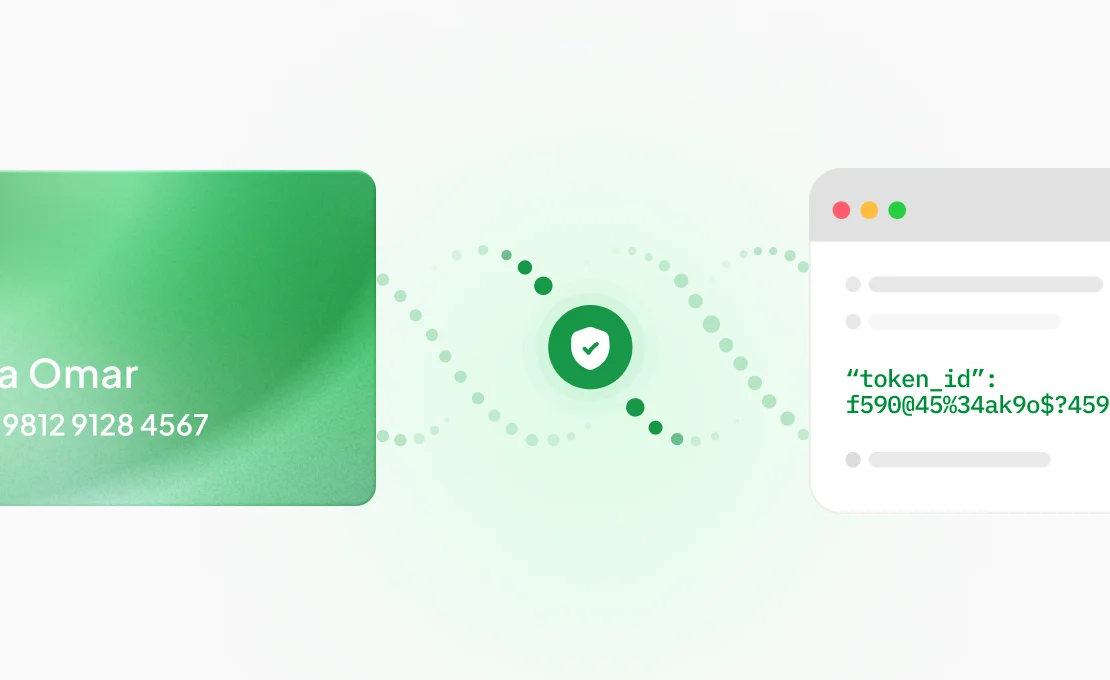
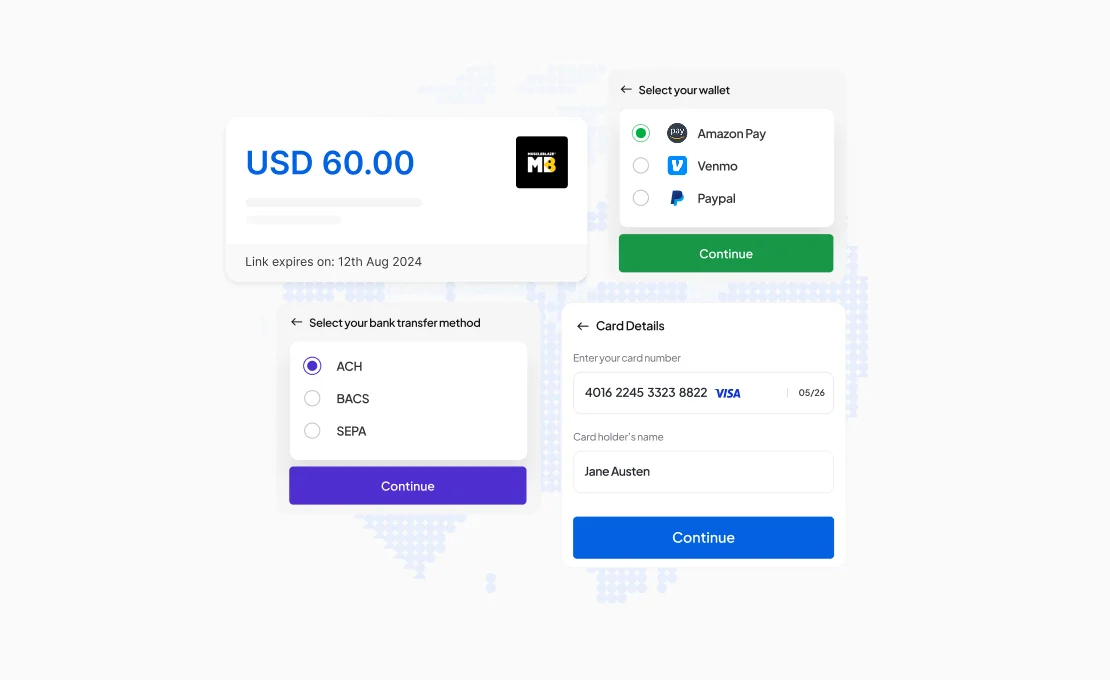
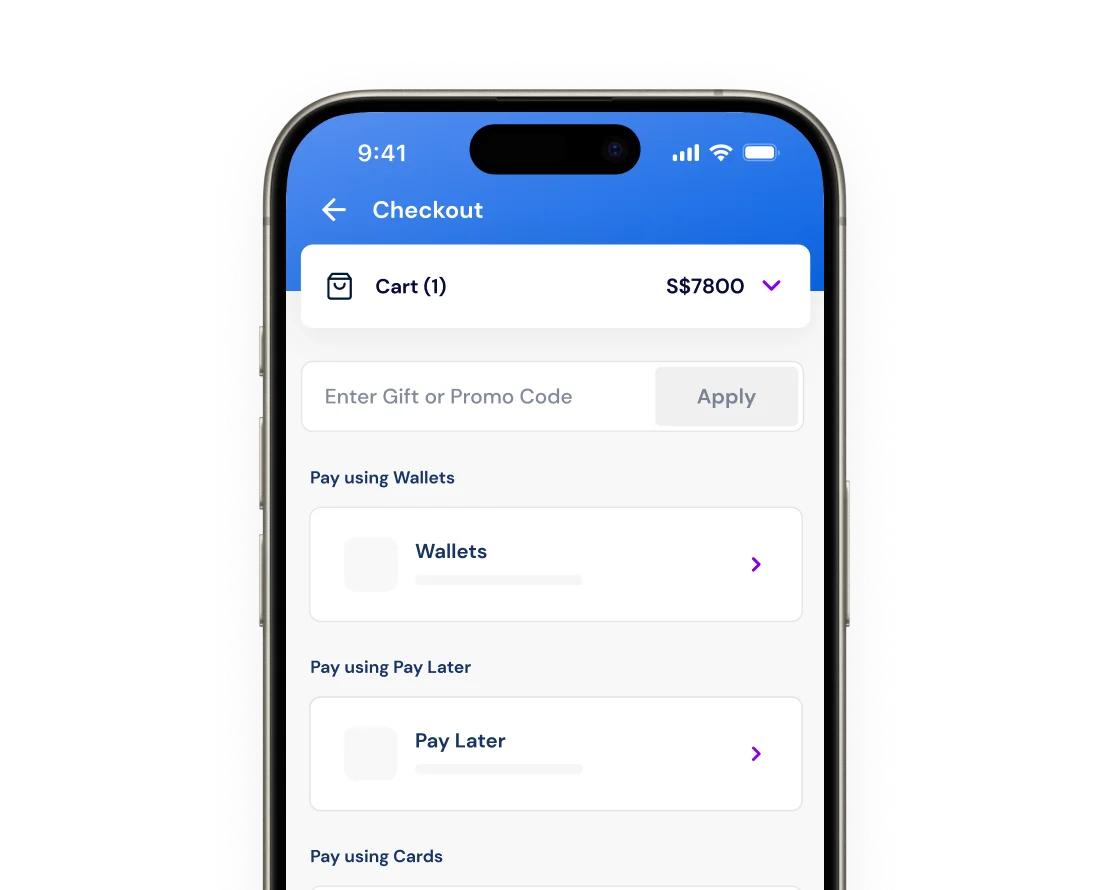
Hyper Checkout replaced Star Health's long transaction journey with a single custom-branded payments page spanning cards, UPI, wallets, net banking, and EMIs. Consolidating payment methods into one page is what shortens the journey that was previously driving failure rates and brand-switching at the point of purchase.
Auto-read OTP removes a manual entry step from card payments specifically, cutting a common point of delay and abandonment. Tokenized card payments let returning customers complete purchases in a single tap, which matters for policy renewal in particular, since renewal is a repeat transaction where friction has a direct, recurring cost.
Making Premiums Affordable with HyperCredit
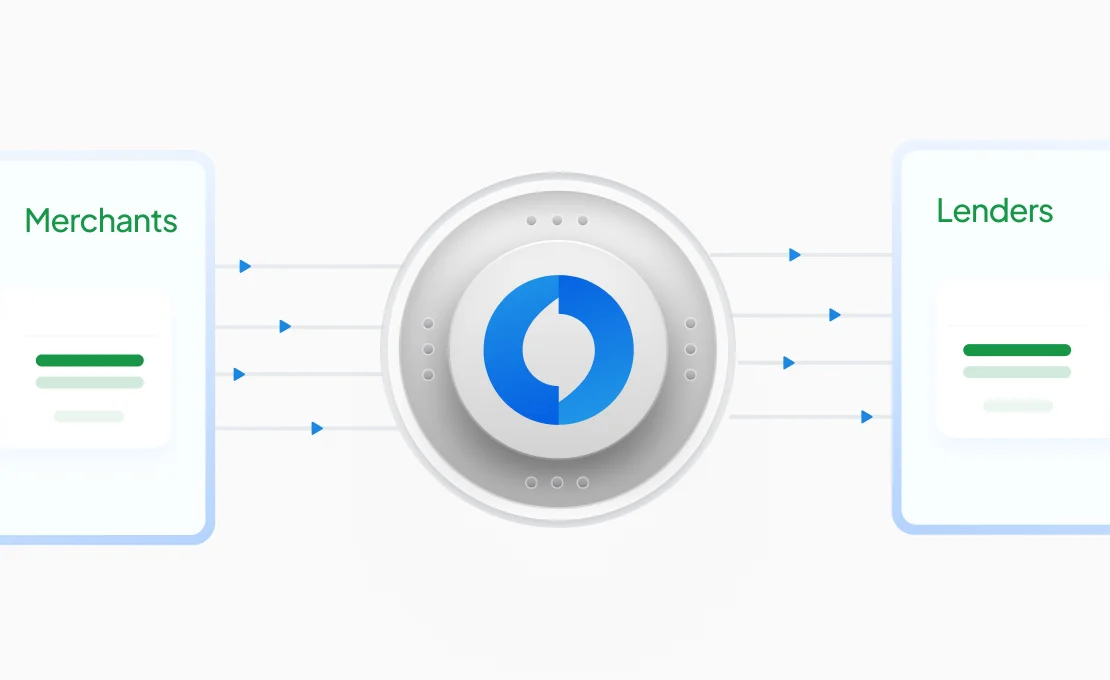
Premium financing fails when loan access is fragmented across lenders with no shared eligibility logic — a customer who can't pay in full has to independently discover and apply to multiple lenders with no guidance on which they're likely to qualify for. HyperCredit addresses this by giving policyholders instant access to loans from multiple lenders through one interface, with auto-filled application forms removing redundant data entry.
Profile matching evaluates eligibility before submission and routes policyholders to lenders they're likely to qualify with, which is what shortens approval time relative to a trial-and-error application process. By converting high-ticket premiums into manageable installments, this directly expands the pool of customers who can complete a purchase rather than abandoning it over affordability.
Routing Across PSPs with Payment Orchestration
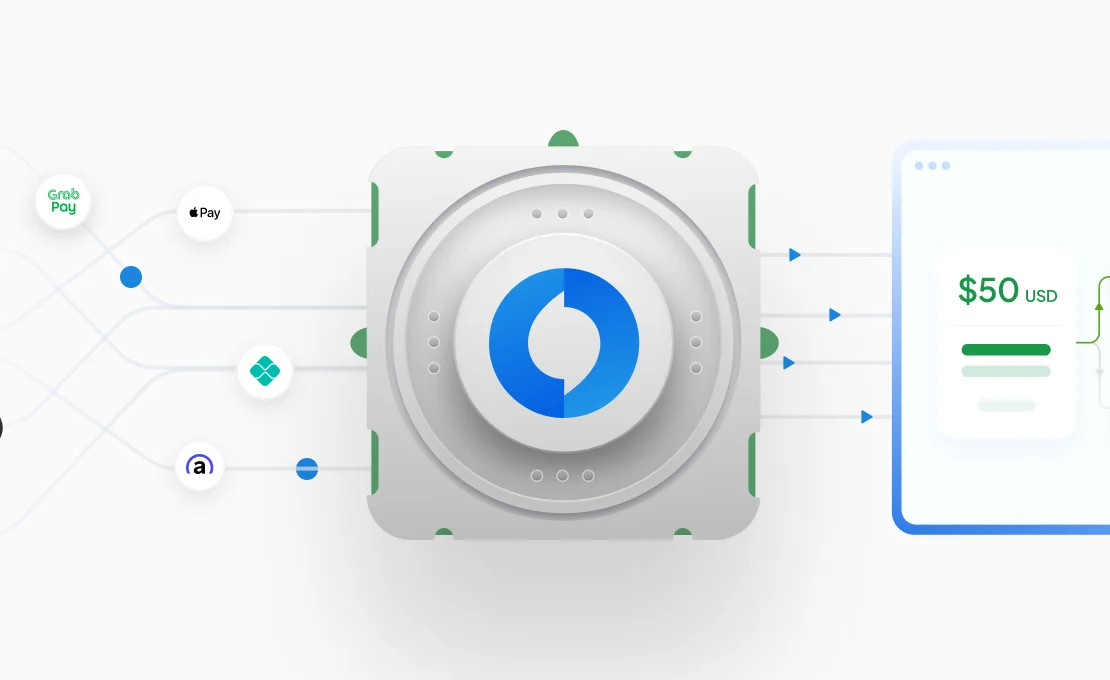
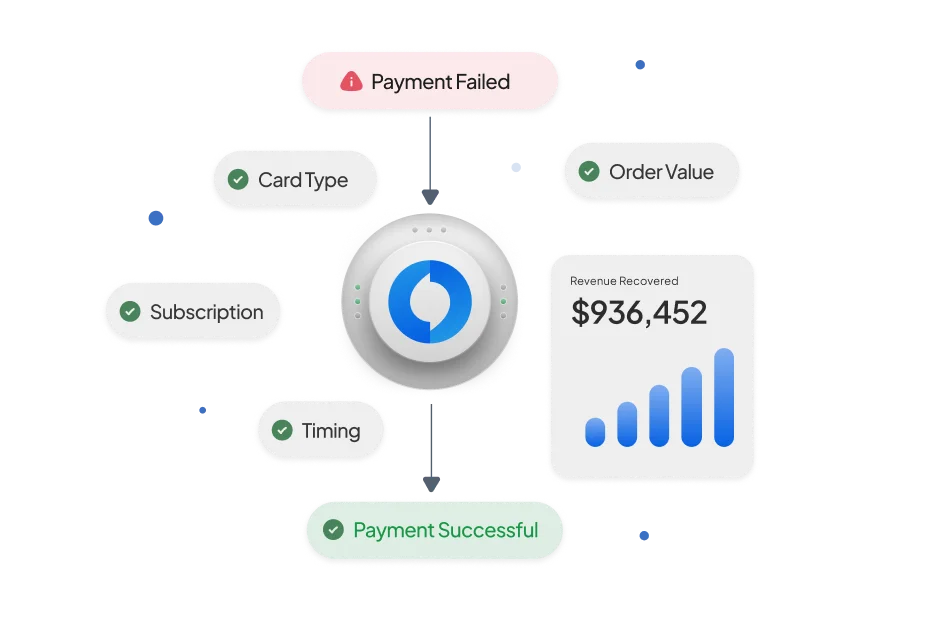
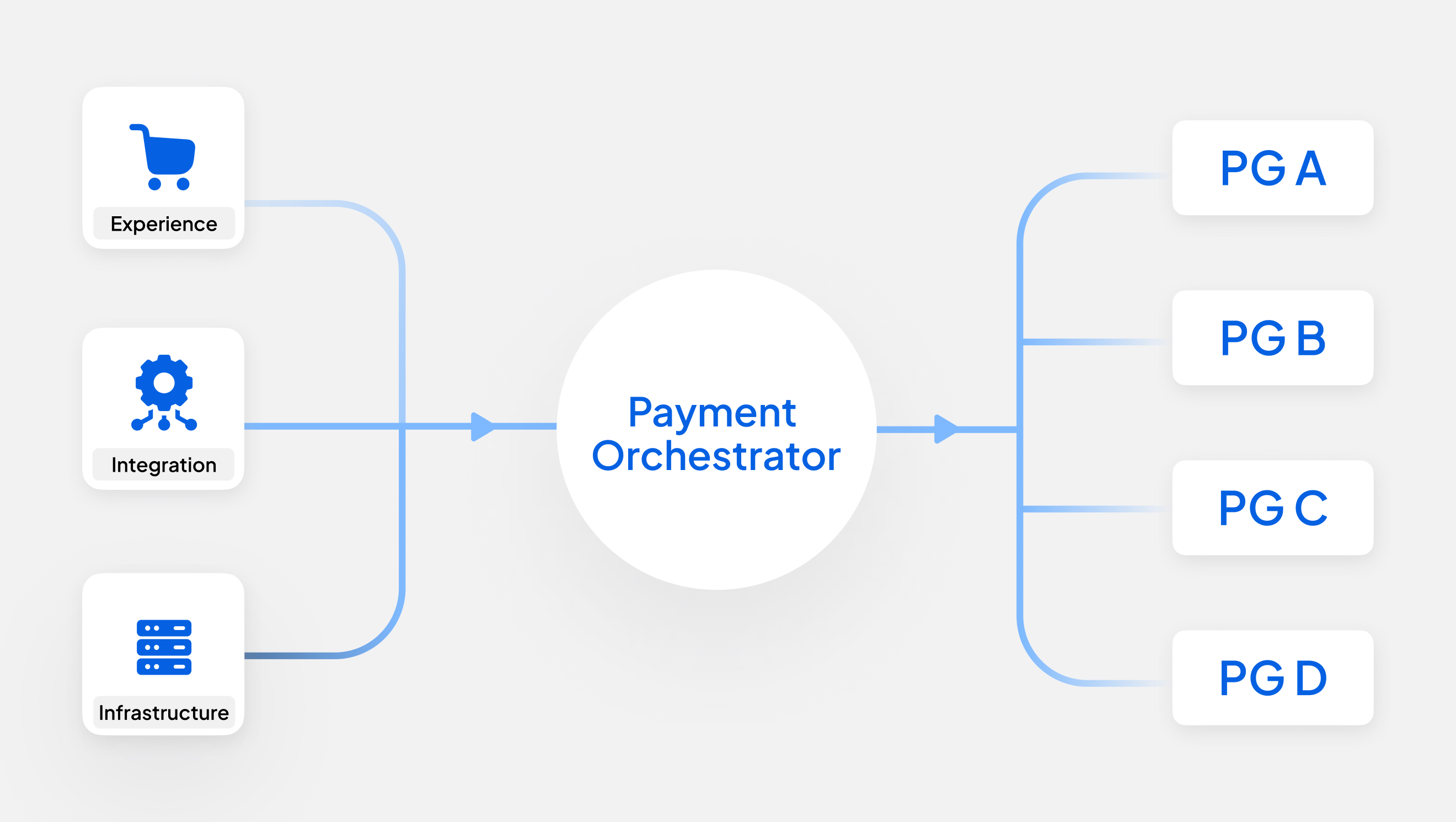
With multiple PSPs spanning different geographies and customer preferences, static PSP assignment leaves Star Health exposed to underperformance on providers it isn't actively monitoring. Payment Orchestration routes each transaction dynamically to the best-performing PSP based on real-time success rates, transaction cost, and network conditions, rather than a fixed processor selected in advance.
Consolidating PSP integrations into a centralized stack reduces the operational load of managing each connection separately, and real-time monitoring of acceptance rates is what allows routing decisions to adjust as PSP performance changes, rather than only after a failure pattern is reported.
Reducing Renewal Drop-Offs with Mandates
Renewal payments lapse most often not because a customer refuses to pay, but because reaching them manually each cycle introduces friction and delay. Juspay's Mandates infrastructure — e-NACH, debit + e-NACH, and UPI Autopay — automates recurring premium collection across UPI, cards, and net banking, removing the dependency on manual outreach for each renewal cycle.
Where a mandate-based payment still fails or a customer needs an alternate path, the Smart Convert dashboard lets agents retarget the customer and recommend alternate payment options, converting what would otherwise be a lapsed renewal into a completed one.
Meeting Regulatory Requirements with One-Time Mandates
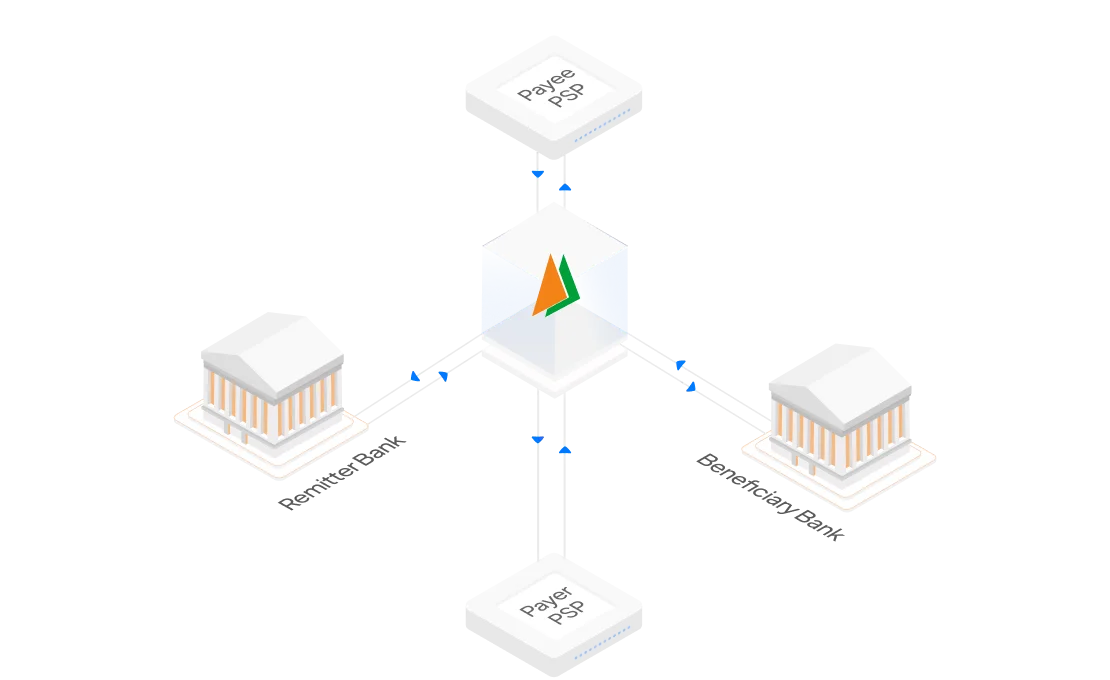
Recent regulatory changes required insurers to block premium amounts using UPI mandates before policy issuance, rather than debiting funds directly at the point of sale. Juspay enabled One-Time Mandates (OTM) to meet this requirement, blocking the premium amount ahead of issuance and completing the auto-debit only once the policy is confirmed. This keeps the collection flow compliant without reintroducing the friction of a separate manual confirmation step for policyholders.
Unifying Visibility Across Channels
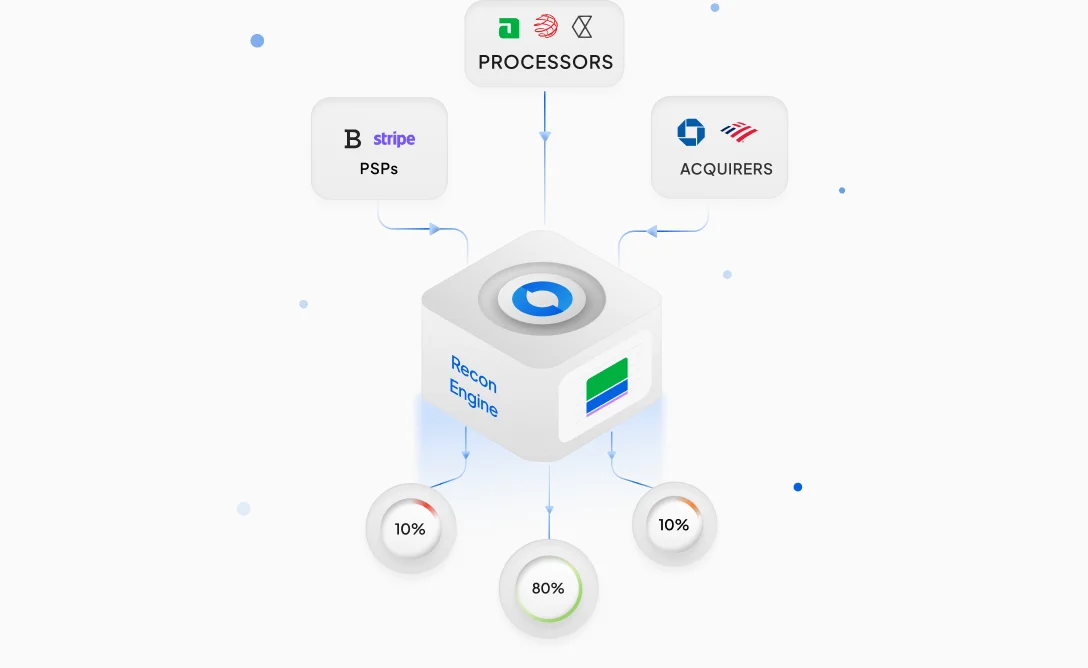
Star Health acquires customers through both online and offline channels, and each channel previously produced its own view of payment performance. Unified Analytics & Reconciliation consolidates transaction data, success rates, and acceptance trends into one view spanning both channels and all PSPs, so performance can be tracked from a single reference point rather than reassembled from each channel separately.
Automated reconciliation across these sources reduces the manual matching work that would otherwise scale with the number of channels and PSPs in use, and the consolidated metrics on premium collection and PSP performance support operational decisions that previously required manually cross-referencing separate reports.
Outcomes: Faster Payments, Reduced Customer Drop-Offs
- Increased transaction success rates from dynamic PSP routing, tokenization, and a consolidated checkout flow
- Reduced customer drop-offs during renewal, driven by mandate-based auto-debit and Smart Convert retargeting for failed payments
- Faster policy issuance through streamlined checkout and compliant One-Time Mandate processing ahead of issuance
- Better customer tracking across online and offline channels through Unified Analytics & Reconciliation
Looking Ahead
As regulatory requirements around premium collection continue to evolve, Star Health's mandate infrastructure is built to adapt to new compliance mechanisms without disrupting the policyholder's payment experience. The same orchestration and reconciliation layer extends to additional PSPs, lenders, and acquisition channels as Star Health's customer base grows, without requiring a separate integration effort for each new addition.