












Summary
Burger King wanted its online ordering to match the speed customers expect from its drive-thru, but digital checkout involved multiple redirects, PSP routing had no dynamic failover to maximize success rates, storing card details for a growing base of repeat online customers raised security and compliance questions, and running promotions across payment methods and locations required manual configuration that didn't scale with order volume.
Juspay deployed Hyper Checkout for a consolidated, brand-consistent payment page; Payment Orchestration for intelligent, real-time PSP routing; Tokenization for near-one-click reorders; an Offers Engine for automated, location- and payment-method-based promotions; and Unified Reconciliation & Analytics for centralized payment monitoring. Together, these reduced cart abandonment, increased conversion rates, and boosted loyalty through faster reorders and clearer, automatically applied discounts.
| What Burger King Needed | What Juspay Delivered |
| Checkout as fast as the drive-thru experience | Hyper Checkout with consolidated payment methods and minimal redirects |
| Higher payment success rates across PSPs | Payment Orchestration directing transactions to the best-performing PSP |
| Secure, fast reorders for repeat customers | Tokenization enabling near-one-click payments |
| Automated, targeted promotions without manual overhead | Offers Engine with location- and payment-method-based auto-apply |
| Centralized visibility into payment performance | Unified Reconciliation & Analytics with real-time monitoring and automated reporting |
Products Used
- Hyper Checkout
- Payment Orchestration
- Tokenization
- Offers Engine
- Unified Reconciliation & Analytics
Burger King's brand is built on drive-thru speed, and that expectation doesn't disappear when a customer switches to ordering online — a slow digital checkout reads as a mismatch against a brand promise the customer already associates with fast service elsewhere. As online ordering grew, every extra redirect or delay between "Order Now" and payment confirmation risked losing a customer who came in expecting that same speed digitally.
Without dynamic routing between payment service providers, transaction success depended on whichever PSP happened to be performing best at a given moment, with no automatic mechanism to shift volume elsewhere when one underperformed. A growing base of repeat online customers meant more card details needing secure storage, which raised the stakes on data security and regional compliance requirements as online ordering scaled. And running promotions — discounted combos, loyalty points tied to specific payment methods — across different locations and payment methods required configuring and managing each combination manually, which doesn't scale cleanly as Burger King's promotional calendar and order volume grow together.
Matching Drive-Thru Speed with Hyper Checkout
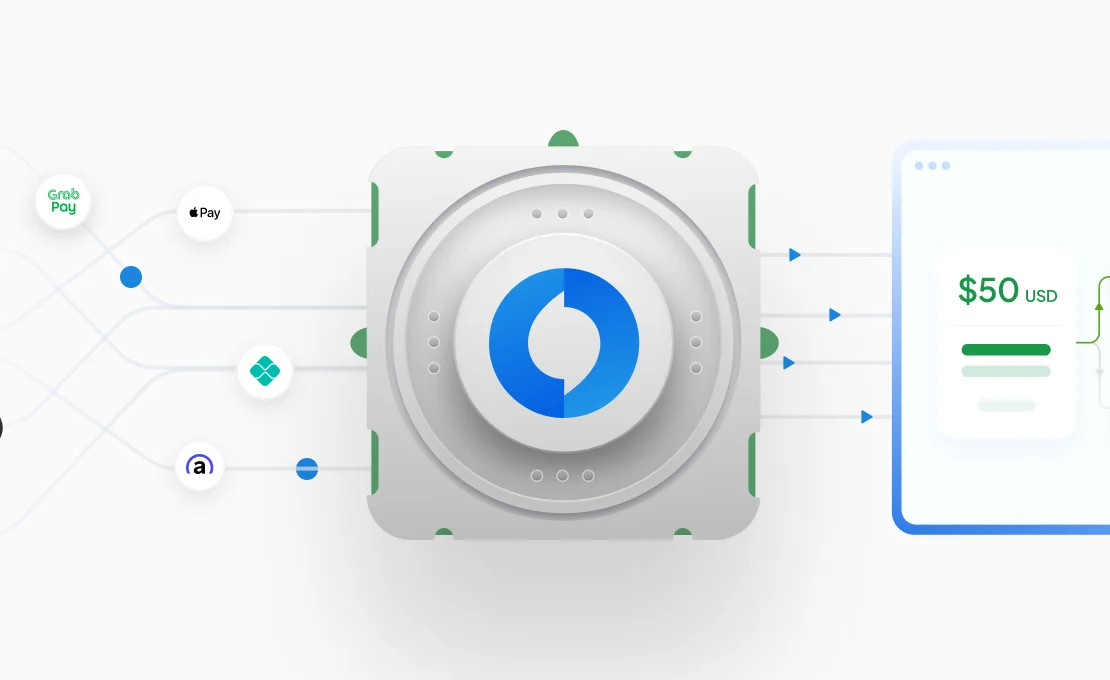
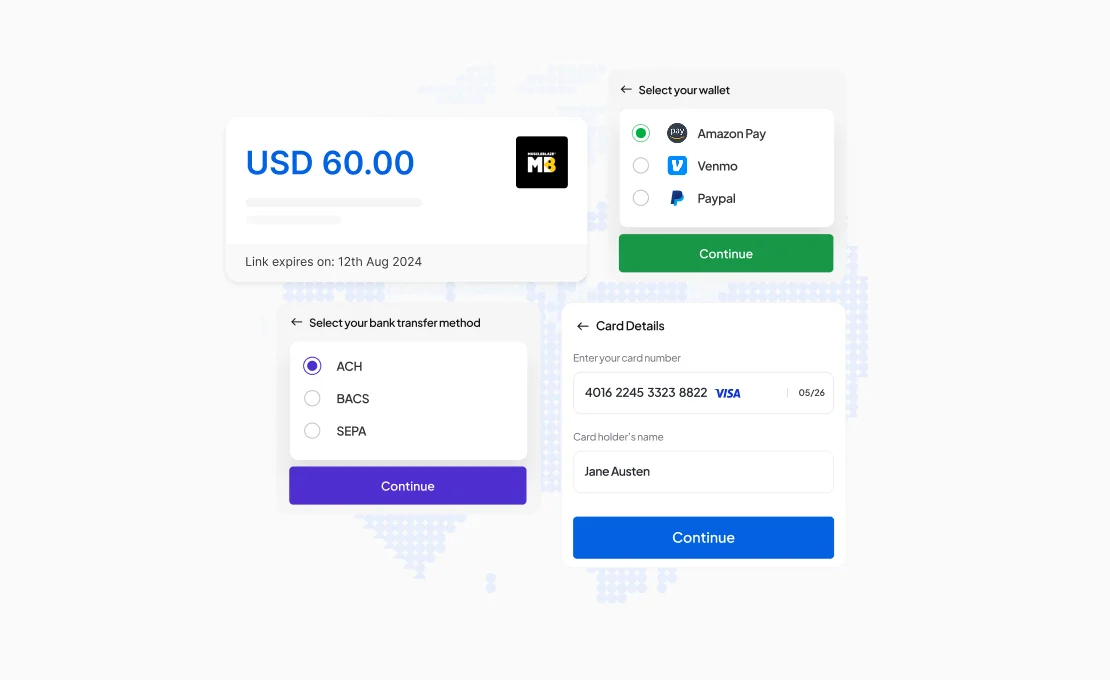
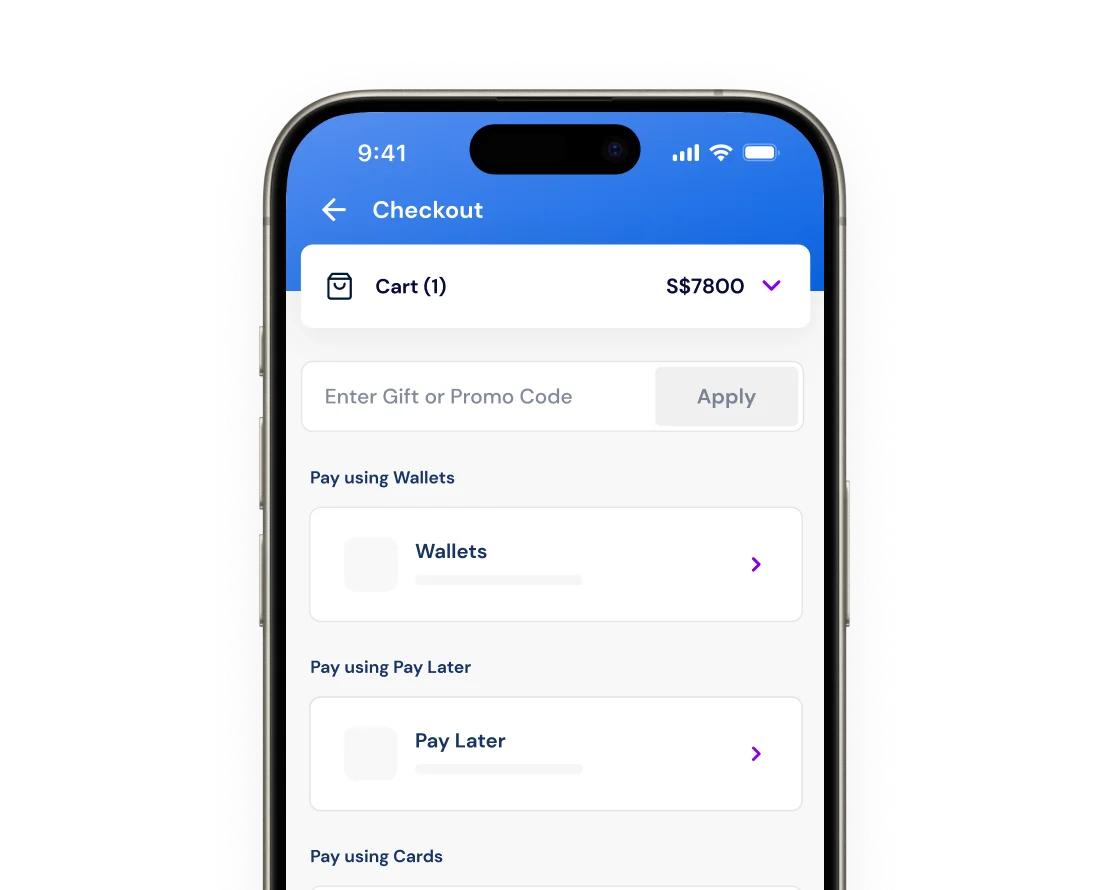
Hyper Checkout consolidates credit cards, debit cards, wallets, and alternative payment methods into a single interface, replacing a multi-step checkout with one consistent flow. Minimal redirects and near-instant confirmations are what actually close the gap between "Order Now" and "Payment Success" — the specific window where a slow checkout would otherwise cost Burger King the customer.
Brand consistency across this consolidated flow keeps checkout visually aligned with the rest of Burger King's digital storefront, so the speed gain doesn't come at the cost of a jarring or off-brand payment experience.
Maximizing Success Rates with Payment Orchestration
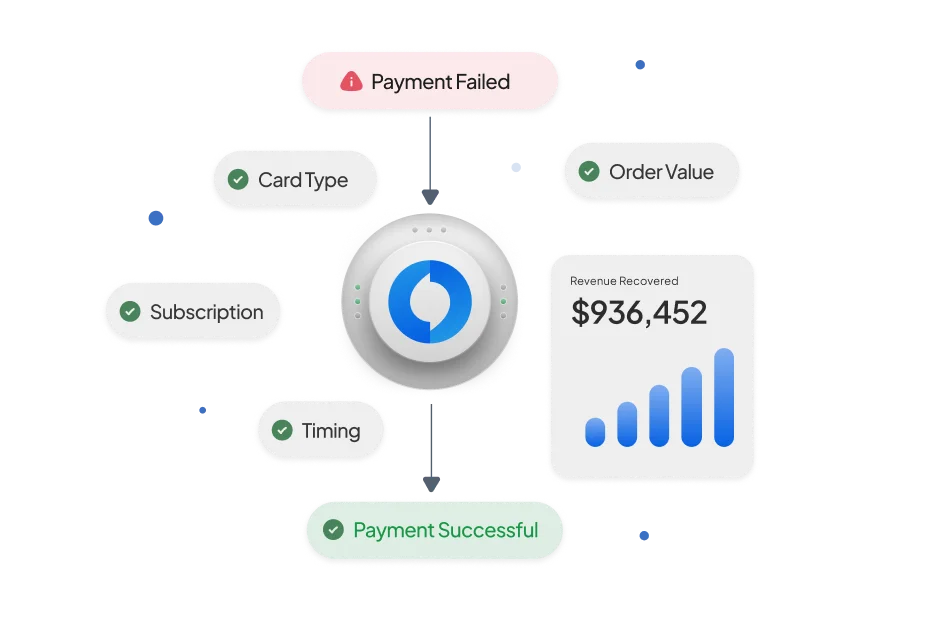
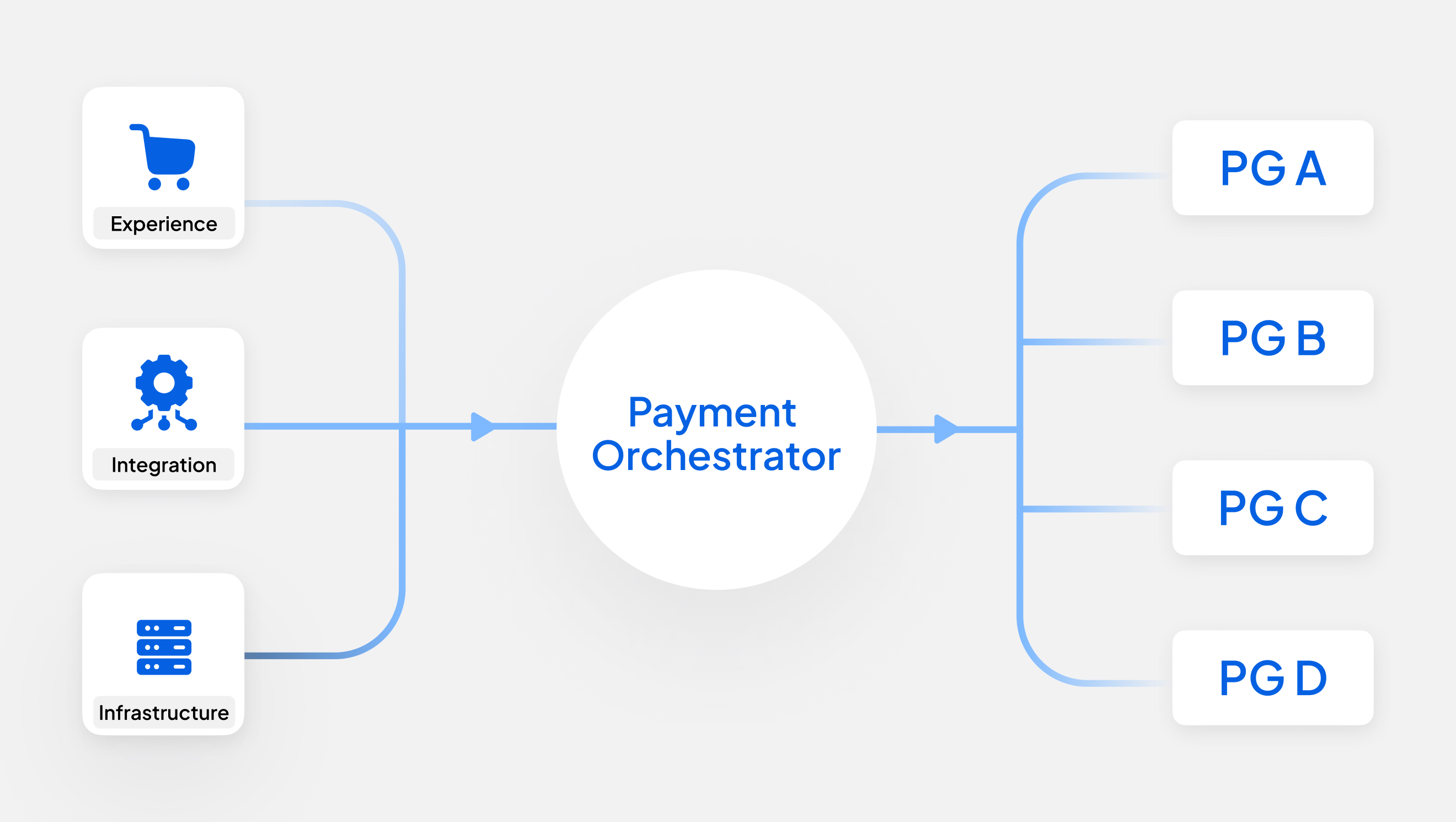
A fast front-end checkout only pays off if the transaction actually succeeds, and without dynamic routing between PSPs, success depended on whichever provider happened to be performing best at a given moment. Payment Orchestration directs each transaction to the best-performing PSP in real time, which is what maximizes success rates and reduces the transaction failures that would otherwise undercut the speed gains from a faster checkout flow.
This routing operates continuously in the background rather than as a one-time configuration, so Burger King's payment success stays high even as PSP performance shifts over time or varies across regions.
Securing Repeat Orders with Tokenization
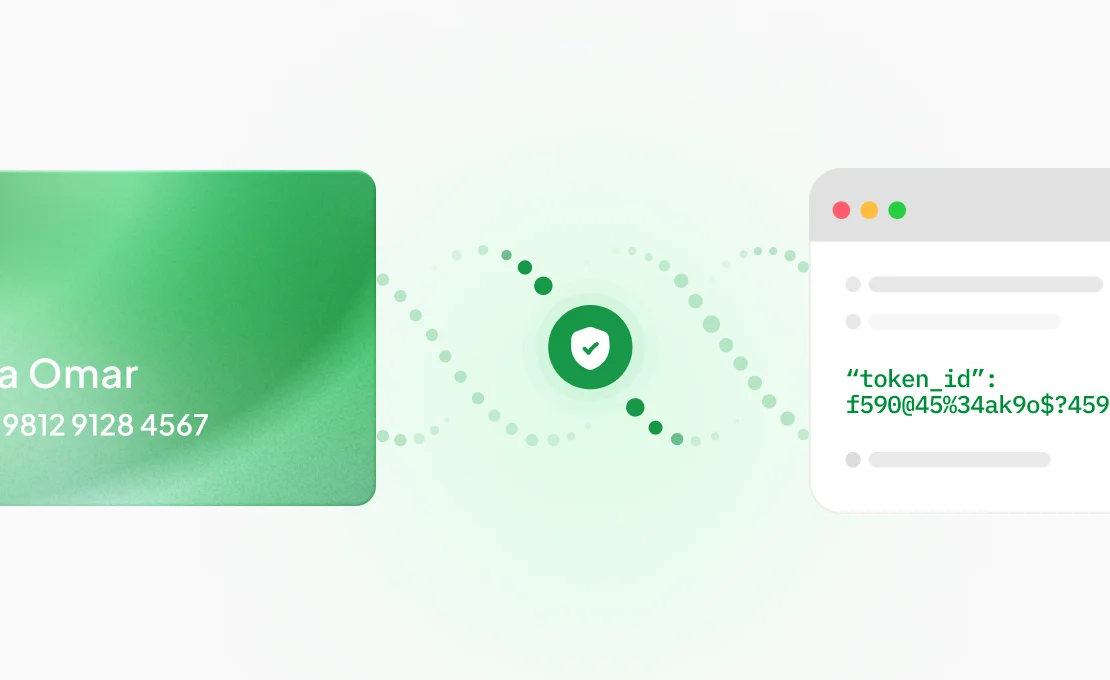
New customers trying online ordering for the first time sit alongside a loyal base placing repeat orders, and re-entering card details each time is friction that specifically affects that repeat-order segment. Tokenization stores card information as a token rather than raw data, so returning diners get near-one-click payments on subsequent orders instead of a full checkout flow each time.
Because actual card data never touches Burger King's servers, this also lowers security risk and keeps Burger King aligned with regional compliance mandates — which matters more as the online customer base, and the volume of stored card tokens, grows.
Automating Loyalty Promotions with the Offers Engine
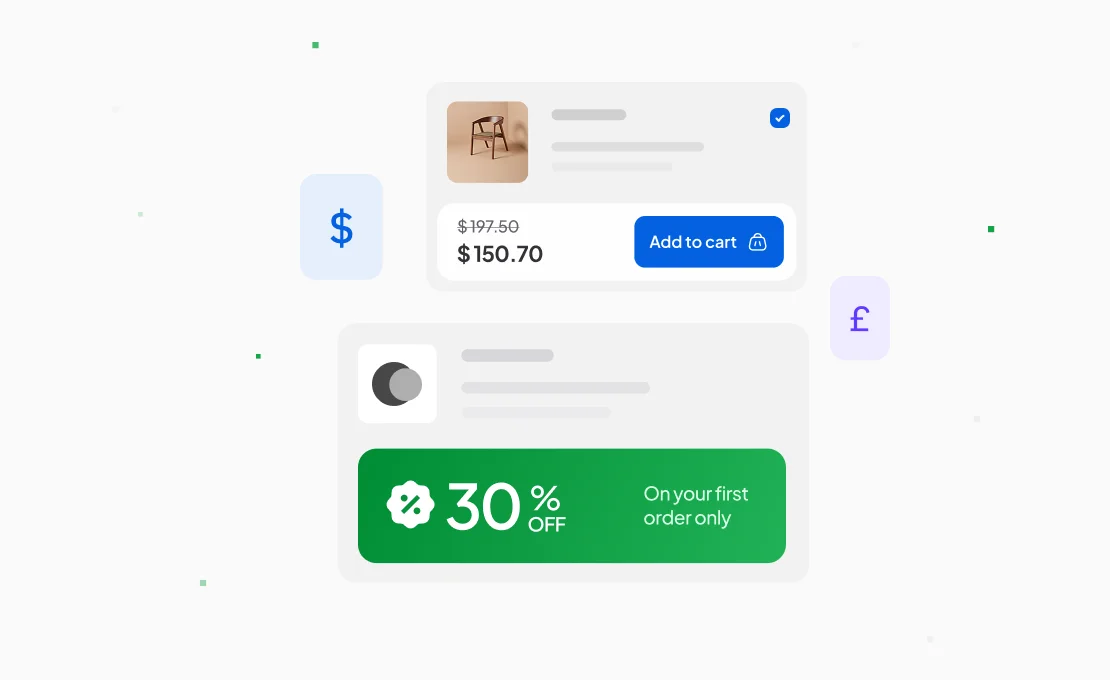
Promotions tied to specific combos, locations, or payment methods multiply in complexity the moment more than one variable is involved, which is why manually managing them breaks down as Burger King's promotional calendar grows. The Offers Engine lets Burger King create and manage promotions from one dashboard without additional coding, with deals auto-applying based on a customer's location or payment method rather than requiring the customer to find and enter a code.
Real-time clarity on savings at checkout is what reduces the confusion-driven drop-offs that come from uncertain coupon eligibility, and because offers are personalized rather than blanket discounts, they're also what drives more of the repeat business behind Burger King's loyalty gains.
Consolidating Operations with Unified Reconciliation & Analytics
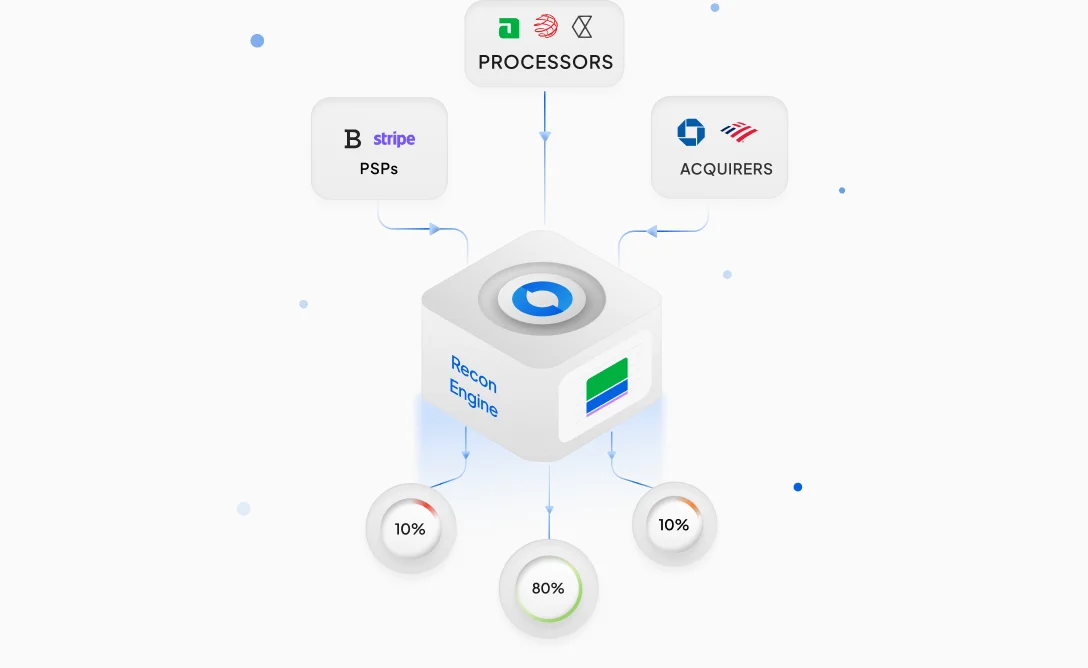
Payments running across multiple channels and providers produce data that's disconnected by default, which made tracking payment performance and preparing reports a manual, multi-source task before consolidation. Unified Reconciliation & Analytics gives Burger King real-time monitoring of payment success rates, transaction statuses, and failures from one centralized platform, allowing immediate action when an issue surfaces rather than discovering it after the fact.
Actionable analytics let Burger King track payment trends and identify issues to optimize strategy over time, and streamlined reporting from a single platform is what significantly cuts the manual tracking effort that would otherwise scale with the number of channels and providers in Burger King's payment stack.
Results: Faster Checkouts, Higher Conversions
- Reduced cart abandonment from an optimized, redirect-free checkout flow
- Increased payment conversion rates from Payment Orchestration's real-time PSP routing and tokenized repeat checkout
- Boosted customer loyalty from automated, targeted offers increasing basket size and repeat engagement
- Streamlined operations through real-time monitoring and centralized payment reporting
Looking Ahead
With a strong track record in its initial markets, Burger King plans to extend this digital-first approach globally. Hyper Checkout and the Offers Engine can be localized for new currencies and local wallets, Payment Orchestration extends its routing logic to new regional PSPs, and tokenization keeps repeat checkout secure and fast as Burger King scales into new regions.