











Summary
Swiggy, India's leading on-demand delivery platform, operates across 720+ cities through food delivery, quick commerce (Instamart), dining (Dineout), and pickup/drop-off (Genie) — each with its own transaction patterns and price points, from small quick-commerce baskets to high-ticket corporate lunch orders. Managing multiple PSPs and alternative payment methods across this portfolio without dynamic routing exposed transaction success to whichever gateway was underperforming, UPI payments still routed through a lengthy intent flow with high drop-off, and affording high-ticket purchases across services like Dineout had no built-in financing path.
Juspay deployed Express Checkout for dynamic, real-time PSP routing; Hyper UPI to collapse the UPI intent flow from 6 steps to 2 for in-app payments; Tokenization for frictionless repeat card transactions; EMI for affordable high-ticket purchases on Dineout and (upcoming) Instamart; and a Unified Dashboard for centralized payment monitoring and reconciliation. Together, these improved transaction success rates, reduced cart abandonment, and gave Swiggy a scalable payment foundation across its full service portfolio.
| What Swiggy Needed | What Juspay Delivered |
| Reliable payment success across a diverse, multi-service PSP mix | Express Checkout with dynamic, real-time PSP routing |
| A faster, lower-drop-off UPI payment flow | Hyper UPI reducing the UPI intent flow from 6 steps to 2 |
| Frictionless repeat checkout for card users | Tokenization enabling one-tap payments without re-entering card details |
| Affordable financing for high-ticket orders | EMI options for Dineout, with Instamart EMI upcoming |
| Centralized visibility across a multi-service payment portfolio | Unified Dashboard with real-time metrics and automated reconciliation |
Products Used
- Express Checkout Payment Orchestration
- Hyper UPI
- Tokenization
Swiggy's business spans four distinct services — food delivery, Instamart, Dineout, and Genie — each with different transaction sizes, frequencies, and customer expectations, but all running through the same underlying payment infrastructure. That breadth is exactly what makes payment orchestration harder here than for a single-format merchant: a routing or checkout decision that works for a quick-commerce basket doesn't necessarily hold for a high-ticket Dineout reservation or a Genie pickup fee.
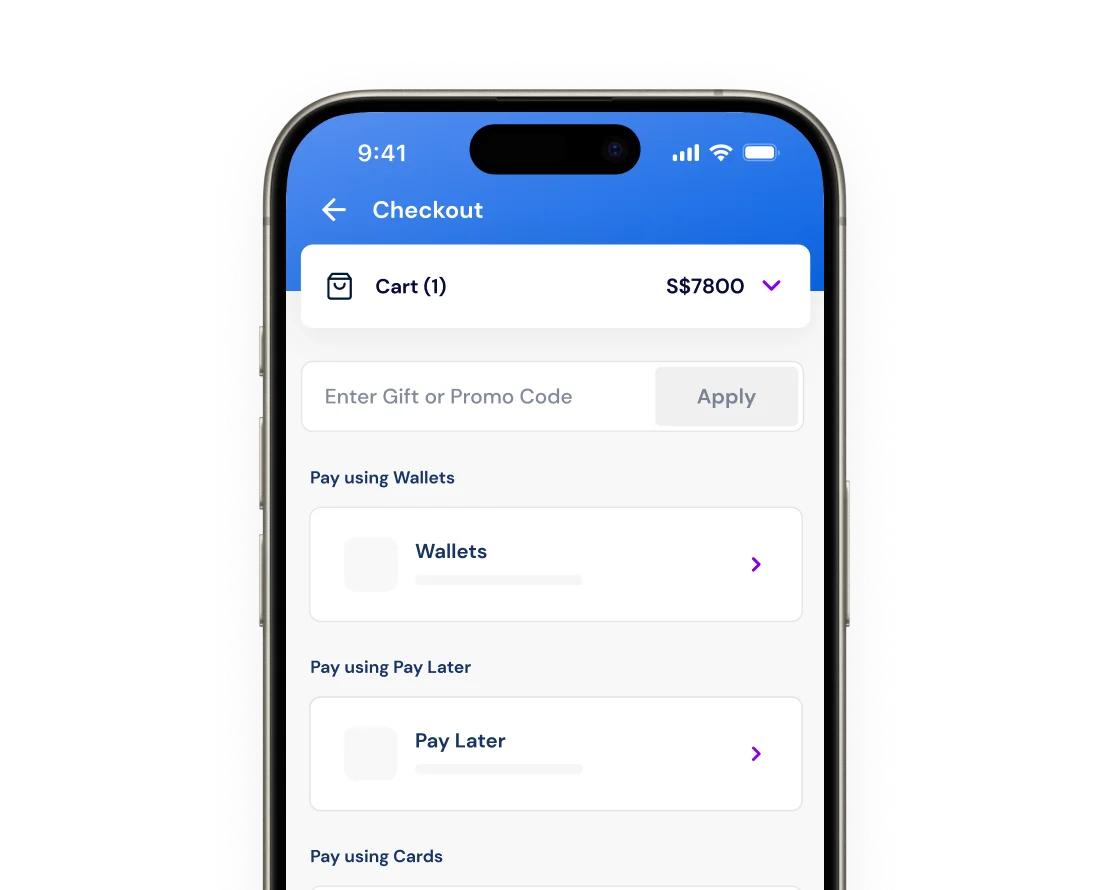
Managing a growing set of PSPs and alternative payment methods — wallets, BNPL, food cards, and more — across this portfolio without dynamic routing meant transaction success was tied to whichever gateway happened to be underperforming at a given moment, a risk that scales with the number of services and payment methods layered on top of each other. UPI, despite being a heavily used payment method on the platform, still ran through the standard 6-step intent flow, which is long enough to introduce drop-off at a stage where the transaction is otherwise ready to complete. And high-ticket purchases — a large corporate lunch order, a family dinner through Dineout, a big grocery haul on Instamart — had no built-in financing option, leaving affordability as a barrier to conversion on exactly the transactions with the most revenue at stake.

"Our teams have always worked together to achieve a better payment experience for our customers. Swiggy conversion rates are a benchmark for the industry and Juspay has been a key ally for us in this journey."
Routing Payments Across a Multi-Service Portfolio with Express Checkout
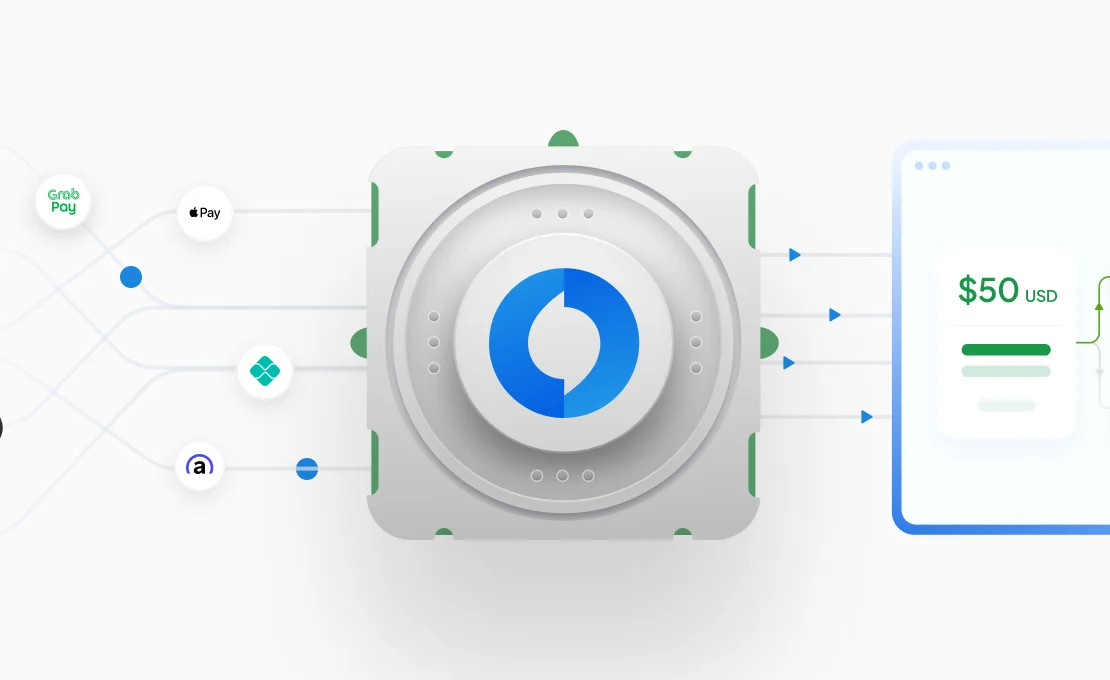
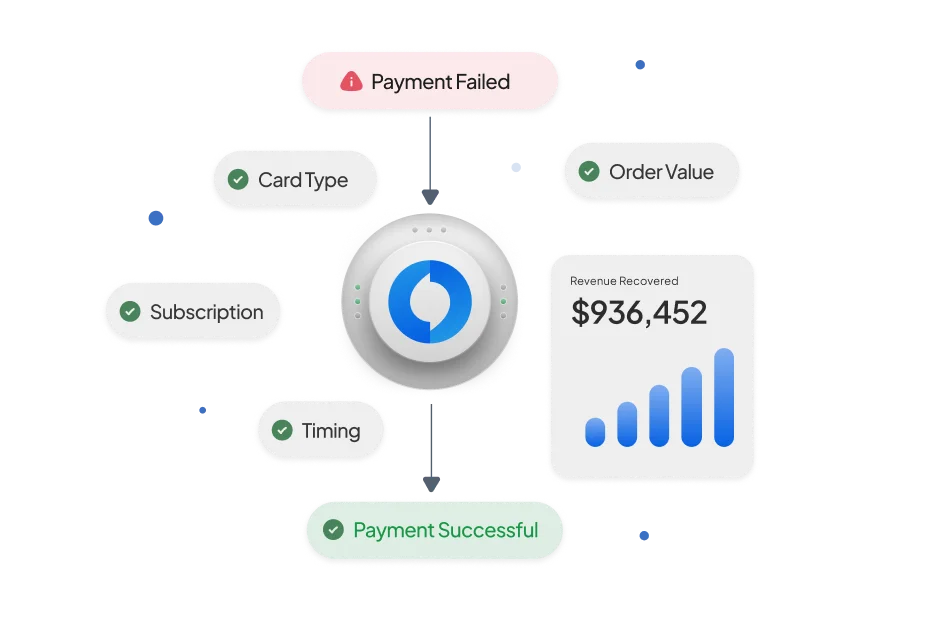
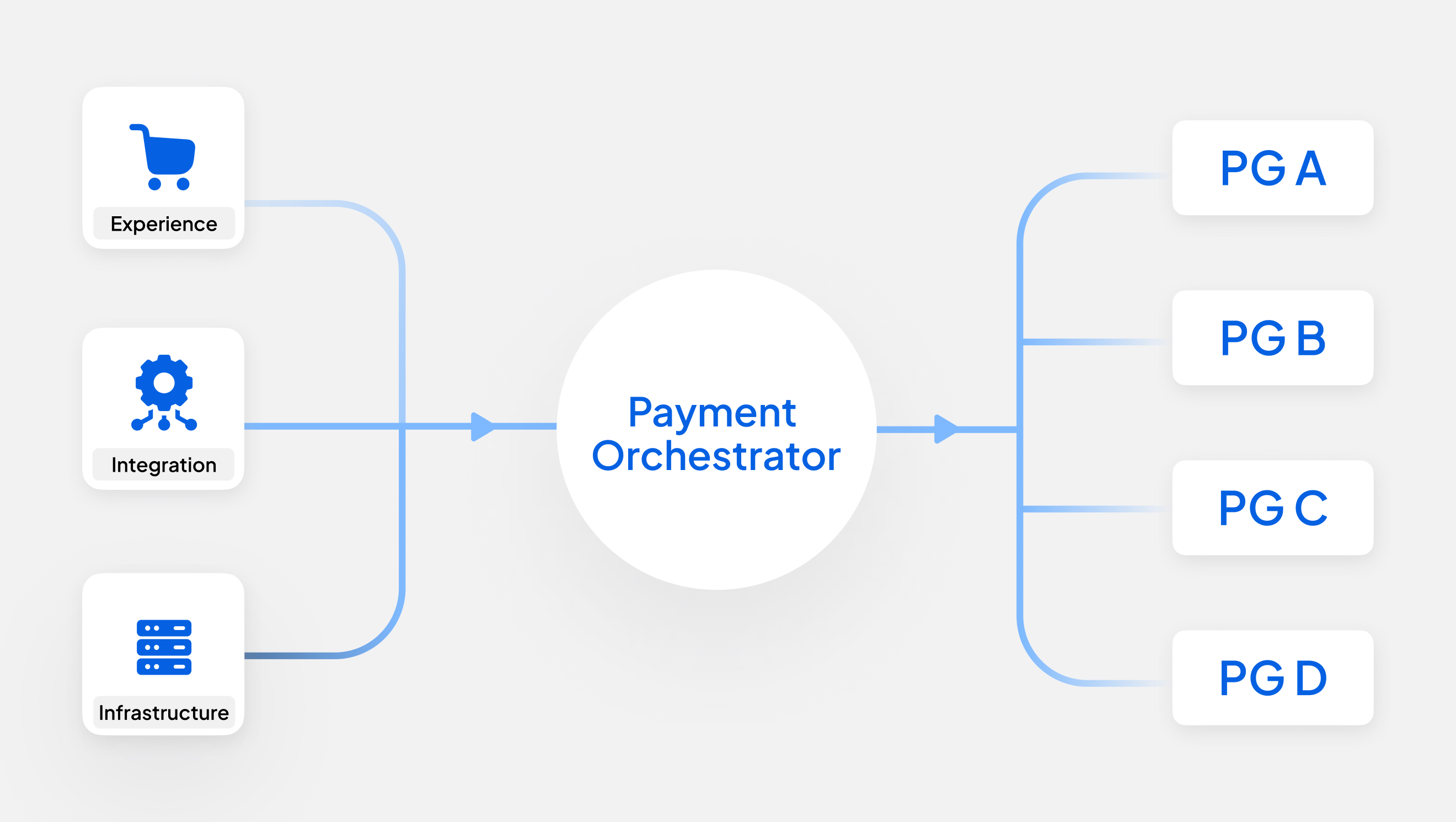
Express Checkout routes each transaction dynamically to the best-performing PSP based on real-time success rates, cost, and fallback mechanisms, rather than a fixed gateway assignment that can't adapt across Swiggy's different services. This is what keeps transaction success stable even as PSP performance shifts — when a gateway underperforms, routing moves volume toward better-performing alternatives instead of continuing through a degrading path.
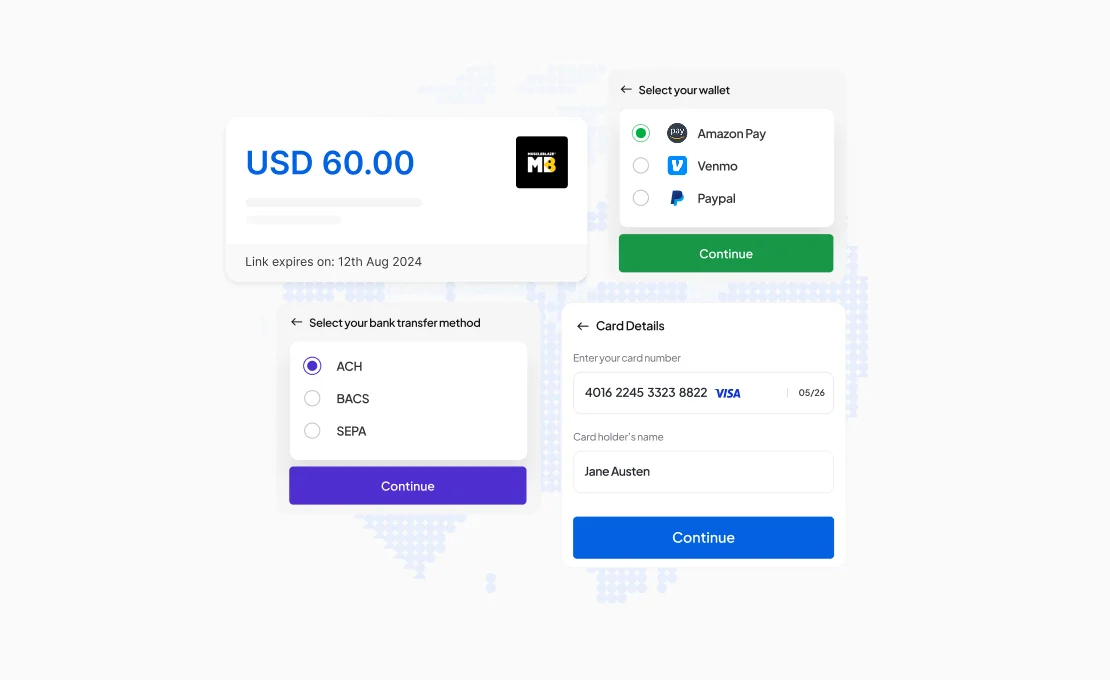
Consolidating PSPs and alternative payment methods like wallets, BNPL, and food cards into one centralized stack reduces the operational burden of managing each integration separately, and real-time acceptance-rate monitoring is what lets routing adapt during high-traffic periods — precisely when a fixed routing rule would be most exposed to a single PSP's performance dip.
Cutting UPI Friction with Hyper UPI
The standard UPI Intent flow requires switching between apps and multiple confirmation steps, and each additional step is a point where a ready-to-pay customer can still drop off. Hyper UPI addresses this directly by linking a customer's bank account to Swiggy UPI, enabling payment within the app itself rather than routing out to an external UPI app.
This collapses the flow from 6 steps down to 2, which is the specific mechanism behind Hyper UPI's drop-off reduction — fewer steps between payment initiation and completion means fewer opportunities for a customer to abandon partway through, and faster completion for the customer who does follow through.
Simplifying Repeat Card Payments with Tokenization
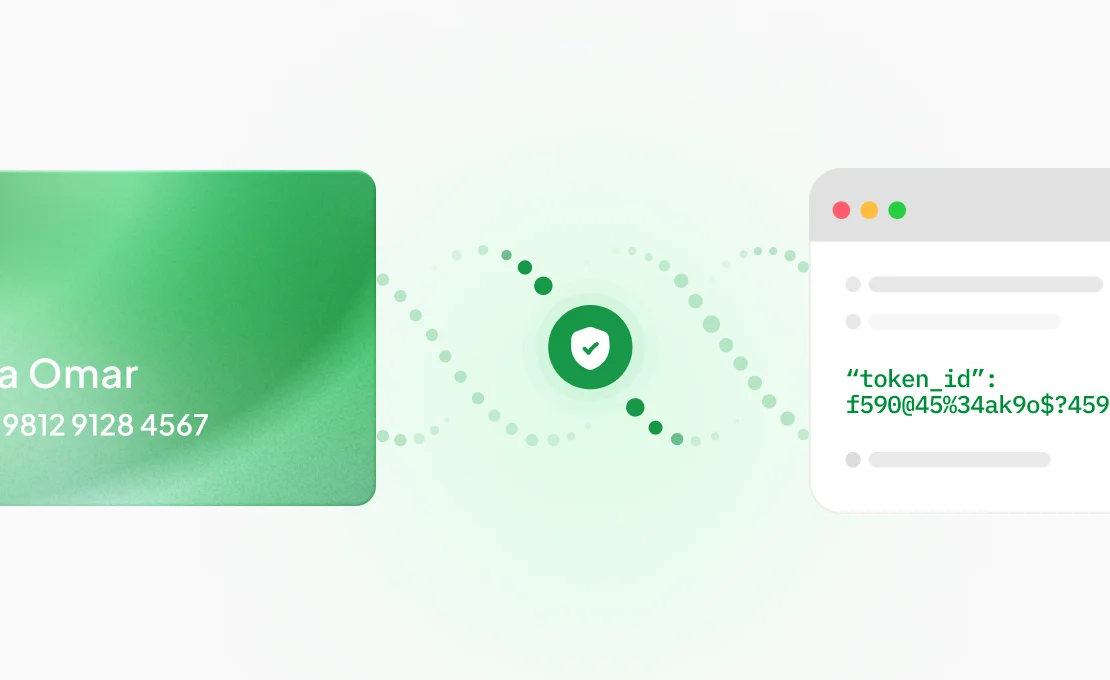
For customers paying by card, re-entering payment details on every order is a friction point that recurs with each repeat purchase specifically — and Swiggy's order frequency means that friction compounds quickly for regular users. Tokenization replaces stored card numbers with secure tokens, so returning customers skip re-entering payment details on repeat purchases entirely.
Auto-read OTP removes a further manual step from card verification, cutting drop-offs caused by delayed or incorrectly entered OTPs. Because sensitive card details are never stored on Swiggy's servers, tokenization also keeps Swiggy aligned with regulatory compliance requirements without adding a separate security burden on top of checkout.
Making High-Ticket Purchases Affordable with EMI
High-ticket orders — corporate lunches, family dinners, large grocery hauls — are the transactions most likely to stall on affordability rather than intent, which is why financing matters specifically at this end of Swiggy's order range rather than across the board. EMI on Dineout makes higher-cost restaurant experiences accessible by breaking the total into installments rather than requiring payment in full upfront.
The same logic extends to Instamart, where upcoming brand EMI options will let customers finance higher-value purchases like electronics in partnership with the brand itself — a mechanism aimed at converting big-ticket quick-commerce purchases that would otherwise be deferred or abandoned over cost.
Consolidating Visibility with the Unified Dashboard
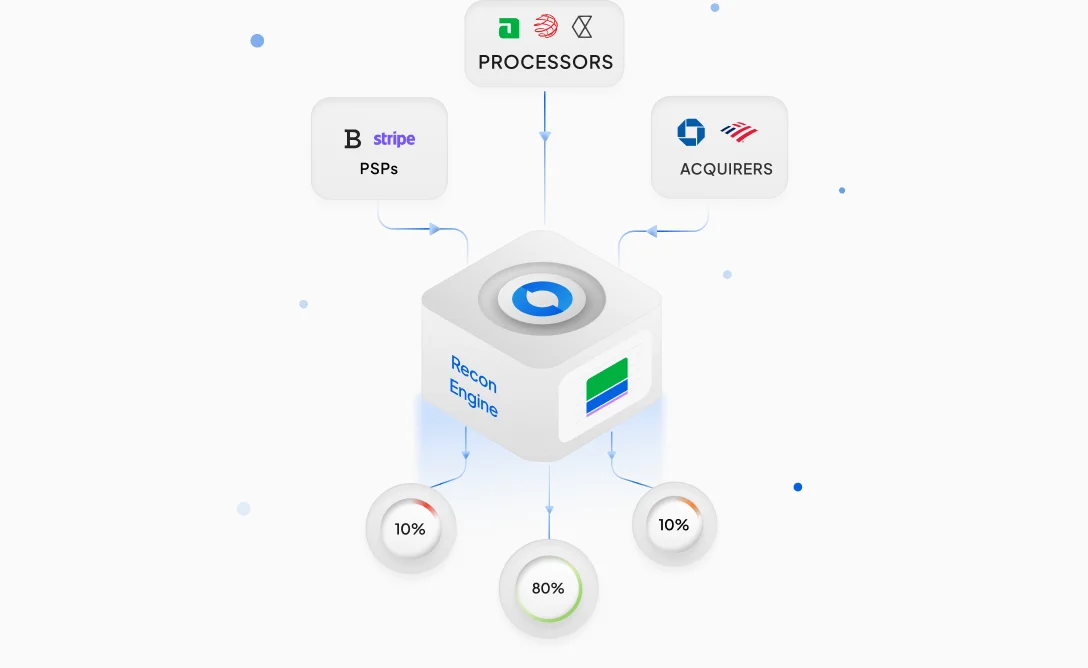
Running payments across four distinct services multiplies the number of disconnected data sources Swiggy would otherwise need to monitor separately for success rates, costs, and failures. The Unified Dashboard consolidates these payment metrics into one real-time view, rather than requiring a separate report per service or PSP.
A granular view of refunds, chargebacks, and disputes gives Swiggy full visibility into payment activity beyond successful transactions alone, and automated reconciliation across multiple PSPs and bank reports removes the manual matching work that would otherwise scale with the number of payment sources Swiggy manages across its portfolio.
Outcomes
- Seamless customer checkout experience from a consolidated, dynamically routed payment flow across services
- Higher transaction success rates, including during flash sales and peak hours, from real-time PSP routing
- Reduced cart abandonment from Hyper UPI's 2-step flow, tokenization, and auto-OTP
- Scalable payment infrastructure supporting four distinct service lines without a separate payment stack per service
- Enhanced operational efficiency from centralized monitoring and automated reconciliation via the Unified Dashboard
Looking Ahead
As Swiggy extends its product offerings into new markets, Express Checkout's routing logic and Hyper UPI's simplified flow extend to additional payment methods without requiring a separate integration per market. EMI options continue to expand across services — starting with Dineout and extending to Instamart — helping Swiggy convert high-ticket purchases as its portfolio grows, while the Unified Dashboard scales to keep payment operations centralized rather than fragmented across an increasingly diverse set of services.