











Summary
Tata CLiQ, one of India's leading premium multi-category e-commerce platforms, sells across fashion, electronics, and home goods, with categories like smartphones, wearables, and appliances driving high-volume transactions during flash sales and festive promotions. Payments ran across multiple PSPs and alternate payment methods with no shared routing logic, and settlement data from each PSP, bank report, and internal system had to be reconciled separately.
Juspay deployed Express Checkout for dynamic, real-time PSP routing, Tokenization for secure one-click repeat payments, and Unified Reconciliation for automated multi-source settlement matching. Payments now route to the best-performing PSP in real time based on success rates, cost, and network availability; repeat customers check out without re-entering card details; and reconciliation across PSPs, banks, and internal systems runs automatically instead of manually.
| What Tata CLiQ Needed | What Juspay Delivered |
| Reliable payment success during high-volume flash sales | Express Checkout payment orchestration with dynamic, real-time PSP routing |
| Faster, more secure repeat checkout | Tokenization for one-click payments without storing card data on Tata CLiQ's servers |
| Simplified reconciliation across PSPs and banks | Unified Reconciliation automating multi-source settlement matching |
| Centralized visibility into payment performance | Real-time reporting across success rates, processing costs, and disputes |
Products Used
- Payment Orchestration
- Tokenization
- Unified Reconciliation
Tata CLiQ's catalog spans categories with very different purchase behavior — impulse fashion buys sit alongside considered purchases like smartphones and appliances — but all of it funnels through the same checkout, and that checkout has to hold up during festive promotions and flash sales when transaction volume spikes sharply.
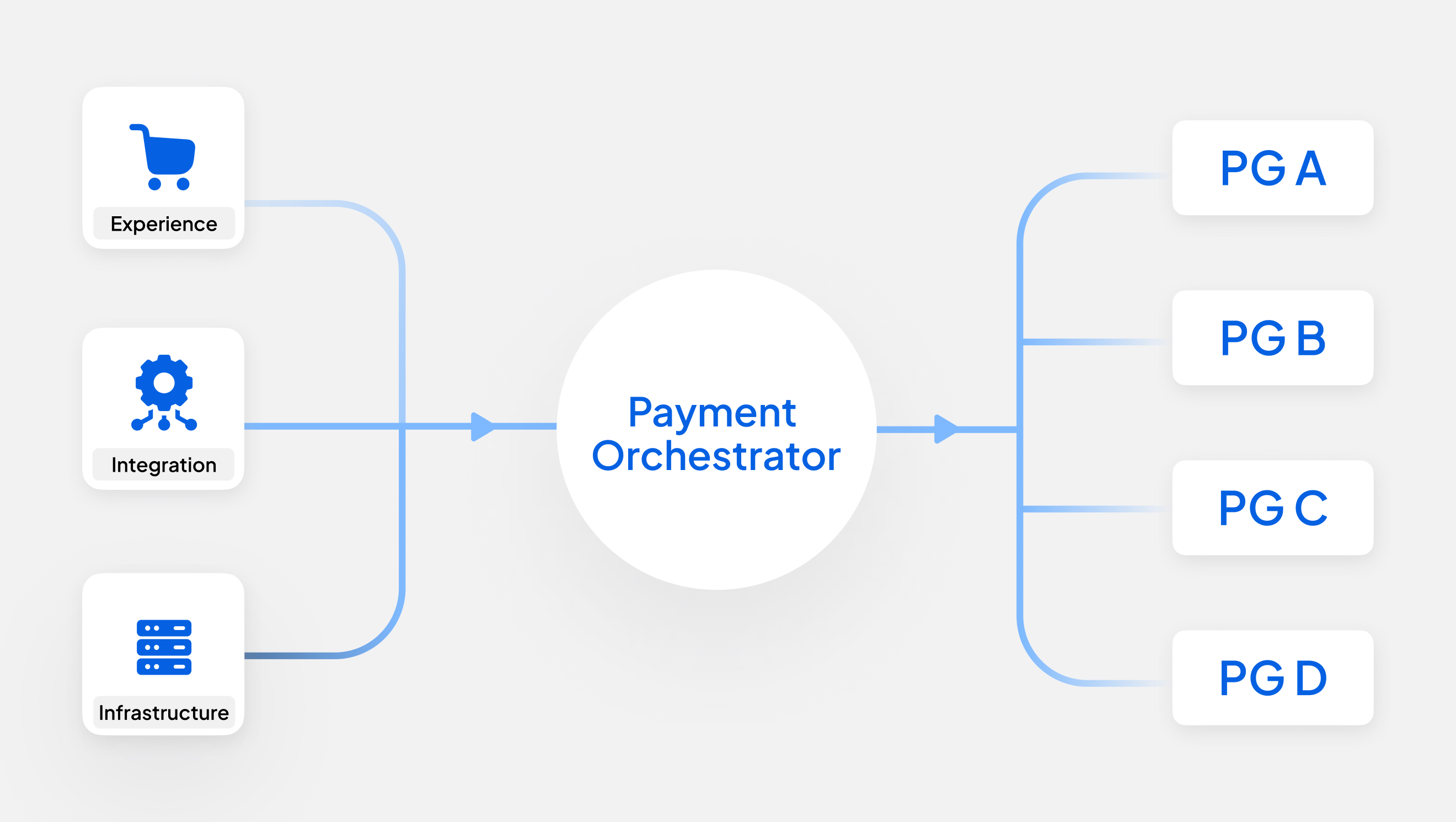
Handling that volume meant integrating multiple PSPs and alternate payment methods, but without dynamic routing logic, each PSP operated as an independent path with no mechanism to shift volume toward whichever processor was performing best at a given moment. A PSP degrading during a peak sale event had no automatic failover, which put both transaction success rates and checkout speed at risk exactly when volume was highest.
On the back end, reconciling payments meant matching records across every PSP, bank report, and Tata CLiQ's internal systems independently — a manual process that scales worse as more PSPs and payment methods are added to handle peak load.

"Juspay continues to offer a range of payment solutions with ease of integration which helps us to provide seamless & choiceful industry payment options and experiences to our customers."
Routing Payments Dynamically with Express Checkout
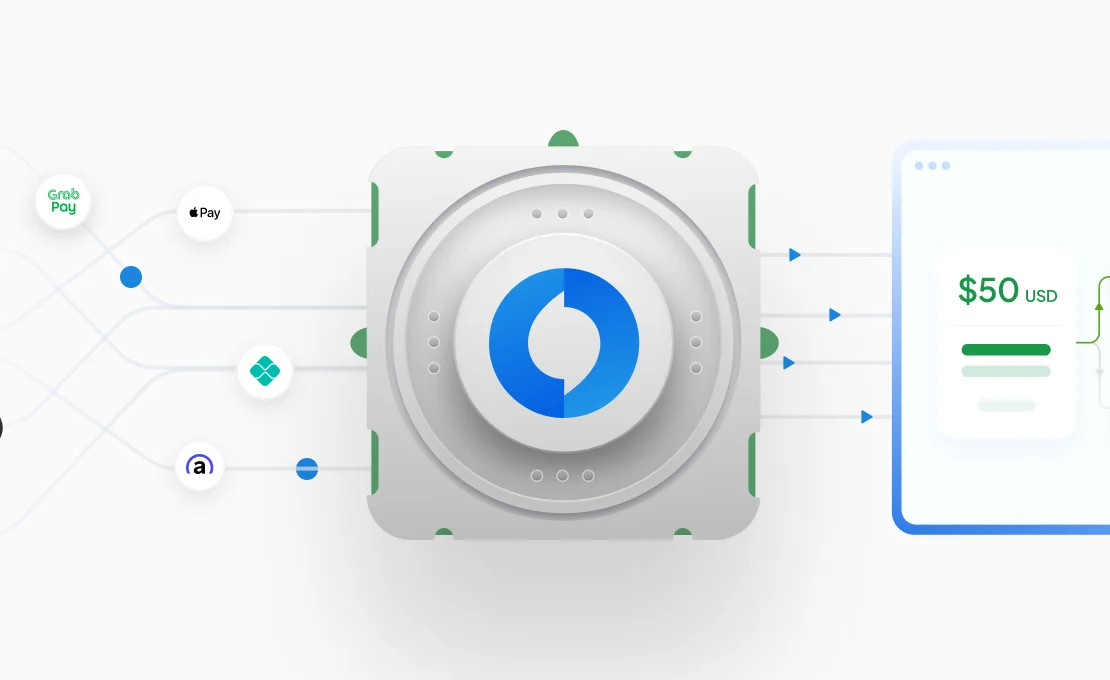
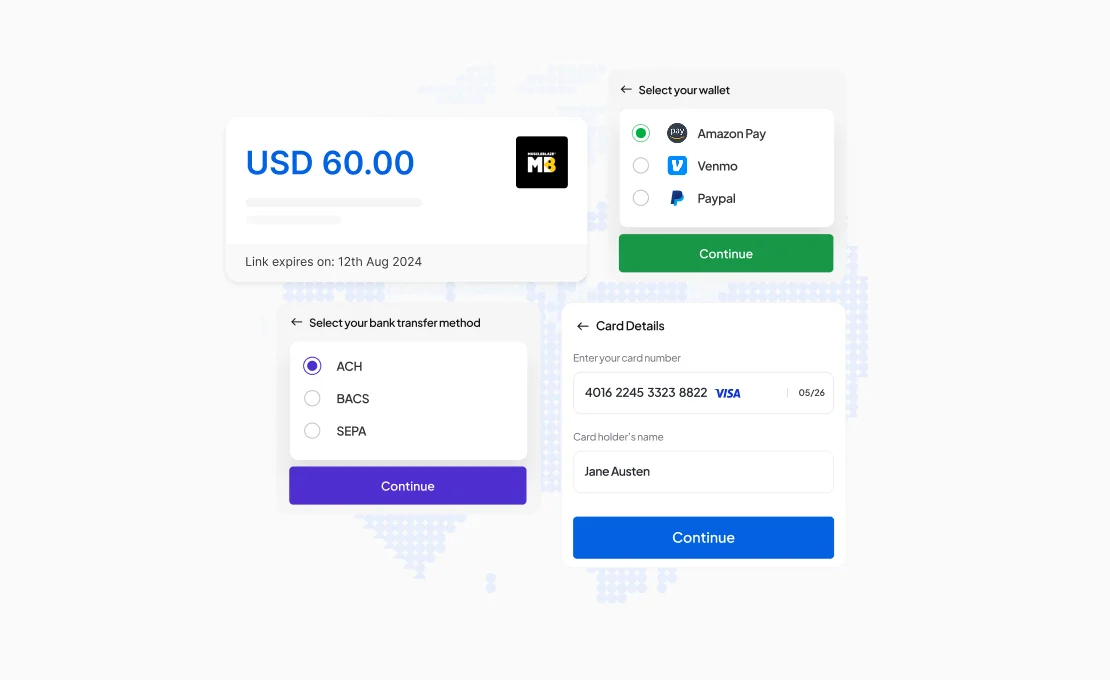
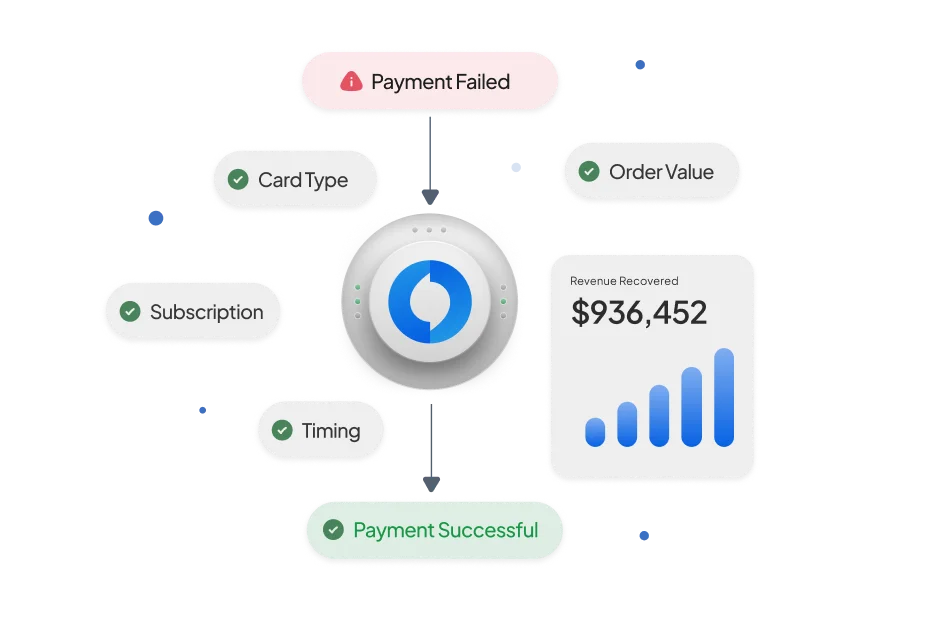
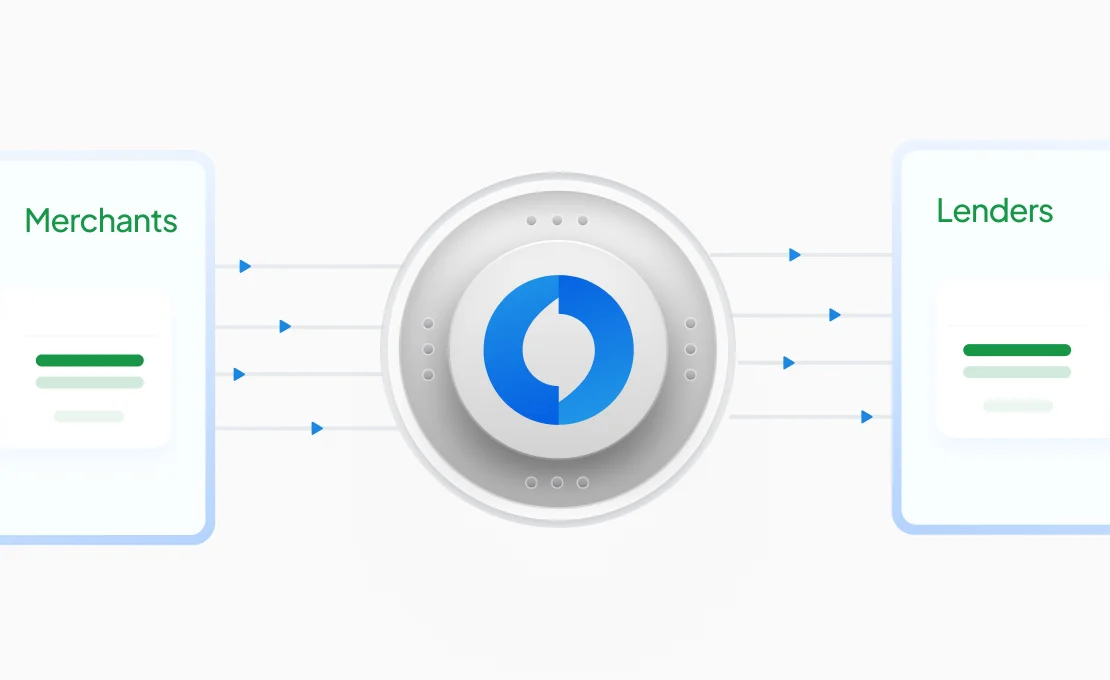
Express Checkout replaced static PSP assignment with dynamic routing: each transaction is routed to the best-performing PSP based on real-time success rates, transaction cost, and network availability, rather than a fixed processor determined in advance. This is what allows success rates to hold up during demand spikes — when one PSP's performance degrades, volume shifts toward processors that are currently performing better, rather than continuing to route through a degrading path.
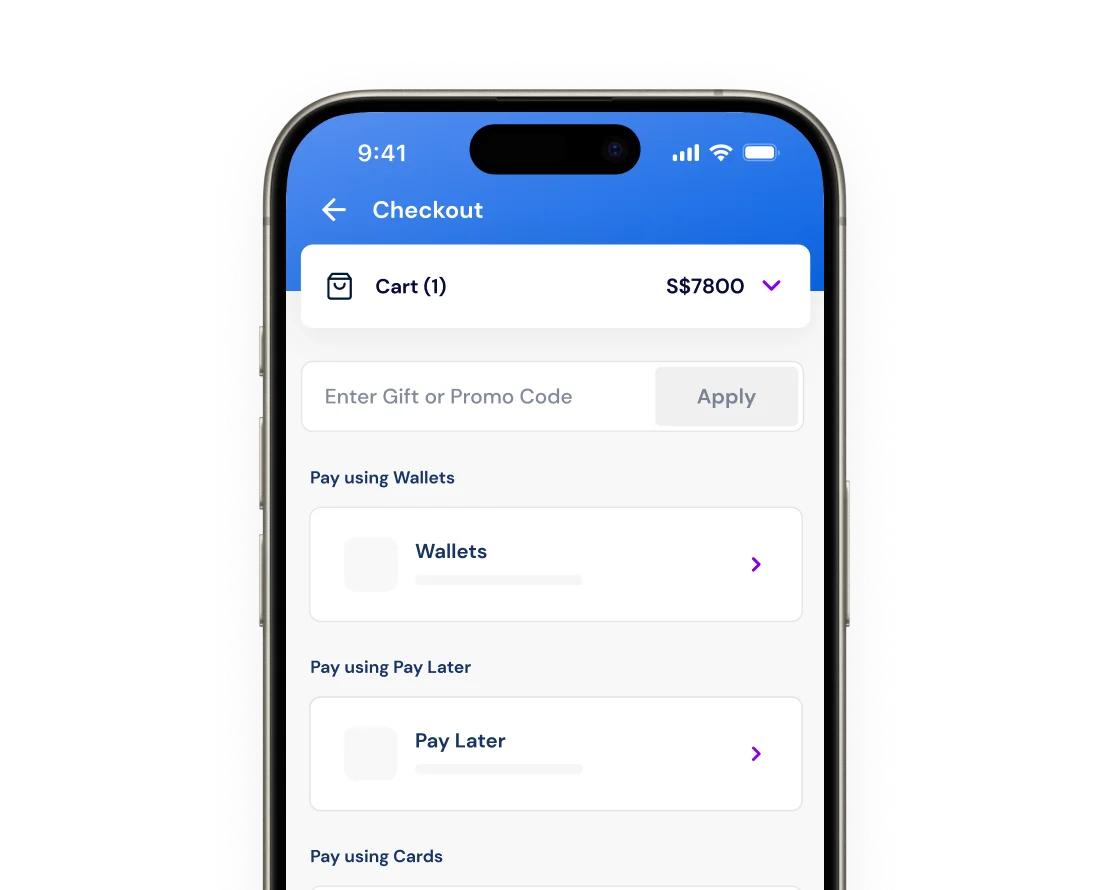
Multiple PSPs and alternate payment methods are integrated into a single platform rather than managed as separate integrations, which reduces the operational overhead of maintaining each connection individually. Real-time monitoring gives the team visibility into PSP performance as it changes, which is the mechanism that makes real-time rerouting possible during festive promotions and flash sales rather than only after an incident is reported.
Reducing Checkout Friction with Tokenization
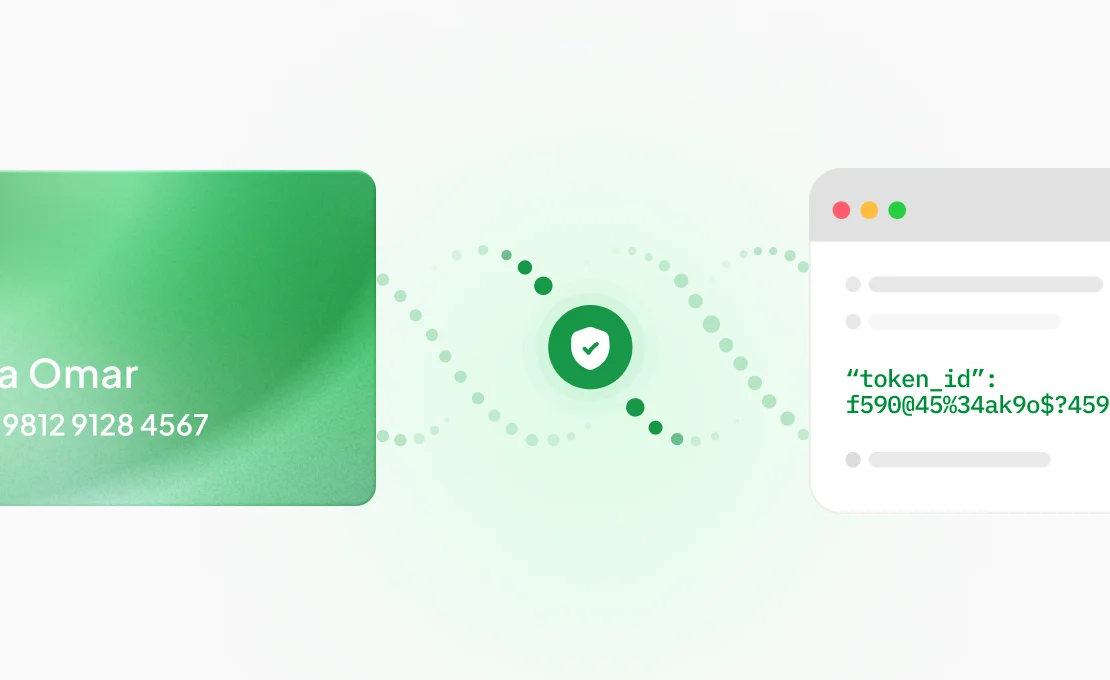
Repeat purchases are where checkout friction compounds fastest — a returning customer re-entering full card details at every transaction is exposed to more failure points and more abandonment risk than a first-time buyer. Juspay's Tokenization replaces stored card numbers with tokens, so returning customers complete one-click payments without re-entering card details, cutting the steps between intent and completed purchase.
Because actual card data never touches Tata CLiQ's servers, tokenization also reduces the platform's PCI compliance scope and fraud exposure, since sensitive card details are never stored or transmitted in raw form. Combined with auto-OTP, this is what reduces the friction most likely to cause cart abandonment on repeat transactions specifically.
Automating Multi-Source Reconciliation
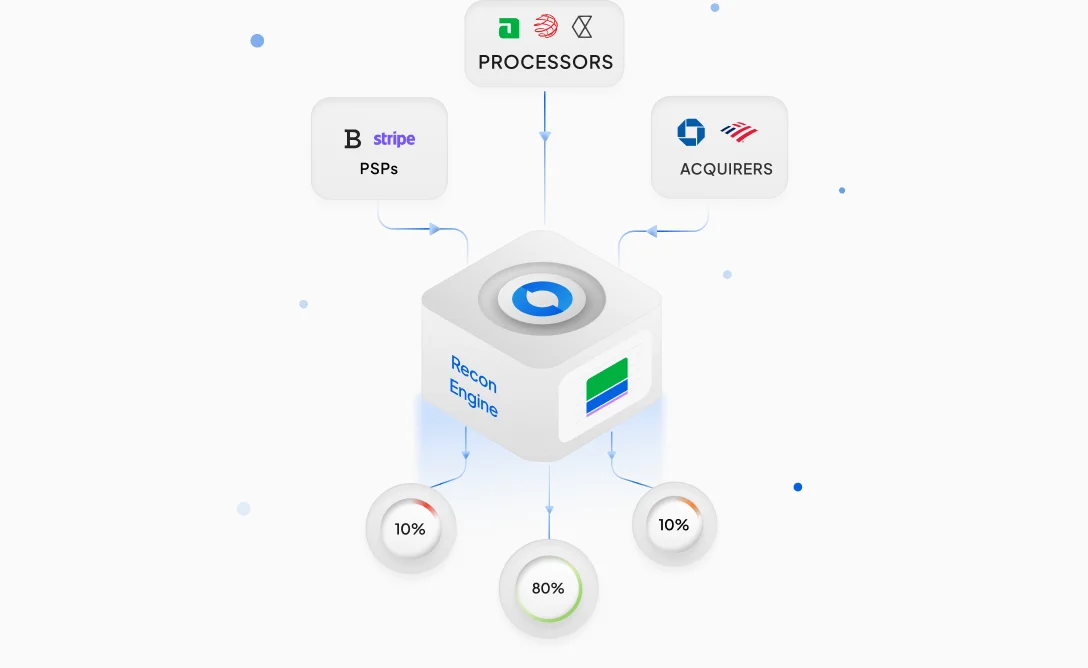
Reconciliation overhead scales with the number of PSPs and payment methods in use, since each source produces settlement data in its own format and on its own schedule. Juspay's Unified Reconciliation automates matching across PSPs, bank reports, and Tata CLiQ's internal systems, removing the manual cross-referencing that would otherwise fall to the operations team as PSP count grows.
Real-time reporting on transaction status means discrepancies surface immediately rather than at end-of-cycle reconciliation, which shortens the window for corrective action. A consolidated view across payment success rates, processing costs, and dispute resolutions gives Tata CLiQ a single reference point for payment performance instead of having to assemble it from each PSP's individual reporting.
Results: Higher Conversions, Improved Customer Experience
- Higher transaction success rates, including during peak-load events like flash sales and festive promotions, driven by dynamic PSP routing
- Reduced cart abandonment from tokenized one-click checkout and auto-OTP reducing friction on repeat purchases
- Higher engagement and sales from a faster, more reliable checkout flow
- Improved operational efficiency from automated multi-source reconciliation replacing manual settlement matching
Looking Ahead
Tata CLiQ plans to extend its payment infrastructure to cover more local payment methods as it expands into new regions. Express Checkout's routing logic extends to new PSPs and payment methods without requiring separate integration logic per processor, Tokenization continues to secure repeat transactions as the customer base grows, and Unified Reconciliation absorbs additional payment sources without adding proportional manual reconciliation work.