












Summary
GIVA is one of India's largest direct-to-consumer fine jewellery brands, selling silver, gold, and lab-grown diamond jewellery across its own platform, marketplaces, and 100+ retail stores. Its online catalog spans price points from under ₹1,000 to well above ₹15,000, which means a single checkout stack has to handle both low-consideration impulse purchases and high-value, high-scrutiny transactions with equal reliability. Card and bank-side friction at higher order values, coupled with the need to support a wide spread of payment methods across a fragmented D2C customer base, made checkout performance a direct driver of conversion and repeat purchase.
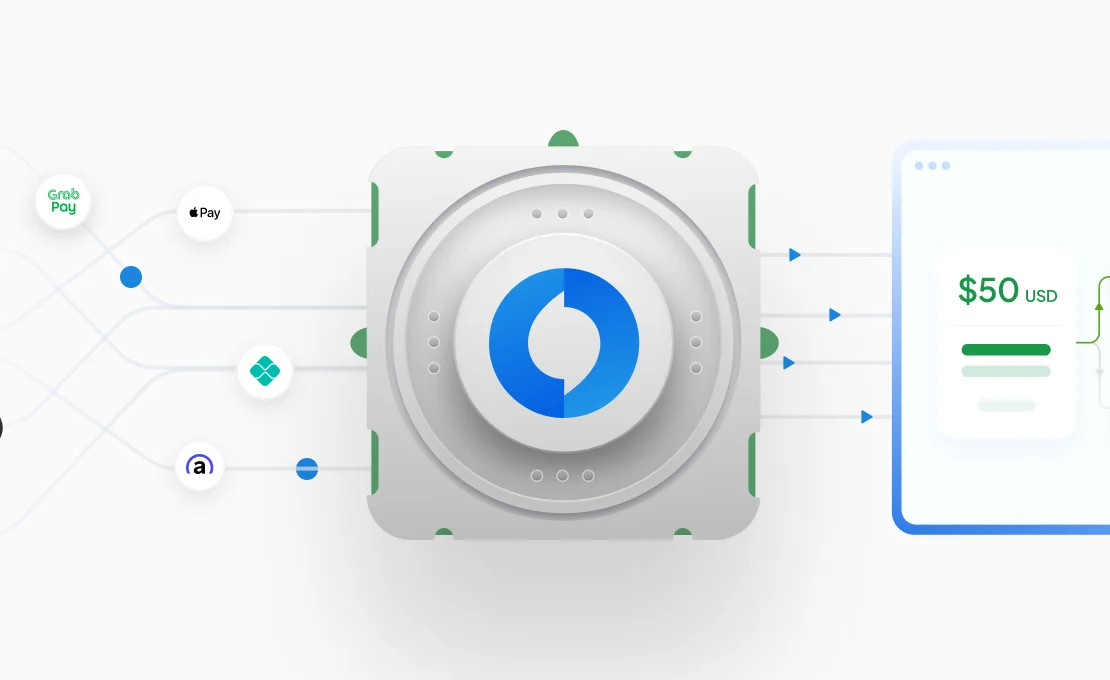
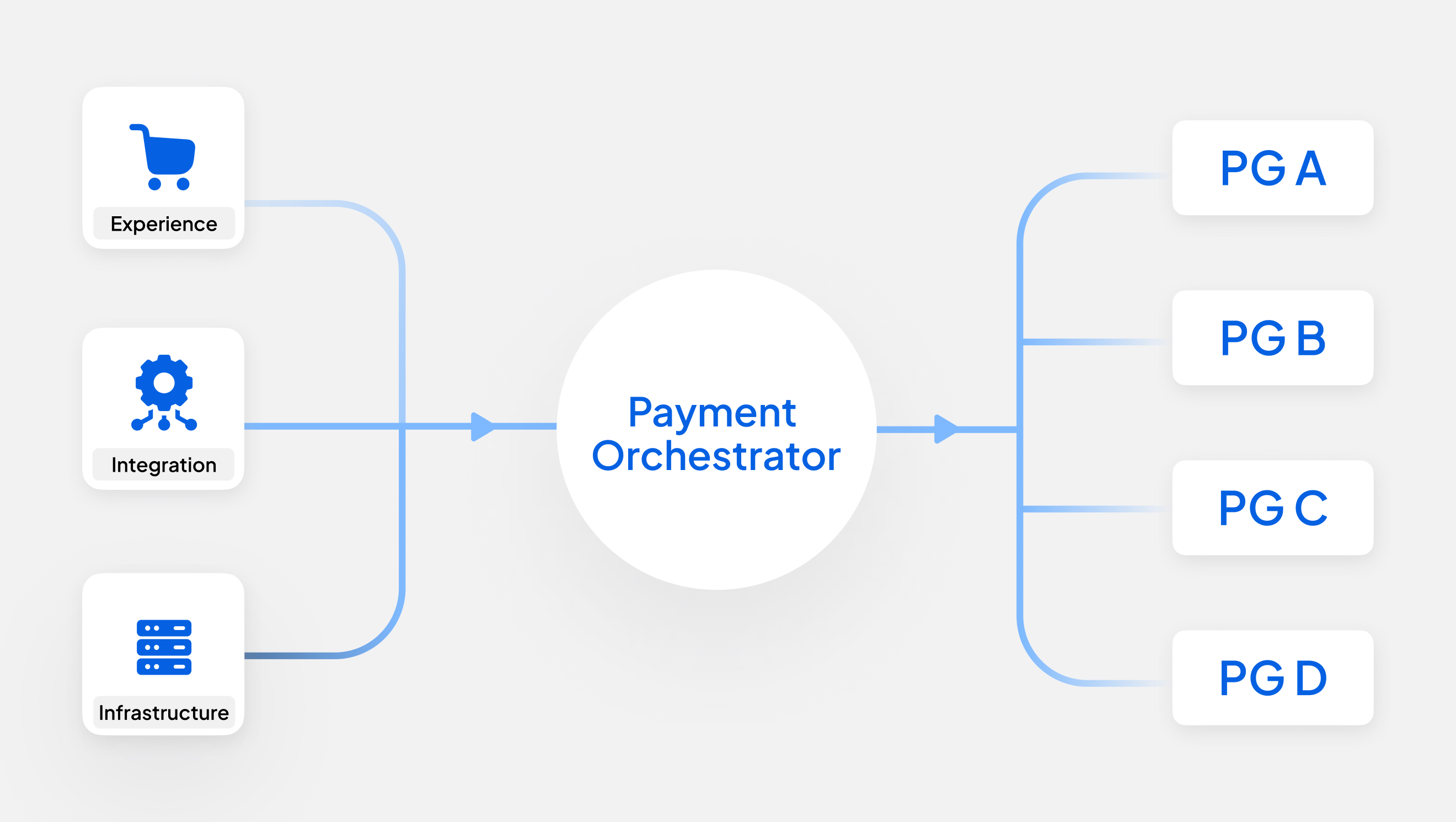
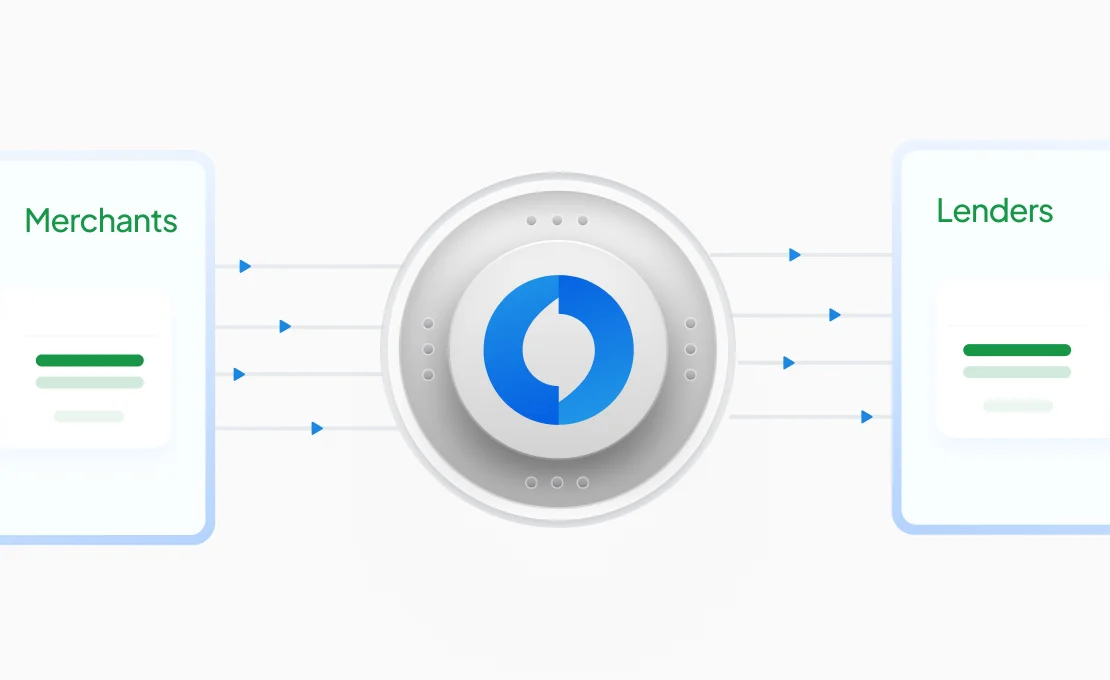
Juspay operates as GIVA's payment orchestration and checkout infrastructure layer. Payment Orchestration routes and retries transactions across PSPs to reduce failures at the point of payment, HyperCheckout standardizes the payment experience across GIVA's channels, and Tokenization & Vault stores payment credentials securely so returning customers can transact without re-entering card details. Together, these capabilities reduce checkout drop-off on high-AOV orders and give GIVA's payments team a single control point across payment methods instead of a patchwork of processor-specific integrations.
| What GIVA Needed | What Juspay Delivered |
| Broad payment method coverage for a diverse D2C customer base | Orchestration-layer support across cards, UPI, net banking, and wallets |
| Reliable checkout for high-value jewellery orders | Payment Orchestration with routing and retry logic across PSPs |
| A consistent payment experience across price points and channels | HyperCheckout as a unified checkout layer |
| Faster, friction-free repeat checkout | Tokenization & Vault for secure, reusable payment credentials |
Products Used
- Hyper Checkout
- Tokenization & Vault
GIVA built its business on making fine jewellery accessible online, expanding from an affordable 925 silver proposition to gold and lab-grown diamond categories, with price points that now range from under ₹1,000 to over ₹15,000. That spread creates a specific payments problem: the checkout stack has to perform consistently whether a customer is buying a ₹999 pendant on impulse or a ₹15,000+ gold piece that involves more deliberation and, often, more bank-side verification friction.
High-value transactions are more prone to issuer-side declines, risk holds, and authentication drop-offs than low-value ones, and a decline at this stage doesn't just lose a transaction — it erodes trust in a category where trust is already the primary purchase barrier. GIVA also sells across its own D2C site, marketplaces, and a growing offline retail footprint, which means payment behavior needs to stay consistent regardless of where a customer starts the journey. Handling this reliably across a fragmented PSP landscape, without building and maintaining processor-specific logic in-house, was the operational problem GIVA needed solved at the infrastructure layer.
Minimizing Cart Abandonment & Payment Failures
Payment method preference at GIVA shifts with order value. Customers buying higher-value gold or diamond pieces tend to reach for cards or net banking (that carry higher per-transaction trust and offer issuer-side credit options), while customers buying lower-value silver pieces more often default to UPI or wallets for speed. If a customer's preferred method isn't available or doesn't work reliably at checkout, the cart runs a risk of being abandoned. Juspay maintains consistent availability and uptime across cards, UPI, net banking, and wallets, so GIVA doesn't have to trade off support for one payment method against reliability of another, and customers can complete a purchase the way they intended to.
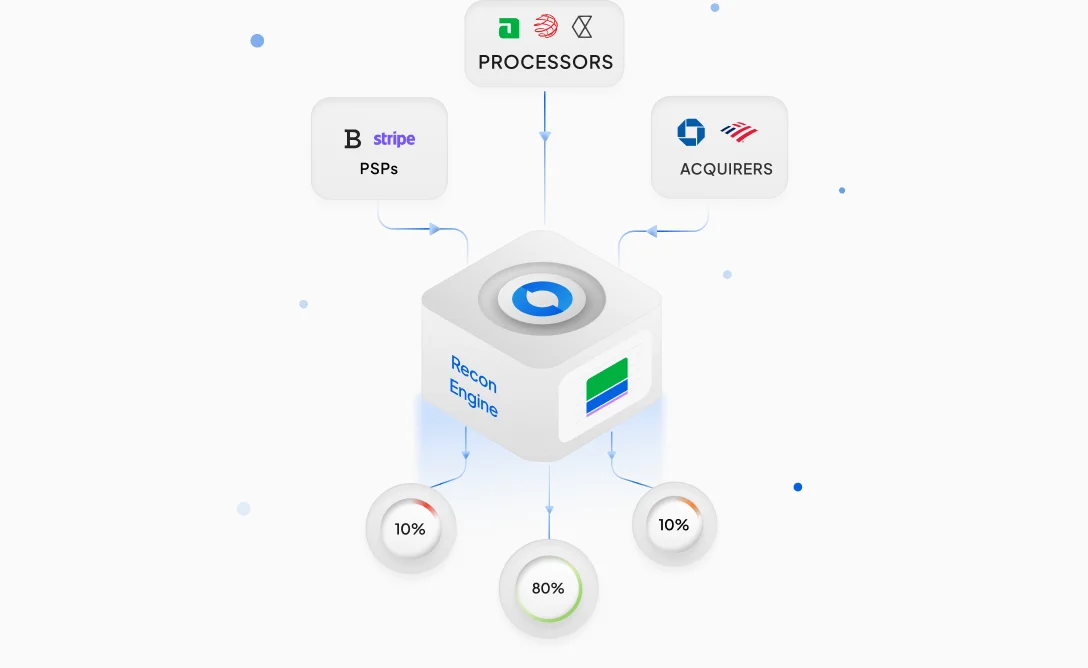
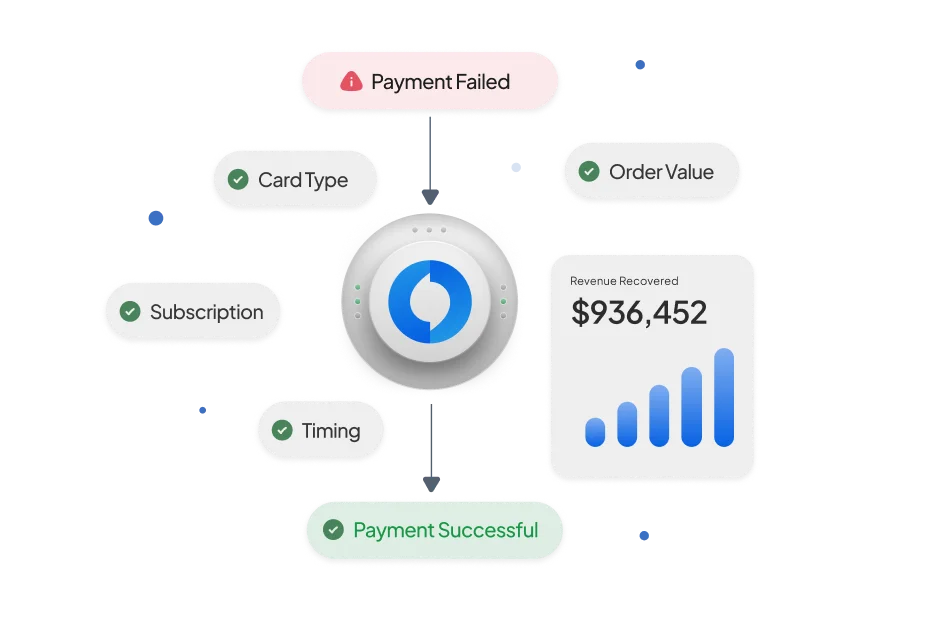
Beyond payment method availability, Juspay’s orchestration layer sits between GIVA's checkout and the underlying PSPs, routing each transaction based on real-time success-rate signals rather than a fixed, single-processor path. When a transaction is likely to fail — due to issuer load, PSP downtime, or a specific card network's momentary performance dip — orchestration can route around that failure point or retry through an alternate path before the customer sees a decline. This matters more at the top of GIVA's price range: a failed payment on a ₹15,000 order is a materially different loss event than a failed payment on a ₹999 one, both in revenue and in the trust cost of asking a hesitant buyer to retry. Routing decisions made at the infrastructure layer, rather than hardcoded into a single PSP integration, let GIVA absorb PSP-side variability and reduce failed payments without that variability reaching the customer.
Standardizing Checkout Across Channels
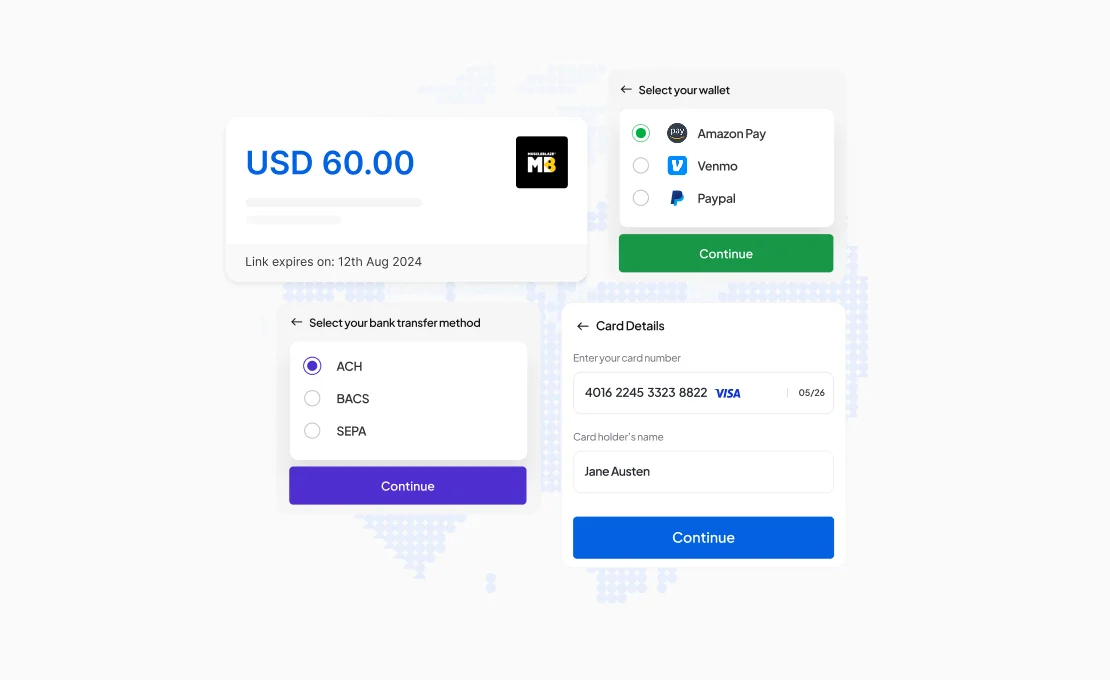
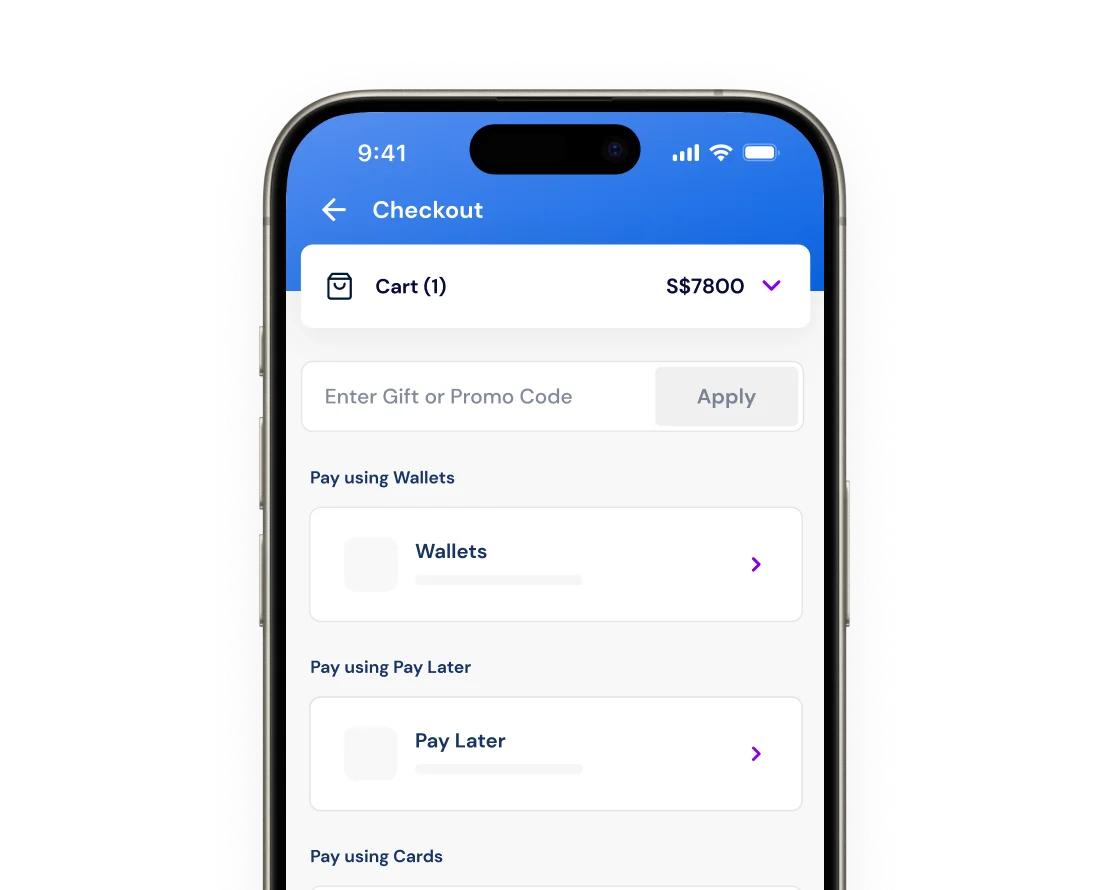
Juspay’s HyperCheckout gives GIVA’s customers a consistent checkout experience layer rather than separate integrations per payment method or channel. Instead of each payment option requiring its own UI treatment and backend handling, HyperCheckout abstracts that complexity so the checkout experience — payment method selection, form behavior, confirmation flow — stays uniform whether the customer is paying via card, UPI, or another supported method. For a D2C brand selling across its own site and multiple marketplaces, this reduces the engineering overhead of maintaining checkout parity and keeps the payment step from becoming a source of inconsistency between channels.
Enabling Faster Repeat Checkout Through Tokenization
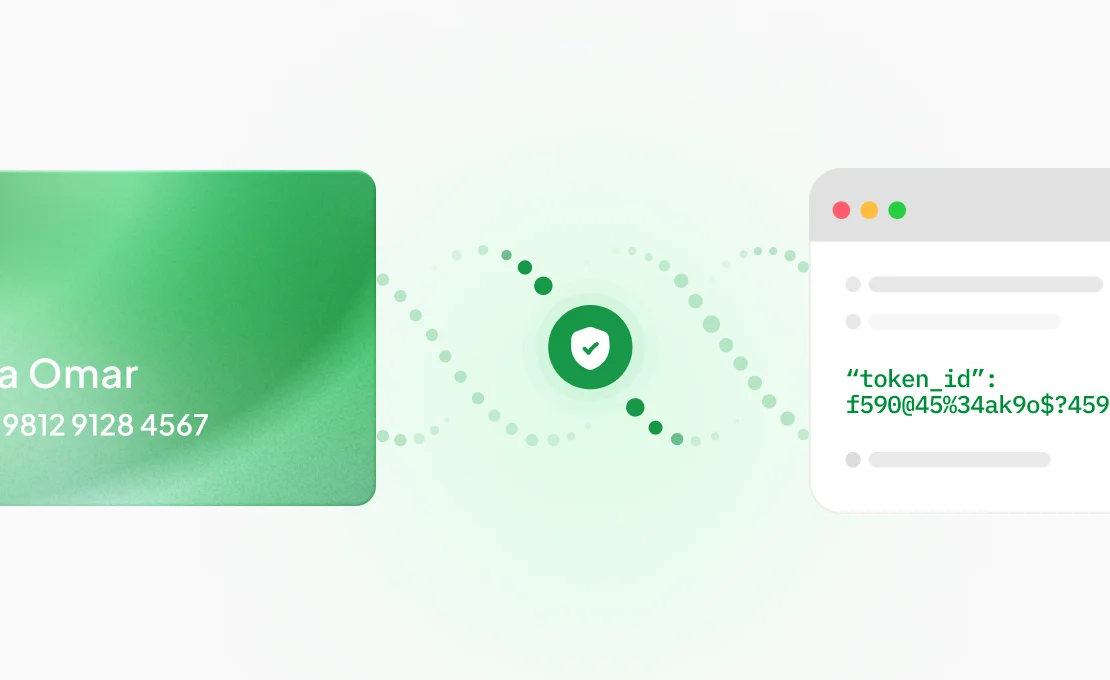
GIVA's customer base skews toward repeat purchase — jewellery is frequently bought as gifts, and daily-wear silver categories encourage return visits. Juspay’s tokenization stores payment credentials as reusable tokens rather than requiring customers to re-enter card details on every visit. This shortens the checkout path for returning customers and reduces the number of manual entry points where errors or abandonment typically occur. Because tokens are managed centrally rather than per-processor, GIVA retains a stored-credential experience for customers without being locked into a single PSP's tokenization scheme.
Results
- Reduced checkout friction on high-value orders through PSP-level routing and retry logic
- A consistent payment experience across GIVA's D2C site, marketplaces, and channels
- Faster repeat checkout for returning customers via stored payment credentials
- A single orchestration layer replacing the need for multiple direct PSP integrations
- Payments infrastructure that scales with GIVA's expanding price-point range, from everyday silver to gold and lab-grown diamond categories
Looking Ahead
As GIVA continues expanding its gold and lab-grown diamond categories alongside its retail footprint, checkout reliability at higher order values will remain a recurring infrastructure requirement rather than a one-time fix. Juspay's orchestration layer is designed to absorb PSP-level changes and payment method shifts over time, giving GIVA room to add payment methods or adjust routing logic without re-architecting checkout each time the payments ecosystem moves.