
















Introduction to payments orchestration in Saudi Arabia
Saudi Arabia’s digital payments ecosystem is evolving at extraordinary speed, driven by Vision 2030 and a national goal to achieve 80% cashless transactions by the end of the decade. Non-cash transactions already account for over 60% of all retail payments, reflecting a rapid cultural and technological shift across consumers and enterprises. This growth brings complexity: national rails like MADA and SADAD coexist with new digital wallets and BNPL options, creating integration and compliance challenges for large merchants.
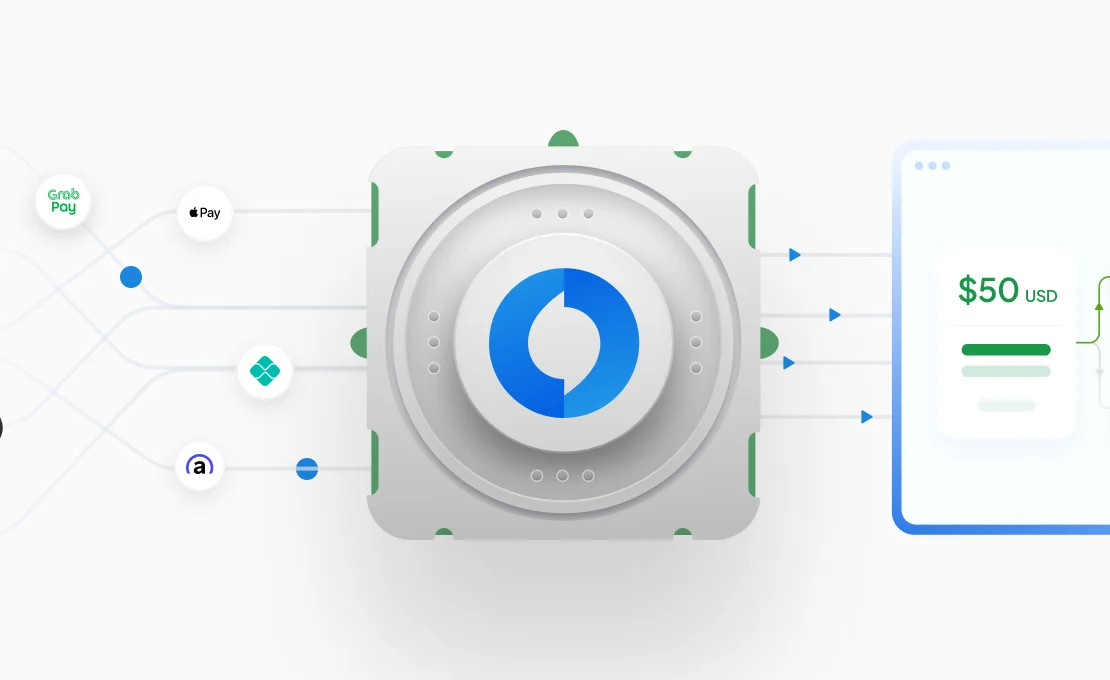
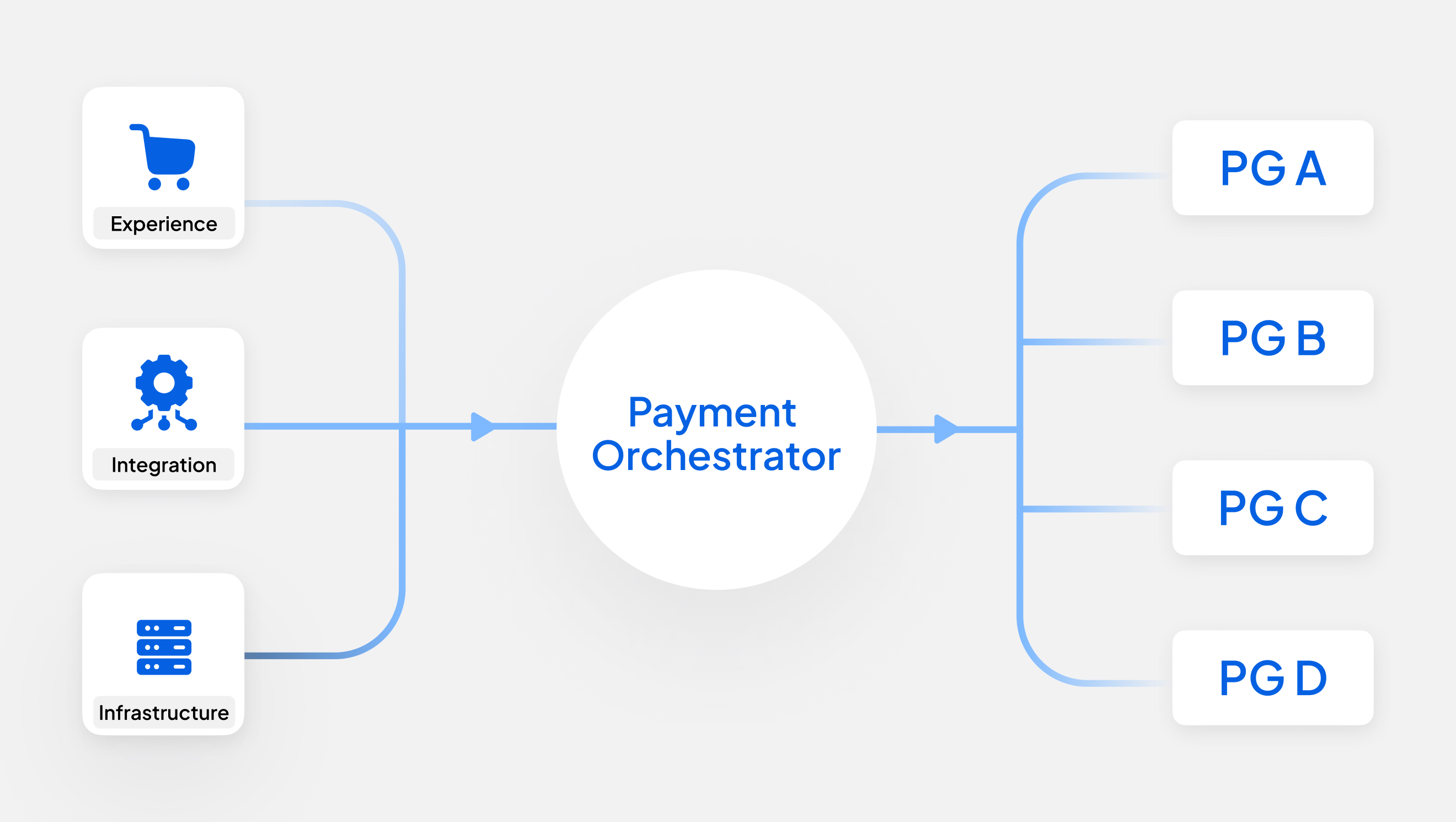
Payment orchestration is emerging as the solution to this fragmentation. It provides a unified technology layer that connects multiple payment service providers, banks, and methods via a single API, enabling seamless routing, compliance, and reconciliation. For Saudi enterprises aiming to manage growth, deliver frictionless customer experiences, and comply with digital payment regulations, orchestration is becoming mission-critical.
Overview of Juspay’s payments orchestration engine
Juspay’s payments orchestration engine powers more than 500 global enterprises and banks, processing on average 300 million transactions daily across $1 trillion in annualised GMV. It functions as a composable Global Payments Operating System that unifies every layer of the payment journey, including checkout, tokenisation, authentication, and reconciliation, through a single API.
Engineered for scalability and reliability, Juspay’s architecture delivers 99.999% uptime. It uses a zero-trust, cloud-native design built for bank-grade resilience and real-time performance. These principles anchor Juspay’s long-standing partnerships with global digital leaders such as Amazon and Google. The platform supports over 300 payment providers and methods, making it a trusted backbone for high-volume enterprises seeking a unified orchestration layer across the Middle East.
Addressing Saudi Arabia’s unique payments landscape
Local payment methods and national rails
Saudi Arabia’s payment ecosystem includes deeply entrenched national networks and fast-growing digital platforms:
| Payment Method | Market Share/Reach | Use Case |
| MADA | 93% share in card payments | Dominant debit card system |
| SADAD | 364M payments processed in 2024 | Bill payments and eCommerce |
| SARIE | Nationwide instant transfer system | Real-time fund transfers |
| STC Pay | 10M+ users | Leading e-wallet |
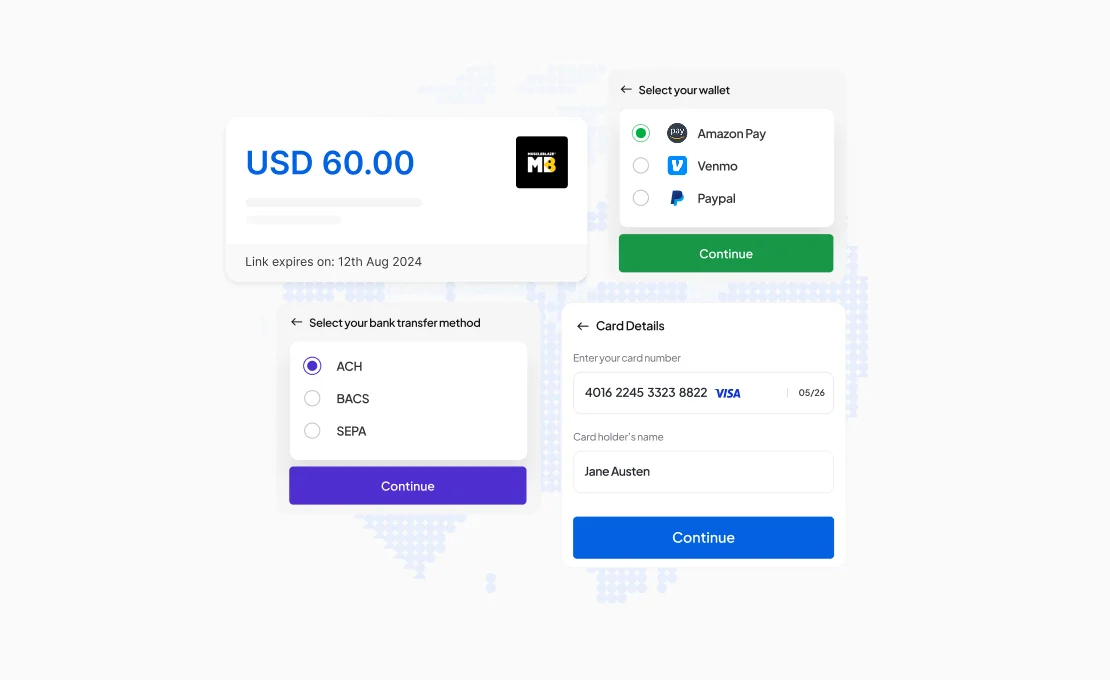
Integrating these rails individually is costly and time-consuming. Juspay simplifies this by enabling access through one API, allowing merchants to connect, route, and scale local payment options effortlessly across checkout and back-office operations.
Compliance and regulatory alignment
Saudi Arabia enforces strict regulations around data localisation, anti-fraud, and payment security. Juspay’s regulation-first design ensures compliance with PCI DSS, PSD2, SCA, and Saudi data residency laws. Its non-custodial SaaS model means Juspay never handles merchant funds. Instead, it serves as a secure technology layer that enforces data minimisation, local storage of sensitive assets, and adaptive fraud management aligned with Saudi standards.
Key features of Juspay’s orchestration engine for Saudi enterprises
Dynamic smart routing for higher authorisation rates
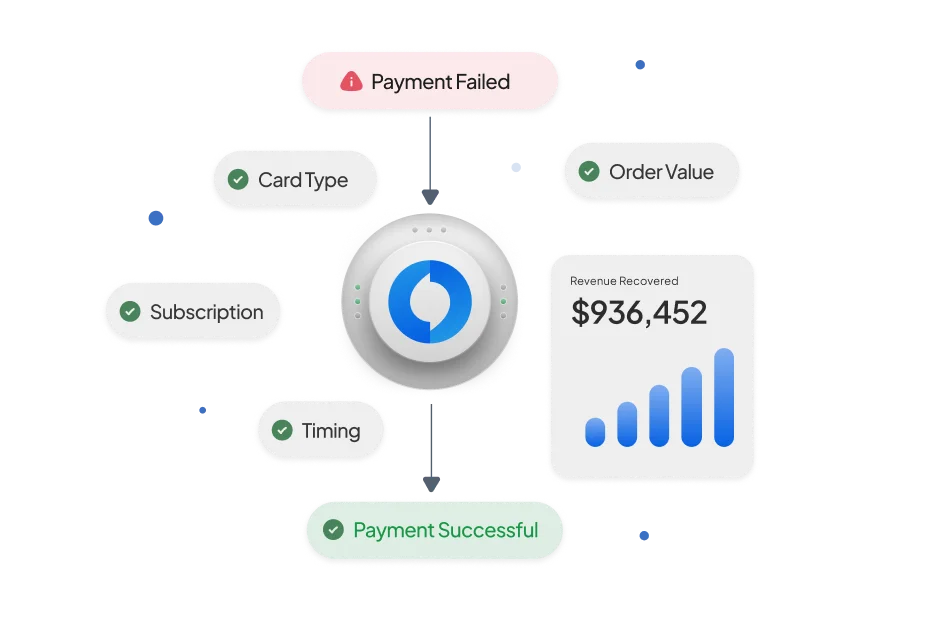
Dynamic smart routing allows each transaction to follow the most efficient path. Juspay’s intelligent routing engine analyses real-time performance data to automatically direct payments through the best-performing processor. This reduces decline rates and improves authorisation by 2–15%, driving higher conversion and revenue.
Tokenisation and network token vault for data security
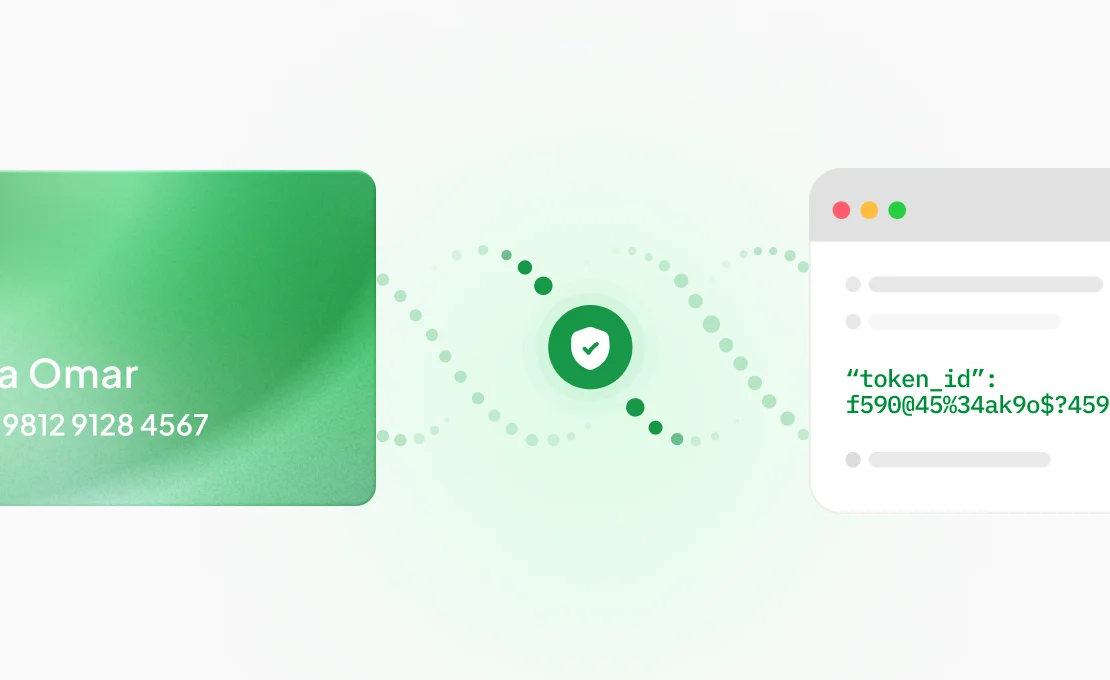
Juspay’s network token vault replaces raw card data with secure tokens. This protects sensitive information, reduces PCI scope for merchants, and enables recurring or subscription payments safely. Network tokenisation also enhances transaction success by maintaining updated credentials, reducing fraud exposure, and increasing approval rates.
Automated reconciliation and unified finance processes
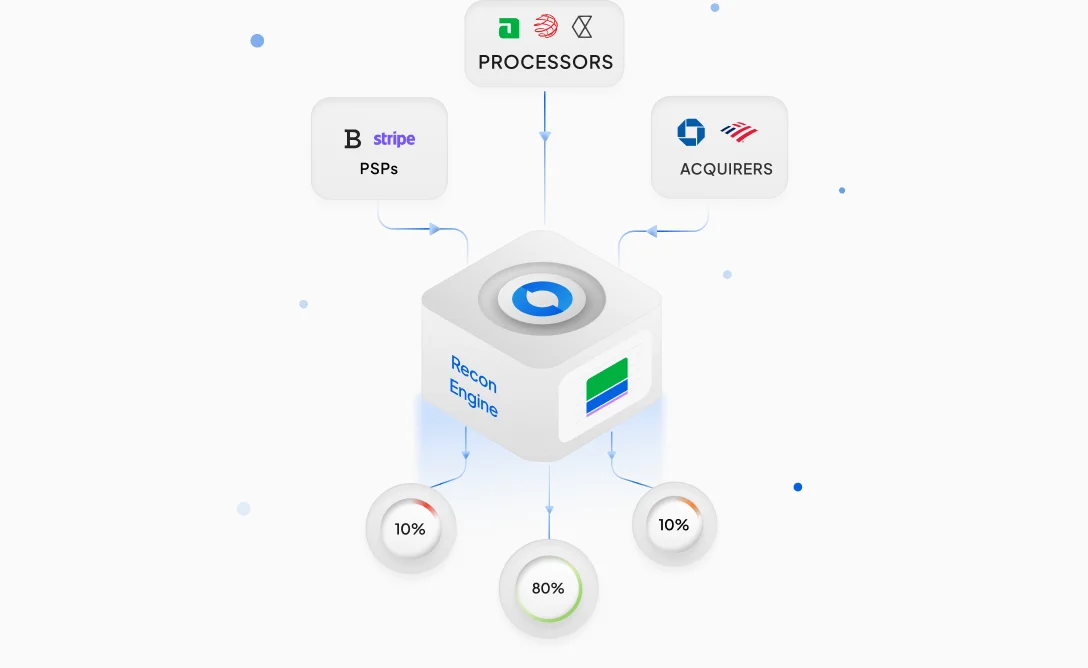
Reconciliation across multiple providers can be complex. Juspay automates three-way reconciliation between PSPs, banks, and merchant ledgers, providing unified visibility across refunds, chargebacks, and settlements. Multi-currency support and automated payouts reduce manual finance tasks and accelerate financial closure cycles.
Developer-first tools for seamless integration
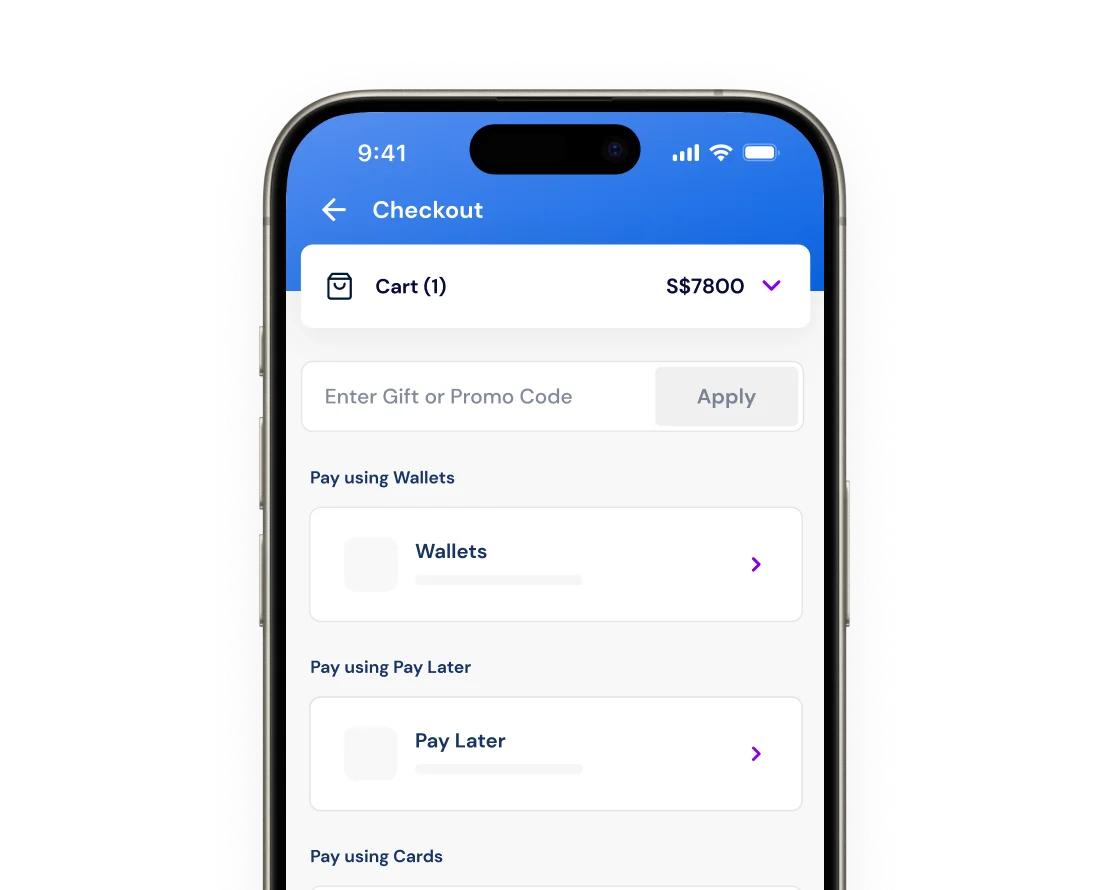
Built with modern engineering needs in mind, Juspay offers open APIs, developer SDKs, and no-code connectors for rapid implementation. HyperSDK enables one-click wallet payments and fully native, custom-branded checkout interfaces, allowing engineering teams to deliver superior user experiences without compromising speed or compliance.
Key developer features include:
- API-first design and test environments
- Multi-SDK library for iOS, Android, and web
- No-code plugin connectors for quick PSP onboarding
Global reach with local payment method support
Juspay’s orchestration engine supports routing across 150+ countries and integrates with over 300 PSPs. This global reach, combined with local payment method coverage, enables Saudi merchants to expand across GCC and international markets with a single API. Multi-currency acquiring, real-time settlements, and readiness for emerging payment schemes make Juspay a future-proof growth partner.
Top payment providers integrated with Juspay
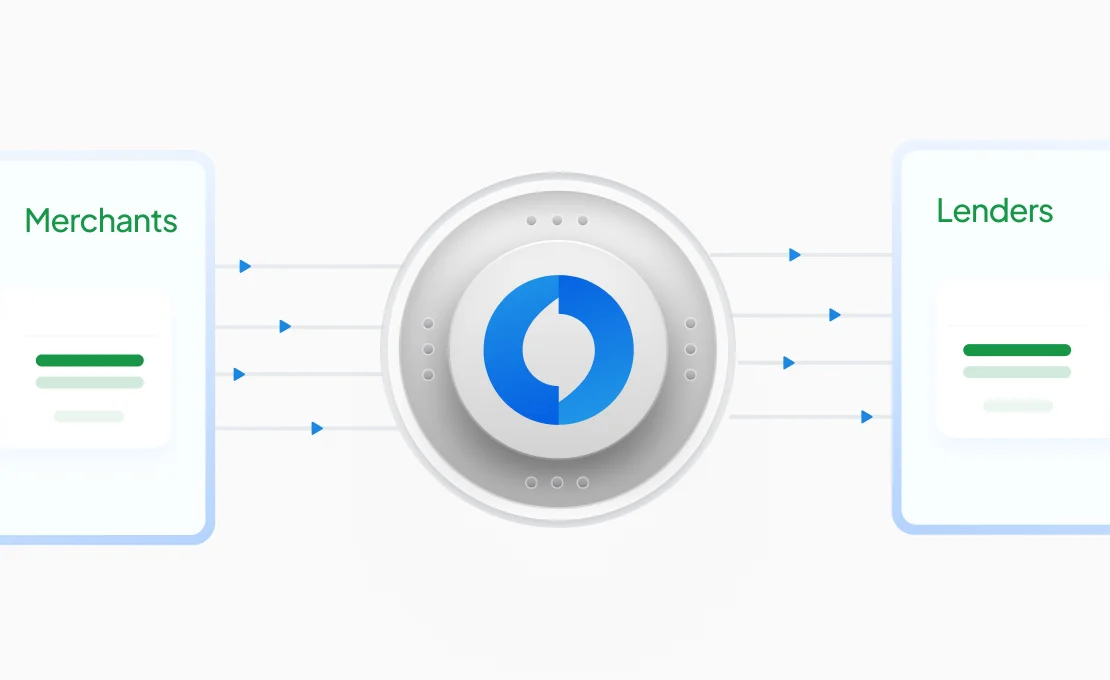
Juspay supports integrations with the major payment providers used across Saudi Arabia, enabling merchants to accept cards, local bank schemes, digital wallets, buy now pay later, and other regional payment methods through a single integration. Below are the prominent payment providers that merchants in Saudi Arabia can integrate with Juspay:
- HyperPay
- TAP (Tap Payments)
- MyFatoorah
- PAYFORT (Amazon Payment Services / PayFort)
- Geidea
- Paymob
- Tabby
- CareemPay
- Noon
- NGENIUS
- PayBy
- Checkout.com
- PayPal
- Stripe
Operational and commercial benefits for enterprise merchants
Improving acceptance rates and conversion uplift
Juspay’s smart routing and high-performance native checkouts deliver clear commercial outcomes. Enterprises typically see a 2–15% uplift in authorisation rates and improved cart conversions, directly increasing top-line revenue.
Enhancing reliability and uptime with active-active architecture
Juspay’s active-active infrastructure ensures continuous service even during peak transaction loads. Multiple geographically distributed instances operate simultaneously for uninterrupted availability.
| Metric | Traditional Setup | Juspay Orchestration |
| Uptime | ~99.5% | 99.999% |
| Failover | Manual | Automated, real time |
| Load Capacity | Static | Dynamic scaling (50,000 TPS) |
Reducing operational overhead and accelerating finance close
Automated reconciliation, chargeback management, and payout routing cut manual tasks and errors. Unified dashboards offer finance teams end-to-end visibility, speeding up financial close cycles and improving reconciliation accuracy across PSP networks.
Ensuring compliance, resilience, and scalability
Regulation-first design and data compartmentalization
Juspay embeds compliance and data security at the architectural level. Each deployment adheres to PCI DSS and Saudi data residency frameworks. Through data compartmentalization, sensitive information is locally segmented and minimised, reducing exposure and maintaining alignment with Saudi legal standards.
Multi-active architecture and failover mechanisms
Juspay’s multi-active, cloud-native setup provides real-time redundancy, geographic failover, and automated recovery. This design handles extreme loads and ensures business continuity during traffic surges, maintaining performance integrity.
Future-proofing against evolving payment regulations
Saudi Arabia’s payment rules are advancing with new digital rails and open banking frameworks. Juspay’s modular, API-first design allows merchants to adopt new payment types and comply with emerging mandates without major code changes, keeping their payment stack agile and compliant.
Strategic considerations for selecting a payment orchestration provider in Saudi Arabia
When evaluating orchestration partners, enterprises should assess:
- Coverage across national rails such as MADA, SADAD, and leading digital wallets
- Compliance with PCI DSS, PSD2, and Saudi data residency mandates
- Proven 99.999% uptime backed by active-active architecture
- Capability to support global expansion and cross-border routing
- Experience working with high-volume enterprises in the MENA region
A structured evaluation should include PSP coverage, security architecture, reliability SLA, and API flexibility. Juspay’s experience delivering reliable, composable infrastructure globally gives enterprises a clear foundation for scale and trust.
Future trends in payment orchestration for the Saudi market
Saudi Arabia is entering a new phase of digital commerce marked by wallet expansion, BNPL adoption exceeding 200% year on year, and real-time payments projected to grow at 17% CAGR through 2027. AI-based fraud detection, network tokenisation, and open banking integrations will define the next generation of payment infrastructure. For enterprises, implementing a robust orchestration layer like Juspay today ensures adaptability to these accelerating shifts.
Frequently Asked Questions
What is payment orchestration and how does it benefit Saudi merchants?
Payment orchestration unifies multiple payment providers and methods through a single API, simplifying compliance, routing, and operations across Saudi payment rails.
How does dynamic routing improve payment authorisation rates?
Dynamic routing intelligently sends each transaction to the highest-performing processor, reducing declines and improving authorisation in real time.
Why is tokenisation important for compliance in Saudi Arabia?
Tokenisation replaces card numbers with secure tokens, limiting data exposure and supporting PCI DSS and Saudi data residency requirements while mitigating fraud.
How can orchestration reduce operational overhead for enterprise payments?
Automation in reconciliation and refunds minimises manual effort, helping teams close financial cycles faster and with higher accuracy.
What should enterprises consider when integrating local payment methods?
Enterprises should ensure compatibility with MADA, SADAD, and key digital wallets, along with proven reliability, compliance readiness, and scalability delivered through trusted orchestration partners like Juspay.