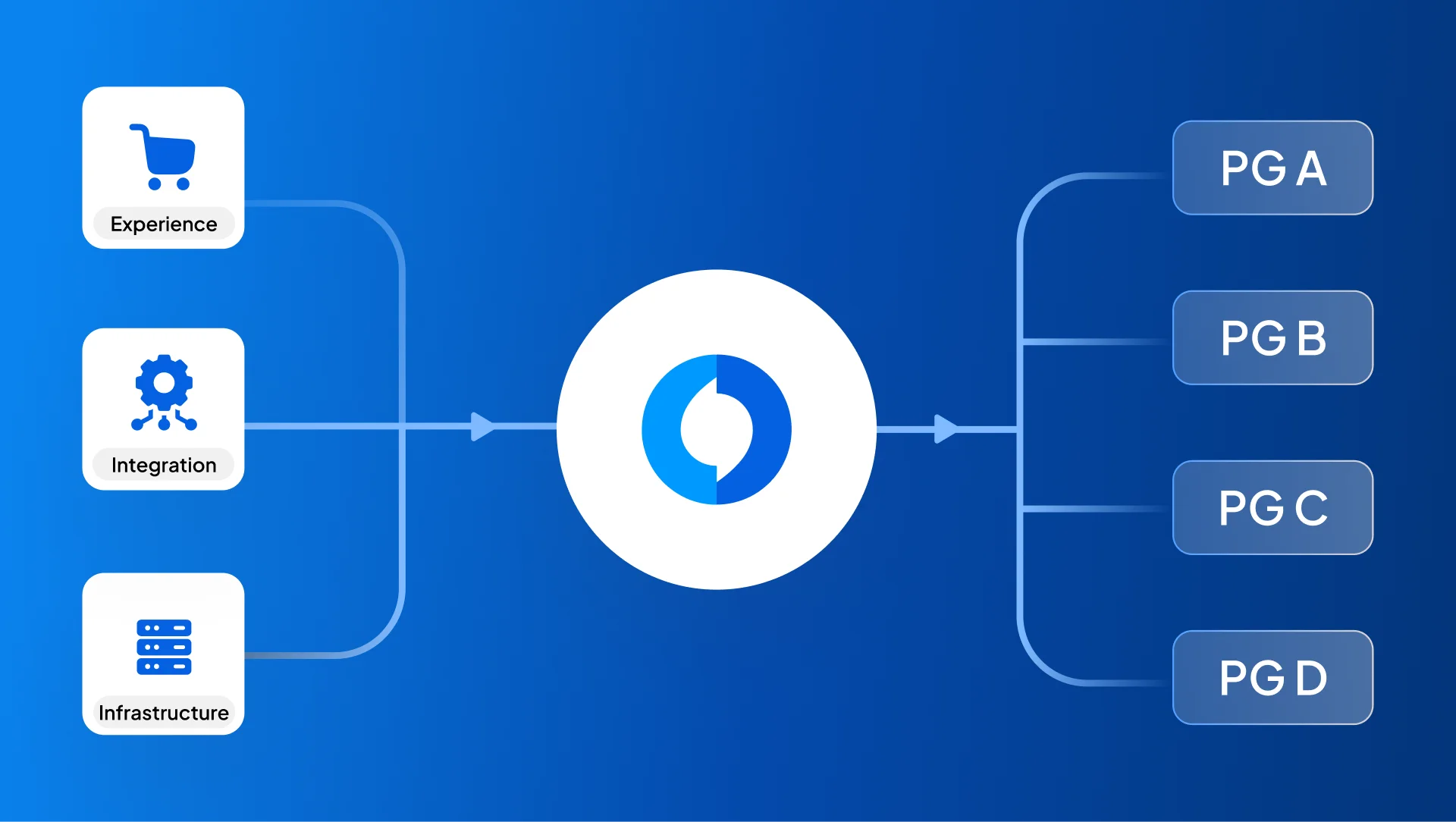
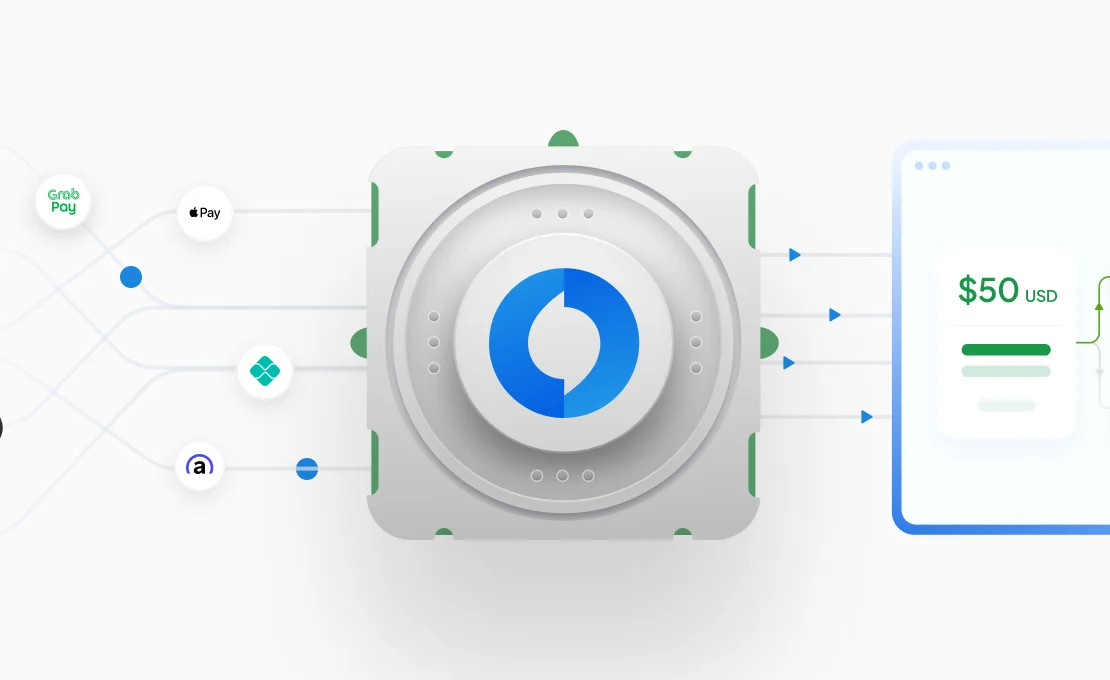

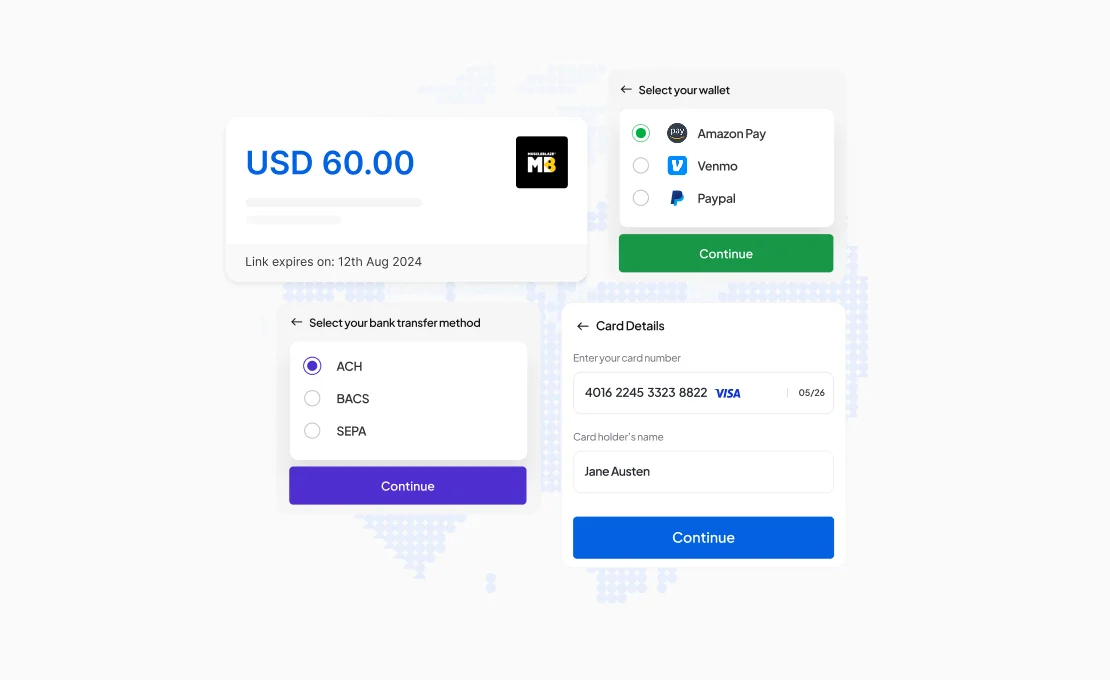
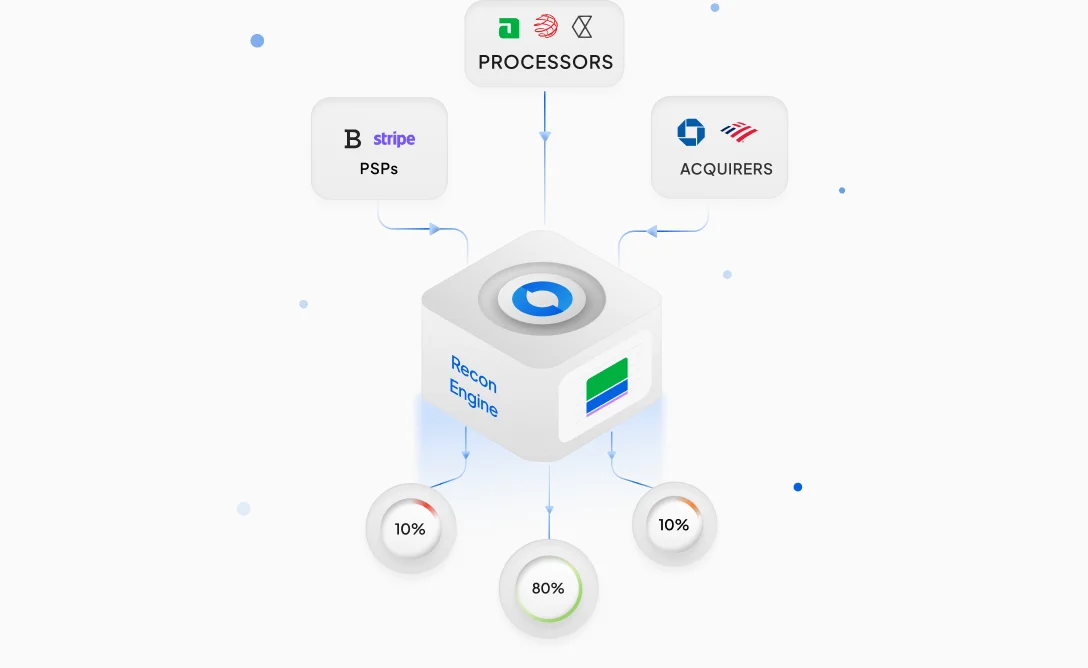
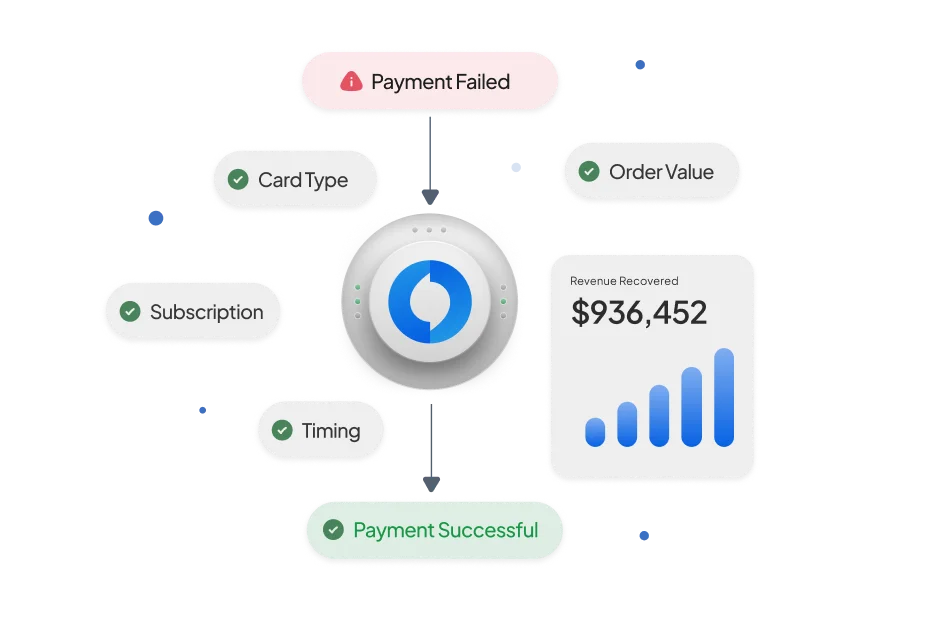


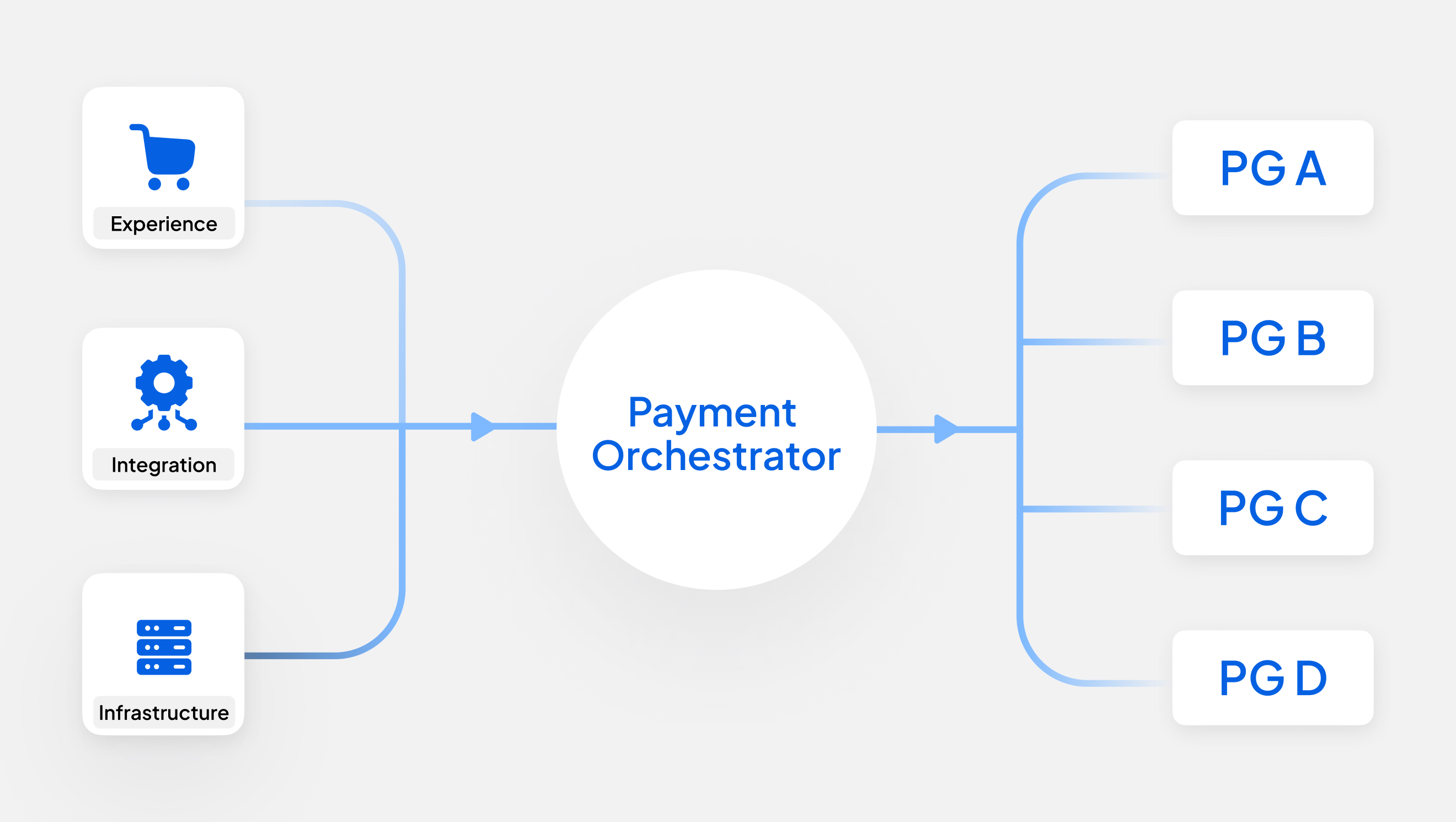








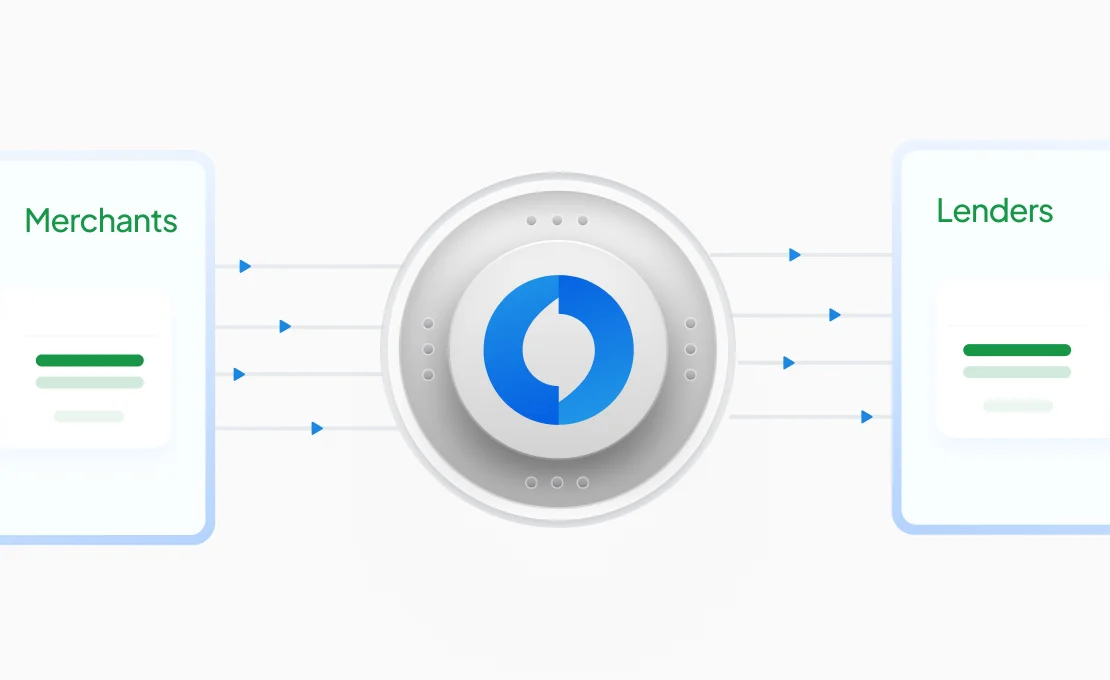
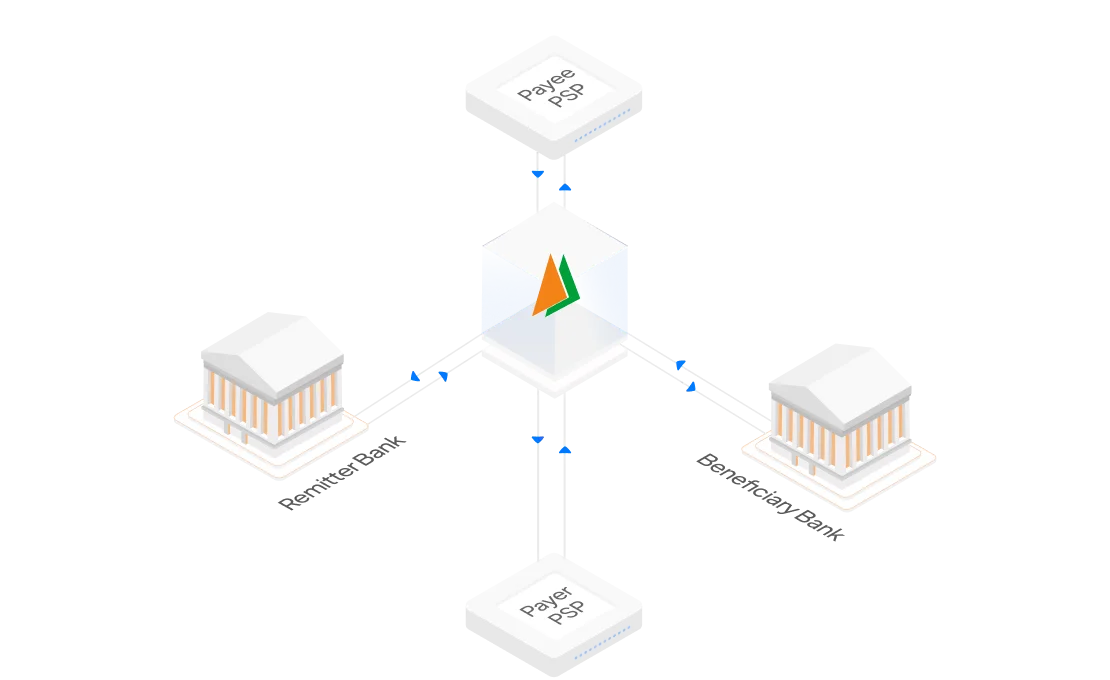




Payment orchestration is a middleware layer that sits above individual payment gateways, processors, and wallets, intelligently routing each transaction to the provider most likely to approve it, at the lowest cost, in real time. Rather than integrating separately with each acquirer, gateway, or local payment method, a merchant connects once to the orchestration layer, which manages hundreds of provider relationships on their behalf.
In practice, this means a single checkout can route a Visa transaction in Germany to an EU-optimized acquirer, a PIX transfer in Brazil to a domestic processor, and an e-wallet payment in Singapore to a Southeast Asia-specialist PSP; all automatically, without the merchant building or maintaining those integrations individually. For global merchants, this isn't operational convenience; it's the infrastructure that determines whether they win or lose in new markets.
The $250 Trillion Cross-Border Payment Opportunity; And the Leak in the Bucket
Global cross-border payment value is projected to reach $250 trillion by 2027, according to industry estimates. The global ecommerce market alone is anticipated to hit USD $6.8 trillion in 2026. For merchants expanding across borders, this represents an extraordinary growth window.
But the gap between potential and actual revenue is alarming.
According to PYMNTS data, 70% of U.S. firms experience higher failed payment rates in cross-border transactions than in domestic sales. Banks typically decline 5–15% of cross-border transactions, a rate far higher than domestic benchmarks.
Consumer expectations compound the problem: 99% of cross-border shoppers want to pay with their preferred local payment method, and 94% expect to pay in their own currency, according to cross-border payment research. Merchants who don't offer these options risk losing more than half of their potential buyers before checkout is even reached.
Payment orchestration directly addresses this gap. By dynamically routing transactions and supporting 300+ payment providers & methods across markets, from UPI in India to iDEAL in the Netherlands to PIX in Brazil, payment orchestration platforms like Juspay convert what would be failed or abandoned checkouts into completed purchases.
How Smart Routing Lifts Authorization Rates by 5–15%
The most immediate, measurable impact of payment orchestration is the lift in authorization rates. Smart routing, directing transactions to the provider most likely to approve them based on geography, currency, card BIN, issuer behavior, and historical performance data, consistently delivers meaningful improvements.
Merchants typically report an immediate 2–4% increase in authorization rates upon implementing payment orchestration, with continued optimization delivering 5–10% improvements over time. Across broader implementations, businesses can achieve a 10–15% increase in overall approval rates through smart routing.
The dollar impact at scale is substantial. On $200 million in annual payment volume, a 2% lift means approximately $4 million in additional approved sales. A 4% lift recovers roughly $8 million in revenue that would otherwise have been lost to unnecessary declines.
This happens because authorization failures are often not fraud, they're routing failures. A PSP that performs well domestically may trigger higher decline rates internationally due to issuer preferences, geographic risk scoring, or network latency. Orchestration solves this by maintaining real-time performance data on every provider in every market and routing accordingly, without any manual configuration by the merchant's engineering team.
The Hidden Cost of Running on a Single Payment Gateway
Most merchants begin their payments journey with a single gateway. It's simple, fast to integrate, and adequate for early-stage volumes. But as transaction volume grows and geographic scope expands, the single-gateway architecture silently erodes revenue in ways that don't show up on a P&L as "payment losses."
The hidden costs compound across four dimensions:
Authorization leakage. Without failover routing, a gateway outage or issuer-specific decline surge means every affected transaction is lost. There's no retry, no alternative path, no recovery. For high-volume merchants, even a 30-minute outage can mean hundreds of thousands of dollars in unrecoverable sales.
Processing cost overruns. Without competitive routing across multiple acquirers, merchants pay whatever rate their single provider charges, with no leverage and no optimization. Payment orchestration with dynamic routing reduces processing costs by up to 30% by selecting the most cost-effective provider for each transaction.
Market-entry delays. Entering a new geography on a single-gateway model typically requires months of new integration work, compliance review, and contract negotiation. Orchestration compresses this to days by leveraging existing provider relationships across the platform.
Local payment method gaps. Digital wallets now account for over 49% of global ecommerce transactions, according to payment market research from GlobeNewswire. A merchant without wallet support in Southeast Asia or real-time payment rails in LATAM is structurally excluded from large segments of the market; regardless of their product quality.
The payment orchestration platform market reflects how urgently businesses recognize this problem. The market is projected to grow from USD $2.65 billion in 2025 to $7.27 billion by 2031, at an 18.31% CAGR. The expansion of cross-border retailing and demand for scalable payment infrastructure are cited as the primary growth drivers.
2026 Is the Inflection Point: Why Waiting Costs More Than Moving
Three converging forces make 2026 the year orchestration shifts from "strategic investment" to table stakes for global commerce.
Real-time payment rails are now everywhere. UPI in India processes over 500 million daily transactions. Brazil's PIX handles more than 150 million transactions per day. FedNow has gone live in the US. Singapore's PayNow, Australia's NPP, and the UK's Faster Payments are fully operational. By 2026, any merchant operating across these markets without orchestration is manually managing an incompatible patchwork of rails, the engineering overhead alone becomes untenable.
Asia-Pacific, where real-time payment adoption is most mature, is now the fastest-growing region for payment orchestration at a 19.95% CAGR through 2031, according to Research and Markets. Cross-border instant transfers in APAC are forecast to reach 42% of flows by 2028. Merchants without orchestration capability will find themselves structurally disadvantaged in the world's highest-growth digital commerce markets.
AI-based routing is raising the floor. In 2024, orchestration vendors deploying AI-powered routing modules reported up to 12% reductions in authorization declines in high-volume categories like travel and digital subscriptions, according to GlobeNewswire's 2025 payment orchestration market report. As AI routing becomes standard, merchants still on static, rules-based configurations will face widening approval rate gaps against AI-optimized competitors.
Agentic commerce is arriving. The emergence of AI agents making autonomous purchasing decisions introduces a new class of transactions with different fraud profiles, authorization patterns, and compliance requirements. Merchants need the orchestration layer to apply distinct routing logic, risk controls, and provider selection for agentic transactions — something that is impossible to manage through a static gateway integration.
How Global Merchants Are Using Payment Orchestration to Win New Markets
Across verticals, the use cases for payment orchestration follow consistent patterns, each addressing a distinct failure mode of legacy payment stacks.
Travel and ticketing merchants operate in the highest-decline-rate environment in commerce. International card transactions for flights, hotels, and experiences routinely hit bank decline rates of 15–30%. Intelligent routing across acquirers, combined with real-time retry logic and 3DS authentication optimization, directly recovers revenue that would otherwise vanish in the booking funnel.
Subscription and SaaS businesses face a different problem: recurring billing failure. According to Stripe data, nearly 25% of all churn is attributable to failed payments, not customer dissatisfaction. Orchestration with smart retry logic and network tokenization, which keeps card credentials current even when physical cards are replaced, reduces involuntary churn before it reaches the customer.
Marketplace platforms serving multiple geographies must support local payment preferences for each market while maintaining a consolidated settlement view. Orchestration handles the per-market payment method complexity while delivering unified reporting and reconciliation; the combination that makes multi-country marketplace operations economically viable.
Enterprise retail expanding into emerging markets encounters low card penetration alongside high mobile payment adoption. In markets where over 70% of shoppers would abandon a cart if their preferred local payment method isn't available, orchestration's local payment method breadth becomes a direct conversion driver.
Payment Orchestration vs. Single Payment Gateway: A Direct Comparison
The distinction between a payment gateway and a payment orchestration platform is not a matter of degree; it's a fundamental difference in architecture, capability, and commercial outcome.
| Capability | Single Payment Gateway | Payment Orchestration Platform |
| Provider connections | 1 | 70–300+ |
| Smart routing | ❌ Static configuration | ✅ AI/ML-driven, real-time |
| Failover on decline | ❌ Transaction lost | ✅ Automatic re-route to alternative |
| Local payment methods | Limited (typically 10–30) | 150–300+ (wallets, RTP rails, BNPL) |
| Cross-border optimization | ❌ Single acquirer for all markets | ✅ Market-specific provider selection |
| Authorization rate uplift | Baseline | +5–15% vs. single-gateway |
| Processing cost optimization | None (fixed rate) | 10–30% reduction via routing |
| Network tokenization | Varies | ✅ Included in enterprise platforms |
| PCI compliance scope | Merchant-managed per gateway | Centralized via orchestration layer |
| New market entry time | Weeks–months per market | Days via existing integrations |
| Engineering overhead | Grows with each integration | Single integration, maintained by platform |
For merchants processing over $1–2 million annually in volume, the economics of this comparison are unambiguous: the revenue recovered through authorization rate improvement and lower processing costs far outpaces the cost of orchestration in the first year.
What to Look for in a Payment Orchestration Platform in 2026
Not all payment orchestration platforms are equal, and the selection criteria have evolved as the technology has matured. For global merchants evaluating options, five capabilities define enterprise-grade orchestration in 2026:
Multi-provider breadth. The platform should support 300+ payment methods and acquirers across all target markets without requiring the merchant to negotiate individual contracts. Provider coverage is the prerequisite for intelligent routing, you can only route to providers that are already integrated.
Real-time AI routing. Static rule-based routing was the 2020 standard. In 2026, the expectation is ML-based routing that dynamically selects providers based on real-time performance data, issuer-level approval patterns, and transaction-specific signals. AI-based routing modules have demonstrated up to 12% decline reductions over rules-based alternatives.
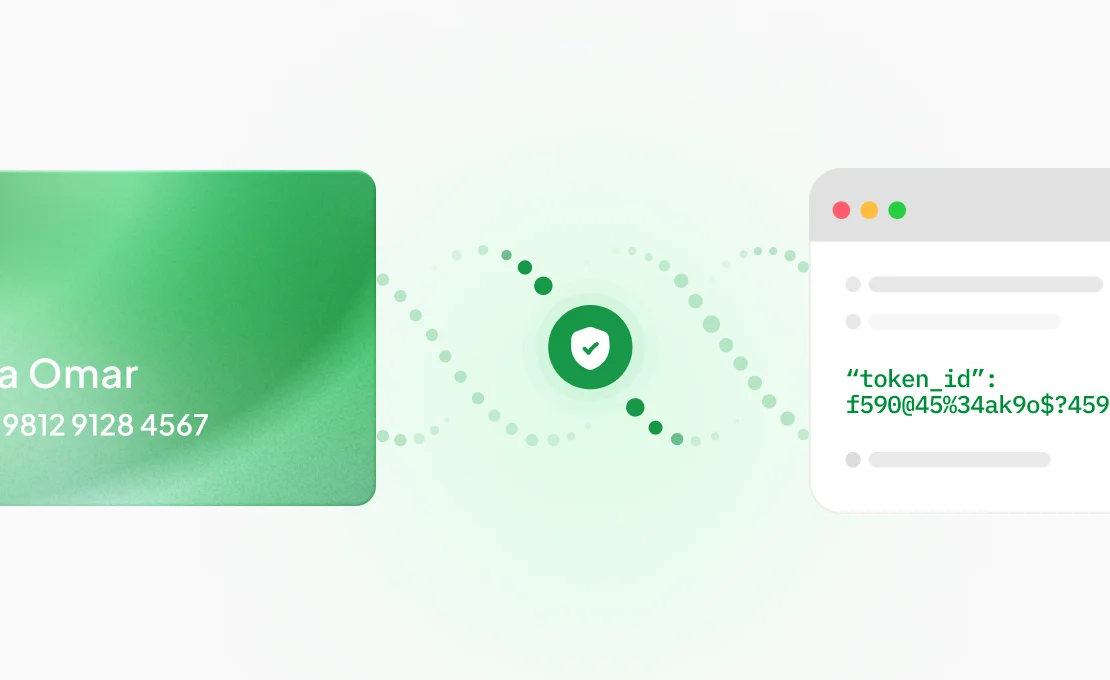
Network tokenization and vault. Tokenization replaces raw card data with network tokens, improving authorization rates by reducing fraud-related declines and keeping credentials current through card replacements. PCI-compliant token vaults are now an expected component of any enterprise orchestration stack.
Global 3DS authentication. SCA requirements vary by region, and misconfigured 3DS is a leading cause of unnecessary friction and decline. Enterprise orchestration platforms should handle authentication across card networks and regions, balancing security with conversion optimization.
Engineering reliability. For high-volume merchants, uptime is not a feature, it's the cost of operation. Five-nines reliability (99.999% uptime), multi-active data center architectures, and automated failover are the minimum standard for production deployments at scale.
How Juspay Delivers Payment Orchestration at Global Scale
Juspay is a global payments operating system processing 300 million transactions daily across 150+ countries, with USD $1 trillion in annualized payment volume and 99.999% platform uptime. That infrastructure wasn't built in a lab; it was forged in the world's highest-volume real-time payments market, then extended to serve merchants and banks across Southeast Asia, Europe, the Middle East, Latin America, and North America.
What distinguishes Juspay as a payment orchestration provider is the depth of what sits beneath the product. The platform runs on a multi-active active architecture with no single point of failure across data centers, a horizontally scalable caching layer to absorb traffic spikes without degradation, and an engineering-first deployment framework where new releases roll from 1% of traffic progressively, automatically benchmarking against stable versions and rolling back if performance drops. For merchants whose revenue depends on uptime, this isn't a feature list; it's the operational baseline.
Juspay's global footprint spans offices in Singapore, Dublin, San Francisco, Dubai, and São Paulo, meaning the teams supporting cross-border payment optimization have on-the-ground expertise in each major market, not just remote access to APIs. A merchant expanding from Southeast Asia into Europe works with a team that understands SCA requirements, local acquirer relationships, and the specific authorization dynamics of each corridor.
The breadth of Juspay's enterprise portfolio reflects this global, multi-market capability: Amazon, Google, HSBC, Agoda, Zurich Insurance, and 500+ enterprise merchants and banks trust Juspay to power their payment stacks at scale. The trust of these organizations isn't a credential — it's evidence that the platform performs under the conditions that matter most: high volume, high stakes, multiple geographies, and zero tolerance for downtime.
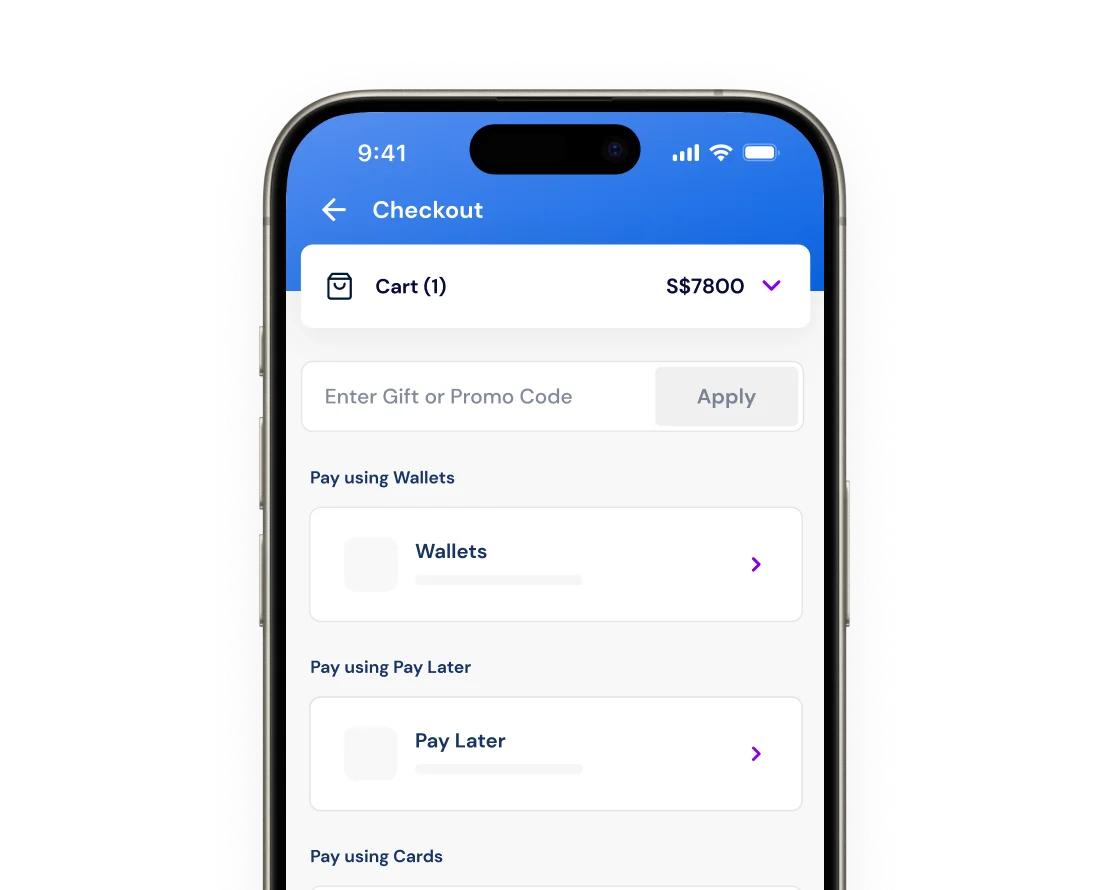
Payment orchestration at Juspay also extends into the customer-facing layer: fully branded, native checkout experiences with language localization, dynamic currency conversion, and merchant-customized layouts that feel native to each customer's market, not a generic widget dropped into a payment page.
Key Takeaways
- Payment orchestration is a middleware layer that intelligently routes each transaction to the provider most likely to approve it across gateways, acquirers, wallets, and local payment methods globally.
- Cross-border payment failure rates are 5–15% higher than domestic benchmarks; smart routing consistently recovers 5–15% of this gap through provider optimization.
- On $200M in annual volume, a 4% authorization rate improvement from orchestration represents approximately $8M in recovered revenue annually.
- The global payment orchestration platform market is growing from $2.65 billion in 2025 to $7.27 billion by 2031 at an 18.31% CAGR, driven by cross-border ecommerce, real-time payment adoption, and AI-powered routing.
- Three forces make 2026 the decisive year: ubiquitous real-time payment rails, AI routing as a competitive standard, and the arrival of agentic commerce requiring programmable transaction controls.
- Juspay is a global payments operating system processing 300 million daily transactions across 150+ countries with 99.999% uptime — offering enterprise-grade payment orchestration built on infrastructure battle-tested in the world's highest-volume real-time payments market, with offices in Singapore, Dublin, San Francisco, Dubai, and São Paulo.
Frequently Asked Questions
What is payment orchestration and how does it work?
Payment orchestration is a technology layer that sits above payment gateways and processors, intelligently routing each transaction to the provider most likely to approve it based on real-time data. It connects a merchant to hundreds of payment methods and acquirers through a single integration, handling routing, failover, retries, and analytics automatically. Merchants using orchestration typically see 5–15% improvements in authorization rates and 10–30% reductions in processing costs.
Why do global merchants need payment orchestration in 2026?
In 2026, global merchants face three compounding pressures: ubiquitous real-time payment rails requiring multi-rail support, AI-based routing raising the bar on authorization rates, and the emergence of agentic commerce demanding programmable transaction controls. A single-gateway setup can't address any of these. Orchestration is the infrastructure layer that makes multi-geography, multi-method payment operation economically and technically viable.
How much can payment orchestration improve authorization rates?
Smart routing typically delivers an immediate 2–4% improvement in authorization rates upon implementation, with continued optimization achieving 5–10% gains over time. Merchants in specific markets report more dramatic lifts: one Brazil deployment saw authorization rates rise from 74% to 85% within 60 days. On high-volume merchant accounts, even a 2% improvement translates to millions of dollars in recovered revenue.
What payment methods does a global orchestration platform need to support?
For global reach in 2026, an orchestration platform must support major card networks (Visa, Mastercard, Amex), real-time payment rails (UPI, PIX, FedNow, PayNow, Faster Payments), digital wallets (Apple Pay, Google Pay, Alipay, GrabPay), buy-now-pay-later options, and direct bank transfers. Digital wallets now account for over 49% of global ecommerce transactions, orchestration platforms without comprehensive wallet support structurally exclude merchants from large market segments.
How does Juspay differ from other payment orchestration platforms?
Juspay is a global payment orchestration provider with on-the-ground presence in Singapore, Dublin, San Francisco, Dubai, and São Paulo, offering orchestration built on infrastructure processing 300 million daily transactions across 150+ countries at 99.999% uptime. Unlike point solutions, Juspay combines intelligent routing, network tokenization, a global 3DS authentication suite, and a native checkout experience layer in a single platform, trusted by enterprises including Amazon, Google, HSBC, and Agoda at global scale.
How does payment orchestration reduce cross-border payment failures?
Cross-border payments fail more frequently than domestic transactions because issuers apply stricter risk scoring to international transactions, and many gateways are not optimized for specific geographic markets. Orchestration solves this by routing each cross-border transaction to the acquirer with the strongest approval history in that specific market, applying localized 3DS authentication where required, and automatically retrying with alternative providers on soft declines. The result is materially higher authorization rates on the same underlying customer transactions.