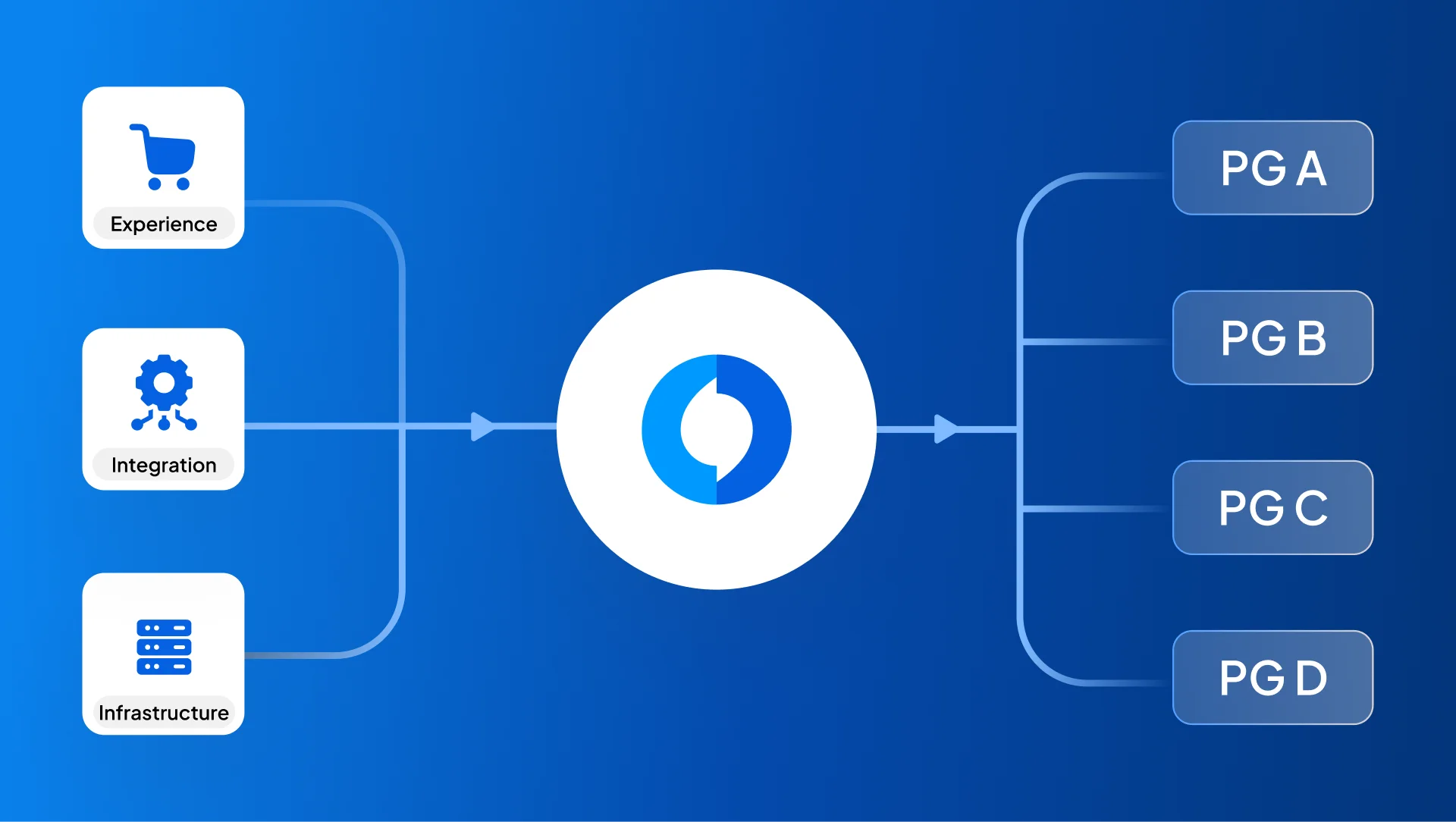
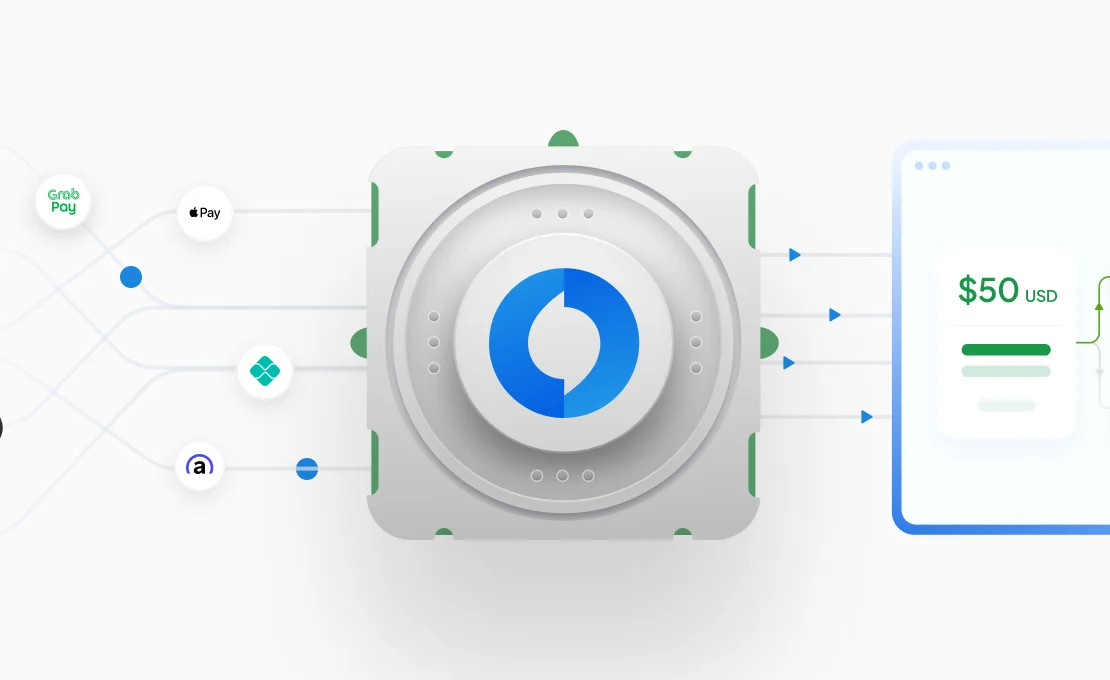

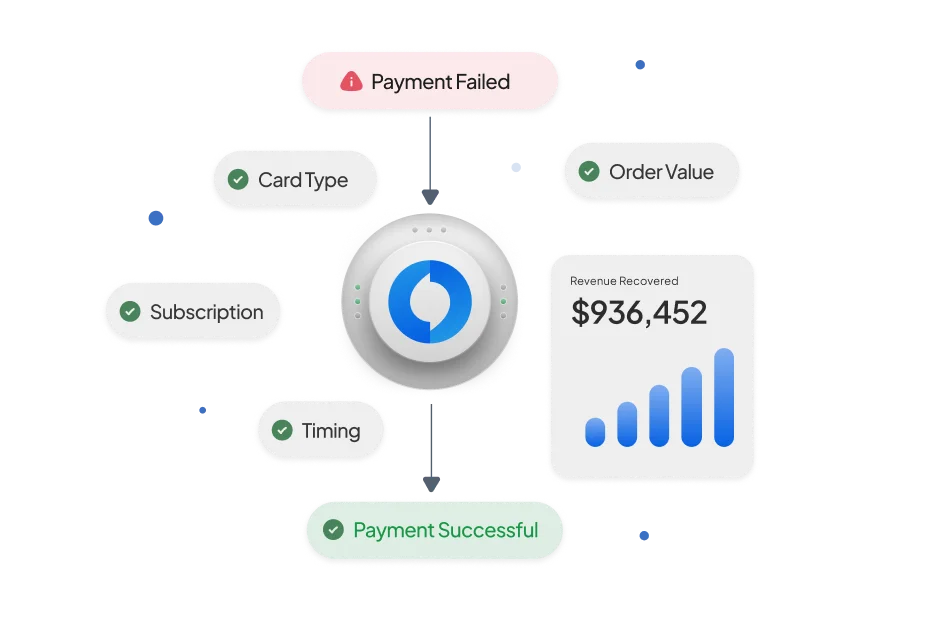


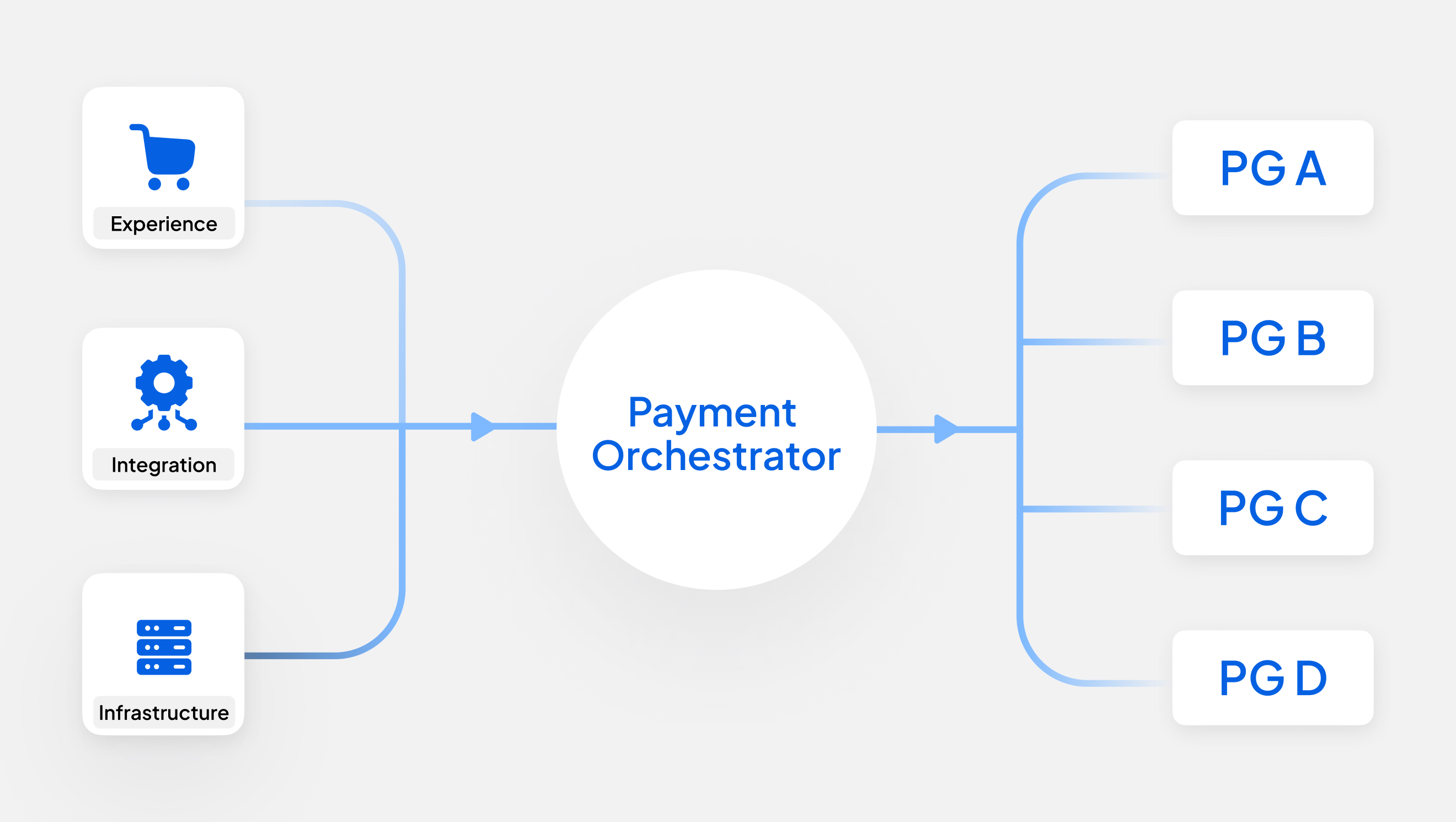








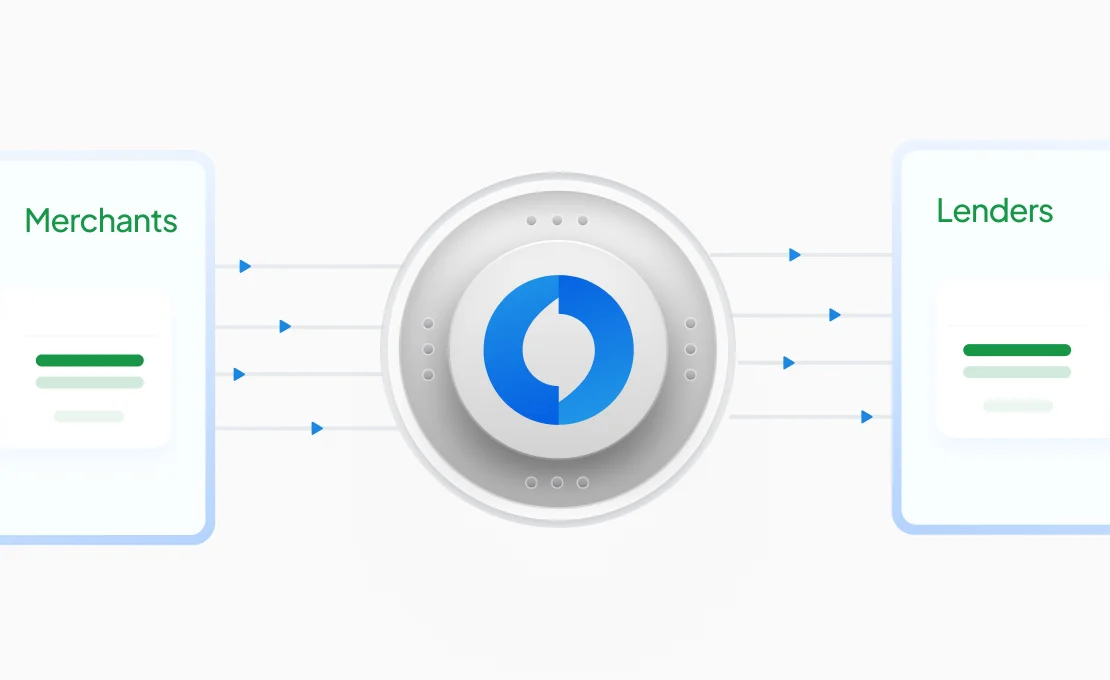
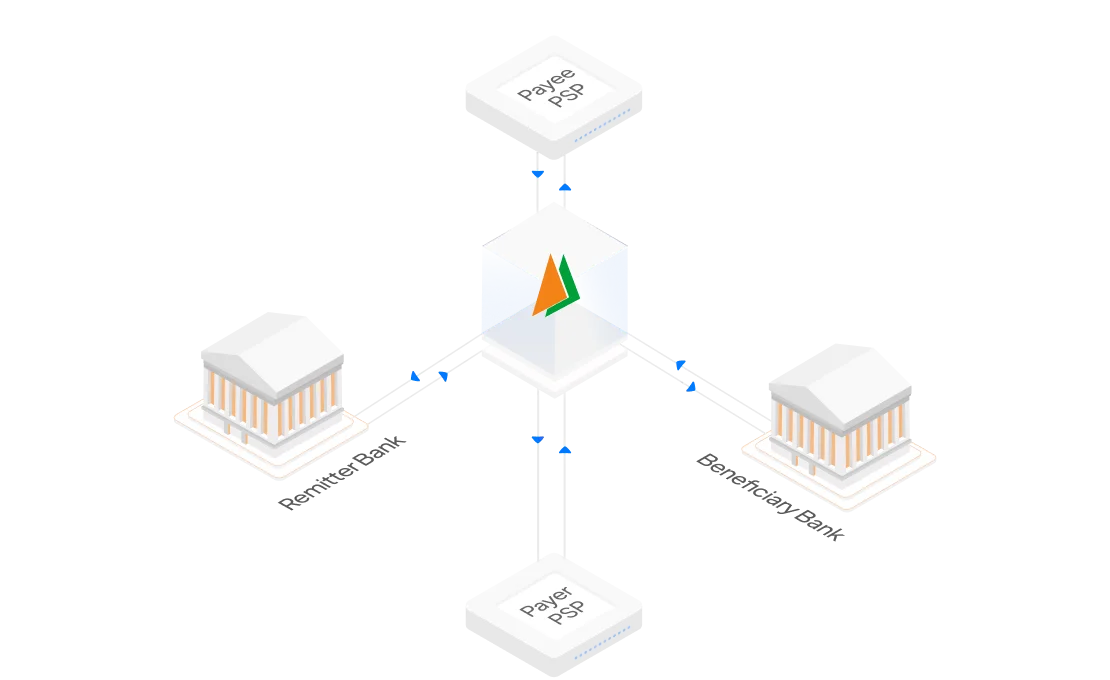



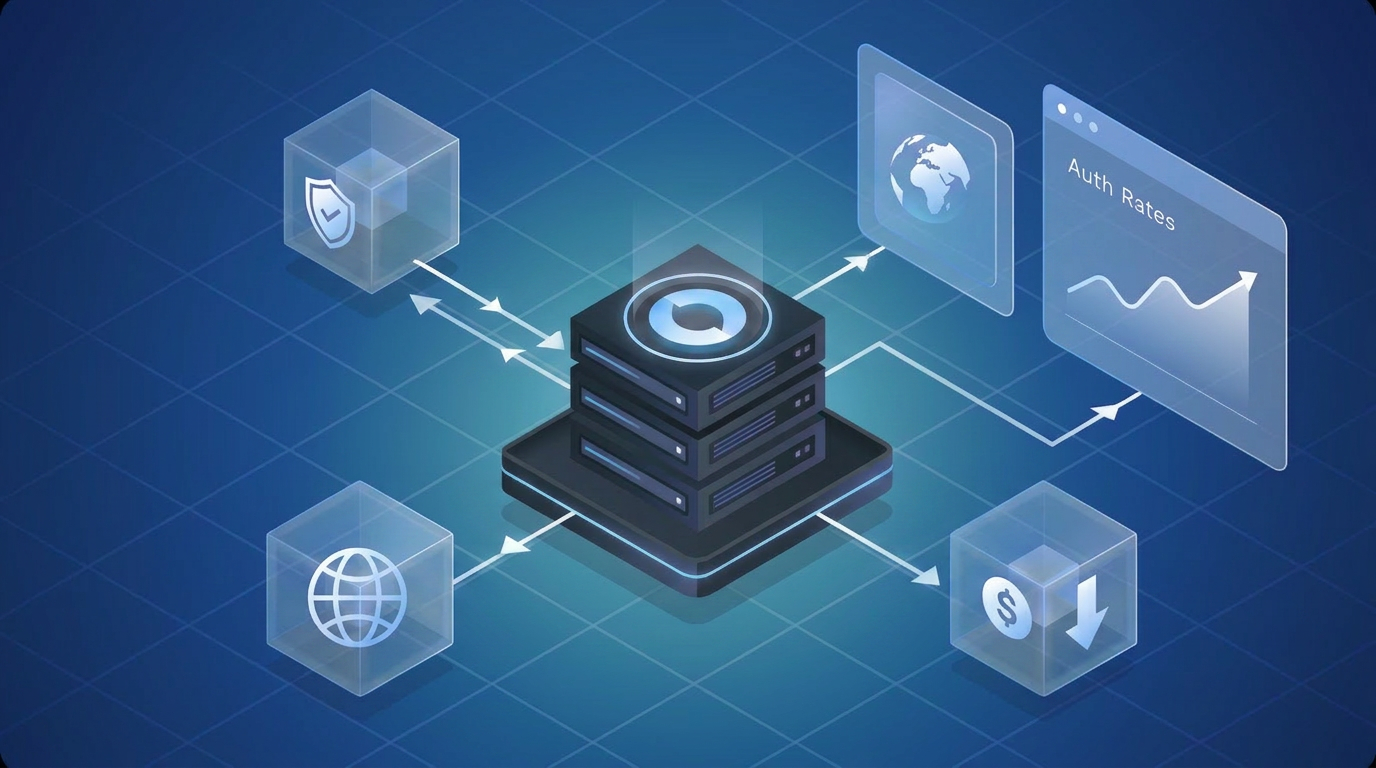
Payment orchestration is a modular technology layer that sits above individual payment gateways, intelligently routing each transaction to the provider most likely to approve it while minimizing processing fees. For global enterprises managing complex cross-border flows, adopting a composable orchestration platform drives 5-12% higher authorization rates and reduces operational payment costs by up to 30%.
The market reflects this urgency. The global payment orchestration platform market was valued at USD 3.6 billion in 2025 and is projected to reach USD 35.7 billion by 2035, growing at a 25.8% CAGR, according to Market Growth Reports. Today, 72% of enterprises rely on multiple payment gateways and roughly 38% of all global digital transactions already flow through orchestration platforms.
Juspay, which orchestrates USD 1 trillion in annualized payment volume and 300 million daily transactions across 150+ countries, approaches this through a composable payment architecture inspired by operating system design principles. The payment stack is divided into independent, swappable modules: connectors, routing engines, fraud layers, vaults, and checkout experiences. Enterprises integrate once through a unified abstraction layer and configure their entire payment infrastructure without touching code.
This composable architecture means changes to one module (say, swapping an acquirer in Europe) don't ripple across the rest of the stack. Merchants assemble exactly the combination of providers they need for each market, each transaction type, and each risk profile.
How Does Multi-Gateway Routing Cut Processing Costs by Up to 30%?
Smart routing, which directs each transaction to the lowest-cost, highest-converting acquirer in real time, is the core mechanism behind orchestration's cost savings. By analyzing Bank Identification Numbers (BINs), geography, and historical acquirer performance simultaneously, orchestration platforms eliminate the single-acquirer inefficiency that costs global enterprises millions annually.
Smart routing: Juspay's orchestration engine evaluates transaction payloads and BINs in real time, directing each payment to the lowest-cost, highest-converting acquiring bank. Merchants using multiple acquirers see acceptance rates up to 16% higher than those using a single acquirer.
Local acquiring routing: When the platform reads an incoming transaction, it identifies the card's issuing geography instantly. If a European customer purchases from a global merchant using a European card, the orchestrator routes to a local European acquirer rather than an international one.
This matters because cross-border interchange fees are dramatically higher. Post-Brexit, Visa and Mastercard increased UK-EEA interchange fees fivefold, from 0.2% to 1.15% for debit and 0.3% to 1.5% for credit. Visa's international service assessment adds a further 1.0-1.4% per cross-border transaction. Local acquiring eliminates these markups, saving merchants 0.5-1.5% per transaction on interchange and scheme fees alone.
From Juspay's Dublin office, which serves European acquiring operations, the pattern is consistent: issuing banks inherently trust local processors, driving higher authorization rates alongside lower costs.
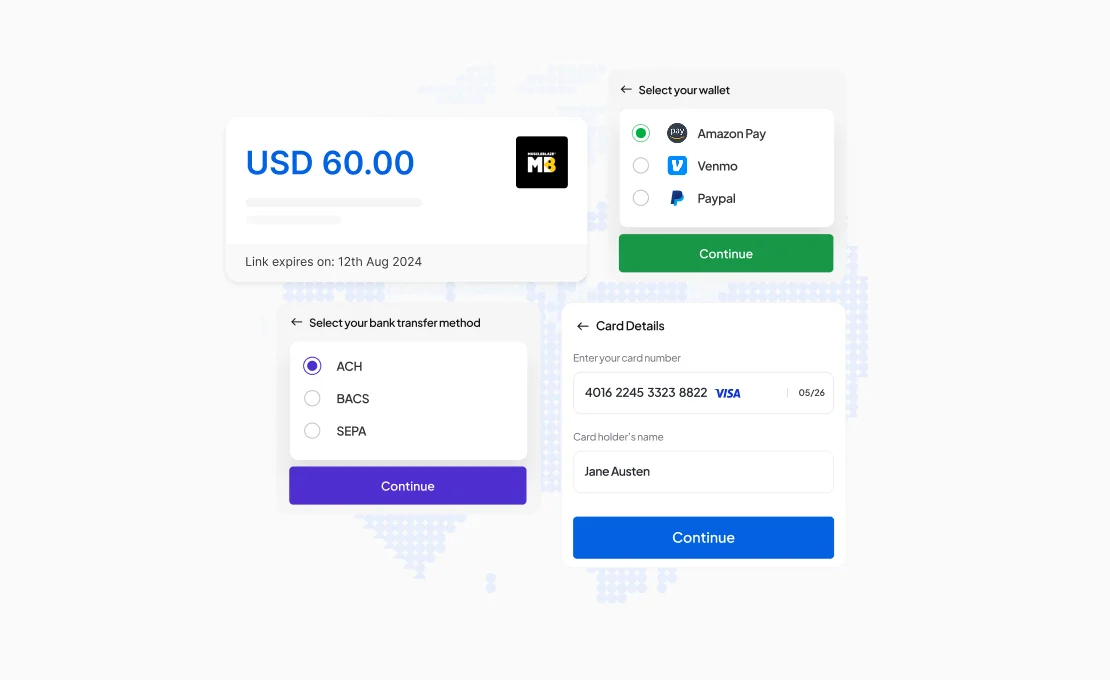
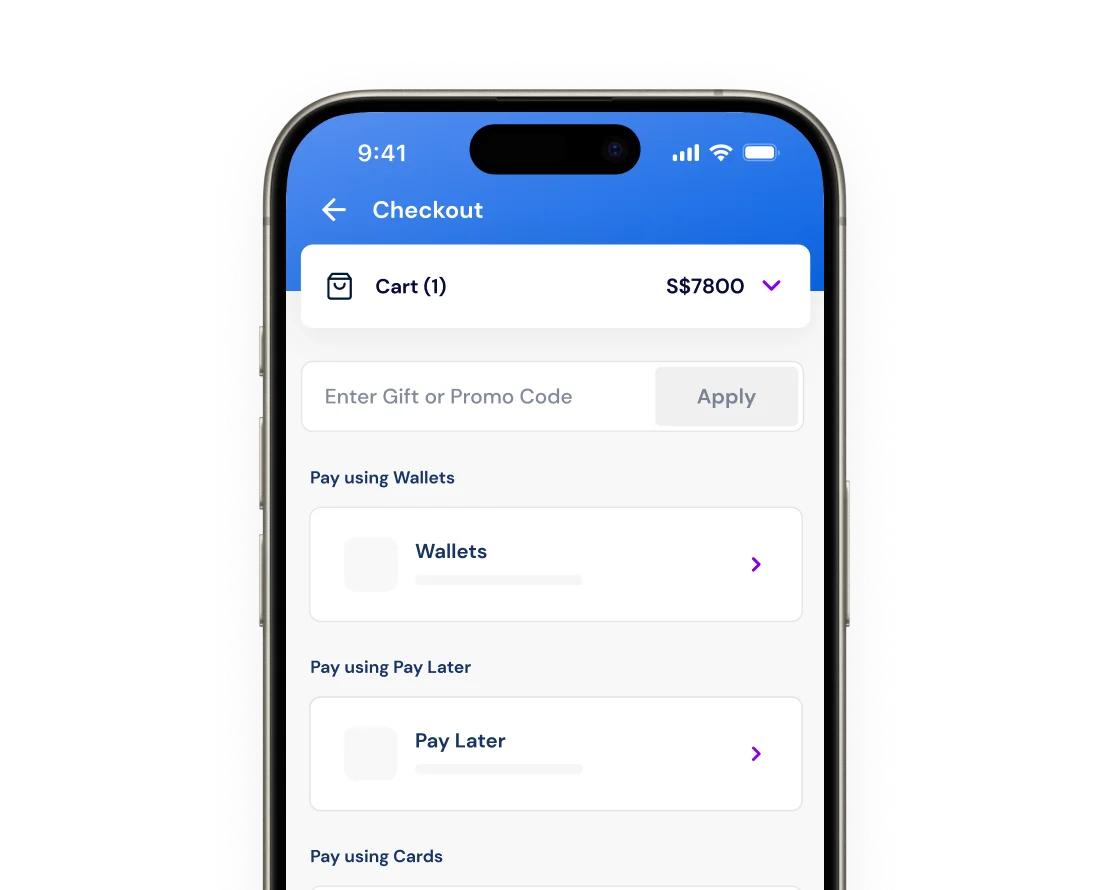
Local Payment Methods (LPMs): Smart routing extends beyond cards. Juspay's orchestration layer dynamically surfaces the right local payment method for each market: iDEAL in the Netherlands, Mada and Apple Pay in the UAE, GoPay and OVO in Indonesia, Pix in Brazil. Displaying relevant LPMs lifts conversion rates by an average of 7.4%, according to Stripe's Payment Methods Guide.
Brazil illustrates the ceiling effect of this approach most sharply. Pix, launched by the Banco Central in 2020, has already captured roughly 40% of Brazil's e-commerce payment share and surpassed cards as the country's most-used payment method. But Pix's standard flow — QR code scan, redirect to banking app, manual authentication - still introduces enough friction to suppress checkout completion. The next evolution of Pix addresses this directly.
1-Click Pix Biométrico (Brazil's next conversion leap): Brazil's Pix has reshaped digital payments since its 2020 launch, and its next evolution raises the bar further. Announced by Brazil's Central Bank in February 2025 and built on the Open Finance framework, 1-click Pix Biométrico eliminates QR code scanning and bank app redirects entirely. After a one-time account linking and biometric registration, all future payments complete with a single tap authenticated by fingerprint or face scan. The technical backbone is a device-bound public-private key pair stored in the phone's secure element, making transactions both instant and highly secure. Early pilot data shows checkout completion rates jumping from approximately 38% with traditional Pix flows to around 90% with the biometric experience.
For merchants, the benefits stack across every dimension: higher conversions, lower processing costs than cards, instant settlement directly into merchant accounts, and NFC tap-to-pay support for in-store parity. Juspay enables merchants to adopt this through a white-labeled SDK with direct Open Finance rails, a headless integration option that embeds biometric checkout natively within the merchant's own app interface, intelligent fallbacks to standard Pix if biometrics fail, and unified orchestration across all payment methods.
Failover routing: Basic routing is sequential: try Acquirer A, retry B on failure. Juspay's active-active stand-in processing takes a different approach. If a primary gateway experiences an outage, failover logic intercepts the payload and routes to a secondary provider instantly, invisible to the end-consumer. With multi-active stacks eliminating single points of failure across data centers and regions, this delivers 99.999% platform availability.
How Do PSP-Agnostic Vaults and Network Tokens Lift Auth Rates ?
PSP-agnostic vaults and network-level tokenization resolve one of the most persistent problems in enterprise payments: vendor lock-in. When card data is trapped inside a single acquirer's environment, merchants cannot route stored credentials to a cheaper or higher-converting provider without forcing users to re-enter their details, sacrificing both conversion and flexibility at once.
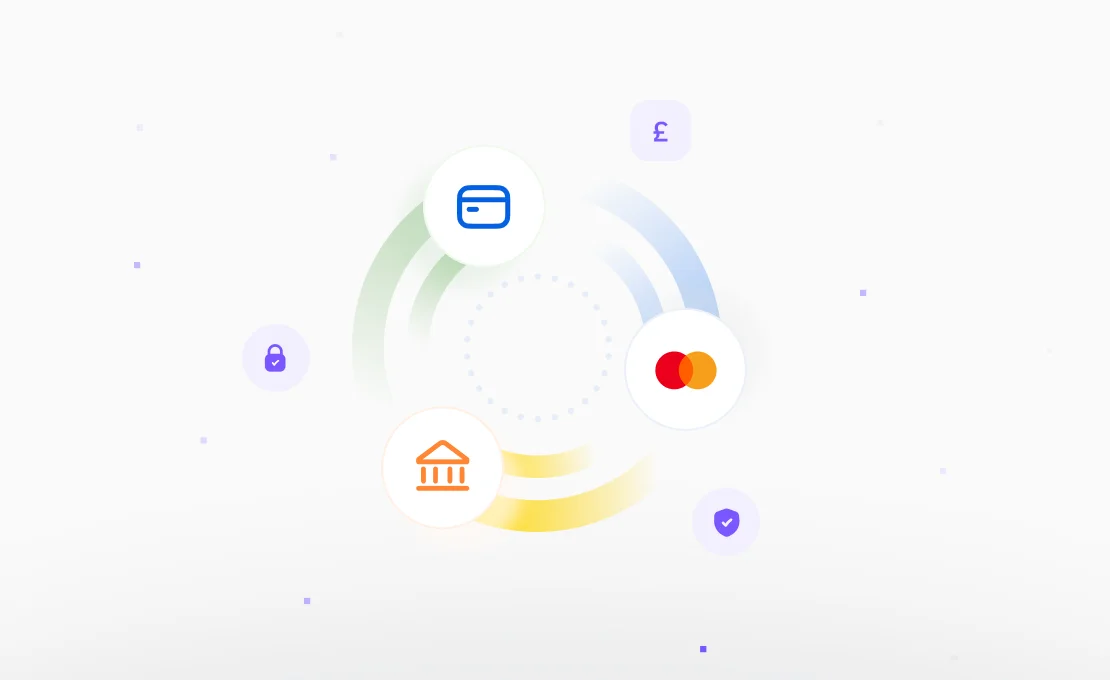
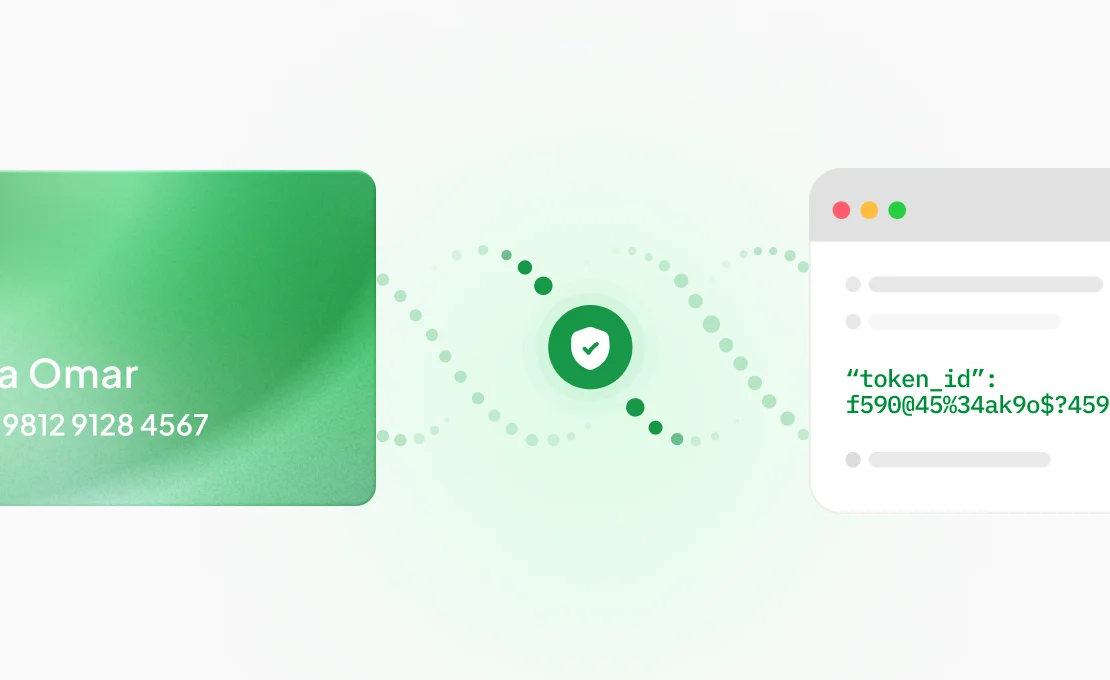
PSP-agnostic token vault: Juspay's vault architecture decouples sensitive payment data from any specific acquiring bank. The vault stores raw PAN data securely and orchestrates interoperable Network Tokens directly from Visa and Mastercard, independent of whichever acquirer ultimately processes the transaction.
Network Tokens: These are scheme-issued tokens that replace raw card numbers at the network level. Visa reports that network tokens improve authorization rates by upto 5 percentage on average. Mastercard's Digital Enablement Service (MDES) reports similar 3-6% improvements. Because tokens auto-update when a card expires or is replaced, subscription businesses see drastically reduced passive churn.
BYOP (Bring Your Own Providers): Juspay's composable architecture extends modularity beyond the gateway. The connector abstraction layer supports integration with any external payment participant (acquirers, PSPs, fraud engines, authentication providers, and vaults) as independent, swappable modules.
Merchants route transactions through distinct Fraud Risk Management (FRM) engines conditionally: a lightweight risk check for returning domestic customers, and an enterprise-grade third-party engine for high-value cross-border traffic. From Juspay's Singapore hub, this conditional routing preserves processing margins across Southeast Asia's fragmented acquiring landscape.
| Capability | Single Gateway | Payment Orchestration (Juspay) |
| Acquirer connections | 1 provider, manual integration | 300+ providers via single API |
| Routing logic | Static, sequential failover | Real-time BIN-level smart routing |
| Token portability | Locked to one vault | PSP-agnostic, network-level tokens |
| Fraud management | Bundled with gateway | Modular BYOP across providers |
| Cross-border fees | Full interchange + FX markup | Local acquiring eliminates markups |
| Deployment | SaaS-only | Cloud or on-premise with data residency control |
How Does Orchestration Simplify PCI DSS 4.0 and Multi-Region Compliance?
PCI DSS 4.0 is fully enforceable as of March 31, 2025, and the compliance surface area for global merchants is significantly larger than under v3.2.1. A composable orchestration platform reduces PCI scope by design, centralizing sensitive card data in a certified vault and tokenizing it before it reaches merchant systems.
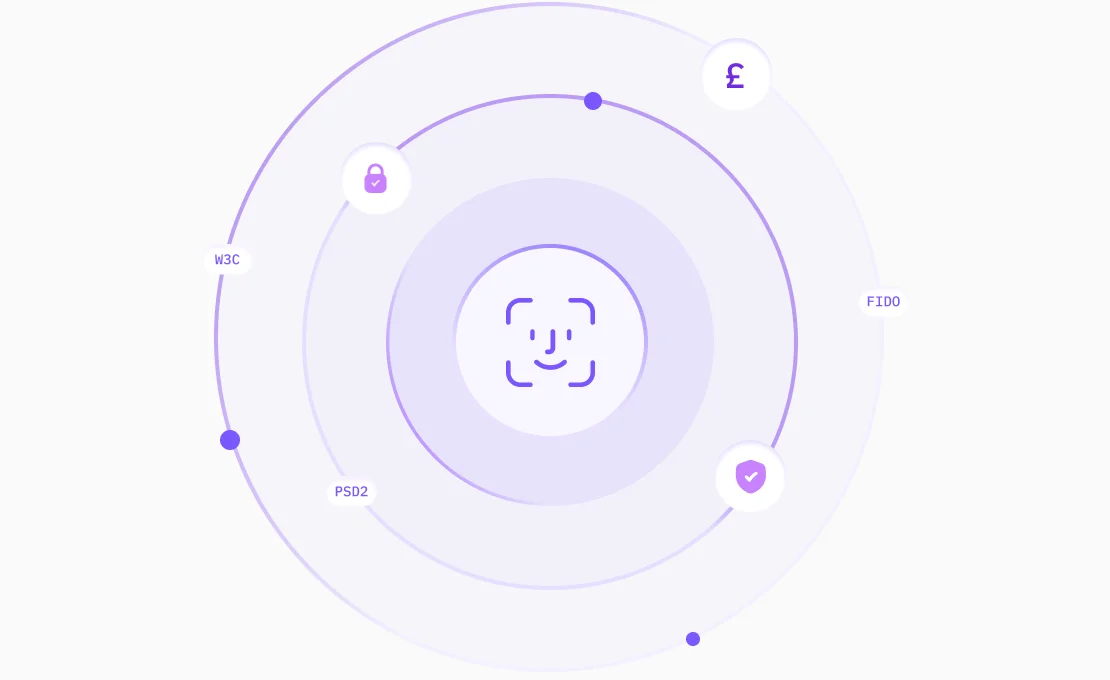
PCI DSS 4.0 raised the compliance bar significantly. All 51 new requirements are now enforceable, including multi-factor authentication for all cardholder data environment access, 12-character minimum passwords, and documented inventory of every third-party script on payment pages. For enterprises managing payment flows across multiple regions and providers, the audit surface is substantially wider than before.
Juspay's architecture, which is both PCI DSS certified and PCI Secure Software Standards certified, centralizes sensitive card data in its PSP-agnostic vault and tokenizes it before it reaches merchant systems. Merchants never handle raw PAN data, often qualifying for simpler Self-Assessment Questionnaire (SAQ) types rather than full onsite audits. Enterprises adopting vault-based orchestration report compliance cost reductions of 60-80%.
Multi-region regulatory complexity: Beyond PCI, global merchants face a constantly shifting patchwork of regional payment regulations:
- Europe: PSD3 and the Payment Services Regulation (PSR) reached provisional political agreement in November 2025, with first-wave enforcement expected late 2026. New rules expand Strong Customer Authentication (SCA) requirements and fraud liability frameworks.
- Brazil: Banco Central continues expanding the Pix ecosystem. Pix Automático launched in June 2025, enabling recurring automatic payments over instant rails for 170+ million users . Each evolution requires acquirer-side integration.
- India: The Reserve Bank of India mandates recurring payment authentication via e-mandates and enforces strict data localization : all payment data from transactions originating in India must be stored on servers within the country.
- Middle East: Markets like the UAE and Saudi Arabia are implementing their own real-time payment schemes alongside card networks.
Juspay's orchestration layer absorbs this complexity. Because connectors, authentication modules, and vault components are independent and region-configurable, adapting to a new regulation means updating a single module, not re-architecting the payment stack. Enterprises that self-host Juspay's platform maintain full control over data residency, ensuring compliance with local storage mandates without sacrificing orchestration capabilities.
How Do Unified Analytics Simplify Global FinOps?
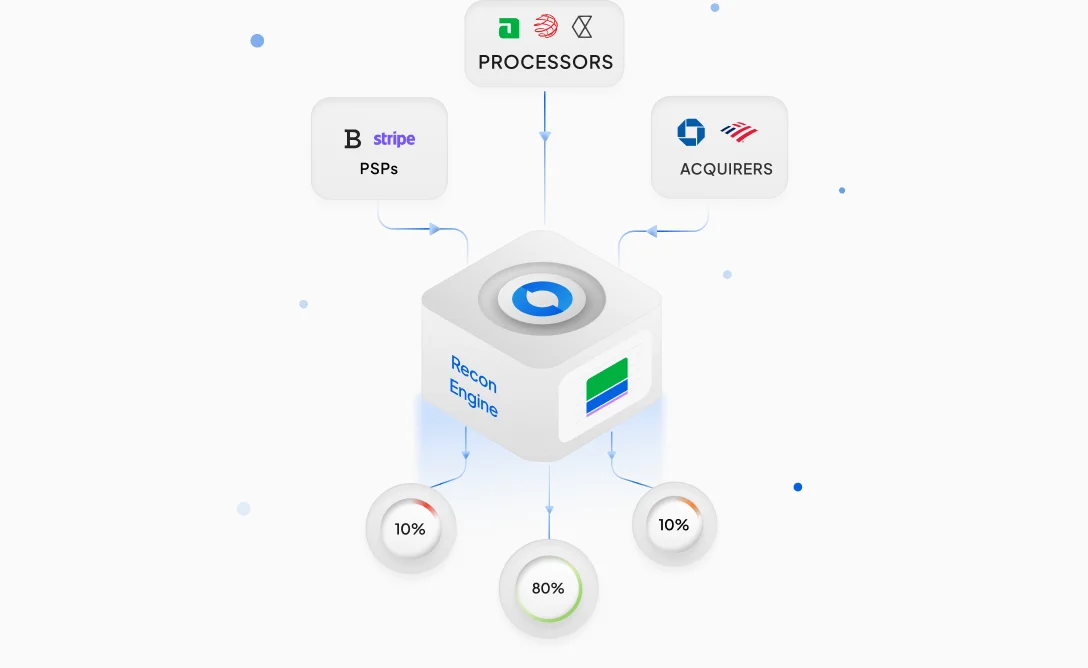
A unified payment orchestration platform consolidates multi-acquirer settlement data across diverse geographies into a single, normalized ledger, turning fragmented PSP reporting into actionable cost intelligence. With 38% of global transactions already flowing through orchestration platforms and that share growing at 25.8% annually, the ability to abstract operational complexity from multi-rail ledgers is becoming structurally essential for scaling enterprises.
Managing multiple gateways manually produces fragmented reporting and divergent error structures from different PSPs. Juspay's unified integration normalizes disparate PSP response codes into clear, actionable logic. The platform pinpoints exactly where processing margins leak, from hidden scheme fees to unnecessary FX markups at the per-transaction level, and streamlines multi-rail settlement reconciliation.
Automated regression testing and an AB testing framework benchmark new payment configurations against stable baselines before scaling them to full traffic. New deployments roll out from 1% traffic onwards, progressively scaling only when performance validates. The result is a payment stack that operates as a predictable, observable engine rather than a cost black box.
Key Takeaways: 5 Ways Payment Orchestration Drives Enterprise Growth
- Smart Multi-Gateway Routing: Cuts processing costs by up to 30% and eliminates cross-border interchange markups by routing to the optimal, localized acquiring bank based on real-time BIN analysis, while surfacing relevant local payment methods that lift conversion 7-30% by market.
- Token Portability: Juspay's PSP-agnostic vault prevents vendor lock-in with Network Tokens that auto-update on card expiry and route across any acquirer for authorization uplift.
- Composable Architecture: Independent, swappable modules for connectors, fraud engines, vaults, and authentication. Merchants assemble exactly the stack they need per market without code changes.
- Compliance by Design: Centralized tokenization reduces PCI DSS 4.0 scope by up to 60-80%, while region-configurable modules absorb PSD3, RBI e-mandates, and data residency requirements without re-architecture.
- FinOps Unification: All complex PSP data consolidated into a standard ledger for granular cost observability and vastly simpler settlement reconciliation across geographies.
Frequently Asked Questions
What is the difference between a payment gateway and payment orchestration?
A payment gateway securely transmits transaction data from a merchant to a single processor. Payment orchestration is a larger technology layer that manages multiple gateways, fraud engines, and vault providers simultaneously under one unified integration, enabling smart routing, failover, and token portability across 300+ providers.
How does payment orchestration improve authorization rates?
Payment orchestration improves authorization rates through three mechanisms: intelligently routing transactions to the PSP most likely to approve them based on BIN profiles and region, using Network Tokens that improve approval rates — Visa reports up to 5 percentage points and Mastercard's MDES reports 3-6% — and instantly failing over declined transactions to secondary gateways.
How does Juspay's orchestration platform handle cross-border routing?
Juspay orchestrates USD 1 trillion in annualized payment volume across 150+ countries with 300+ integrated payment providers. Its smart routing engine analyzes each transaction's BIN, geography, and acquirer performance data to route locally wherever possible, eliminating cross-border interchange fees and FX markups while maintaining 99.999% uptime across multi-active data center stacks.
How does payment orchestration reduce PCI DSS 4.0 compliance costs?
Orchestration platforms centralize sensitive card data in a PCI-certified vault and tokenize it before it reaches merchant systems. This reduces the merchant's cardholder data environment scope, often qualifying them for simpler SAQ assessments rather than full onsite audits. Enterprises adopting vault-based orchestration report compliance cost reductions of 60-80%.
What is a composable payment stack and why does it matter?
A composable payment stack treats every component as an independent, swappable module: acquirers, fraud engines, vaults, authentication, and checkout. Merchants assemble exactly the providers they need per market and transaction type. Changes to one module don't affect others, enabling faster market expansion without re-engineering.
How do Local Payment Methods (LPMs) reduce cross-border cart abandonment?
Displaying relevant local payment methods natively in checkout drives trust and removes purchase friction. Stripe reports a 7.4% average conversion lift, while dLocal finds that supporting local methods in Latin America increases successful transactions by 20-30% versus international cards alone.
What is 1-click Pix Biométrico and how does it affect checkout conversion?
1-click Pix Biométrico, announced by Brazil's Central Bank in February 2025, is a biometric-authenticated payment built on Open Finance rails. After a one-time setup, payments complete with a single tap, with no QR codes or bank app redirects required. Early pilot data shows checkout completion rates improving from approximately 38% with traditional Pix flows to around 90% with the biometric experience.
What is Pix Automático and why does it matter for subscription businesses?
Pix Automático, launched by Brazil's Banco Central in June 2025, enables recurring automatic payments over instant Pix rails. Subscribers authorize a merchant once, and subsequent charges debit automatically, replacing legacy boleto and débito automático systems with faster, cheaper instant payment infrastructure used by 170+ million Brazilians.
How does network tokenization differ from gateway-level tokenization?
Network tokenization replaces card numbers at the Visa/Mastercard network level, improving authorization rates by 3-6% and automatically updating when cards expire. Gateway tokenization locks card data inside a single PSP's vault. Network tokens are portable across any acquirer, while gateway tokens create vendor lock-in.