











When a payment platform is young, good enough works. Connect it to a few PSPs, get live quickly, and start collecting revenue.
The problem is that the same architecture that helped you move fast at the start becomes the biggest drag on your velocity as you grow. What starts as a convenient abstraction over gateways turns into a fragile layer that slows product development, complicates expansion, and makes even small changes feel risky.
The Speed Tax
The first thing you notice is that everything takes longer than it should.
On the surface, payments look fine. Customers pay, transactions generally go through, and nothing is obviously on fire.
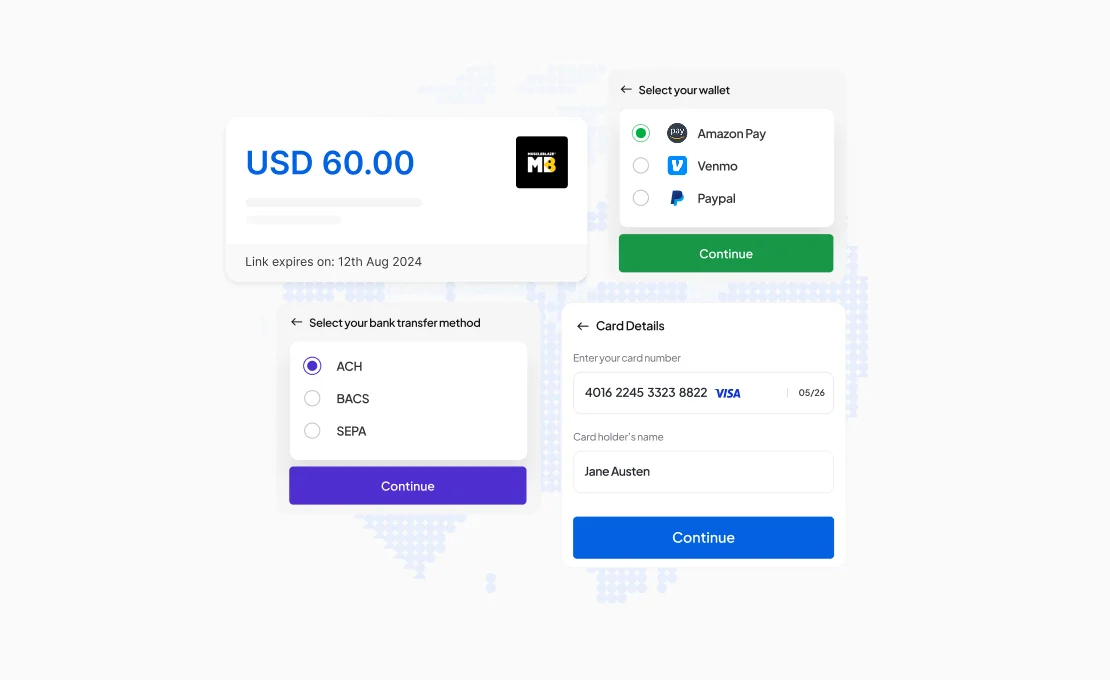
But internally, adding a new payment method is no longer a config change; it’s a project in and of itself. Product managers stop proposing new flows because they know touching payments will stretch timelines. Business teams plan launches around when the payments team might be available.
You’re still shipping, just slower than when your customers demand and even slower than your competition.
If you're a platform embedding payments for your customers e.g, a vertical SaaS in Healthcare, a marketplace for high volume ticket sales, or a commerce infrastructure such as a recurring billing provider, this slowdown hits harder. Your merchants are asking for new methods faster than you can ship them.
In a healthy architecture, payments are building blocks. Subscriptions, one-time purchases, wallets, and regional methods are all assembled from a common architecture.
In a brittle architecture, every flow becomes a snowflake. A subscription flow for one PSP looks nothing like another. 3D Secure behaves differently per provider. Engineers spend more time re-implementing the same concepts for each integration than building coherent experiences.
The roadmap is filled with maintenance work and technical debt. No bandwidth for anything new.
Death by a Thousand Incidents
Instability doesn't arrive as a dramatic outage. It's a pattern of small, hard-to-diagnose incidents:
- One card scheme performs worse on one PSP
- A payments provider changes their webhook format, overnight, an edge case starts failing
- Latency spikes in one region, but only for one integration
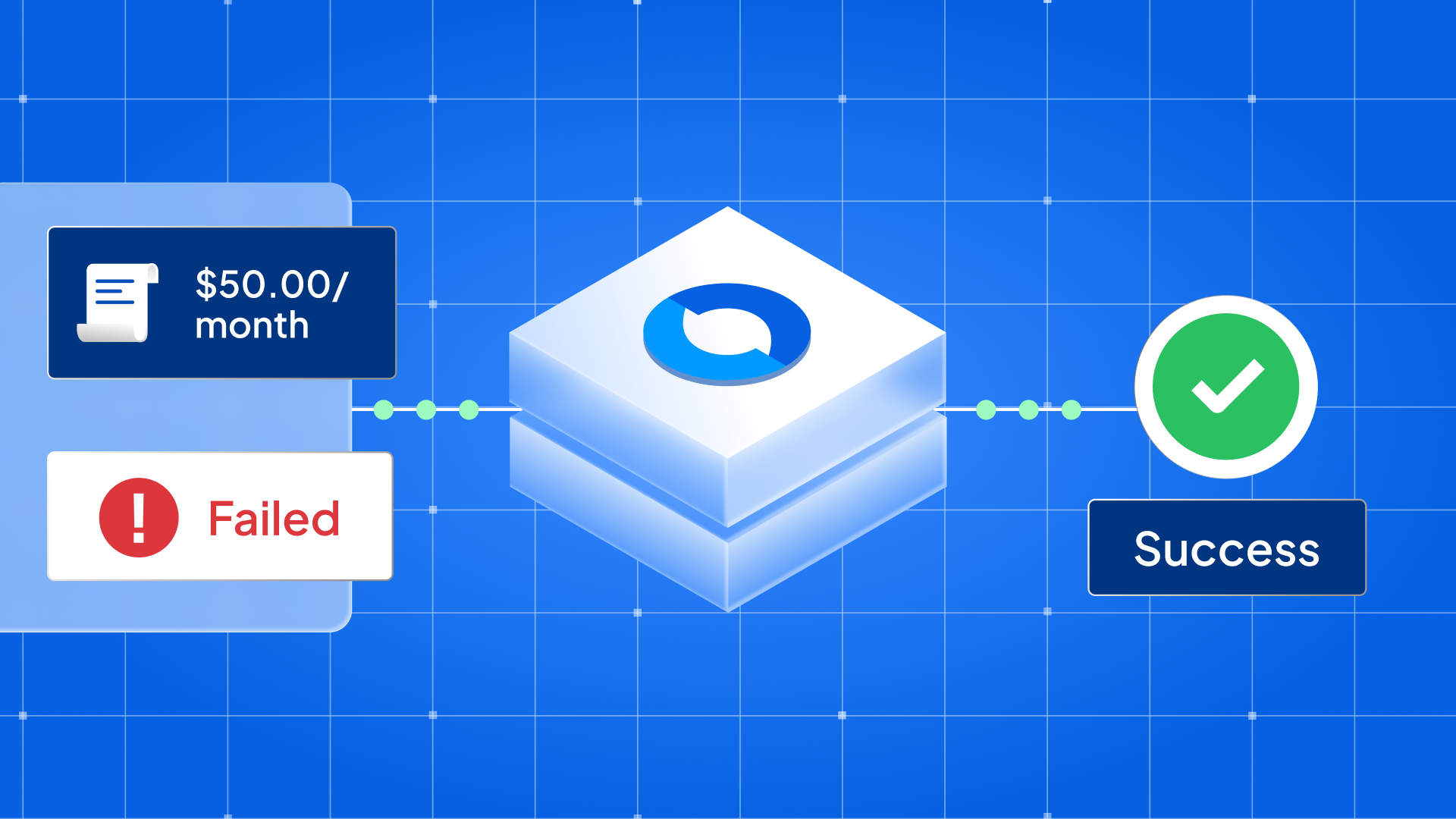
When your product logic is coupled to each PSP's quirks, their problems become your problems. Incident reviews turn into "what did the provider do this time?" instead of fixing your own code.
Over time, payment teams accumulate a list of quirks and edge cases that are poorly documented and understood by only a few people. The system mostly works, but it’s incredibly fragile.
Expansion Becomes a Slog
On paper, entering a new market looks simple: pick a PSP, sign a contract, wire up the integration.
In practice? Months of discovery, custom implementation, and testing. Local methods behave differently. Your internal tools were never designed for dozens of connections.
Expansion, which should be a strategic lever, turns into technical debt.
When you look at this pattern end-to-end, a theme emerges. It is not that the current platform is bad. It probably solved the right problems at the time you chose it: ease of integration, broad gateway coverage, one API instead of many.
But your business has moved into a different phase. You now need faster iteration, more control, deeper flexibility, and a path to global expansion that does not multiply complexity with every new PSP. You need infrastructure that anticipates change, new methods, new partners, and new regulations, rather than shattering a fragile web of integrations each time something shifts.
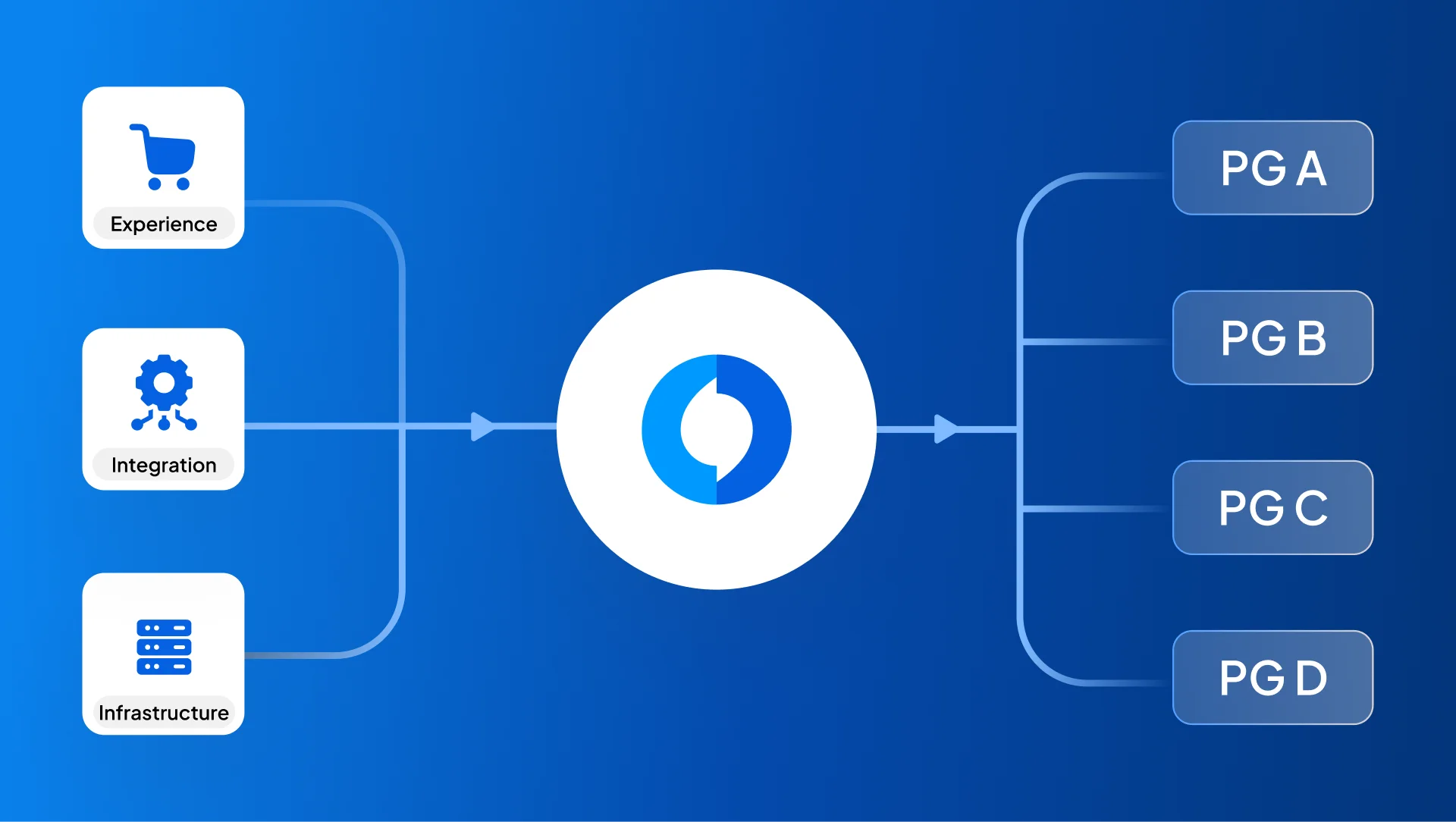
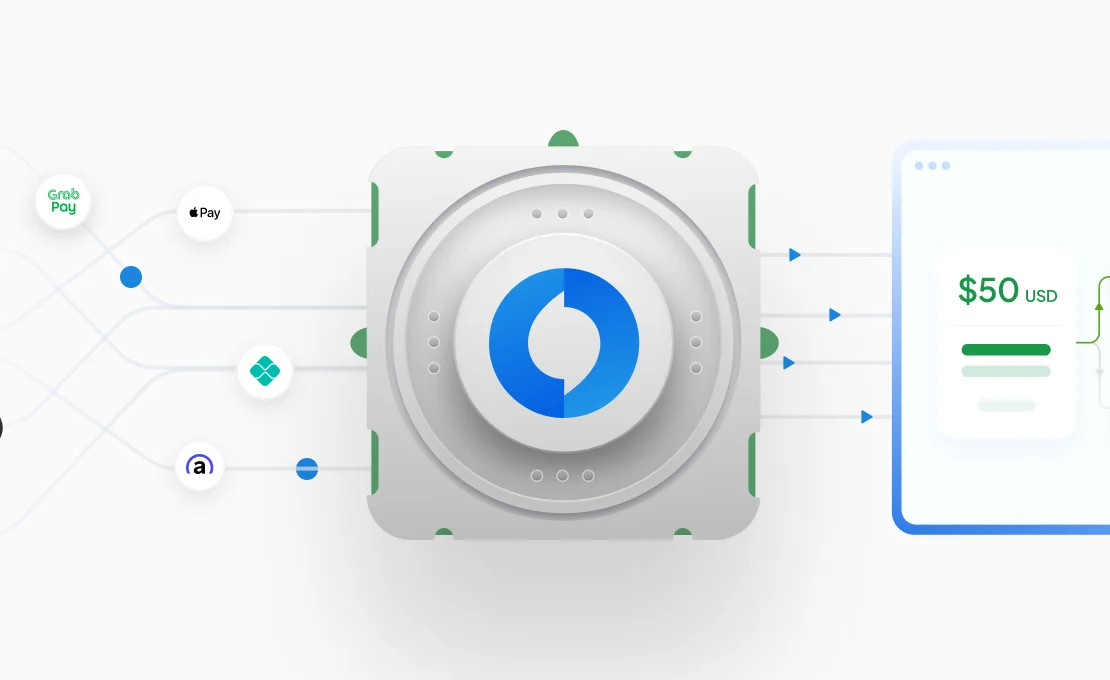
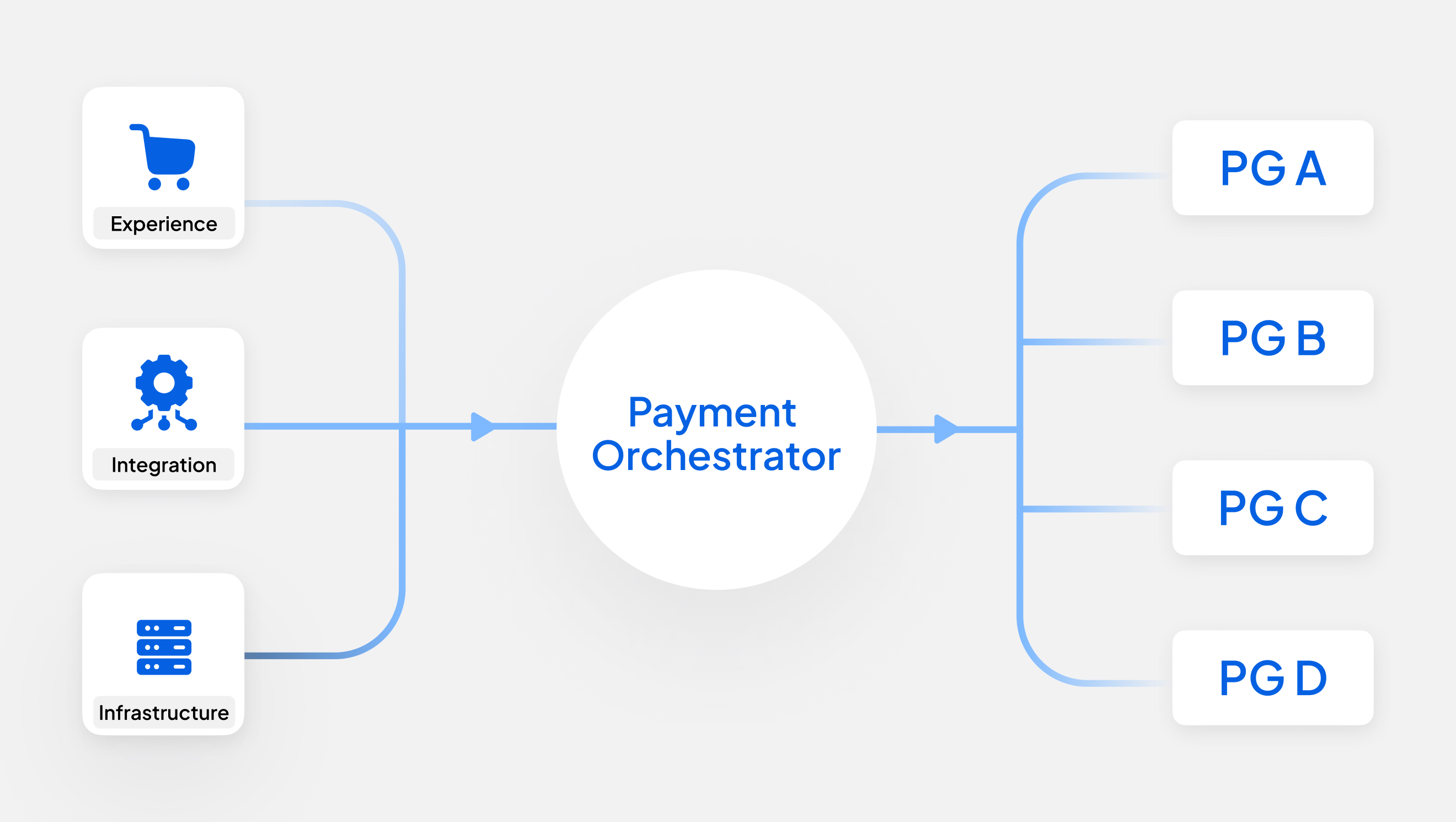
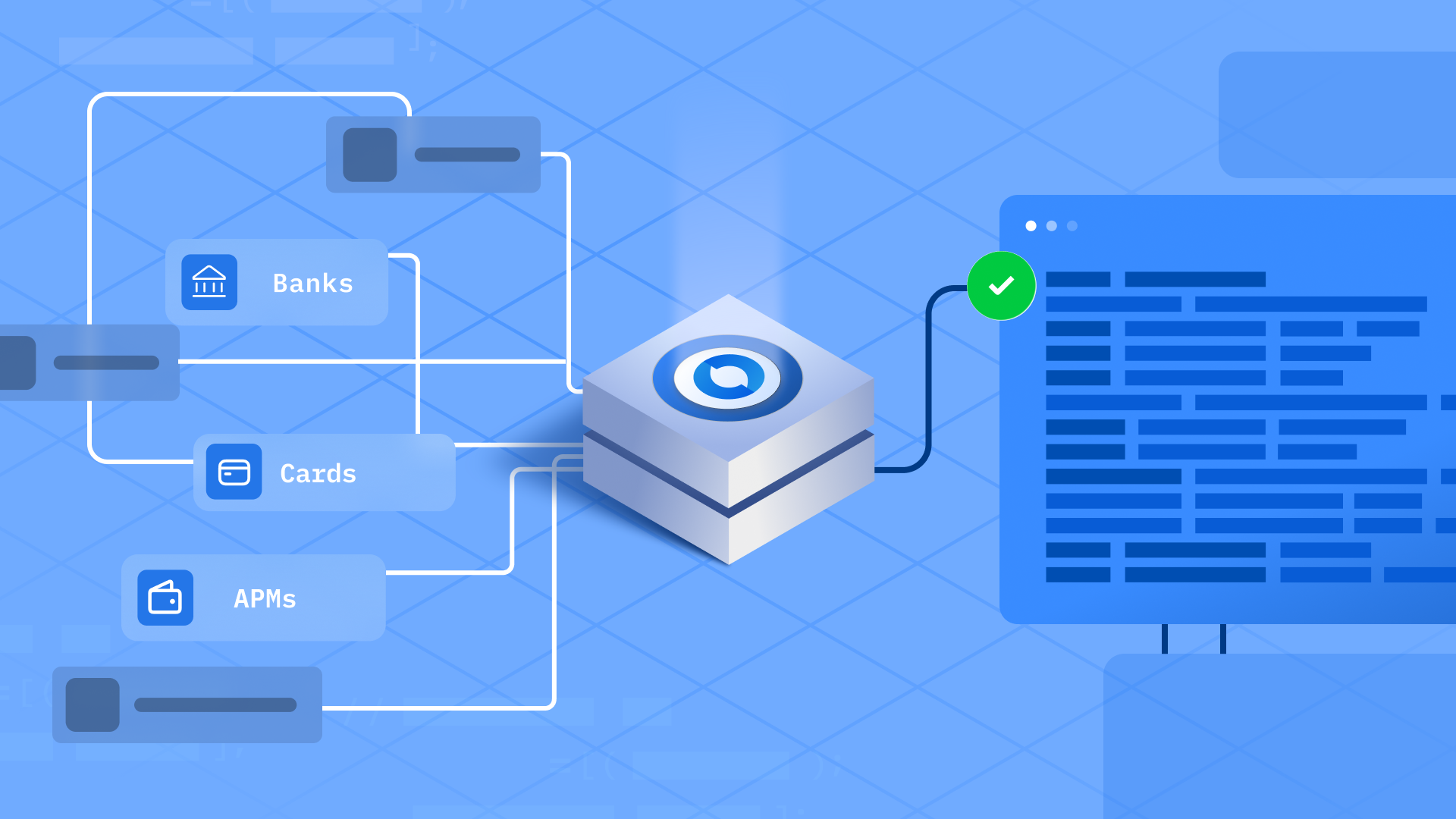
A modern, modular payments architecture approaches these challenges differently. It separates product logic from provider quirks by normalizing the full payment lifecycle before provider-specific mapping occurs. It treats configuration, not code, as the primary tool for adjusting routing, enabling new methods, or tailoring flows per market. It builds resilience through consistent error modeling, intelligent retries, and fallback routing, so that a provider's issues do not immediately become your customers' problems. Most importantly, it restores the ability to move quickly: to launch, experiment, and improve without feeling like every change risks destabilizing the system.
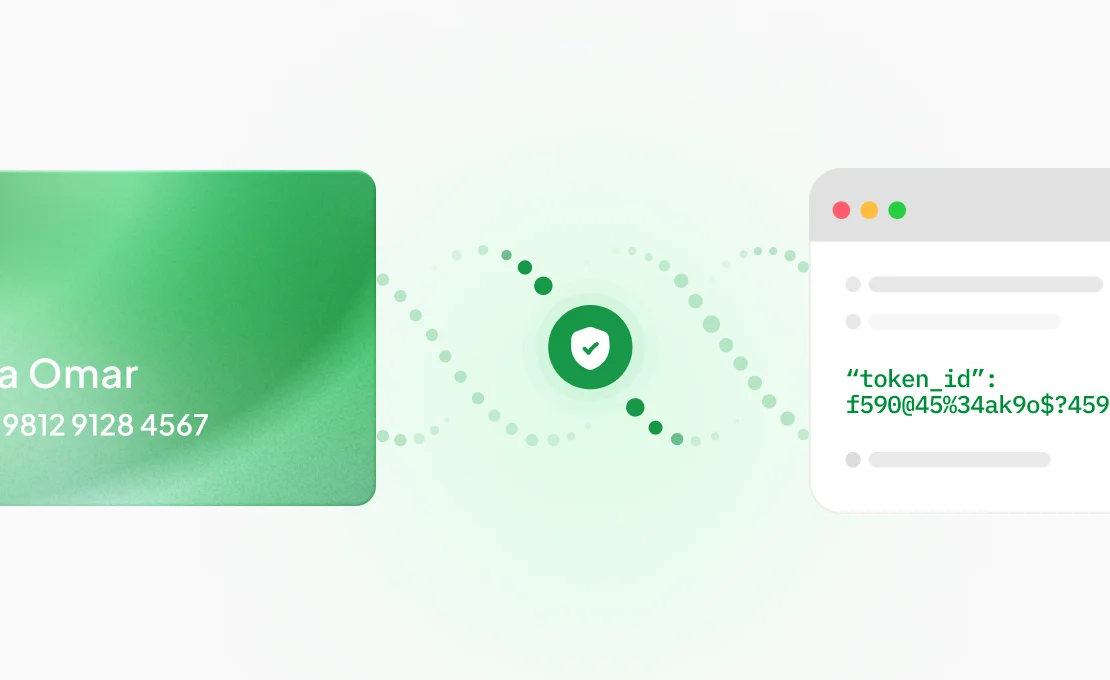
The orchestration layer also changes some of the less visible, but most consequential, parts of the stack. Payment credentials and tokens are no longer tied to a single gateway’s vault; they are abstracted and managed in a way that allows them to move safely across providers as routing and commercial strategy evolve. Integrations with processors are treated as open, extensible building blocks rather than entries in a closed connector marketplace, so new partners can be added without waiting for platform releases.
The core payment lifecycle itself—authorization, authentication, capture, refunds, and disputes—is normalized before any provider-specific behavior is applied, which keeps product logic stable even as underlying PSPs change. At the infrastructure level, teams retain ownership of how and where the system runs, including the option to deploy and operate it within their own environments when regulatory, latency, or control requirements demand it. Operational visibility is built in as a first-class capability, with consistent telemetry and performance signals across all providers, rather than stitched together from separate gateway dashboards. Taken together, this architecture also makes change far less disruptive: providers can be introduced, replaced, or rebalanced without rewriting checkout flows or forcing customers to re-enter their payment details, allowing the payments layer to evolve without placing the burden of that evolution on product teams or end users.
The Signs You've Outgrown Your Platform
If your daily reality includes:
- Slow launches
- Nervousness about touching payments code
- Unexplained gateway issues
- A roadmap dominated by maintenance
...you're seeing the classic pattern. Staying on an aging payments infrastructure incurs real opportunity cost. The drag on speed, stability, and innovation compounds faster than it looks from the outside.
This Is Why We Built Juspay Hyperswitch
Ready to break free from the stall? Hyperswitch delivers the modular, full-stack orchestration you need:
- Unified APIs across 200+ PSPs
- Config-driven routing and retries
- Zero-downtime expansion to new markets and methods
Open-source. Self-hostable. Enterprise-ready.
Used by vertical SaaS platforms, marketplaces, and commerce infrastructure companies processing millions daily.
Get started with a free sandbox at Hyperswitch. Launch your first connector in minutes.