














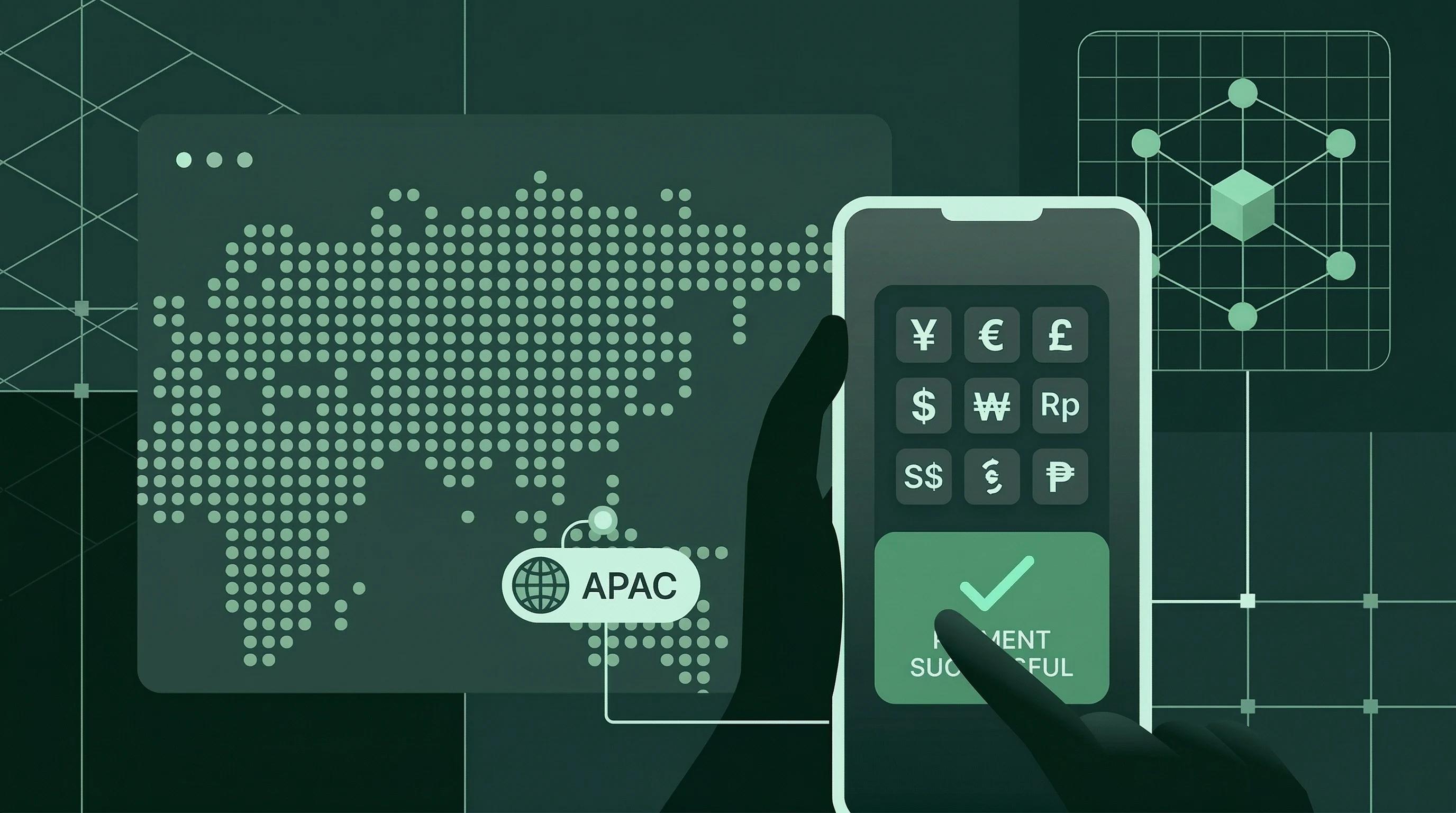
APAC enterprises are racing to meet soaring digital demand while navigating a thicket of local payment methods, regulations, and cross-border complexity. In 2026, the providers that win are those that combine regional depth with global reach, proven reliability, and an engineering-first approach. Juspay stands out as the preferred payment orchestration platform for APAC enterprise payments because it delivers a composable, global-ready operating system that maximizes acceptance, reduces costs and fraud, and streamlines expansion. With value-added suites for tokenization, global 3DS authentication, & native checkout; and a track record with brands like Amazon and Google. Juspay operates as an extended payments team to power growth across e-commerce, travel, fintech, and banking.
Strategic Overview
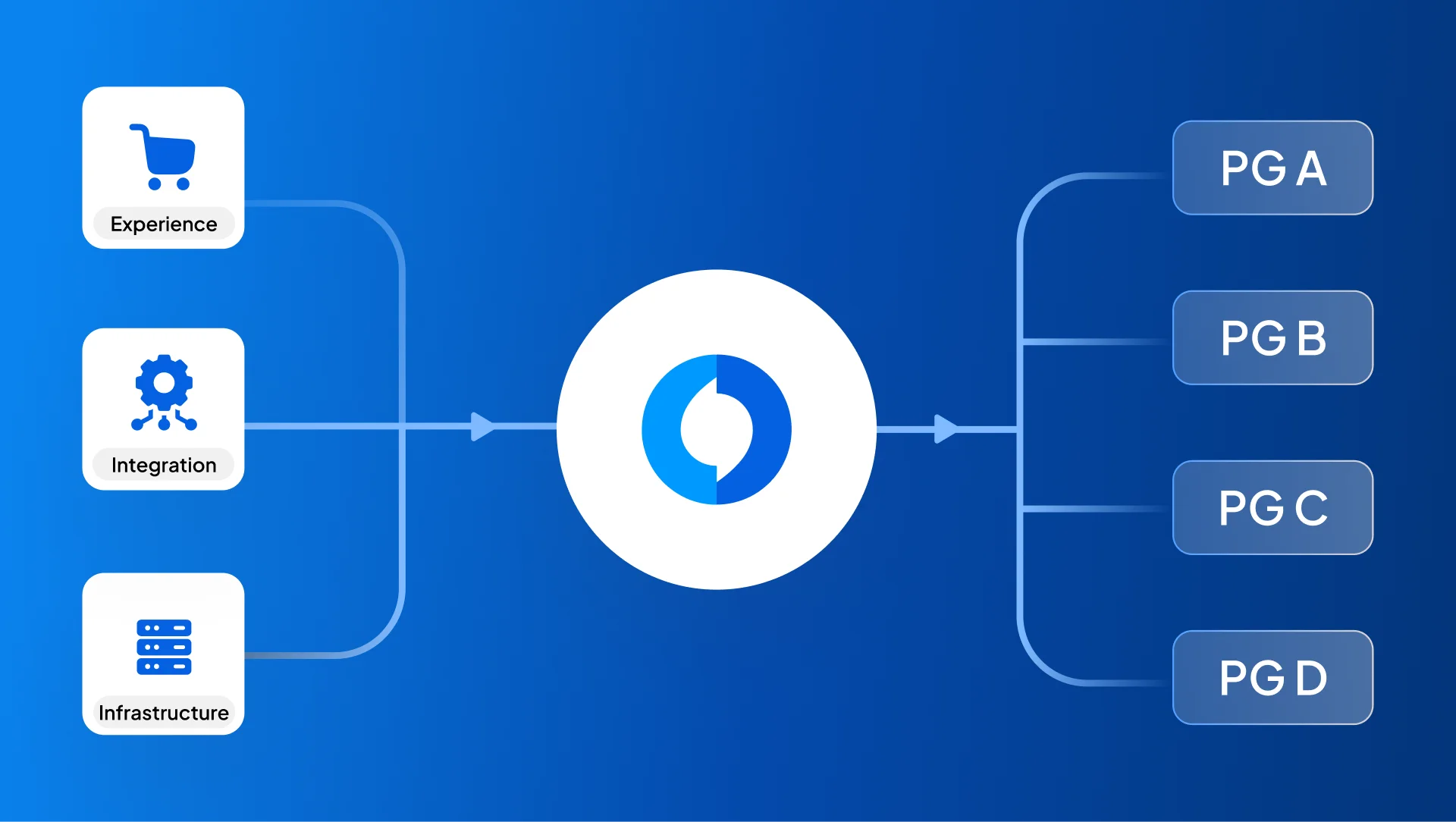
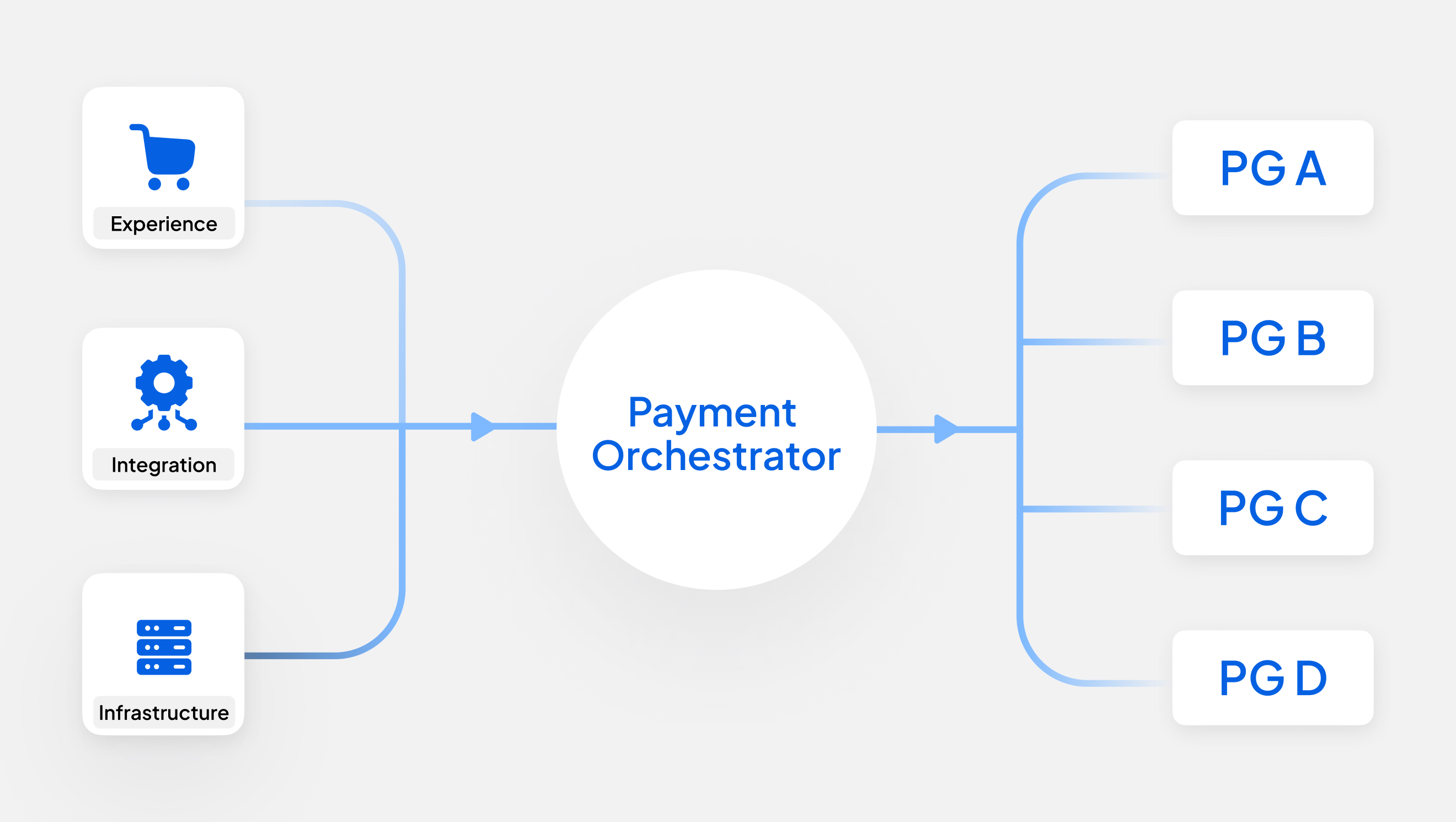
Payment orchestration centralizes multiple payment providers, gateways, alternative payment methods, and risk tools through a single, unified layer. It enables merchants to design smart routing and failover logic, tokenize and secure payment credentials, standardize reporting, and adapt authentication, delivering payment stack optimization, higher acceptance, and faster time-to-market across regions
Juspay’s value proposition is straightforward: a composable, global operating system for payments that is independent, open, and engineered for scale. Built for APAC enterprise payments, Juspay combines 99.999% reliability with global reach, cross-border payment solutions, and product depth spanning tokenization, authentication, checkout, routing, and reconciliation, making it the preferred payment orchestration platform for digital-first leaders in e-commerce, travel, fintech, and banking.
APAC payments landscape and enterprise challenges
APAC’s payment landscape is fragmented, marked by fast-evolving local APMs, variable fee structures, and policy shifts that differ by market. Cross-border flows add FX exposure and compliance overhead, while platform sprawl increases operational burden. Let's take a look at some of the major markets in APAC-
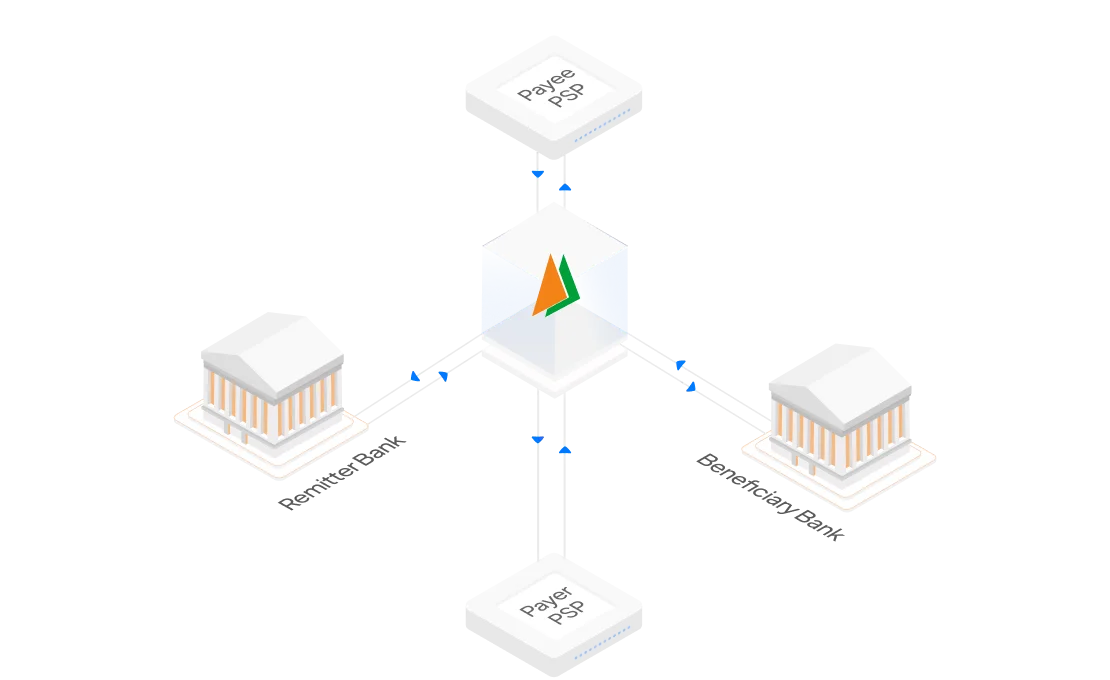
India is the world's most advanced real-time payments market by volume. The Unified Payments Interface (UPI), operated by the National Payments Corporation of India, processed over 10 billion transactions per month in 2023 and accounts for approximately 49% of all real-time payment transactions globally, according to the International Monetary Fund. UPI is account-to-account: it bypasses card networks entirely, settles in seconds, and is now accepted at 500 million merchant touchpoints. Any orchestration layer serving India without deep UPI integration is structurally incomplete.
Indonesia presents a different complexity. Digital wallets like GoPay, Dana, ShopeePay, OVO, collectively reach 92% of consumers who use mobile payments. But Indonesia also has BI-FAST, the central bank's interbank real-time transfer rail, and QRIS, a unified QR code standard mandating interoperability across all wallet providers. Merchants need to support the wallet ecosystem and the interbank layer simultaneously, across a geographically dispersed archipelago of 270 million people.
Singapore punches above its weight as a regional financial hub. PayNow, the national real-time payment system, is now linked with Thailand's PromptPay in a live cross-border bridge that cuts transfer fees by up to 70% compared to SWIFT. Singapore's Monetary Authority (MAS) is among the most proactive regulators in the world, with Payment Services Act amendments in 2024 introducing new user protection requirements, expanded regulatory scope, and enhanced AML/CFT compliance structures for all licensed payment service providers.
Thailand's PromptPay accounts for 43.2% of all domestic payments and has driven one of the most dramatic cash displacement stories in Southeast Asia. Malaysia runs on DuitNow and FPX (Financial Process Exchange), where online banking transfers remain deeply embedded alongside Touch 'n Go Wallet.
Philippines has GCash, PayMaya, and the InstaPay instant transfer network, which processed 58 million transfers in a single month in April 2023, a 41% year-over-year increase.
Japan has PayPay (with over 65 million registered users), LinePay, and a deeply entrenched convenience store payment culture via Konbini.
Taiwan has its own LinePay ecosystem.
Vietnam is anchored around VNPay and MoMo.
The competitive cost of ignoring this fragmentation is measurable. APAC e-commerce merchants lose an estimated USD 72 billion annually to payment inefficiencies, according to a research by PYMNTS. Cart abandonment is 32% higher for merchants not offering localized payment methods, and 41% of merchants without localized APAC payment options lose 60% or more of their sales. APAC's mobile cart abandonment rate alone stands at 87%, the highest globally.
Here's a quick comparison of legacy payment integrations and orchestrated payments -
| Dimension | Legacy payment integration | Orchestrated payments |
| Integrations | One-off, bespoke per PSP/APM | Single API to 300+ PSPs/APMs |
| Acceptance | Static routing, higher false declines | Smart routing + retries to lift approvals |
| Cross-border | Complex, PSP-dependent | Unified FX, local rails, configurable flows |
| Compliance | Scattered updates across vendors | Centralized policy and 3DS controls |
| Operations | Manual reconciliation and reporting | Unified dashboards, automated reconciliation |
| Time-to-market | Months per market | Launch in weeks with prebuilt connectors |
| Total cost of ownership | Higher build/maintenance burden | Lower TCO via standardization and reuse |
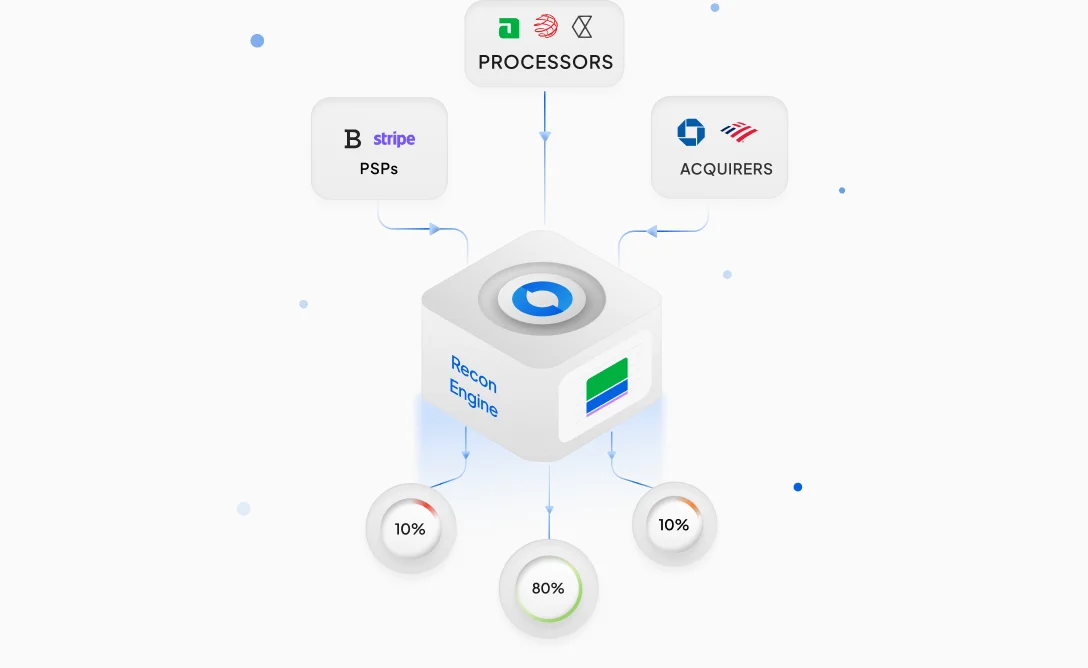
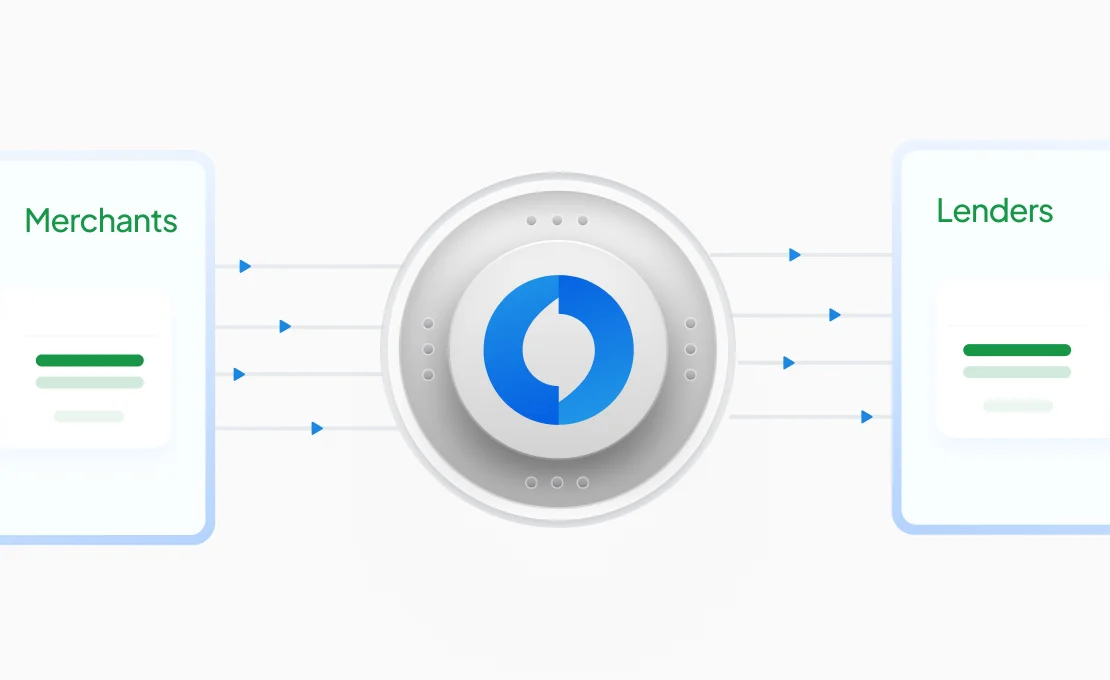
Payment orchestration is the centralization of multiple payment providers, gateways, and risk tools through a single, unified layer, enabling merchants to streamline operations, maximize acceptance, and control costs.
Scaling regionally without orchestration forces teams into brittle, one-off integrations and manual routing. This creates a need for a single API and orchestration layer to navigate diverse rails and regulations, improving failover, authorization, and time-to-market.
Juspay’s global reach and regional integrations
Juspay was built at the center of the world's most high-volume real-time payments market. It processes over 300 million transactions daily across 150+ countries, handles USD 1 trillion in annualized payment volume, and maintains 99.999% platform uptime. India's payments market is a stress test that most infrastructure never survives: 10 billion UPI transactions per month, hundreds of bank integrations, real-time fraud environments, tokenization mandates, and mobile-first consumers who expect sub-second confirmation. Building for that environment creates a platform capable of handling what APAC throws at it.
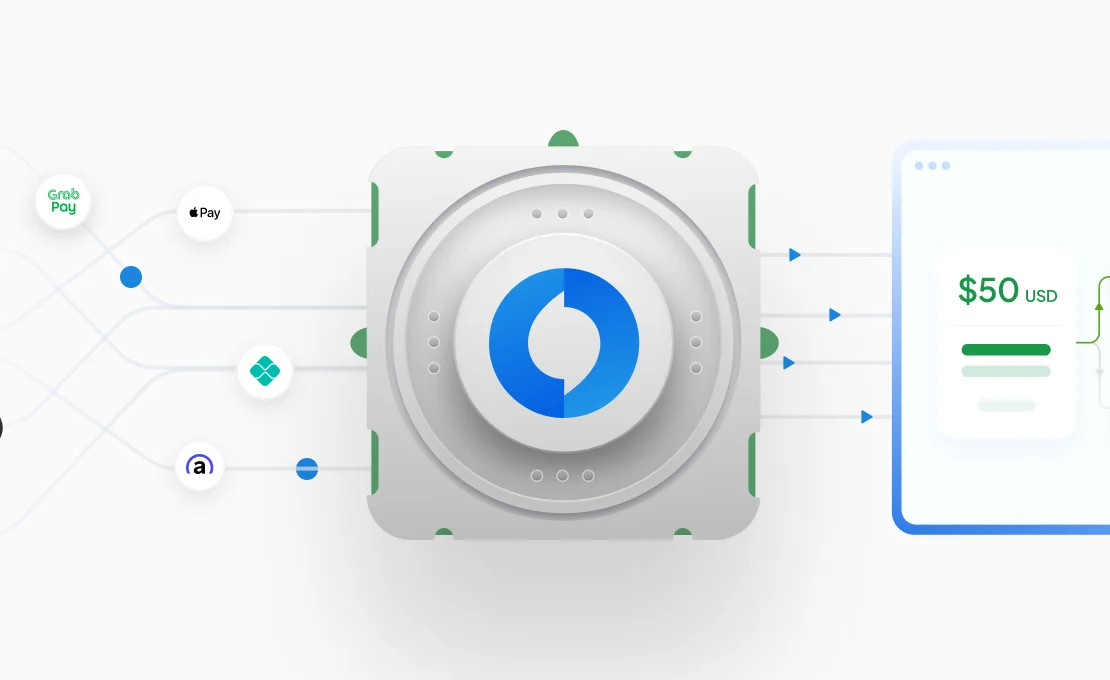
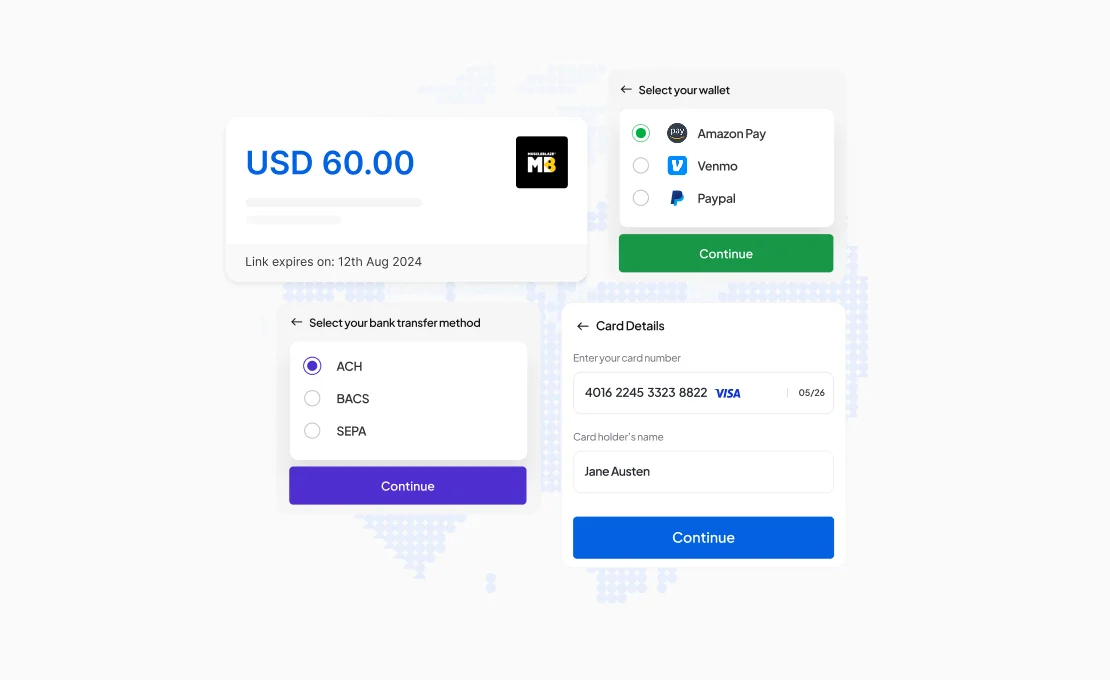
Juspay is positioned to simplify expansion and cross-border acceptance for global enterprises. Juspay offers 300+ PSP integrations for merchants operating in APAC, covering APMs, local card schemes, QR, and real time payment flows, to reduce technical lift and deliver localized acceptance out of the box. Regional integration means merchants can natively support popular wallets, pay-by-bank, and real-time payment experiences without rebuilding their checkout or compliance stack.
Juspay powers payments for some of the most demanding digital businesses including Amazon, Gooogle & Microsoft, demonstrating proven enterprise deployments at exceptional scale.
Agoda scaled its payment infrastructure using Juspay’s full-stack payment orchestration and reconciliation services across various global markets. This enabled them to integrate with VNPay, PayPay, LinePay, Apple Pay, and UPI through a single integration. Launching across multiple local payment methods simultaneously isn't just a feature, it's an architectural capability built on deep, native integrations that go far beyond standard API wrappers.
Value-added products powering APAC payments
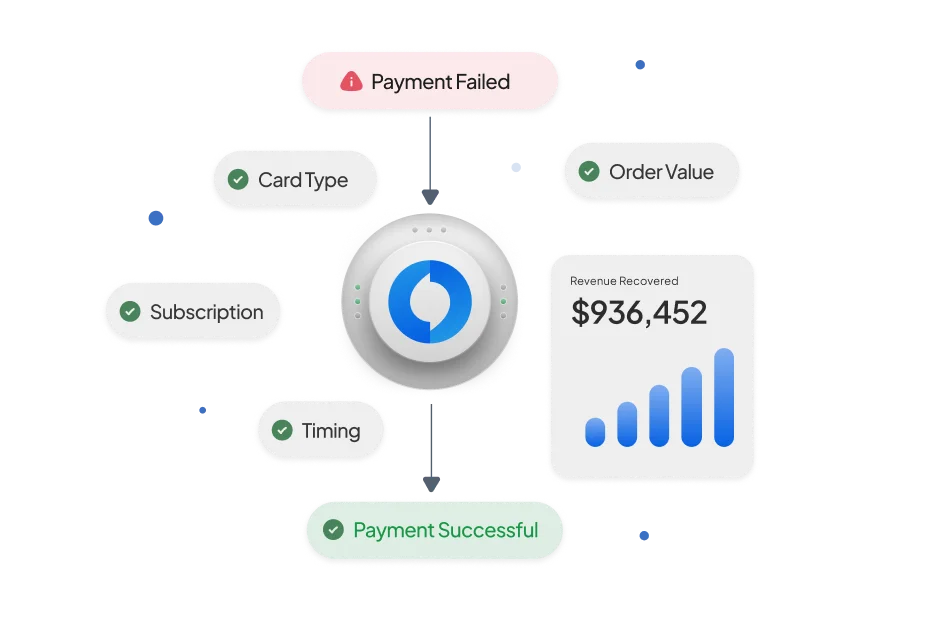
Juspay’s stack approach removes friction where it hurts most: involuntary churn from authentication friction, cross-border declines from issuer sensitivity, and UX drop-offs from slow or unfamiliar checkout flows. Unified dashboards, observability, and experimentation features let teams ship changes quickly, measure impact, and standardize operations across markets.
Network tokenization and token vault
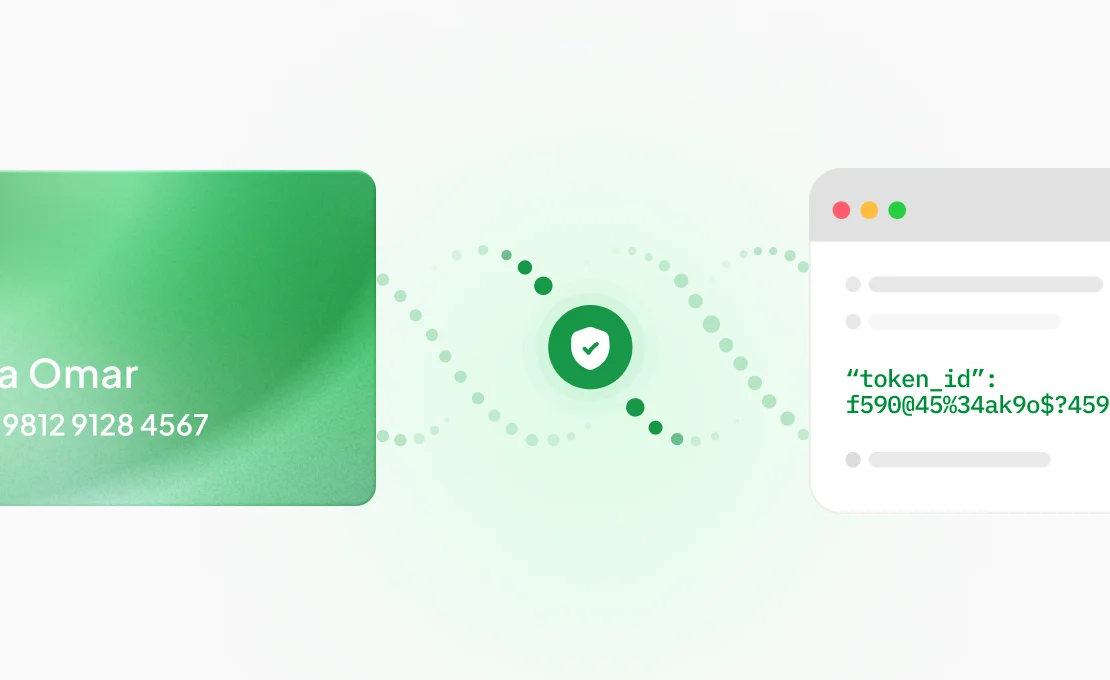
Network tokenization replaces sensitive card data with tokens issued by card networks, which are domain-restricted and dynamically updatable. This reduces PCI scope and fraud while preserving lifecycle events (like card updates) for better continuity and fewer declines.
Juspay delivers end-to-end token lifecycle management, a PCI DSS 4.0-aligned multi-region credential vault, and orchestration that activates tokens across issuers and markets, lifting approval rates, containing fraud, and enabling rapid regional scaling.
Global 3DS authentication suite
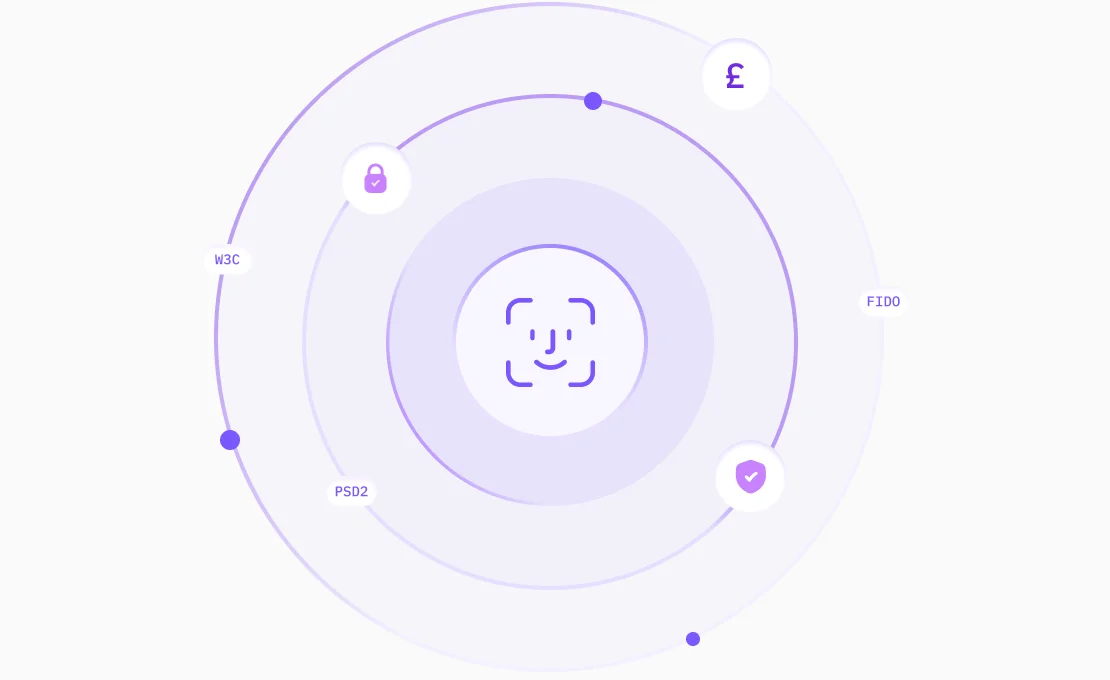
3D Secure authentication adds an extra verification step; such as a password, OTP, or biometrics to reduce fraud and liability on online card transactions. Juspay’s suite supports adaptive flows, dynamic step-up, and merchant-configurable risk rules, with APAC-specific integrations for local 3DS providers and support for evolving formats like biometric-first experiences, highlighted in industry trends.
Checkout experience suite and custom branded checkout
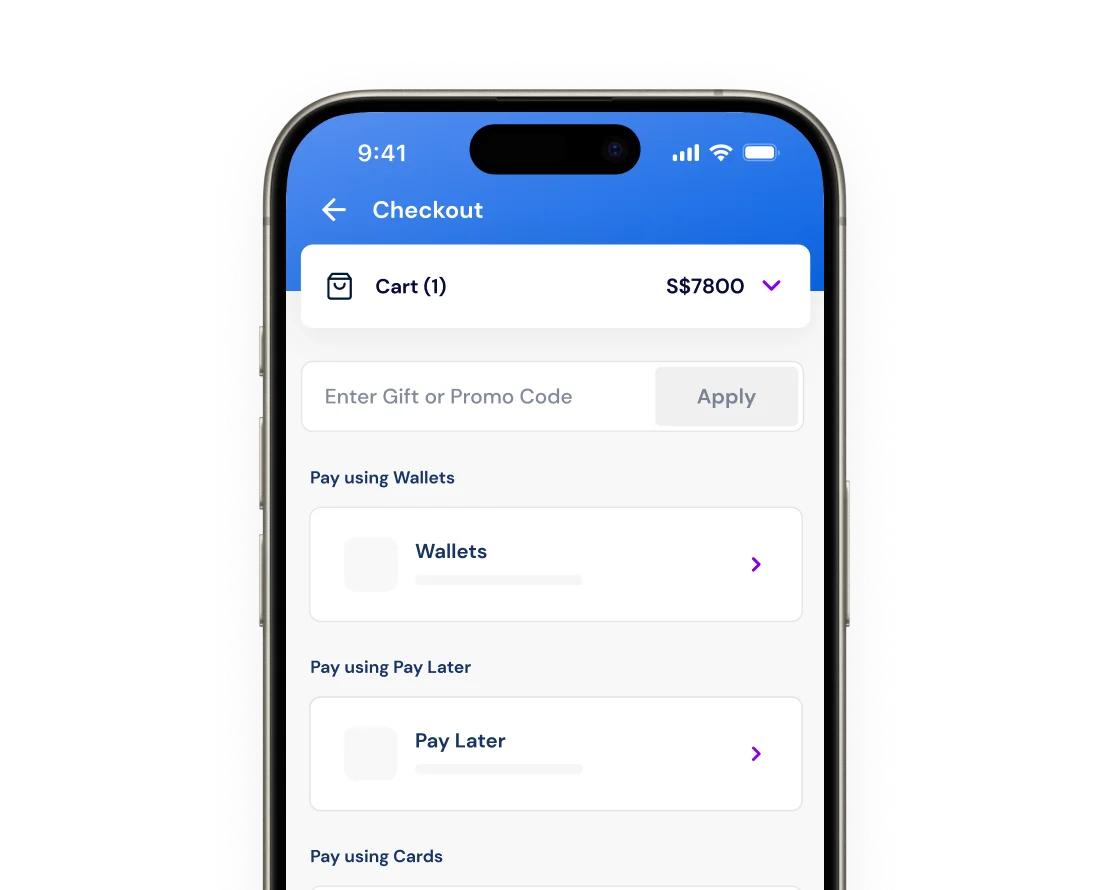
Juspay’s Checkout Experience Suite enables branded, native checkout for web and mobile with sub-100ms performance paths and support for 100+ gateways. No-code customization adapts flows to local user behavior, saving clicks, simplifying APM choices, and reducing drop-offs. Large retailers and travel platforms use this to launch localized checkouts per market without re-architecting their core apps.
Future readiness with evolving payments and authentication
Invisible checkout, device commerce, and real-time payments are redefining how APAC customers pay. Industry observers point to token-first credentials, embedded finance, and 3DS evolution as 2026 priorities. Juspay’s modular, API-driven stack is engineered to adopt new rails and standards quickly, from device-initiated flows and biometric authentication to multi-channel acceptance, ensuring your roadmap keeps pace with consumer and regulatory change.
Frequently Asked Questions
What transaction volume and uptime does Juspay provide for APAC enterprises?
Juspay processes over 300 million transactions daily and more than $1 trillion annually, with 99.999% uptime for near-continuous availability.
How does Juspay enable optimized cross-border and local payment flows?
A single API connects to 300+ PSPs and local APMs, enabling smart routing, fee optimization, and local-rail acceptance for both regional and cross-border payments.
Why is payment orchestration critical for APAC merchant growth and cost control?
It centralizes providers, automates routing and authentication, and standardizes compliance, improving approvals while controlling fees and accelerating market launches.
What industries in APAC benefit most from Juspay’s orchestration platform?
Travel, hospitality, fintech, retail, and banking benefit from Juspay’s regional integrations, global reach, and enterprise-grade reliability.