












Summary
McDonald's serves millions of customers daily across mobile, desktop, and in-store digital ordering, and expects checkout to keep pace with the speed of the rest of the order flow, whether a customer is paying through the app or an A2A (UPI) app. Transaction failures from network issues and inefficient PSP selection were costing sales, running personalized promotions at checkout required more manual configuration than the transaction volume could sustain, and reconciling payments across multiple PSPs, banks, and regions required consolidating disconnected data sources.
Juspay deployed Hyper Checkout for a branded, app-switching-optimized payment page with auto-read OTP; Payment Orchestration for dynamic, real-time PSP routing; an Offers Engine for automated, behavior-targeted promotions; Tokenization for secure one-tap repeat orders; and Unified Analytics & Reconciliation for centralized payment visibility. Together, these increased transaction success rates, reduced cart abandonment, and gave McDonald's a single view into payment performance across its PSP mix.
| What McDonald's Needed | What Juspay Delivered |
| Fast checkout with smooth A2A app-switching | Hyper Checkout with branded payment page and automatic return-to-app after UPI payment |
| Fewer transaction failures from network issues and PSP inefficiency | Payment Orchestration with dynamic, real-time PSP routing |
| Automated, targeted promotions without manual overhead | Offers Engine with location-, time-, and behavior-based automatic offer application |
| Secure, fast repeat ordering | Tokenization enabling one-tap checkout without re-entering card details |
| Centralized visibility across PSPs, banks, and regions | Unified Analytics & Reconciliation with real-time metrics and automated settlement matching |
Products Used
- Hyper Checkout
- Payment Orchestration
- Offers Engine
- Tokenization
- Unified Analytics & Reconciliation
McDonald's digital ordering spans mobile, desktop, and in-store channels, and each channel carries an implicit speed expectation set by the fast-food format itself — a slow checkout is a mismatch for a purchase that's meant to be quick by design, regardless of which channel it happens on. At McDonald's daily transaction volume, even small per-order friction compounds into meaningful lost sales.
Before working with Juspay, transaction failures driven by network issues and inefficient PSP selection were a direct source of lost sales and customer frustration, with no dynamic mechanism to route around an underperforming gateway in the moment. A2A (UPI) payments added a specific friction point of their own: paying through a separate UPI app and manually returning to the McDonald's app afterward introduces a natural drop-off point in an otherwise fast flow.
McDonald's also wanted to drive repeat business through targeted promotions — discounts and vouchers tailored to location, payment method, time of day, and customer behavior — but configuring and applying that level of personalization manually at checkout doesn't scale to McDonald's order volume. And with payments running across multiple PSPs, banks, and regions, reconciling settlement data meant assembling a picture from disconnected sources rather than working from one.
Speeding Up Checkout with Hyper Checkout
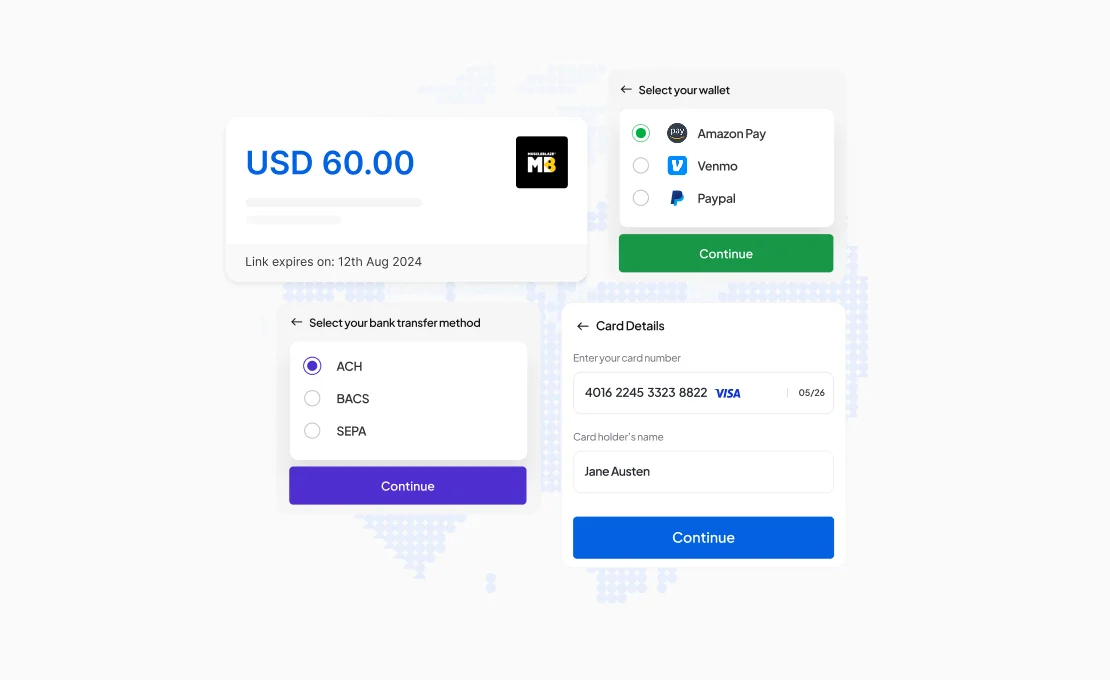
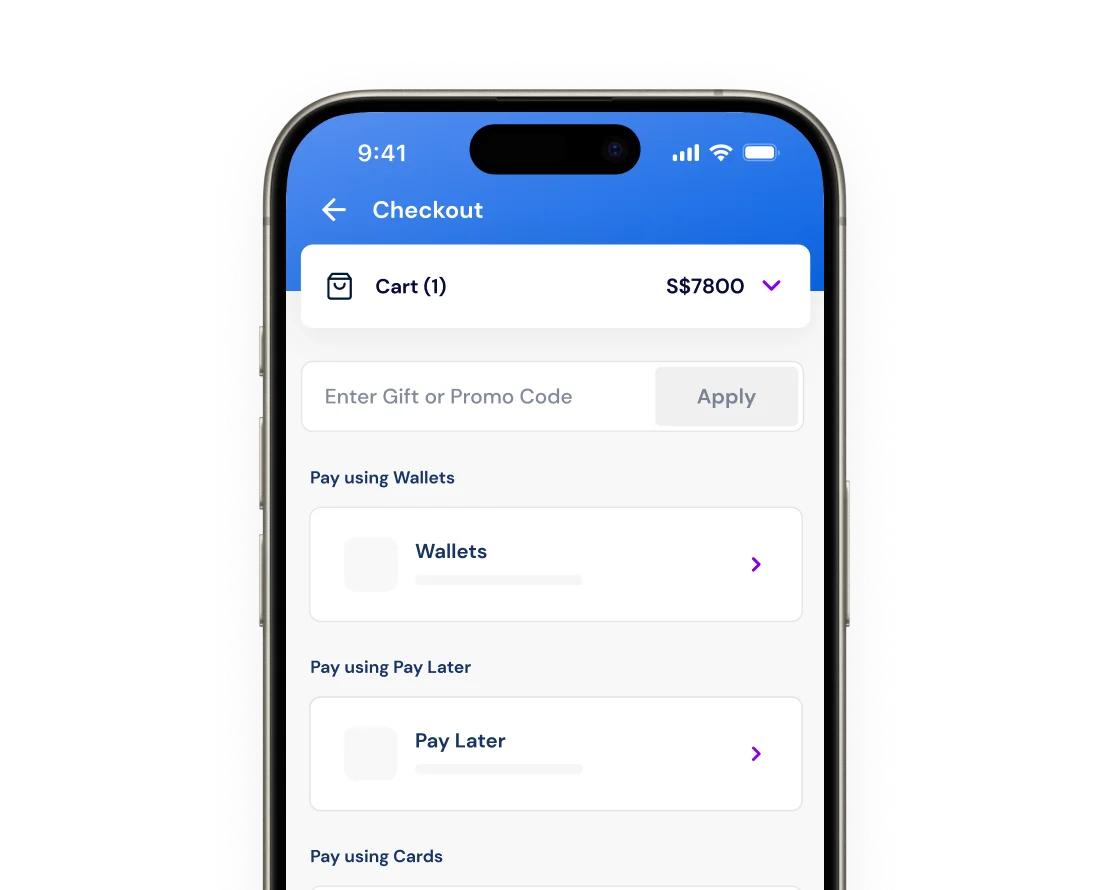
Hyper Checkout gives McDonald's a conversion-optimized, custom-branded payment page integrating UPI, cards, wallets, net banking, and alternative payment methods like Pluxee into a single flow. Consolidating payment methods into one branded page is what keeps checkout fast and consistent across mobile, desktop, and in-store ordering.
For UPI payments specifically, seamless app-switching moves customers between the McDonald's app and their preferred A2A app and back automatically, removing the manual return step that would otherwise introduce a drop-off point after payment. Auto-read OTP removes the equivalent friction point for card payments, eliminating manual OTP entry during verification.
Increasing Transaction Success with Payment Orchestration
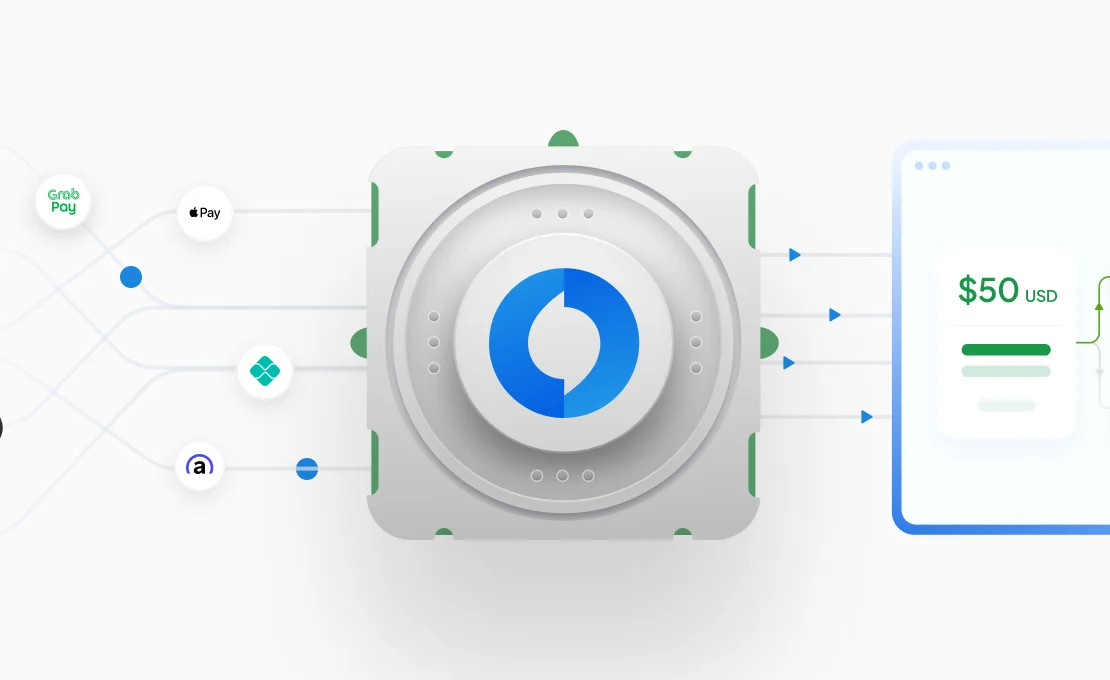
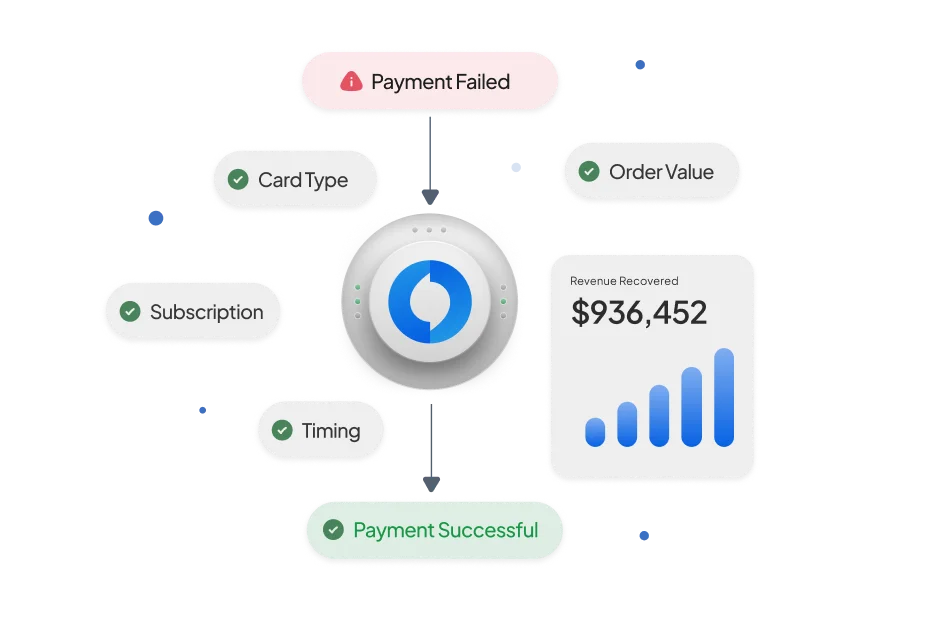
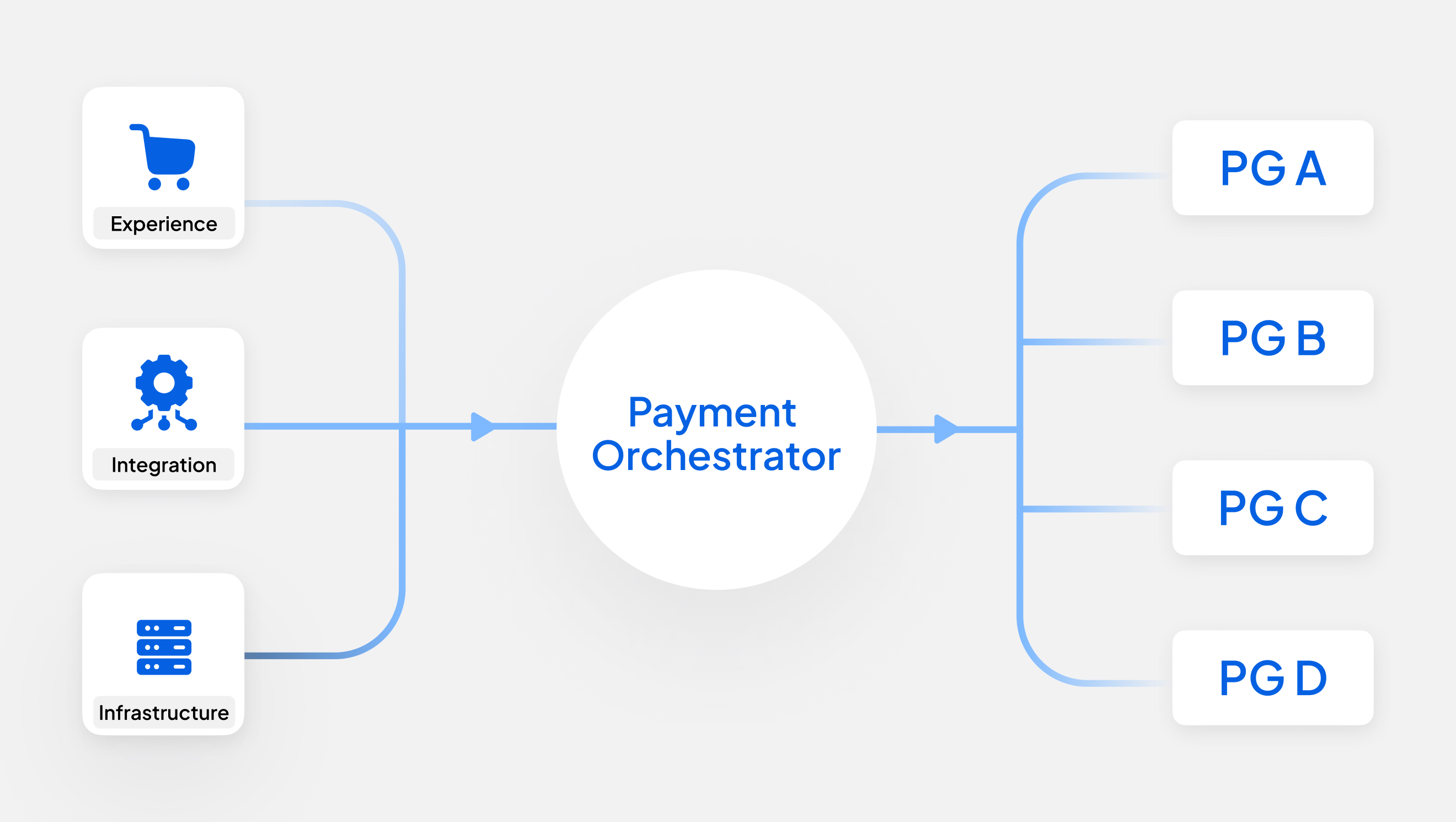
Static PSP assignment leaves transaction success exposed to whichever gateway is underperforming at a given moment, which is what was driving failures during network issues. Payment Orchestration routes each transaction dynamically to the most efficient PSP based on real-time success rates, cost efficiency, and fallback mechanisms, with routing rules that account for volume, cost, debit routing, and fallback options together rather than optimizing for a single factor in isolation.
No-code PSP connections simplify adding or managing gateways without engineering overhead per integration, and real-time monitoring of acceptance rates is what allows routing decisions to adapt as PSP performance shifts — which matters most during peak hours and promotional periods, when transaction volume and the cost of a routing misstep are both highest.
Driving Repeat Business with the Offers Engine
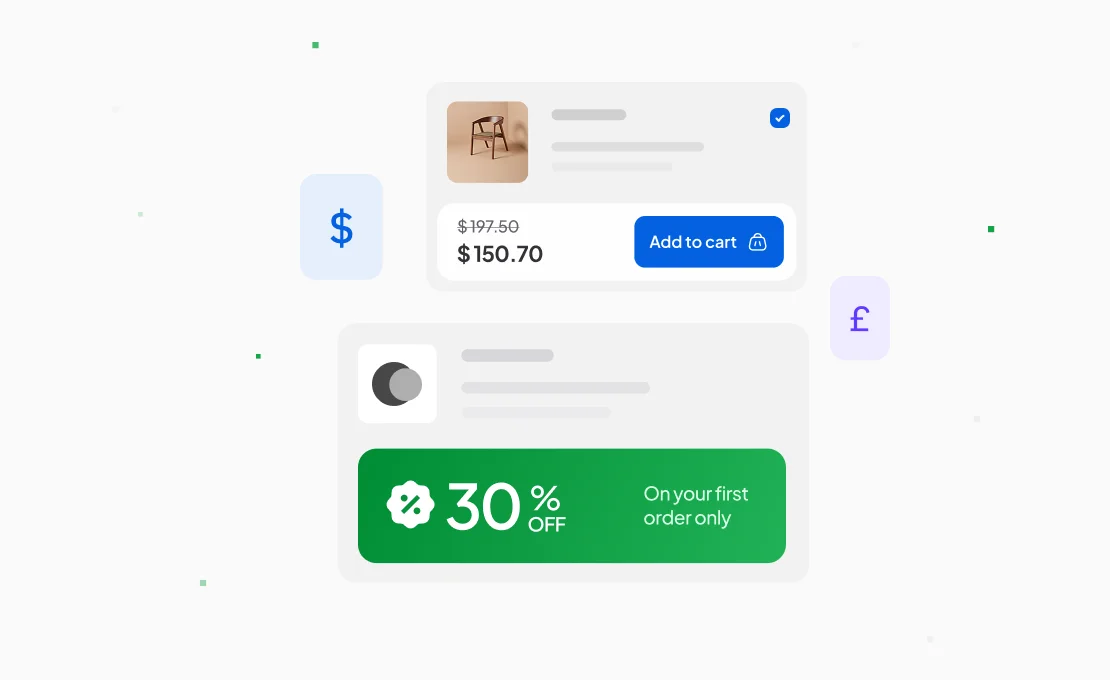
Personalizing promotions at McDonald's transaction volume fails as a manual process the moment targeting depends on more than one variable — location, payment method, time of day, and customer behavior each multiplying the number of distinct offer configurations needed. The Offers Engine applies discounts, vouchers, and promotions automatically at checkout based on these factors together, removing the manual configuration step per combination.
Multiple offer constructs — flat discounts, percentage discounts, bundled offers — let McDonald's match promotion type to campaign goal rather than working within a single discount format, and velocity checks with offer controls prevent overspending while keeping promotion timing aligned to campaign budgets. This is the mechanism behind increased repeat business and higher average order values: offers that are both targeted and reliably capped are more sustainable to run at scale than uncontrolled blanket discounts.
Securing Repeat Orders with Tokenization
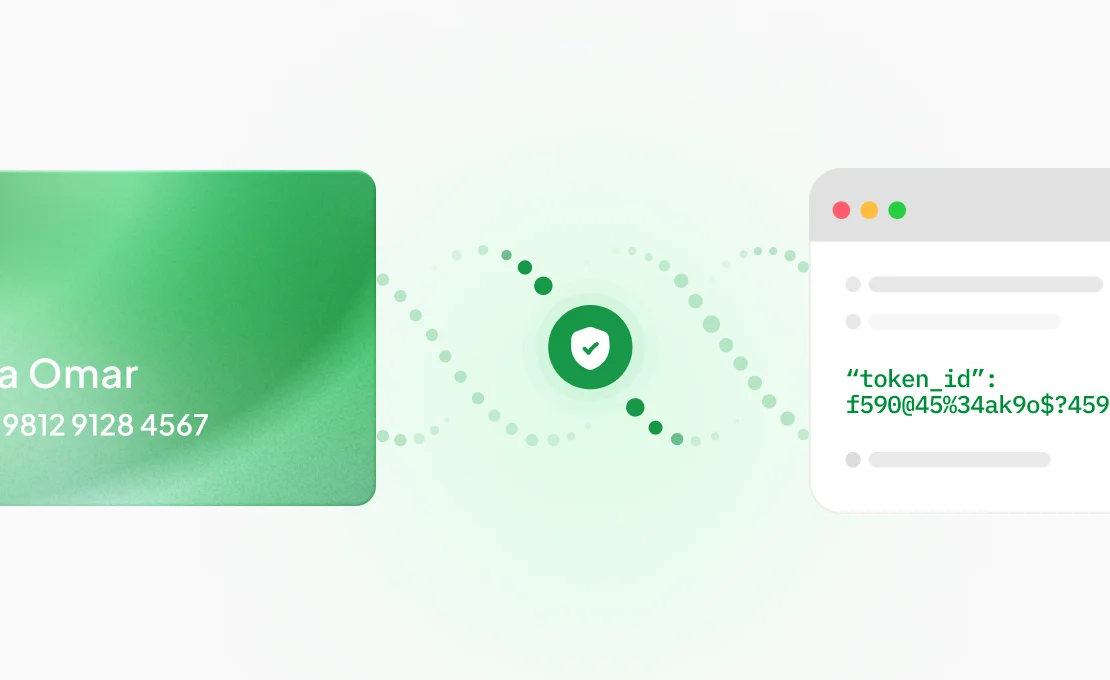
Returning customers re-entering full card details on every order is a friction point that recurs with every repeat purchase specifically, which matters for a brand where repeat ordering is central to the business. Juspay's Tokenization replaces card data with secure tokens, so returning customers complete orders with a single tap instead of re-entering payment details each time.
Because raw card data is never stored, tokenization also reduces fraud risk and keeps McDonald's aligned with global security standards without adding a separate compliance burden on top of the checkout experience.
Consolidating Reconciliation with Unified Analytics
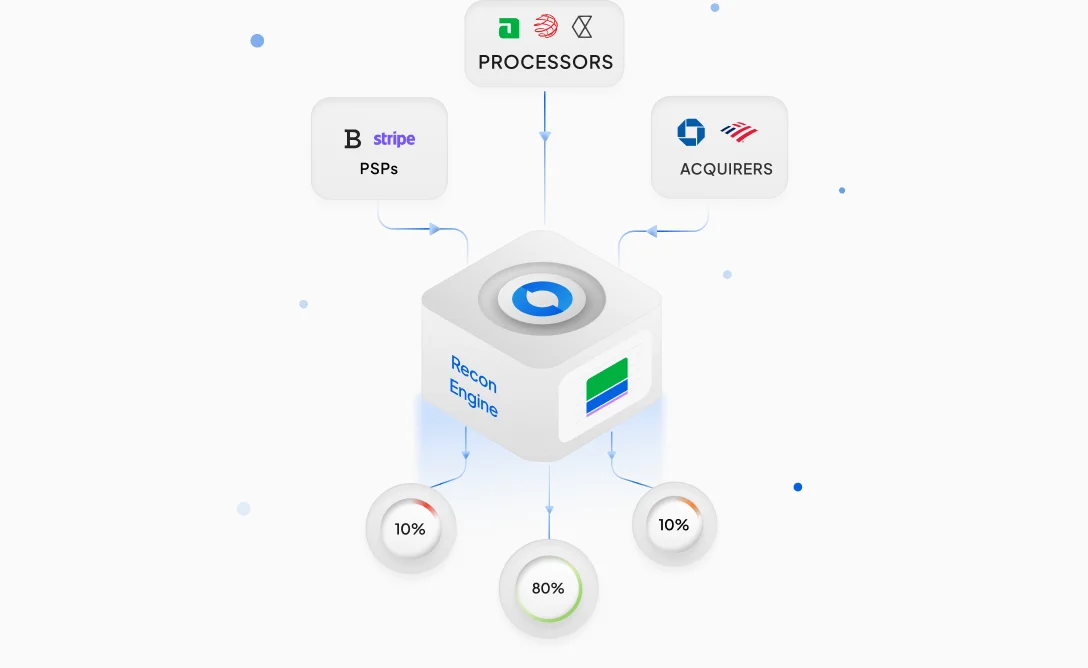
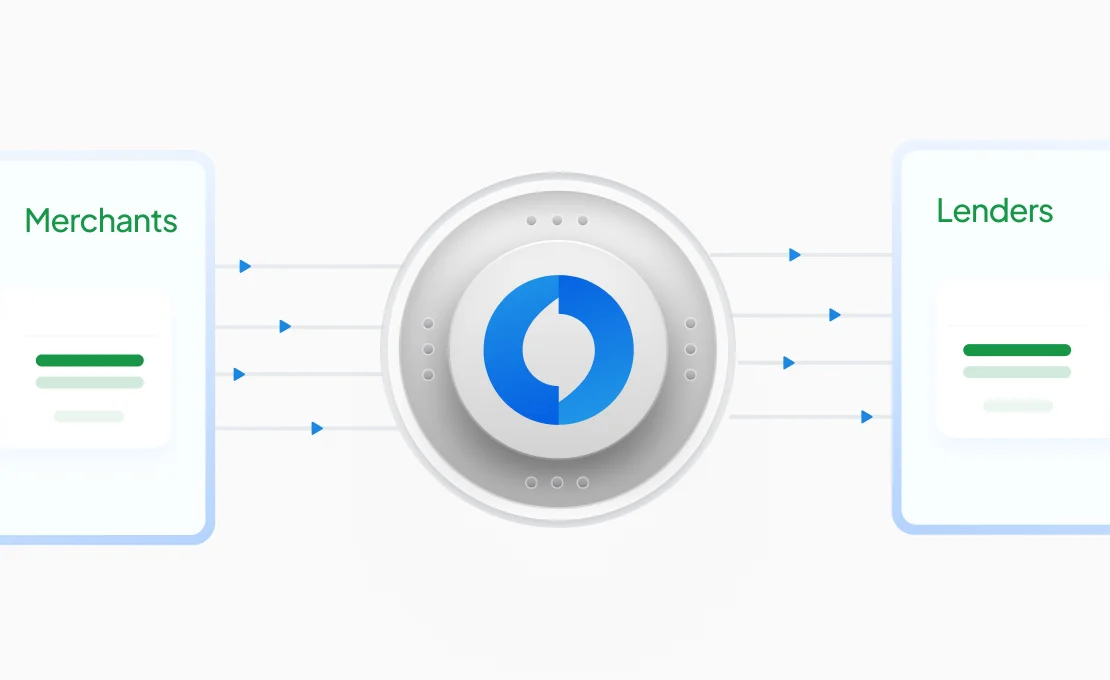
Payments spanning multiple PSPs, banks, and regions produce settlement data in different formats and on different schedules by default, which is what made reconciliation a manual, multi-source task before consolidation. Unified Analytics & Reconciliation gives McDonald's real-time payment metrics — success rates, transaction statuses, failures — across payment methods in one centralized dashboard rather than reassembled from each source separately.
Automated reconciliation across PSPs, bank reports, and internal order management systems matches settlement data instantly instead of requiring manual cross-referencing, and a consolidated view of chargebacks, refunds, and disputes is what lets McDonald's act on payment trends quickly rather than discovering them after the fact.
Outcomes
- Increased payment success rates from dynamic PSP routing and a streamlined checkout flow across channels
- Reduced cart abandonment from auto-read OTP, seamless app-switching, and tokenized repeat checkout
- Enhanced customer loyalty from automated, targeted promotions driving repeat business and higher average order values
- Increased operational efficiency from centralized payment monitoring and automated multi-source reconciliation
Looking Ahead
As McDonald's extends its digital payment capabilities into new regions, Payment Orchestration's routing logic and HyperCheckout's unified checkout extend to additional local payment methods without requiring a separate build per market. The Offers Engine continues to support personalized promotions as McDonald's customer base grows, and Unified Analytics & Reconciliation scales to cover new regions and PSPs while keeping payment visibility centralized rather than fragmented.