















Summary
Xiaomi, a global smartphone and consumer electronics brand, runs high-volume e-commerce traffic for smartphones, wearables, and IoT devices across India and other Asian markets, with demand spiking sharply around product launches and festive sales. Its checkout flow involved multiple redirects and slow validations that drove cart abandonment, PSP infrastructure lacked dynamic routing to handle traffic surges, offer management was fragmented across customer, payment, and seasonal dimensions, and repeat purchases required re-entering card details each time.
Juspay deployed Hyper Checkout for a unified, brand-consistent payment page with sub-100ms validations; Payment Orchestration for dynamic, success-rate-based PSP routing; an integrated Offers Engine for centralized promotion management; and Tokenization for secure one-click repeat purchases. Together, these improved conversion during peak-traffic events, reduced cart abandonment, and gave Xiaomi a scalable checkout foundation for expanding into new markets.
| What Xiaomi Needed | What Juspay Delivered |
| Faster checkout with fewer redirects | Hyper Checkout with a unified, brand-consistent payment page and sub-100ms validations |
| Reliable payment success during launch-day and festive traffic surges | Payment Orchestration with dynamic, real-time PSP routing |
| Centralized management of offers across PSPs and seasons | Integrated Offers Engine with single-dashboard configuration and real-time validation |
| Fast, secure repeat checkout for big-ticket purchases | Tokenization enabling one-click payments without re-entering card details |
Products Used
- Hyper Checkout
- Offers Engine
- Payment Orchestration
- Tokenization
- Unified Dashboard
Xiaomi's e-commerce site carries substantial baseline traffic across smartphones, wearables, and IoT devices, but that traffic is far from steady — new product launches and festive sales periods produce sharp, predictable surges where checkout reliability matters most and where the cost of failure is highest. A payment flow that performs adequately under normal load isn't the same flow that holds up on launch day.
Before working with Juspay, Xiaomi's checkout involved multiple redirects and validation steps, both of which add time between a customer's purchase intent and a completed transaction — the exact window where cart abandonment happens. Behind the checkout page, PSP infrastructure had no dynamic routing between providers, which meant transaction success rates were exposed to whichever PSP was underperforming at a given moment, with that exposure compounding during high-traffic events rather than easing.
Xiaomi also wanted to run time-limited discounts and bank-specific deals around launches and festive sales, but managing offers across multiple customer segments, payment methods, and seasonal windows without a central system meant configuring and validating each promotion separately. And because credit cards were the preferred method for big-ticket purchases like smartphones and TVs, any friction in repeat checkout — such as re-entering card details on every purchase — had an outsized effect on Xiaomi's higher-value, repeat-buying customers specifically.
Cutting Redirects and Validation Time with Hyper Checkout
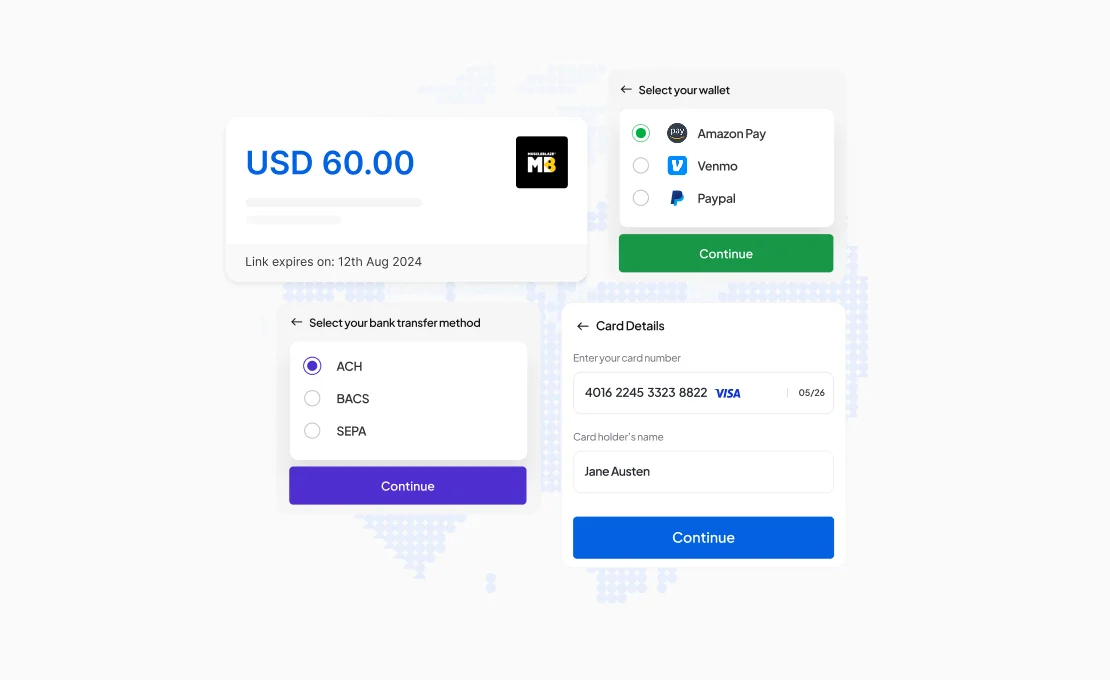
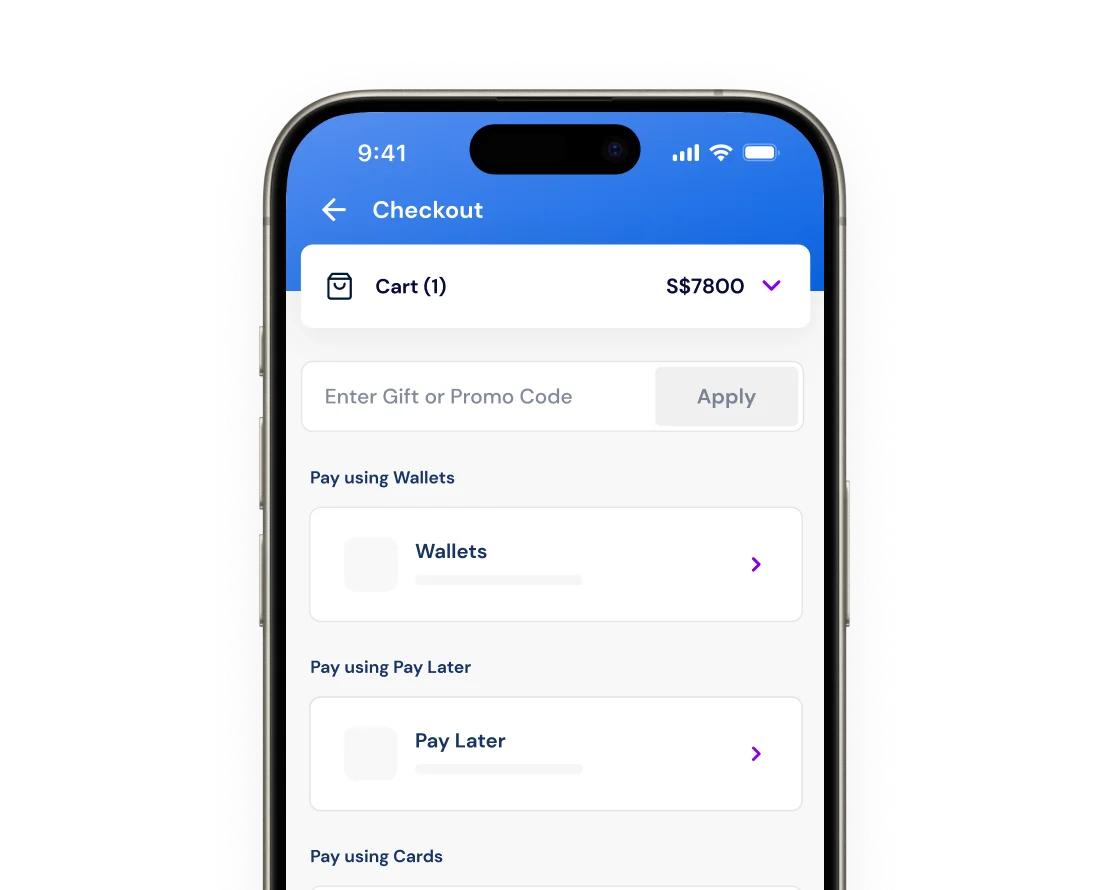
Hyper Checkout integrates directly into Xiaomi's site as a single, unified payment page showing credit card, debit card, and net banking options together, in a checkout UI matched to Xiaomi's brand language. Consolidating payment methods into one page removes the redirect chain that was previously extending checkout time and driving abandonment.
No-code dynamic UI updates let Xiaomi adjust checkout branding or add payment methods in real time without an engineering cycle, which matters for a brand running frequent launches and seasonal campaigns that each call for checkout updates. Sub-100ms validation times reduce the processing delay within each transaction itself, which is the mechanism most directly tied to conversion improvements for a high-volume merchant, since even small per-transaction delays compound across Xiaomi's traffic volume.
Handling Traffic Surges with Payment Orchestration
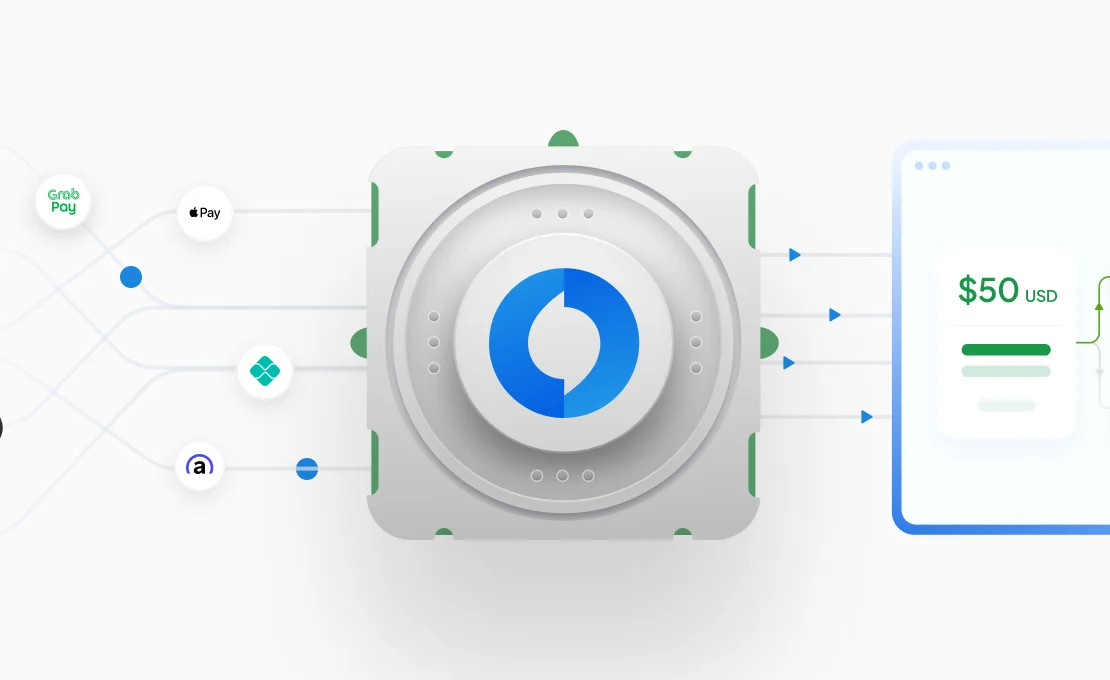
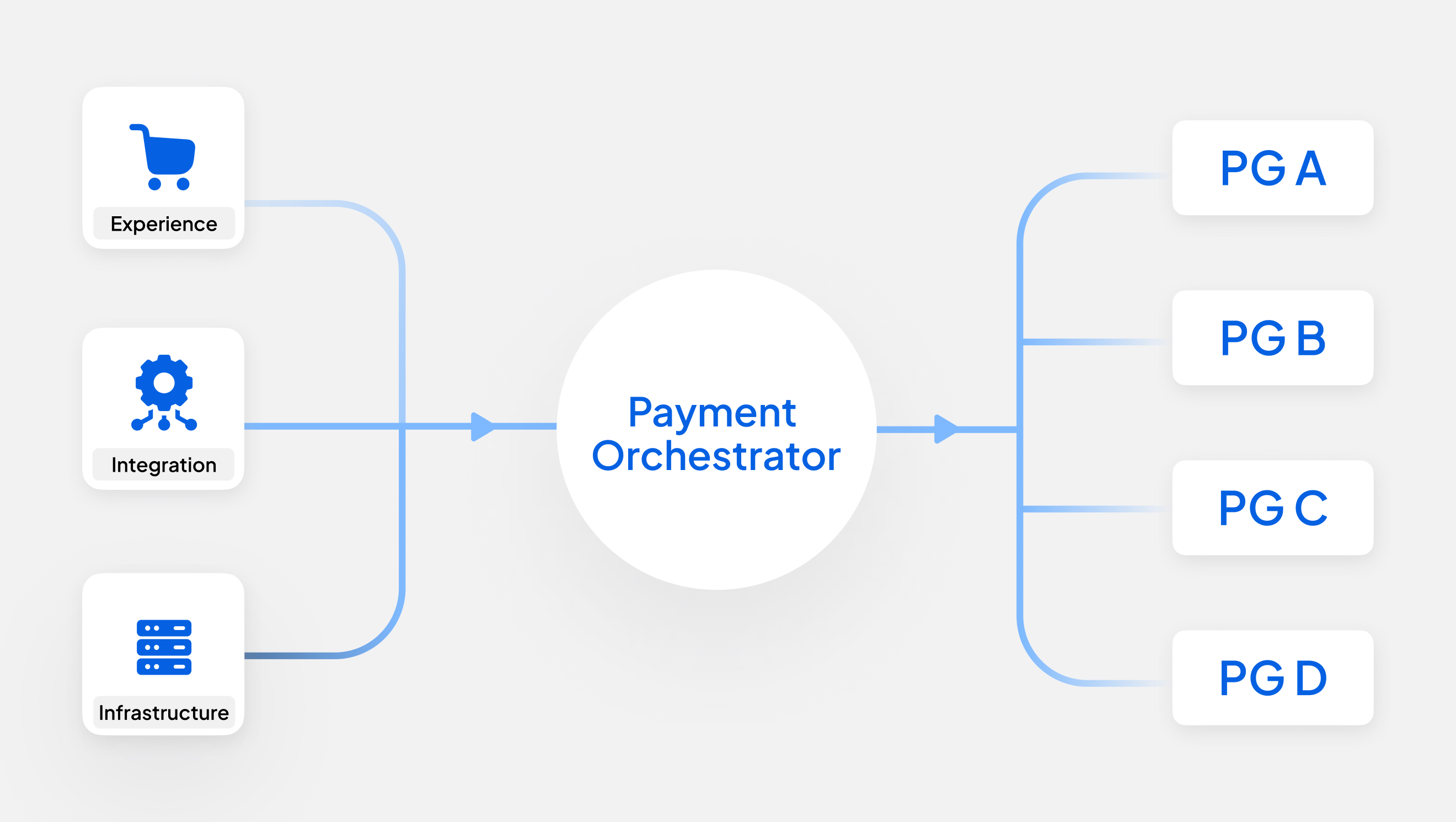
Payment Orchestration routes each transaction dynamically to the best-performing PSP based on real-time success rates, cost, and availability, rather than a fixed PSP assignment. This is what sustains card success rates specifically during high-traffic events like product launches and festive sales — as one PSP's performance degrades under surge load, routing shifts toward currently better-performing processors instead of continuing to route through a degrading path.
Centralizing multiple PSPs and payment methods into one system reduces the integration and monitoring overhead of managing each connection separately, which is what allows Xiaomi's infrastructure to absorb seasonal surges without requiring separate scaling work for each PSP individually.
Centralizing Promotions with the Offers Engine
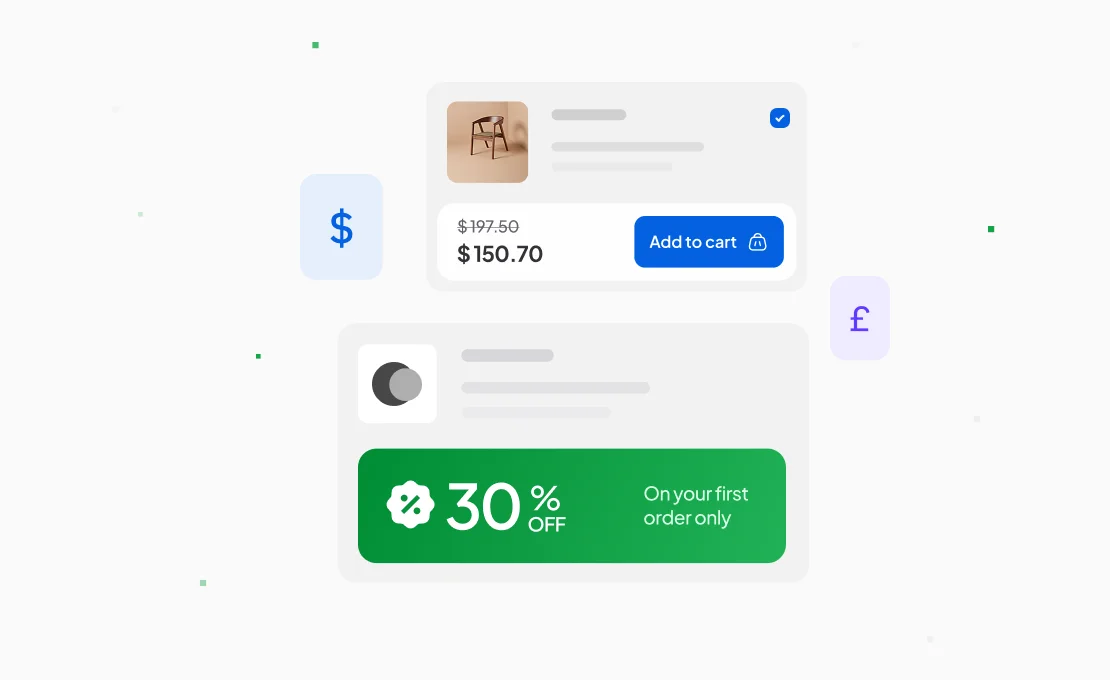
Running offers across multiple customer segments, payment methods, and seasonal windows becomes an operational burden once each dimension requires separate configuration and validation — a coupon that needs to apply differently across bank cards, product categories, and sale periods multiplies quickly without a central system. Juspay's Offers Engine lets Xiaomi surface coupon codes and bank-specific deals without additional integration work per offer, configuring rules once from a single dashboard rather than per campaign.
Real-time validation at checkout ensures the correct offer applies to each transaction automatically, removing the manual verification step that would otherwise be needed to confirm a customer received the right discount. This consolidation is what lets Xiaomi manage promotion operations end-to-end — from sourcing an offer to optimizing it — across its full PSP mix from one place.
Securing Repeat Purchases with Tokenization
For repeat buyers of high-ticket items like smartphones and TVs, re-entering full card details on every purchase is a recurring point of friction that scales with how often a customer returns. Juspay's Tokenization replaces stored card data with secure tokens, so actual card data never touches Xiaomi's servers — reducing fraud exposure and keeping Xiaomi aligned with global security standards without added compliance overhead.
For the customer, this is what enables faster checkout on repeat purchases specifically: tokenized details mean returning buyers skip re-entering card information entirely, which matters most for Xiaomi's frequent, higher-value buyers.
Outcomes
- Improved conversion rates from faster, redirect-free checkout and sub-100ms validation at high transaction volume
- Increased customer engagement from targeted, real-time-validated promotions through the Offers Engine
- Reduced cart abandonment from tokenized repeat checkout and a consolidated payment page
- Scalable payment infrastructure that held up through peak-traffic events like product launches and festive sales
Looking Ahead
As Xiaomi expands its e-commerce footprint across Asia, its existing integration extends to local card schemes, regional wallets, and pay-later options with minimal additional development work per market. The same routing, checkout, and offer infrastructure that handles launch-day surges in existing markets is designed to carry forward into new ones, keeping checkout brand-aligned and transaction success rates high as Xiaomi enters each new market.