













Imagine an e-commerce brand that does everything right: a flawless website, integration with major international card networks like Visa & Mastercard, and a perfectly optimized checkout page. Yet, cart abandonment rates remain substantially high.
What is the missing piece? This is the reality for many merchants who overlook local card networks in the MENA region. While international cards may suffice elsewhere, the Middle East plays by its own rules. Here, local payment networks are not just alternative options, they are the preferred way consumers pay. Let’s take a deep dive into why accepting local card networks is a necessity for merchants succeeding in MENA.
Why Local Card Networks Dominate MENA
When most businesses think of payments, they think of the standard international Visa & Mastercard card networks. That strategy works in the western markets. But in MENA, local card networks control the majority of transactions.
The numbers tell the story. E-commerce sales using MADA cards in Saudi Arabia reached $52.64 billion in 2024, growing over 25% year-on-year. In Kuwait, nearly 80% of all online transactions happen through KNET cards. These aren't niche payment methods. They're mainstream.
What makes local networks powerful? Three factors: government mandates, customer trust, and ubiquitous acceptance. Banks must issue these cards. Merchants widely accept them. Customers prefer them.
MADA: Saudi Arabia's Payment Giant
Let's start with MADA, Saudi Arabia's national payment scheme. If you're doing business in the Kingdom, MADA isn't optional.
MADA accounts for over 90% of cards issued in Saudi Arabia and handles more than 95% of total transactions. Nearly every payment in the country flows through this network.
The growth is remarkable. E-commerce sales via MADA reached $7.34 billion in March 2025 alone, marking a 73% year-on-year increase. Online transactions hit 147.6 million that month, up 54.5% from March 2024.
Why do customers love MADA? Convenience and security. Because Saudi Payments (a Saudi Central Bank subsidiary) operates MADA, customers trust it. Cards link directly to bank accounts, appealing to consumers who avoid credit card debt.
For merchants, there's a compelling cost advantage. Processing fees through MADA are typically lower than international networks. You save money on every transaction. Plus, with Saudi Arabia's Vision 2030 pushing digital transformation, MADA adoption will only accelerate.
Jaywan: UAE's Rising Star
The UAE launched Jaywan in 2024, and it's already reshaping payments in the UAE. Al Etihad Payments, a UAE Central Bank subsidiary, created Jaywan to reduce dependence on international networks. The scheme will be offering debit, prepaid, and credit cards usable across online, ATM, and POS channels.
Smart partnerships accelerated adoption. In March 2025, Jaywan partnered with Mastercard, Visa, and China's UnionPay to launch co-badged cards. Customers get cards that work seamlessly in the UAE through Jaywan's domestic system but can also use them internationally through Visa, Mastercard, or UnionPay networks.
The infrastructure rollout happened fast. By August 2024, more than 90% of POS terminals in the UAE were ready to accept Jaywan cards. Around 95% of ATMs had been upgraded to process Jaywan transactions.
Here's where merchants win: Jaywan's interchange rates are almost 30 basis points below international schemes. That 0.30% difference adds up quickly. On $1 million in monthly transactions, you'd save $3,000 per month or $36,000 annually.
NAPS: Qatar's National Network
Qatar's National ATM & POS Switch (NAPS) launched in 1996 and connects businesses to more than 3 million local cards. The network processes over 100 million transactions annually.
NAPS provides QPay for e-commerce, which has become essential for Qatar's online ecosystem. The Qatar Central Bank recently announced direct integration for fintech companies with NAPS and QPay, enhancing the fintech sector.
Qatar is also introducing the Himyan card, Qatar's first national prepaid debit card. It'll be available to citizens, residents, minors, and visitors without requiring a minimum balance. Payments will be processed through NAPS, providing a lower-cost alternative for merchants.
KNET: Kuwait's Debit Card Backbone
KNET has dominated Kuwait's payments since 1992. All debit cards issued in Kuwait must carry the KNET brand. With 80% of the 5 million cards being debit cards, that's roughly 4 million KNET cards in circulation.
Nearly 80% of all online transactions in Kuwait happen via KNET. The network makes up over 85% of all processed transactions annually.
For merchants targeting Kuwait, KNET isn't optional. Kuwaitis prefer debit cards over credit cards, and Kuwait has one of the highest debit card usage rates in MENA.
KNET launched its Payment Gateway in 2004, transforming online payments in Kuwait. The gateway accepts all local debit cards from member banks and works with major programming languages like JSP, ASP, and PHP.
Transaction costs through KNET are typically lower than international card schemes, helping merchants keep expenses down.
BENEFIT: Bahrain's Electronic Network
BENEFIT has powered Bahrain's payments since 1997. Debit cards account for 70% of total transactions in Bahrain. Of the 1.5 million cards issued, 70% are debit cards branded with BENEFIT.
The network processed 421 million electronic fund transfer transactions in 2024, a 22% increase from 2023. Transaction values reached BD 33 billion ($87 billion) in 2024, up 14% from the previous year.
Contactless payments have grown significantly. The volume of contactless card payments jumped from 31.9 million in 2020 to 168.9 million in 2024. That's a 429% increase in just four years.
BENEFIT also offers BenefitPay, a digital wallet that's become the most used wallet in Bahrain. It accepts all local debit cards and supports QR code payments, P2P transfers, and online shopping.
The Real Business Impact
Let's talk about what this means for your bottom line.
Lower Processing Costs: Local networks typically charge lower interchange fees than international cards. That 0.30% difference on Jaywan versus international schemes translates to real savings. On a $1 million monthly volume, you save $36,000 annually.
Higher Conversion Rates: Offering familiar, trusted payment methods increases conversions. Research shows local payment methods can boost conversion rates by 10-30%. If your current rate is 2%, improving to 2.6% represents a 30% sales increase with zero additional marketing spend.
Faster Settlement: Local networks often provide same-day or next-day settlement, improving cash flow. Better cash flow means you can negotiate better supplier terms, reduce working capital loans, and reinvest in growth faster.
Getting Started
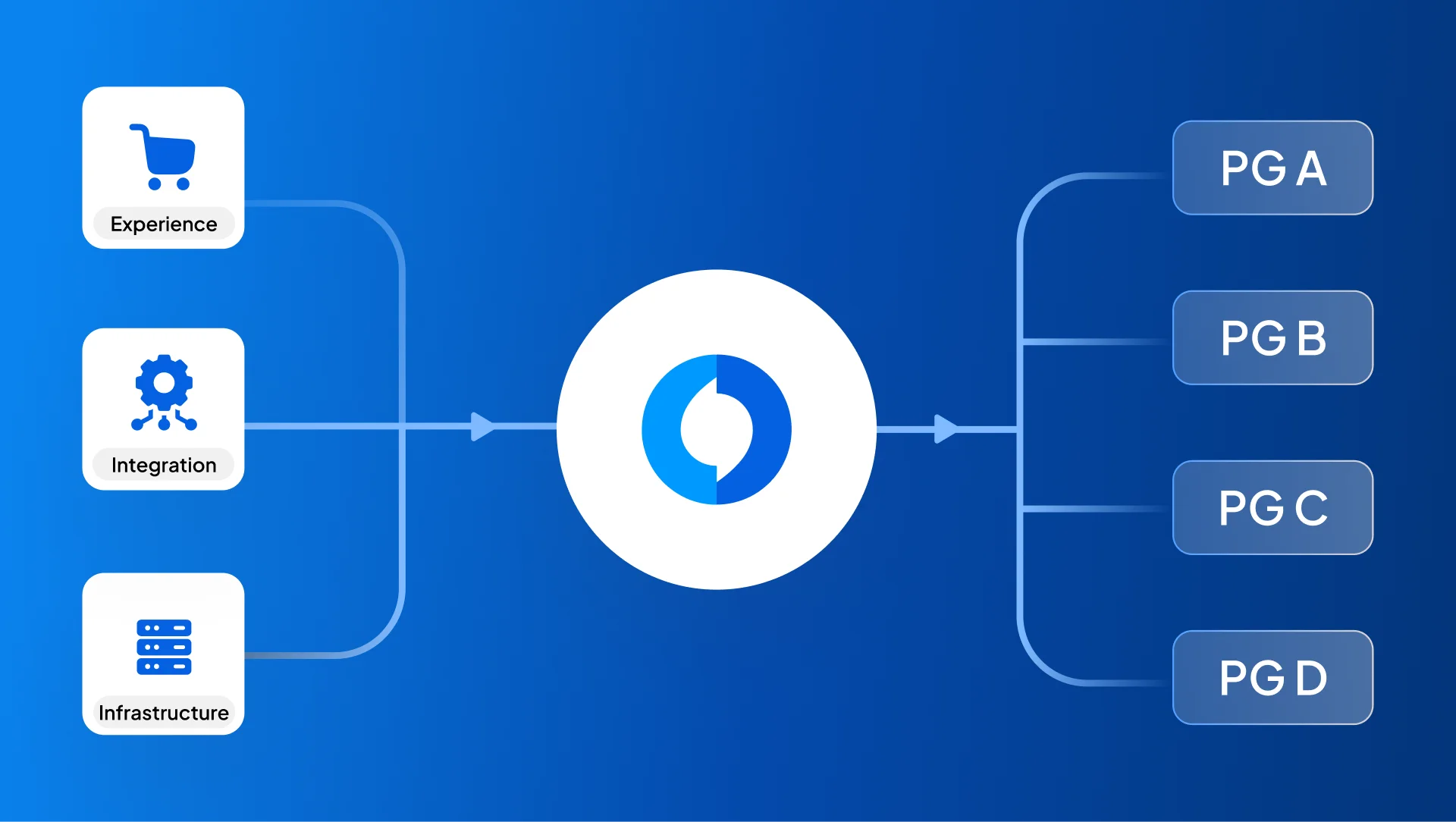
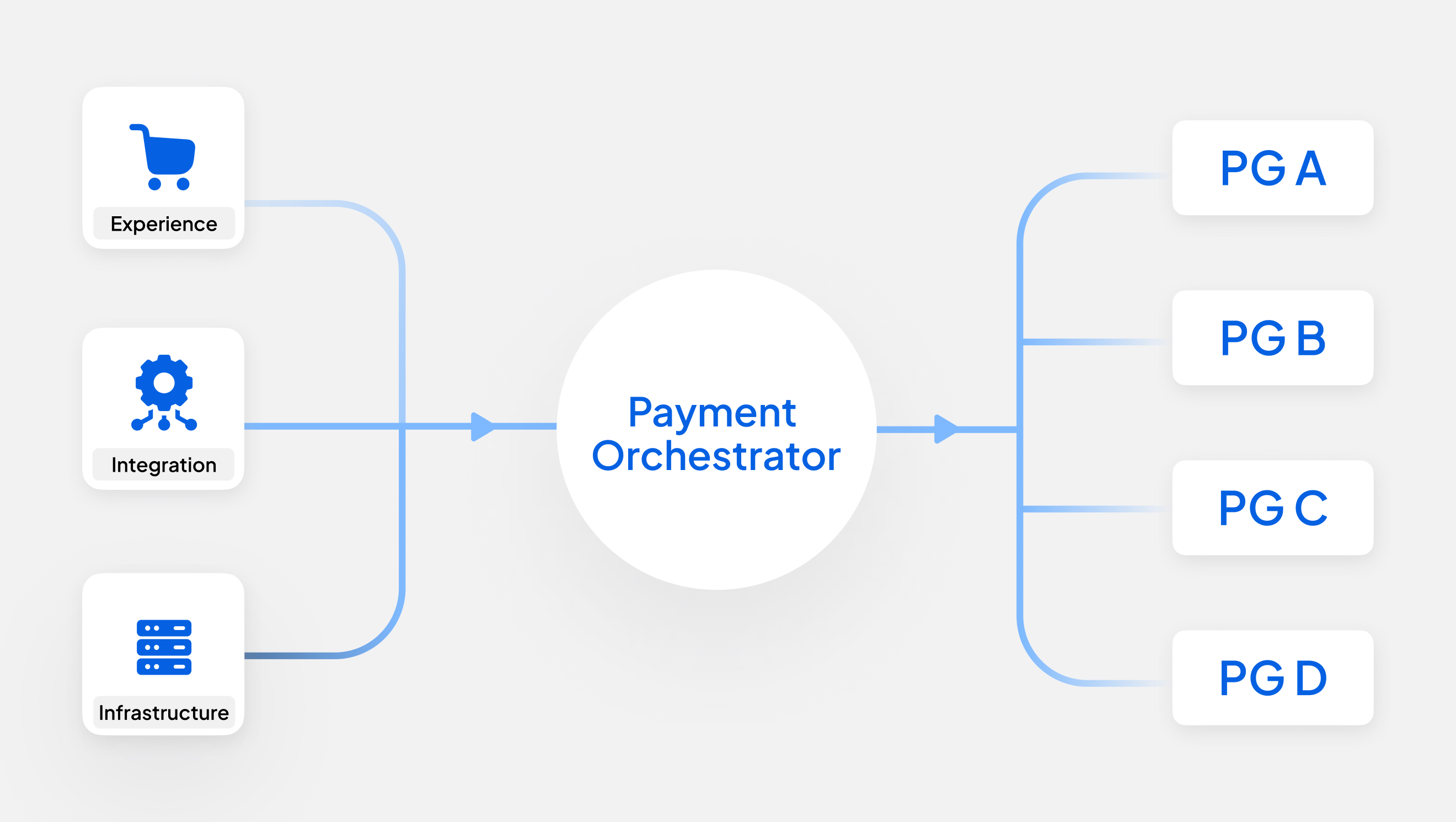
You don't need to integrate each network separately. Payment orchestration platforms like Juspay connect you to all major MENA local networks through a single integration.
Juspay handles MADA in Saudi Arabia, Jaywan in UAE, KNET in Kuwait, BENEFIT in Bahrain, and NAPS in Qatar With 99.999% uptime and over 300 million daily transactions, Juspay simplifies payment acceptance while maximizing success rates.
The MENA digital economy is booming. Governments are pushing transformation. Consumers are embracing digital payments. The infrastructure exists. The question isn't whether to accept local card networks. It's how quickly you can implement them.