












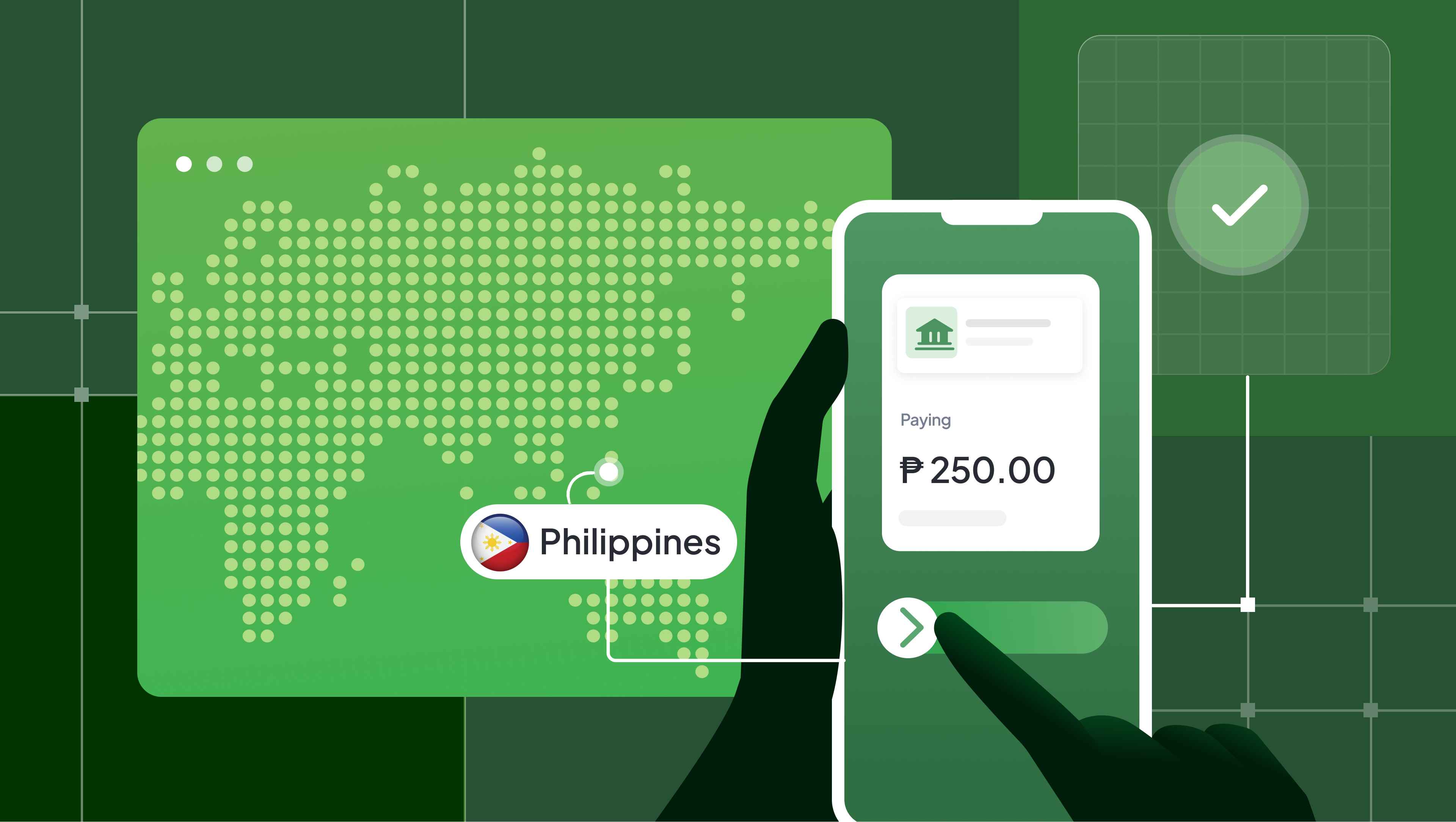
The contemporary payments landscape in the Philippines is the direct outcome of a deliberate, regulator-engineered strategy orchestrated by the Bangko Sentral ng Pilipinas (BSP). Through a series of multi-year digitalization initiatives, the BSP has successfully guided the country from a cash-heavy, geographically fragmented economy to one where digital payments are mainstream.
The Payment Landscape Overview
As of 2024, 57.4% of retail payments are digital, surpassing Philippine Development Plan 2023–2028 target of 52–54% and marking the success of the BSP’s multi-year digital roadmap. This marks a decisive milestone in the country’s journey toward a cash-lite economy.
Adoption is strongest in Government-to-Person (G2X) transactions are now at 97.2% digital by volume. Person-to-X (P2X) transactions, the main engine of consumer-led growth, stand at 72.2% digital, while B2B supplier payments remain marginal at 6.2%.
The primary drivers of the overall digital volume are Merchant Payments (P2M), which account for 66.4% of all digital transactions, and Person-to-Person (P2P) Transfers, which account for 20.6%.
In essence, the Philippines’ digital payments journey has been consumer-led, propelled by strong regulatory direction and rapid adoption at the retail level. As the foundation solidifies, the country’s next phase of transformation will hinge on digitizing enterprise payments—streamlining B2B transactions, supply chains, and invoicing to unlock the full potential of a seamless, digitally integrated economy.
For merchants operating in or entering the Philippines, this landscape presents a compelling business case for immediate digitalization. The ecosystem has effectively lowered the barrier to entry for digital acceptance; the interoperable QR Ph standard allows merchants to bypass expensive legacy Point-of-Sale (POS) hardware in favor of low-cost, asset-light QR codes. By accepting the preferred payment methods of the 72.2% of citizens making digital P2X payments, merchants unlock access to a broader consumer base and generate transaction data that can be leveraged for credit scoring and supply chain financing, a capability previously non-existent in the cash economy.
For merchants, this landscape dictates a specific operational reality:
- Method Mix: Acceptance of GCash and Maya is now as critical as accepting Visa or Mastercard, with e-wallets driving the vast majority of consumer adoption.
- Cost Efficiency: The landscape favors local rails. Merchant Discount Rates (MDR) for QR Ph and local wallets typically hover between 1.5% and 2.0%, significantly lower than the 3.5% often associated with international credit card processing.
- Interoperability: The ecosystem is moving away from "walled gardens." The BSP’s enforcement of interoperability means merchants no longer need clutter their counters with multiple QR codes; one QR Ph code connects them to the entire banking and e-wallet population.
Recent Innovations and Regulations Shaping the Landscape
The ecosystem's rapid evolution is anchored in a robust legal and regulatory framework actively managed by the BSP.
- Merchant Acquisition Licensing (Circular No. 1198, 2024): This critical framework de-risks the merchant ecosystem by requiring non-bank merchant acquirers to obtain a Merchant Acquisition License (MAL). It mandates that all merchant proceeds be held in segregated accounts—separate from the operator's own funds—to eliminate settlement risk.
- Expansion of Digital Banks (January 2025): To intensify competition, the BSP lifted its moratorium on digital banking licenses effective January 1, 2025. The cap on licenses was increased from six to ten, allowing new capital-rich players (minimum P1.0 billion capitalization) to enter the market.
- BNPL Interest Rate Caps (January 2025): A new pilot regulation imposes interest-and-fee caps on "Buy Now, Pay Later" products. Effective January 1, 2025, this measure limits the total cost of credit (approx. 3% per month) to prevent predatory pricing in the rapidly growing consumer lending sector.
- Open Finance Pilot (Ongoing): The BSP is actively testing the Open Finance Framework, which establishes data portability rights. This regulation allows consumers to authorize the sharing of their financial data with third-party providers, laying the groundwork for alternative credit scoring and personalized financial services.
- The Foundational Law (NPSA): Underpinning all these circulars is Republic Act No. 11127 (National Payment Systems Act), which grants the BSP the legal authority to register, supervise, and penalize all operators of payment systems (OPS) in the country.
Key Players in the Ecosystem
The market structure is defined by several key players, each with a specific, regulator-defined role.
The Architect: The Bangko Sentral ng Pilipinas (BSP)
The BSP is the ecosystem's prime mover. It functions simultaneously as the chief regulator (enforcing the NPSA and MORPS), a core operator (running the Real-Time Gross Settlement system, PhilPaSS), and the national strategist (defining the DPTR).
The Conductor: Philippine Payments Management, Inc. (PPMI)
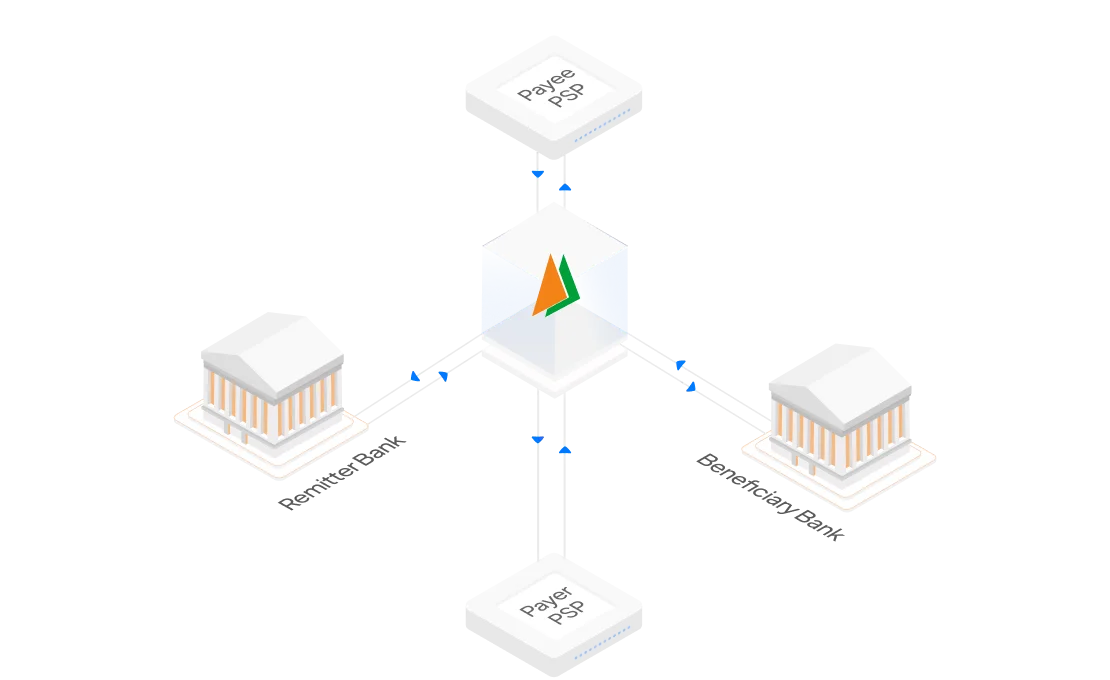
The ecosystem operates on a public-private partnership model. The BSP (public) sets the vision, but it has recognized the PPMI (private) as the official Payment System Management Body (PSMB). The PPMI is an industry cooperative body responsible for the day-to-day management and operation of the National Retail Payment System (NRPS) and its key automated clearing houses (ACHs): PESONet and InstaPay.
The Dominant E-Money Issuers (EMIs): A Two-Player Market
The consumer-facing market is a functional duopoly dominated by GCash (operated by G-Xchange, Inc.) and Maya (operated by Maya Bank, Inc.).
The New Guard: Licensed Digital Banks (DGBs)
These are the new, licensed competitors (DGBs) intended to challenge the incumbents. There are currently six operating: Maya Bank, Inc., Gotyme Bank Corporation, UnionDigital Bank, Unobank, Inc., Tonik Digital Bank, Inc., and the Overseas Filipino Bank Inc.
The Enablers: Operators of Payment Systems (OPS) / Payment Gateways
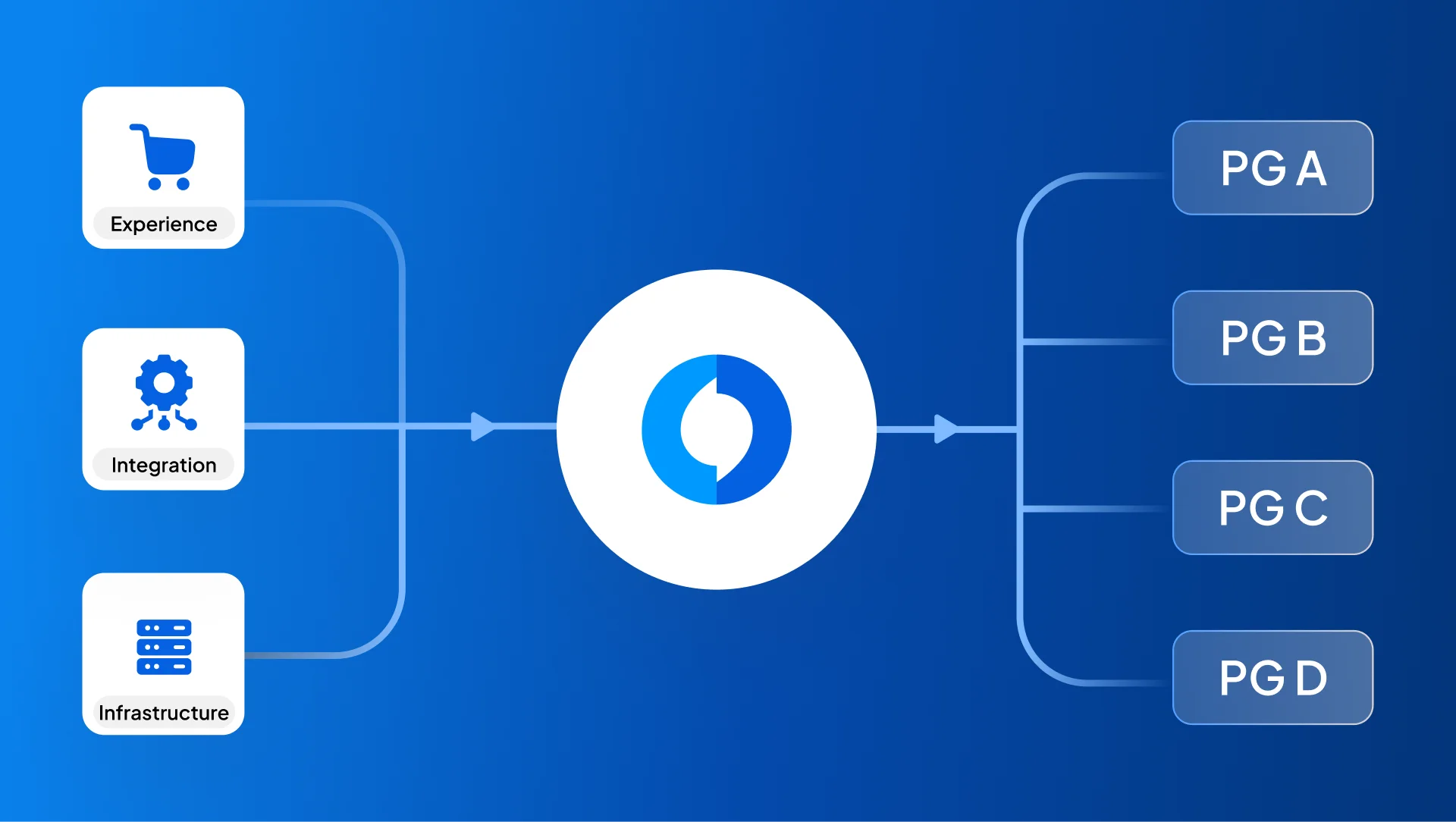
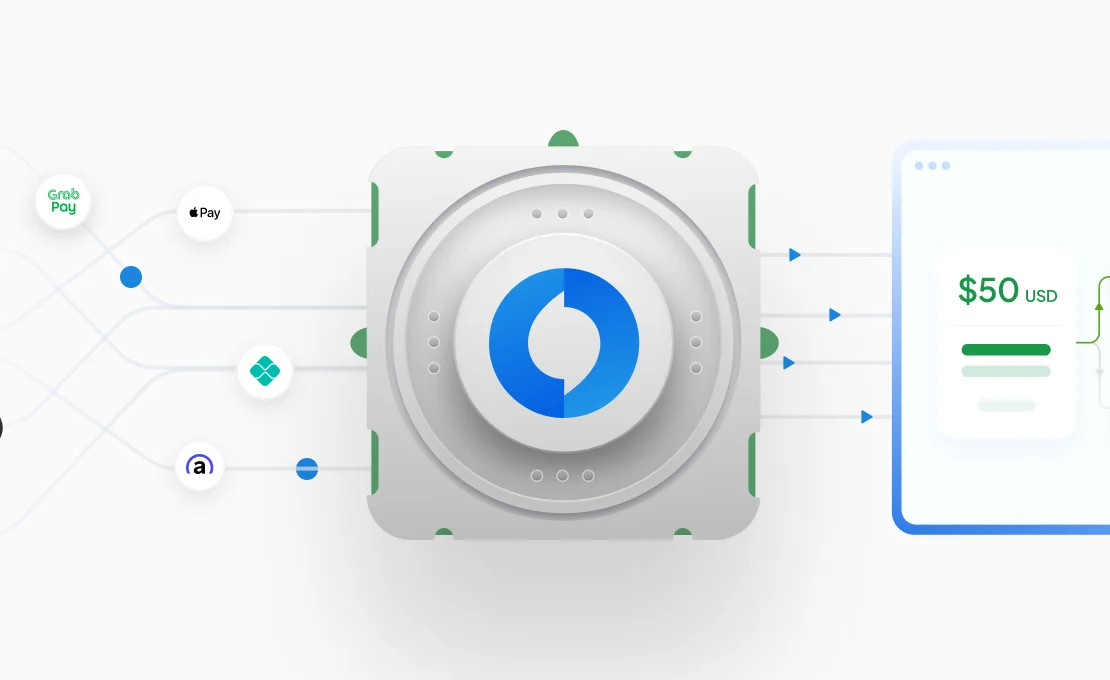
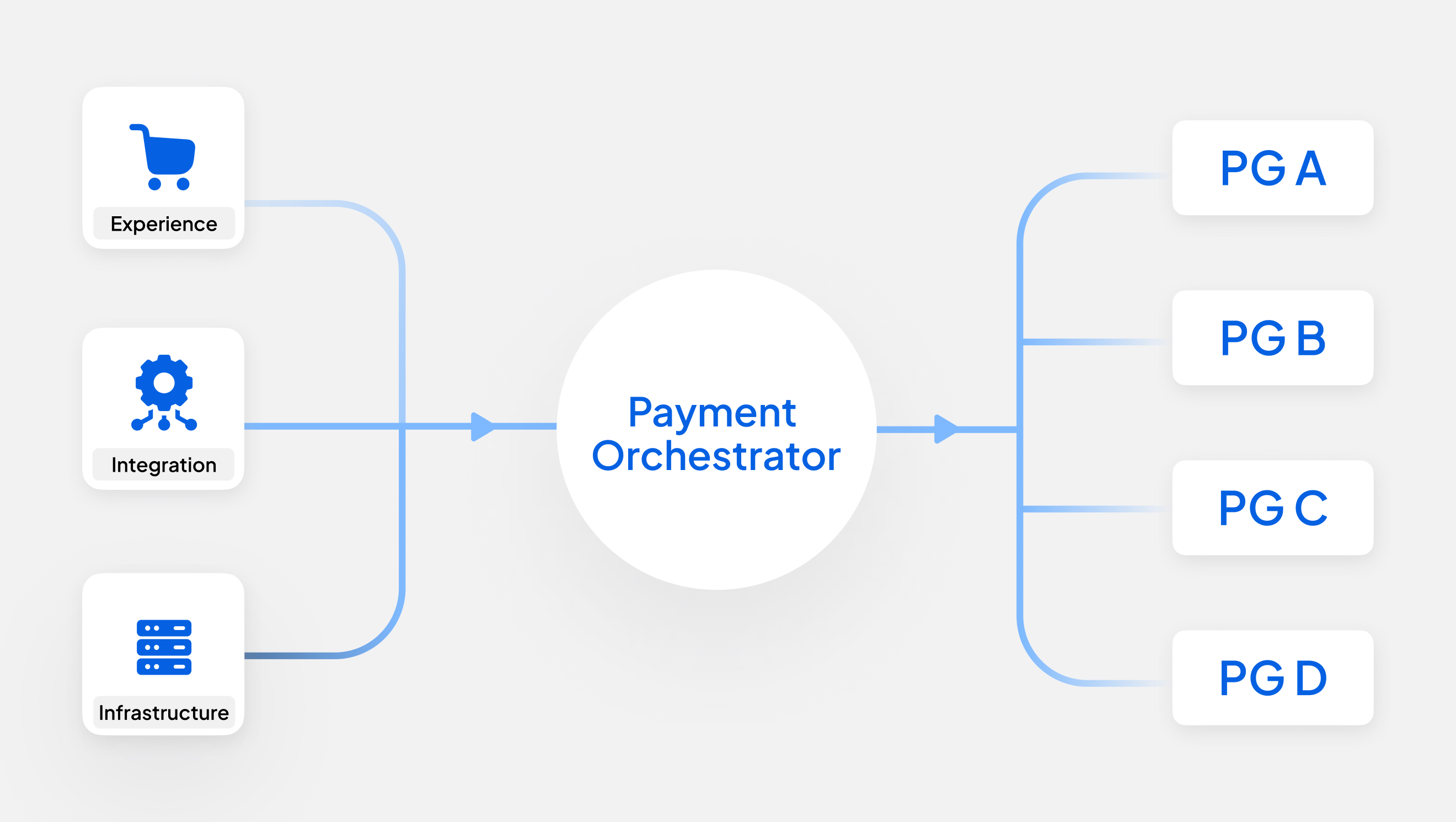
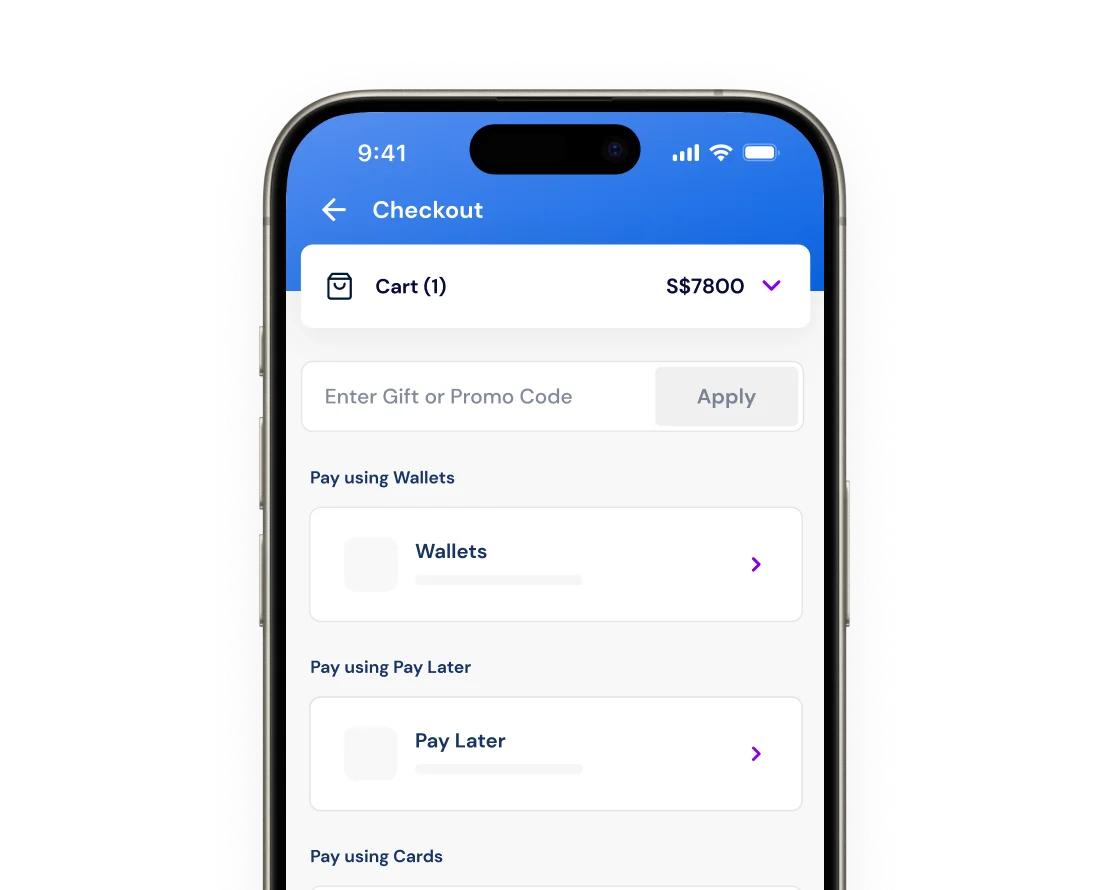
These are the BSP-registered technology platforms that enable merchants to accept digital payments. Key players include PayMongo Philippines, Inc., Xendit Philippines, Inc., and DragonPay Corporation. They function by aggregating various payment methods (e-wallets, bank transfers, cards) into a single API for merchants.
The Infrastructure Operators: Automated Clearing Houses (ACHs)
BancNet, Inc. is a critical infrastructure operator, serving as the clearing switch operator for InstaPay. It is also the Philippines' signatory to the region's new cross-border payments accord.
Popular Payment Methods
1. E-Wallets (The Market Leaders)
- GCash: The clear market hegemon. It is used by 85% of micro-merchants (sari-sari stores) and 97% of e-shoppers. For merchants, "GCash accepted here" is now as vital as a generic "Open" sign.
- Maya: The primary competitor and a "super-app" that integrates a digital bank. While it holds a smaller share of the micro-merchant market (15%), it is a sophisticated player in the enterprise and SME space, offering both wallet and acquiring services.
2. QR Ph (The Growth Engine)
By letting merchants display a single QR code that accepts payments from any participating wallet or bank like GCash, Maya, GrabPay or bank apps, QR Ph collapses the fragmentation of multiple QR-standees. In 2023, merchant payments via QR Ph grew by an explosive 2,713.9% in volume.
3. Cash Services (COD & OTC)
Despite the digital surge, cash remains a critical payment method, particularly for e-commerce where trust issues persist. Cash on Delivery is still the preferred method for up to 71% of online shoppers in some surveys, as it allows customers to verify goods before parting with funds.
Over-the-Counter (OTC) Payments: A unique Filipino phenomenon where customers buy online but pay in cash at a physical location. Partners like 7-Eleven (via ECpay), Cebuana Lhuillier, and Bayad Center process these payments. For gateways like Xendit, OTC still comprises roughly 15% of transaction volume, often used for high-value transfers where users are uncomfortable with digital caps.
4. Card Payments (The Corporate Standard)
Credit and debit cards (Visa/Mastercard) retain a stronghold in the corporate B2B sector and high-ticket B2C travel/retail.
Usage: Cards account for roughly 20% of e-commerce volume. While less common in daily "sachet" spending, they offer necessary chargeback protection and credit lines for enterprise procurement.
Trend: Growth is steady (projected 18.8% growth in 2025), but penetration is lower than wallets due to stricter bank requirements for issuance.
5. Buy Now, Pay Later (BNPL)
An emerging category rapidly gaining traction among the young, uncarded demographic.
Key Players: BillEase, Plentina, and Atome.
Function: These apps offer installment plans for customers without credit cards, effectively functioning as "virtual credit cards" at the checkout.
Regulation: As of 2025, this sector faces new scrutiny with BSP-imposed interest rate caps to curb predatory lending.
Core Transfer Rails: PESONet vs. InstaPay
Underneath the e-wallet interface are the two main ACHs managed by PPMI
- InstaPay: This is the real-time rail for low-value, instant payments, available 24/7. It has a $PHP 50,000$ per-transaction limit and powers most consumer P2P and P2M transactions.
- PESONet: This is a batch-processing system and the viable alternative to checks for high-value, non-urgent payments (e.g., B2B, payroll).
Upcoming Trends
Deeper Integration: The Open Finance Framework (Circular 1122)
This is the BSP's next major strategic initiative. BSP Circular 1122 establishes a consent-driven data portability framework. It allows financial institutions to share their data with accredited Third-Party Providers (TPPs). Open Finance is the engine that will power the next wave of innovation, moving the ecosystem from payments to data-driven services. It directly enables the business models of the new digital banks, allowing them to compete by using data (with consent) to offer better, faster, and more personalized products like credit scoring and financial management.
The Rise of Embedded Credit: Buy Now, Pay Later (BNPL)
BNPL services are rapidly gaining popularity as a payment method. This trend is so new that the regulatory framework is still developing. This contrasts with regions like the European Union, which is already moving to regulate BNPL under consumer credit directives. BNPL represents a significant opportunity for customer acquisition but also carries substantial regulatory and consumer-debt risk.
Hyper-Local Digitalization
The BSP is executing a two-pronged strategy to digitize the entire economy.
- The Paleng-QR Ph program, in partnership with Local Government Units (LGUs), is driving QR Ph adoption directly into public wet markets. As of July 2025, 180 LGUs were participating.
- The Bills Pay Ph initiative aims to standardize and digitize the bill payment ecosystem, removing friction from recurring payments.
Future Outlook:
The ASEAN Regional Payment Connectivity (RPC) Initiative
The future of Philippine payments is cross-border. The Philippines is a confirmed member of the ASEAN RPC initiative. The goal is to link ASEAN's domestic QR systems (e.g., QR Ph, Thailand's PromptPay, Singapore's PayNow) to allow seamless, real-time, cross-border payments in local currencies.
A key development is the George Town Accord, signed in October 2025. This is a landmark MoU signed by six national payment networks, including the Philippines' BancNet, to create a Next50 Common Standards body. This aims to standardize non-card cross-border payments (QR, A2A, e-wallet) globally, starting with ASEAN. The BSP is also participating in the Bank for International Settlements (BIS) Project Nexus, a multilateral payment linkage model, with a connection to Singapore planned.
The Sovereign Digital Peso: Project Agila (Wholesale CBDC)
The BSP is actively developing a Central Bank Digital Currency (CBDC). Crucially, this is a wholesale-only CBDC, not a retail one. The BSP is not trying to compete with the successful retail ecosystem. Project Agila is the pilot, running on Hyperledger Fabric and involving major commercial banks (BDO, UnionBank) and Maya Bank.
Solving the B2B Digitalization Gap
As established in the overview, the B2X segment is the last major frontier, with only 19.8% of transactions (by volume) being digital. While P2M payments are largely solved, B2B payments (supplier, procurement, invoicing) are not. The future outlook points to a massive opportunity for enterprise-focused platforms that can digitize this B2B supply chain, a market that is far larger by value than the consumer space.
The Philippines stands out as a global example of regulator-led digital transformation. Through the BSP’s deliberate, multi-year strategy—anchored in enabling legislation (NPSA), shared infrastructure (NRPS, QR Ph), and managed open competition (EMI and DGB licensing)—the country has leapfrogged legacy card rails to build a mobile-first, interoperable payments ecosystem.
For merchants and investors, this is a structured, stable, and transparent market. Clear rules (MORPS 10), a unified national standard (QR Ph 34), and a public roadmap ensure predictability and reduce regulatory risk. With P2P and P2M payments now consolidated, growth is shifting toward two high-potential areas: the data-driven service layer (credit, insurance) under the Open Finance framework, and the vast, underpenetrated B2B and supply chain finance segment.