














Over the last two decades, the bedrock of digital commerce has been a single principle: simplify every interaction for the user, with optimized search, accelerated checkout, and streamlined payments. Human agency was built into every step of the commerce journey.
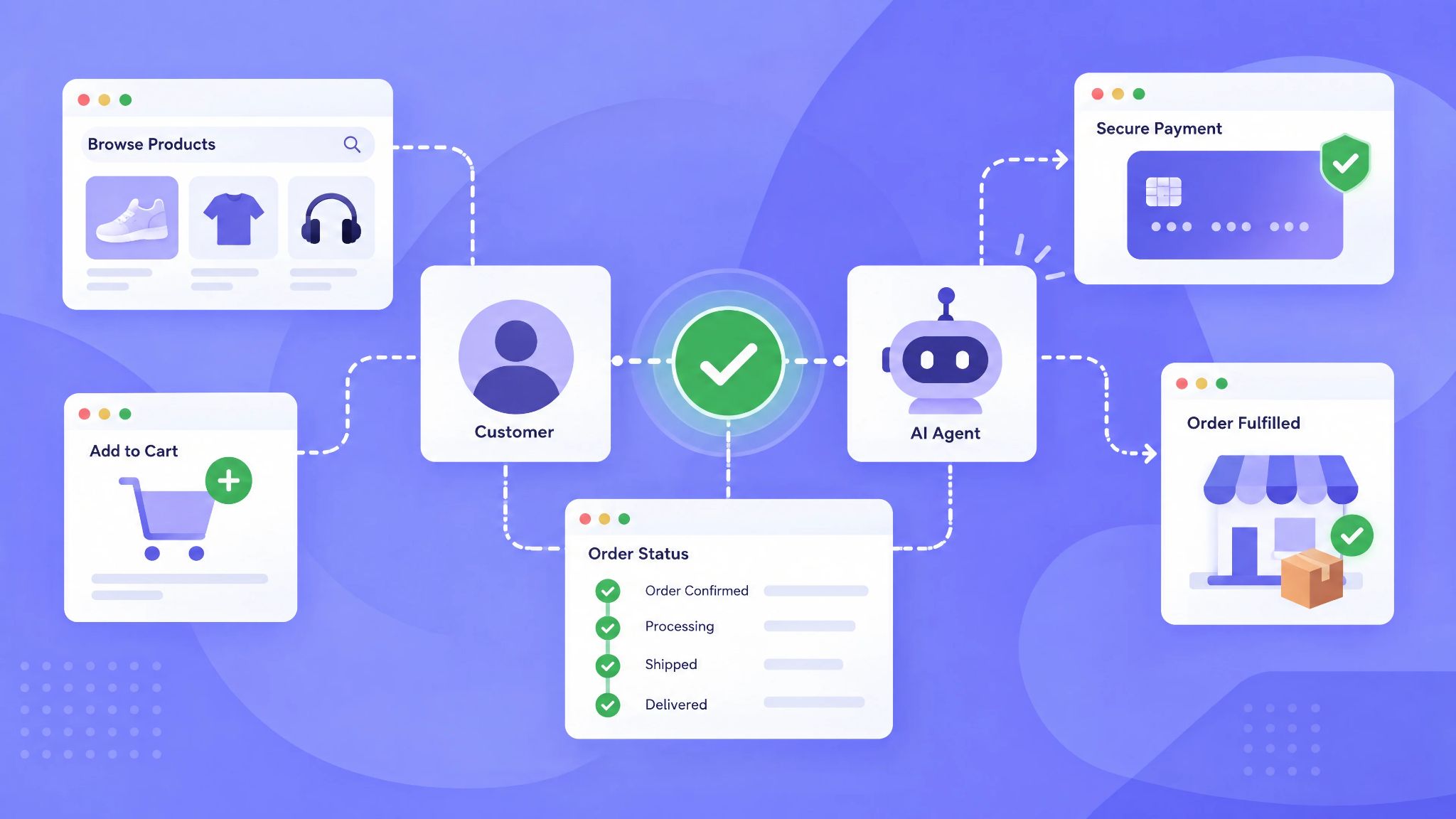
With Agentic commerce, that bedrock is shifting. Commerce will increasingly move from human-initiated to journeys carried out under human pre-authorization, unlocking unprecedented efficiency and more seamless experiences. AI agents will act as our proxies - navigating discovery, managing carts, placing orders on our behalf.
This transition raises critical questions. When an algorithm acts for the buyer, how can we trust it is acting true to the user’s intent? What would be the user experience for granting pre-authorization without ambiguity? What tools are needed to provide visibility and auditability of agent’s action to users? These questions must be answered for consumers and merchants to adopt agentic commerce with confidence.
A new Human-in-the-Loop architecture must address all the above concerns while preserving human agency. Making it work at scale will require controlled delegation,Proof of user’s true intent, trusted agent identities and interoperable payment infrastructure that preserves consumer control and merchant choice.
How is India adopting agentic commerce models
India brings together real-time payment infrastructure, a large digital-commerce market and rapidly growing adoption of AI interfaces, making it a significant market for agentic commerce.
Agentic commerce is developing through two broad models. In the first-party, or merchant-led, model, the shopping assistant is built into a merchant’s platform. It helps a consumer discover products, narrow the options and place an order without leaving the app. In the third-party model, AI assistants such as ChatGPT or Claude can work across brands and merchants, comparing options and completing parts of the shopping journey on the consumer’s behalf.
The market is moving parallely in both directions. Swiggy and Zepto have opened their services to external AI agents through MCP (Model Context Protocol), letting those agents search, manage carts, and place orders on consumers’ behalf. At the same time, businesses are building AI directly into their own platforms. MakeMyTrip and ixigo, for example, have introduced in-app conversational experiences that help consumers plan and book travel.
| First-party (merchant-led) model | Third-party model | |
| Where the assistant sits | Inside the merchant's own platform or app | In an external AI assistant such as ChatGPT or Claude |
| What it does | Helps a consumer discover products, narrow options and order without leaving the app | Works across brands and merchants, comparing options and completing parts of the journey |
| Examples | MakeMyTrip and ixigo, with in-app conversational travel planning and booking | Swiggy and Zepto, which have opened services to external agents via MCP (Model Context Protocol) for search, cart and order placement |
| Implication for merchants | Customer relationship and merchandising stay in-house | Catalogues and payment systems must be accessible to agents the merchant did not build |
Through Juspay’s work with more than 500 global enterprises and banks, we are seeing merchants prepare for this shift in three ways.
Reaching the next 100 million consumers through voice and local languages. Merchants are exploring conversational and local-language voice experiences that allow consumers to describe what they need in their own language, without having to navigate complex menus or search for products.
Messaging-led commerce. Platforms such as WhatsApp are already part of how many Indians communicate with businesses. Merchants are bringing AI agents into these conversations so that product discovery, order creation and payment can happen in one place.
The third-party concierge. Some consumers will use agents that work across several merchants rather than within one app. Such an agent could restock a kitchen based on availability and price across platforms, or find a flight that meets a budget and time window. This creates a new discovery surface for merchants and makes it important for their catalogues and payment systems to be accessible to agents they did not build.
Agentic commerce is therefore unlikely to arrive through one interface. It may develop inside merchant apps, through voice, on messaging platforms and through third-party assistants. These models have different implications for product discovery, merchandising and ownership of the customer relationship. The payments requirement, however, is similar across them: the system must establish who authorized the agent, what it is allowed to purchase and whether a transaction is within those limits.
Why payments need controlled delegation
Across these experiences, consumer authorization may increasingly be provided as a set of permissions rather than as approval for one transaction. The payments ecosystem will need to verify those permissions, apply them consistently and give consumers a simple way to review, pause or revoke them.
Payments without a human present are not new. Subscriptions, standing instructions and auto-debit mandates already allow money to move without the consumer approving every payment. These arrangements are usually defined around a known merchant, amount or schedule.
Agentic commerce can be more open-ended. The merchant, item and final amount may not be known when the consumer first gives the instruction. This is useful for journeys such as reordering groceries, booking a flight within a budget or purchasing an approved item when its price falls below a defined threshold.
Requiring the consumer to manually approve every transaction would limit the value of delegation. At the same time, giving an agent unrestricted access to a payment account would create unacceptable risk. Controlled delegation provides a practical middle path: the consumer gives the agent authority within clearly defined conditions.
For example, the consumer could provide the following instruction:
"You are authorized to pay for my groceries, up to ₹2,000 per order and ₹5,000 in total this month."
The agent can act within these limits without receiving unlimited authority over the account. The consumer should be able to see how the permission is being used and pause or revoke it at any time.
Making controlled delegation work at scale will require four capabilities: accuracy, authentication, control and auditability.
Accuracy. The merchant, product, quantity and price presented to the agent must be correct and must match the consumer's instruction.
Authentication. The consumer must be strongly authenticated when setting up or materially changing an instruction for an agent. The system must then establish that the agent is acting within the authority granted by that instruction. Additional authentication may still be required when an issuer, regulation or risk rule calls for it.
Control. Consumers need to define spending limits, merchant or category restrictions, validity periods and other conditions. These permissions must be easy to inspect, pause and revoke.
Auditability. Every agent-initiated action must be traceable so that consumers, merchants, banks and payment providers can understand what happened and resolve disputes.
These capabilities are necessary for trust. The consumer may not be present at every step, but the payment must still be linked to a clear instruction and an accountable chain of execution.
What must the payments ecosystem solve for agent-led transactions
Delivering controlled delegation requires more than consumer permission. Merchants must also be able to accept and process requests involving an AI agent, a commerce protocol, merchant systems, authentication, fraud controls and multiple payment providers working together in real time.
This creates two requirements for the payments ecosystem.
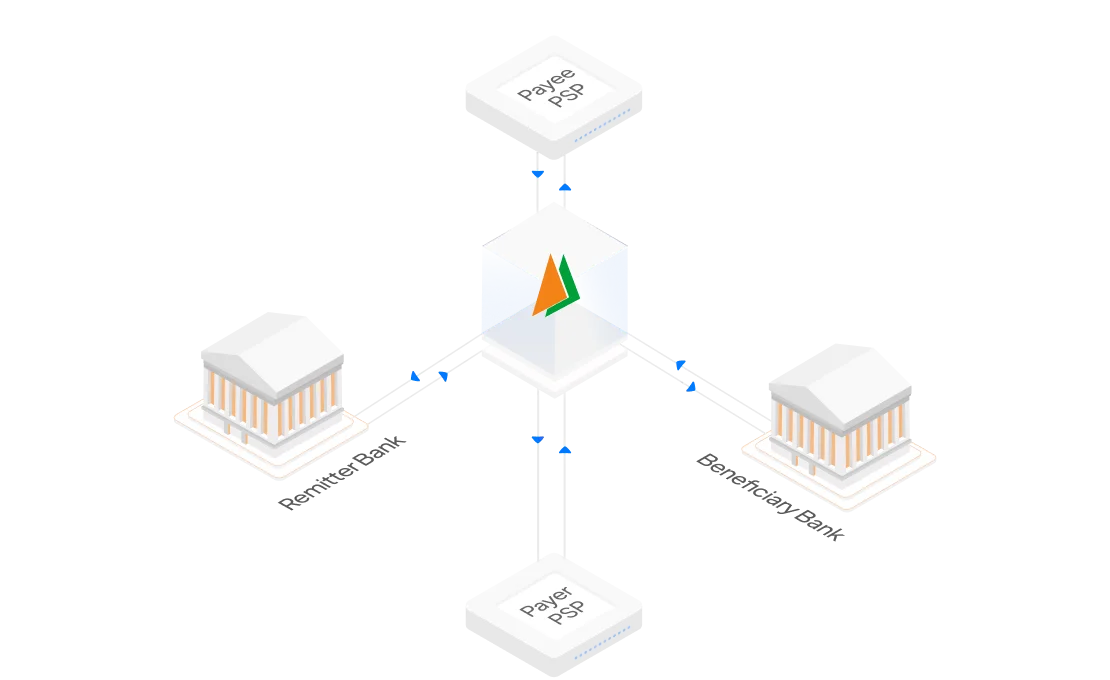
Identifying the agent as an actor. Payment systems have traditionally been designed around the consumer, merchant and payment credential. In agentic commerce, the agent becomes an additional actor that must be identified and linked to the consumer’s instruction. For every transaction, the merchant needs reliable answers to a few basic questions: Is this a legitimate agent? Does it have the consumer’s authorization? What can it purchase? Is the transaction within the approved limits? Can the instruction and payment be traced if something goes wrong?
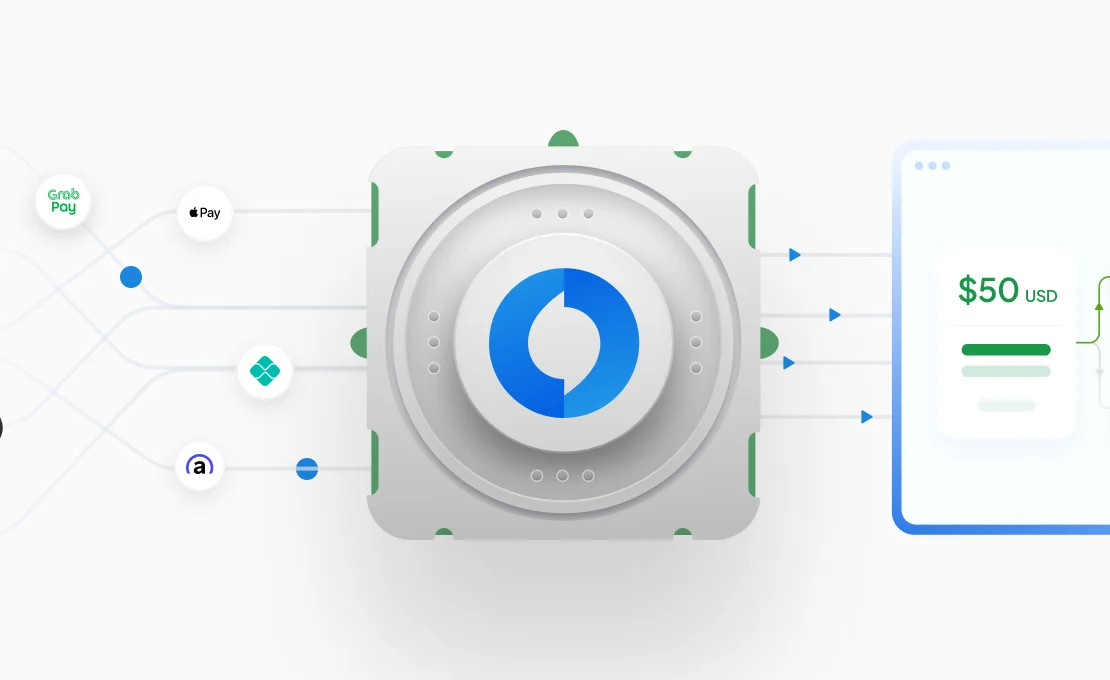
Supporting agent-led transactions across payment methods. Agentic commerce will need to work across cards, real-time payments, wallets and other payment methods. Each may approach authentication, authorization and credentialing differently. Merchants should be able to support these developments without rebuilding their payment stack for every agent, protocol or payment method.
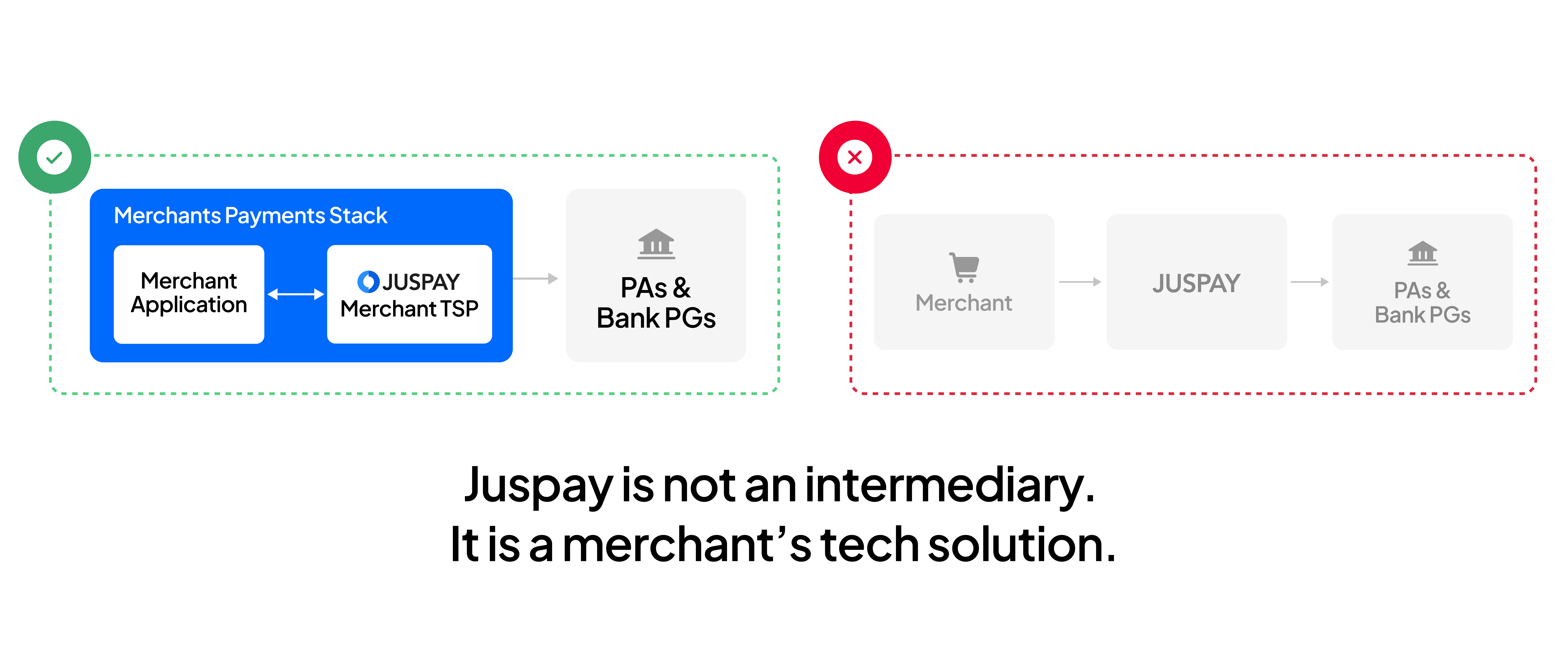
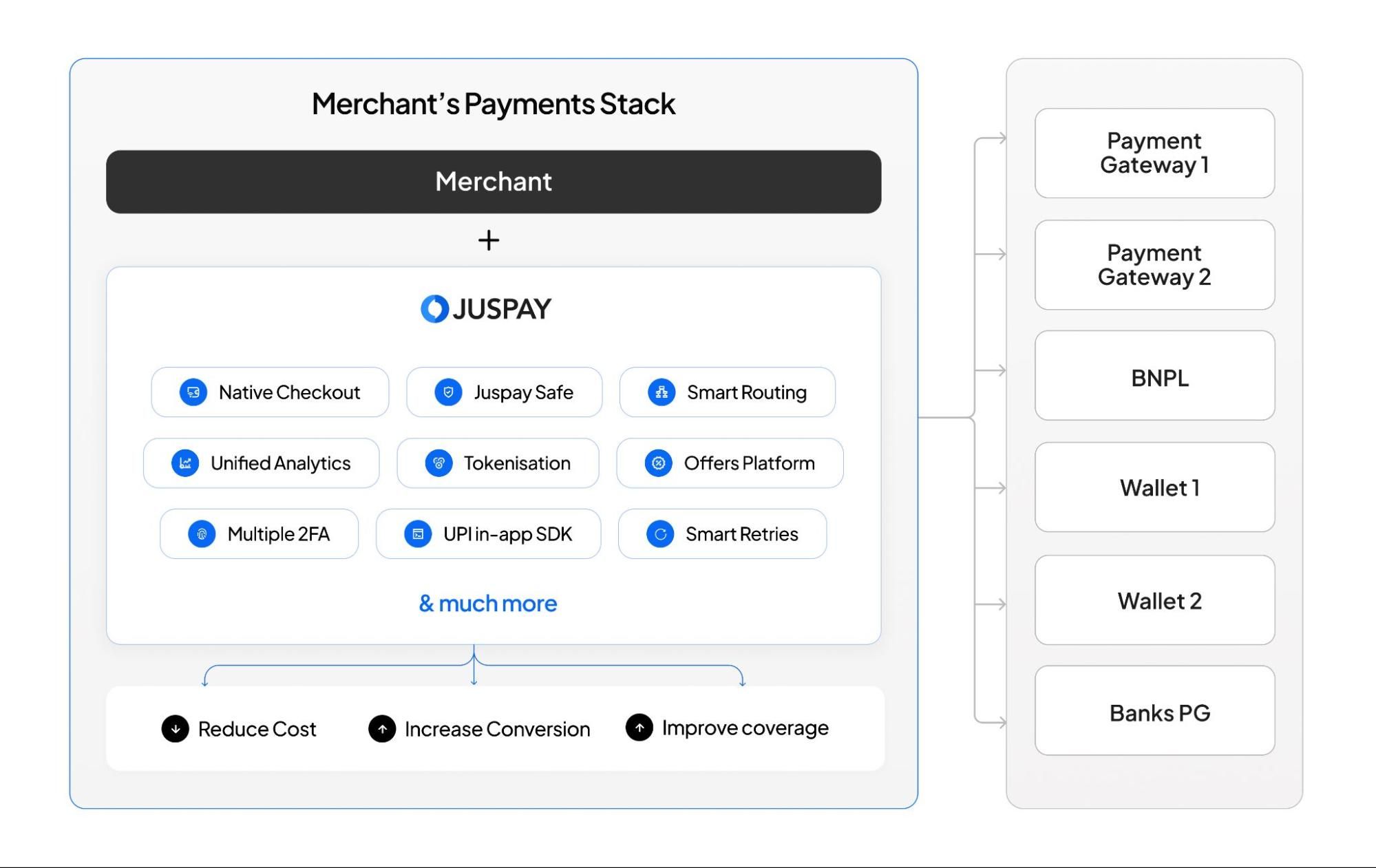
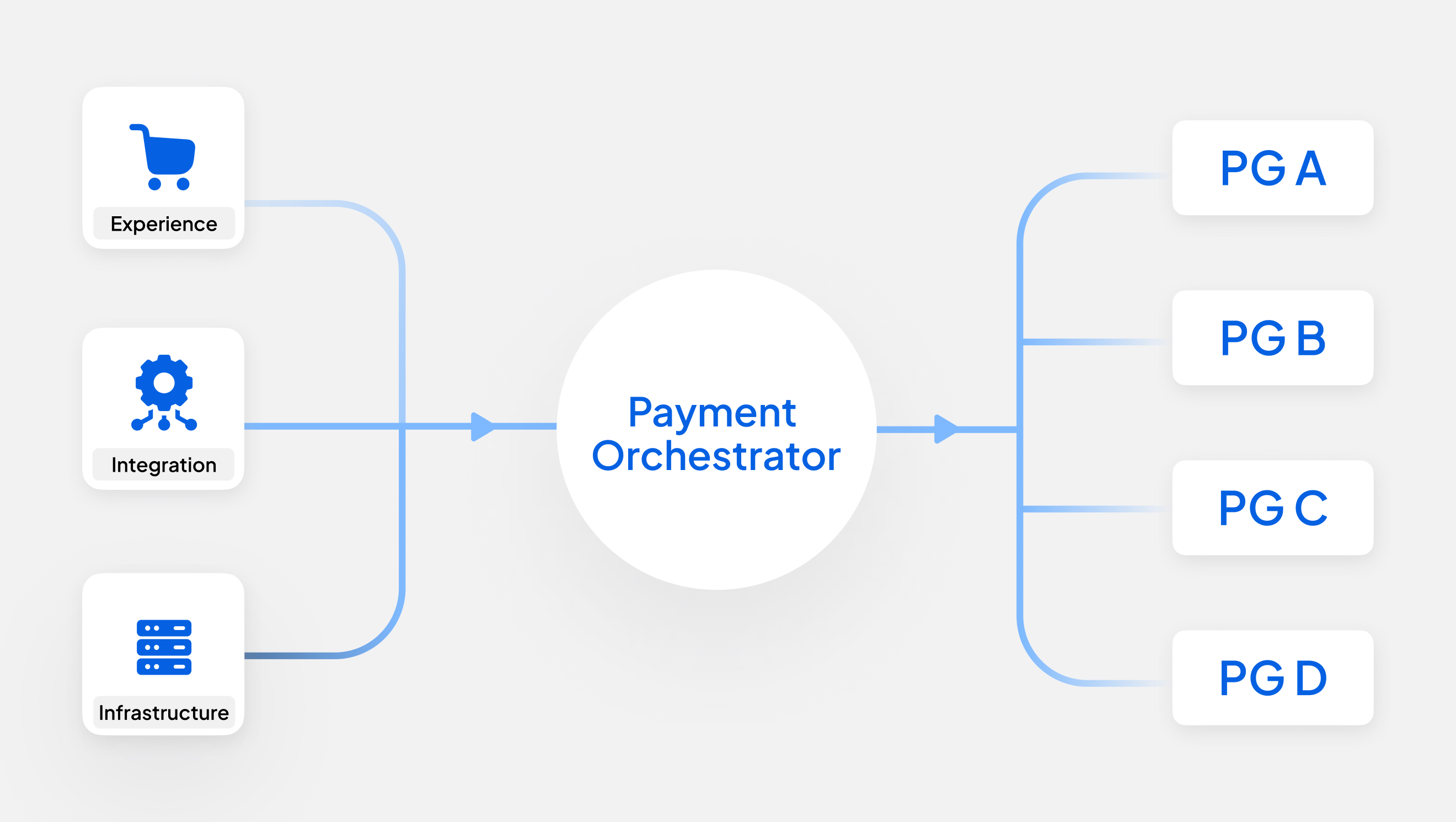
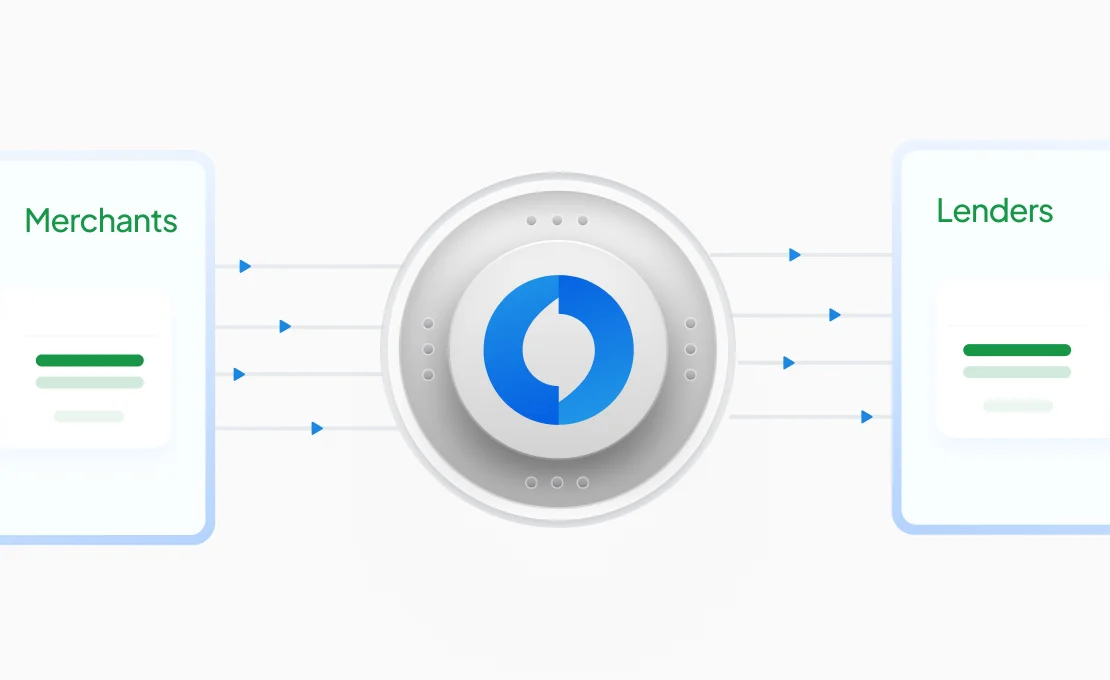
Expecting every merchant to build and maintain these connections independently would be impractical. Technology service providers can manage much of this complexity through a common orchestration layer connecting merchants to agents, commerce protocols, payment methods and payment providers.We believe this layer should remain interoperable and protocol-agnostic, allowing merchants to retain provider choice while applying authorization, routing and controls consistently.
Moving from pilots to live transactions
The ecosystem is beginning to move from demonstrations to transactions involving real buyers, merchants and payment systems. Supporting these transactions will require two layers to work together.
Commerce protocols define how agents interact with merchants across discovery, cart creation, checkout and post-purchase support. Google’s Universal Commerce Protocol and the Agentic Commerce Protocol developed by Stripe and OpenAI are creating common ways for agents and merchants to exchange information and complete these journeys.
Payment protocols and frameworks address agent identification, consumer authorization, secure payment credentials and transaction controls. Visa’s Trusted Agent Protocol enables merchants to verify an agent’s identity and associated authorization. Mastercard Agent Pay uses registered agents, tokenized credentials, consumer-defined permissions and transaction traceability to support agent-initiated payments.
Bringing these layers together requires infrastructure that can connect an agent-led purchase journey to secure and traceable payment execution. In Singapore, HSBC and Mastercard completed an end-to-end B2B agentic-commerce pilot connecting a multinational corporate buyer, procurement platform SourceSage and e-commerce supplier FortyTwo. The pilot used Mastercard Agent Pay for tokenized payments and Juspay’s technology stack, extending HSBC’s existing digital merchant services partnership with Juspay.
As these efforts move into live transactions, the challenge will be to make the two layers interoperable without requiring merchants to rebuild their payment stack for every new agent or interface. That coordination will be essential for agentic commerce to scale while preserving consumer control and merchant choice.
Keeping humans at the centre of the agentic future
Agentic commerce will scale when three needs are aligned. Consumers need to trust that agents act only within the authority they have granted. Merchants need to build intuitive experiences and open new business opportunities while keeping control of their payments and customer relationships. Payment networks and infrastructure providers must bridge these needs, enabling merchants to offer faster experiences while protecting consumers.
This is part of a broader shift in which AI agents, connected devices and robotics work together across digital, financial and physical tasks. Once those systems are interconnected, a single instruction can trigger a chain of actions across all of them.
That raises the bar to a practical standard of provable correctness: every action should demonstrably match human instruction and stay within its authorized limits. The system also requires containment by design, which includes bounded permissions and failure isolation. These safety measures ensure that a single error does not trigger a chain reaction of unintended mistakes.
Human-in-the-Loop architecture is much more than just adding an approval button for a user to click. It sets strict rules to ensure the system does exactly what it is supposed to do. It also defines when a person needs to step in and makes sure there is clear accountability as machines handle more automated tasks, such as executing complex financial transactions.
The agentic future needs deeper thought about how humans remain meaningfully in the loop, not how quickly they can be removed from it. That is the bedrock for a future in which people and intelligent systems work together safely, reliably, harmoniously.
Key Takeaways
- Agentic commerce shifts commerce from human-initiated to human pre-authorized. AI agents act as the buyer's proxy across discovery, cart management and order placement, under authority the consumer granted in advance rather than approval given step by step.
- Controlled delegation is the workable middle path. Approving every transaction manually removes the value of delegating; unrestricted account access creates unacceptable risk. Controlled delegation grants an agent authority inside defined conditions, such as groceries up to ₹2,000 per order and ₹5,000 for the month.
- Four capabilities make delegation safe at scale: accuracy of the data presented to the agent, strong authentication of the consumer's instruction, consumer-defined controls that can be inspected and revoked, and auditability of every agent-initiated action.
- The agent becomes an additional actor in payments. Payment systems were built around the consumer, the merchant and the payment credential. Merchants now need to establish that an agent is legitimate, holds the consumer's authorization, and is transacting inside approved limits.
- Two protocol layers have to interoperate. Commerce protocols such as Google's Universal Commerce Protocol and the Stripe and OpenAI Agentic Commerce Protocol govern the shopping journey; Visa's Trusted Agent Protocol and Mastercard Agent Pay govern agent identity, authorization and traceable payment execution.
- A protocol-agnostic orchestration layer keeps participation affordable. Without one, merchants rebuild their payment stack for every new agent, protocol or payment method, and the cost of participating grows faster than the benefit.
- India is a significant early market moving on both models at once. Swiggy and Zepto have opened services to external agents via MCP, while MakeMyTrip and ixigo have built conversational experiences inside their own platforms.
Frequently Asked Questions
What is agentic commerce?
Agentic commerce is commerce in which AI agents act as a consumer's proxy, handling discovery, cart management and order placement under authorization the consumer granted in advance. It differs from conventional digital commerce, where the consumer performs each step. The consumer's role shifts from approving individual transactions to defining the conditions an agent may act within.
What is human-in-the-loop in agentic commerce?
Human-in-the-loop in agentic commerce is an architecture that preserves human agency when an agent transacts on a person's behalf. It is not an extra approval screen. It governs how a consumer's intent is encoded into enforceable limits, when human intervention is required, and how accountability is maintained as machines carry out more of the execution.
How does controlled delegation work for agent-led payments?
Controlled delegation lets a consumer grant an agent payment authority inside defined conditions instead of approving each purchase. A consumer might authorize grocery payments up to ₹2,000 per order and ₹5,000 for the month. The agent transacts inside those limits, and the consumer can inspect how the permission is being used and pause or revoke it at any time.
How is agentic commerce different from subscriptions and auto-debit mandates?
Subscriptions, standing instructions and auto-debit mandates already move money without a consumer approving every payment, but they are defined around a known merchant, amount or schedule. Agentic commerce is more open-ended: the merchant, item and final amount may be unknown when the consumer gives the instruction, which is what makes budget-bound and price-triggered purchases possible.
Why do merchants need to identify the AI agent on every transaction?
Payment systems were designed around the consumer, the merchant and the payment credential. In agentic commerce the agent is an additional actor, so merchants need to establish that the agent is legitimate, that it holds the consumer's authorization, what it may purchase, whether the transaction sits inside approved limits, and whether the instruction and payment can be traced later.
What role does Juspay play in agentic commerce payments?
Juspay provides the orchestration layer that connects merchants to agents, commerce protocols, payment methods and payment providers, applying authorization, routing and controls consistently. Juspay's technology stack was used alongside Mastercard Agent Pay in the HSBC and Mastercard end-to-end B2B agentic-commerce pilot in Singapore, which involved procurement platform SourceSage and supplier FortyTwo.
Which protocols support agent-initiated payments?
Two layers are emerging. Commerce protocols define how agents interact with merchants across discovery, cart creation, checkout and post-purchase support, including Google's Universal Commerce Protocol and the Agentic Commerce Protocol from Stripe and OpenAI. Payment frameworks handle agent identity and authorization, including Visa's Trusted Agent Protocol and Mastercard Agent Pay.
How are Indian platforms enabling AI agents to place orders?
Swiggy and Zepto have opened their services to external AI agents through MCP, the Model Context Protocol, allowing those agents to search, manage carts and place orders for consumers. Separately, MakeMyTrip and ixigo have built conversational experiences into their own platforms so consumers can plan and book travel in-app.