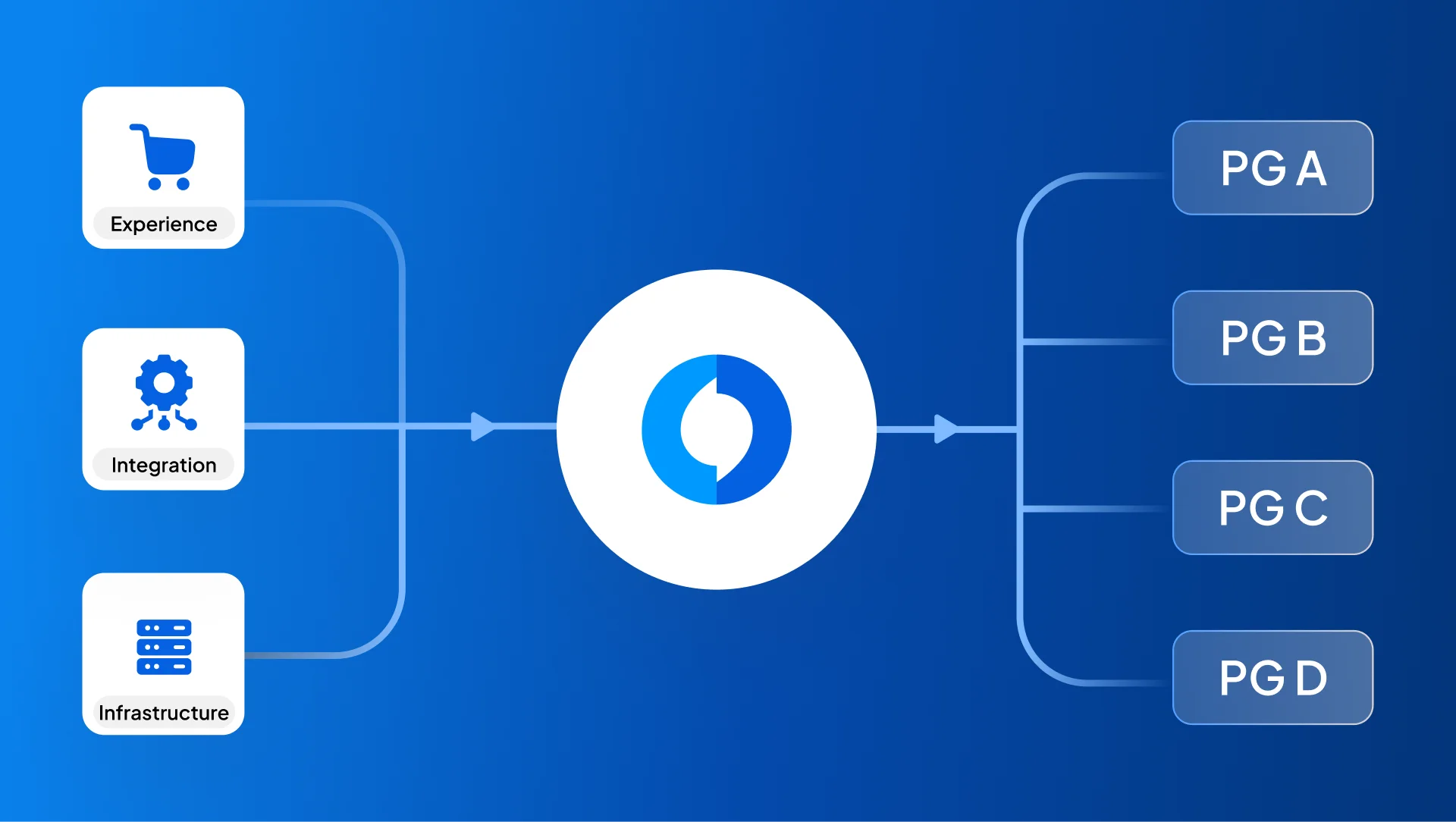



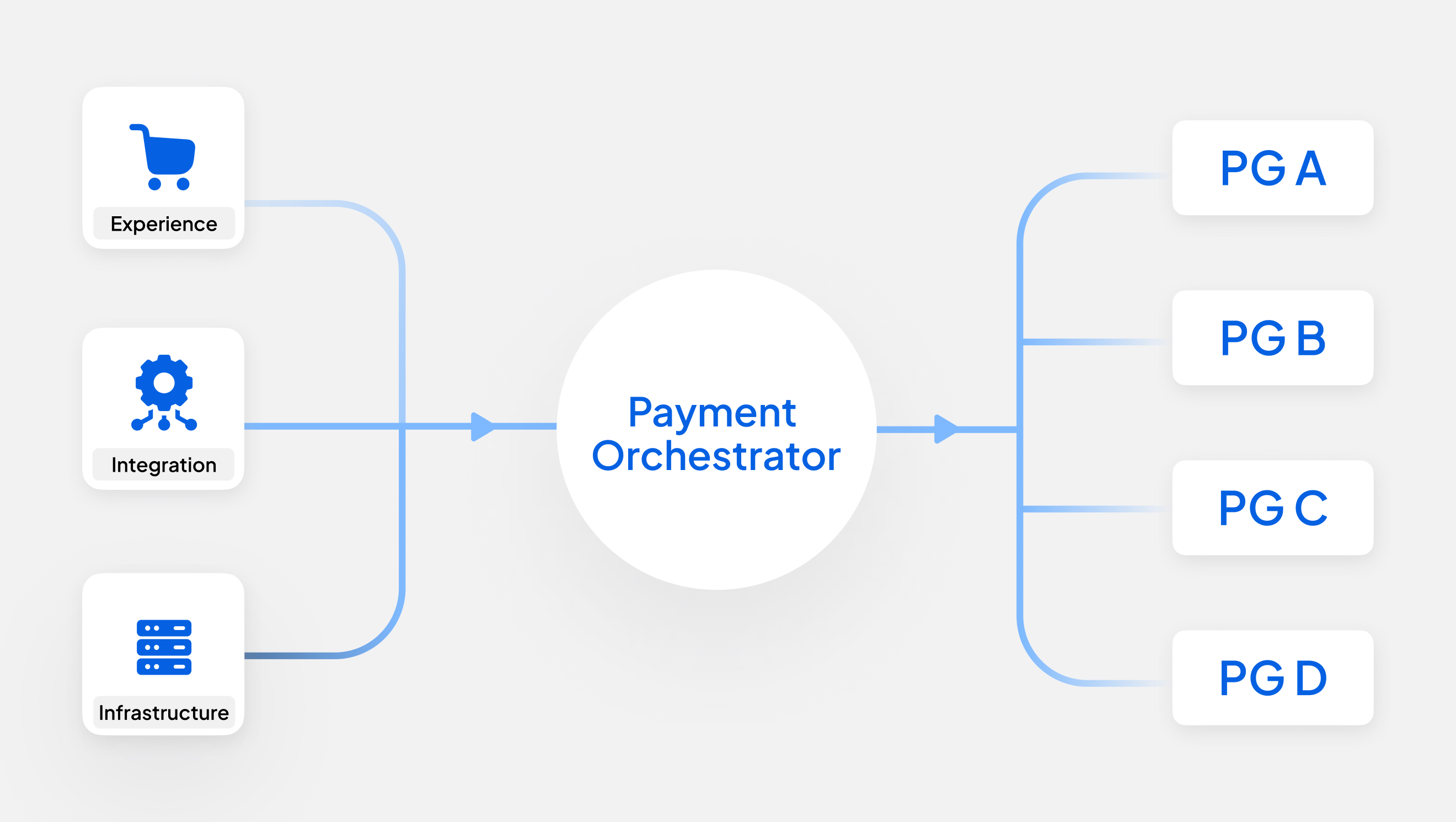












Today's airline payment stacks lack a central layer that sees every event, controls every decision, and gives the airline the insight required to optimize performance and cost. Most airlines have built their payment stacks around the limitations of the Passenger Service System. For example, separate integrations for gateways, acquirers, alternative payment methods, fraud monitoring, currency conversion, promotions and loyalty platforms and financial and payment operations. Some of these integrations are built into the PSS, but many are not, and even the ones that are often can't see or act on what the others are doing. The result isn't a broken payment operation. Transactions continue to get authorised, fraud gets caught, settlements are reconciled.
What's missing is the layer above all of it: one platform that sees every event as it happens, whichever module it touches; that can act on any of them in real time, not just log them for a report later; that gives one consistent view of performance, cost and risk instead of a dashboard per vendor; and that can optimise the system as a whole, a routing decision informed by fraud signal, a fraud decision informed by loyalty status, rather than each piece optimising itself in isolation. That's what a central orchestration platform is for, and it's the gap between what most airlines run today and what "orchestration" should actually mean.
Why modern airline retailing demands central payment control
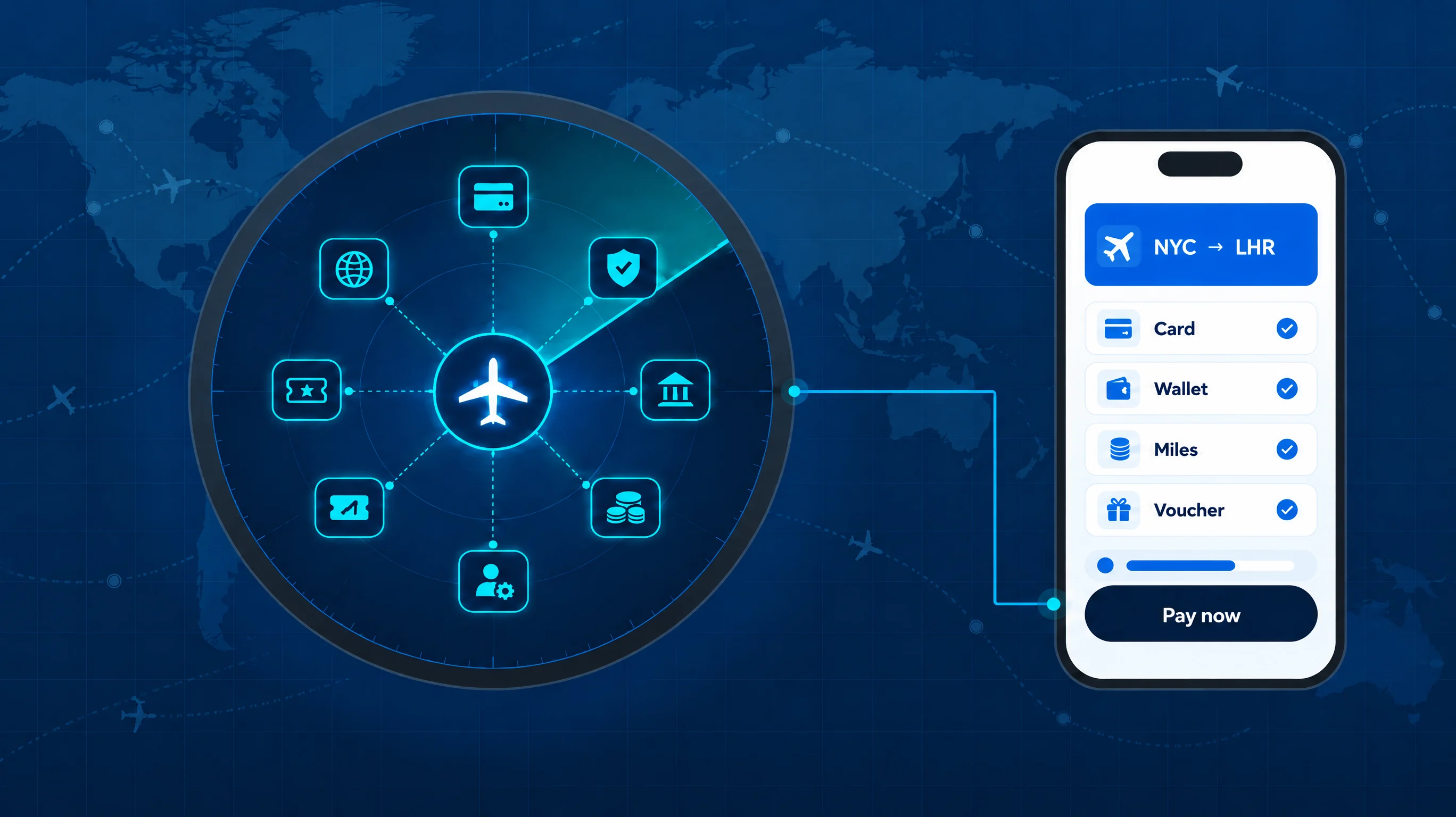
Airline retailing is moving from a fare sold once to an offer that is built, priced and serviced continuously. Long after the original booking, an upgrade gets added, a bundle adjusted, a disruption rebooked. Each of those events needs its own authorisation against the same order, consistent handling across every channel (the airline's own site and app, travel agencies, and in the near-future autonomous booking agents), the ability to split payment across card, air miles and vouchers, and support for whatever local payment methods each market requires. Coordinating all of that across a systems integrator, an orchestrator and however many other vendors only gets harder as the demands grow.
The upside is real enough to justify solving this properly. IATA now treats payment as a strategic lever for modern airline retailing rather than a back-office cost, and Edgar, Dunn & Company's 2025 travel payments study puts industry payment costs at more than $22 billion, about 2.2% of revenue, with 10 to 20% of that recoverable through a well-executed strategy.
What orchestration usually means, and what it should mean
Ask most airlines what payment orchestration does and the answer is connectivity and routing. Many believe an orchestrator's job begins and ends with sending each transaction to the acquirer most likely to approve it, at the lowest cost, and fail over if one path degrades. That is a real and useful function. It is also a small part of what a single platform sitting across the whole payment stack can actually do.
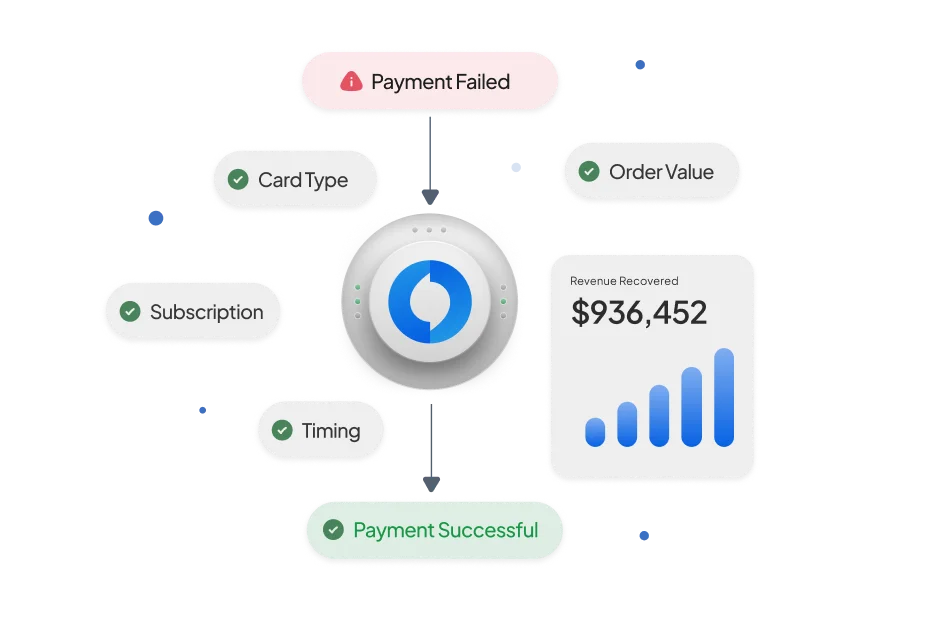
An orchestrator that natively owns PSS integration, authentication, fraud, checkout, tokenization and reconciliation is not just routing transactions. It has, in one place, every event and every data point that matters. For example, it understands who the customer is, what they are buying and in what context, which market they are transacting from, and how they want to pay. With that in hand, the decisions it can make in real time go well beyond which acquirer to use: whether this transaction needs a fraud check, whether to request authentication or claim an SCA exemption, whether a promotion should be offered at this point in checkout, how the checkout itself should be presented for this customer, and how the transaction should be reconciled once it settles.
This is also why it matters whether the platform's modules are stitched together from different vendors or built natively by one team. A routing engine bolted onto a third-party fraud tool and a separately licensed 3DS server can each see their own slice of a transaction, but none of them sees the full picture, and none can act on data the others hold. A platform where those modules are built and owned by one engineering team, on shared data, can.
Juspay's approach: native, owned, modular
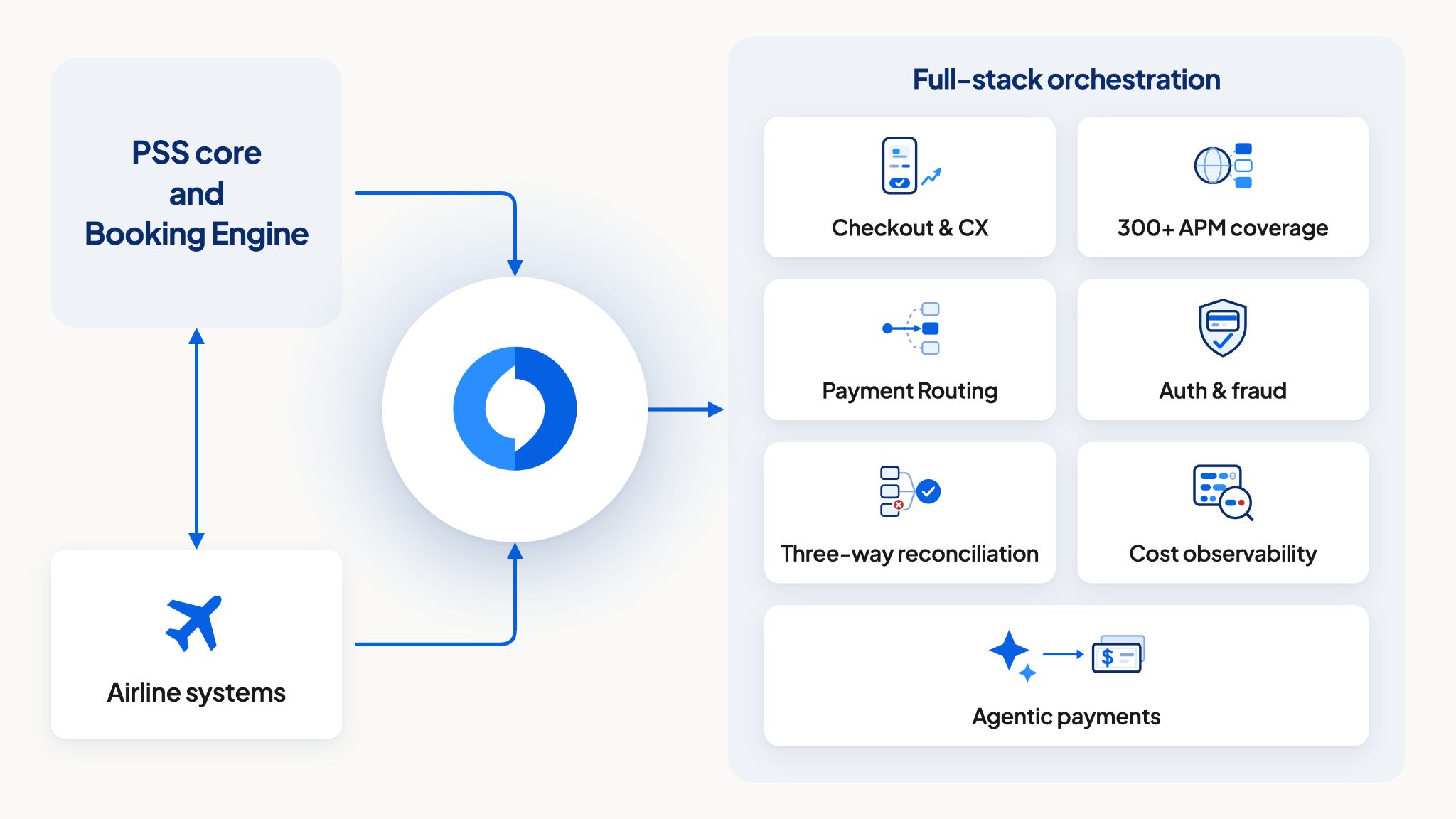
Juspay provides orchestration to more than 500 enterprise merchants, including leading airlines, OTAs and hotel groups. A stack that's modular and composable, covering everything an airline needs end to end, PSS integration, connectivity and routing, 3DS, vaulting, tokenization, checkout, cost and reconciliation, all built and owned natively by Juspay rather than licensed in. If an airline would rather bring its own provider for a given layer, that works too, without breaking the platform everything else runs through.
Because we own these modules completely, we plan the product roadmap directly with the airline. This means your needs will not be stuck at the back of a shared vendor's waiting list. Additionally, we take full responsibility for system uptime, incident response, and business continuity from start to finish, so you do not have to rely on a complex chain of third parties.
Juspay's native stack breaks down into seven areas. Each is a lever for revenue, cost, customer experience or resilience, and each works better because it is not operating in isolation from the others.
1. Orchestration. Least-cost routing sends each transaction down the cheapest reliable path, down to BIN level, and optimises authorization rates across connected acquirers while weighing the volume commitments the airline holds with each. Silent retries and real-time failover move a transaction to another acquirer the moment one path degrades, with no disruption the customer sees. Authentication is decoupled from authorisation, so a decline can be retried on the same session rather than sending the customer back through checkout. As per Juspay’s data: 5% to 10% authorisation rate improvement, 5 to 10% lower processing costs.
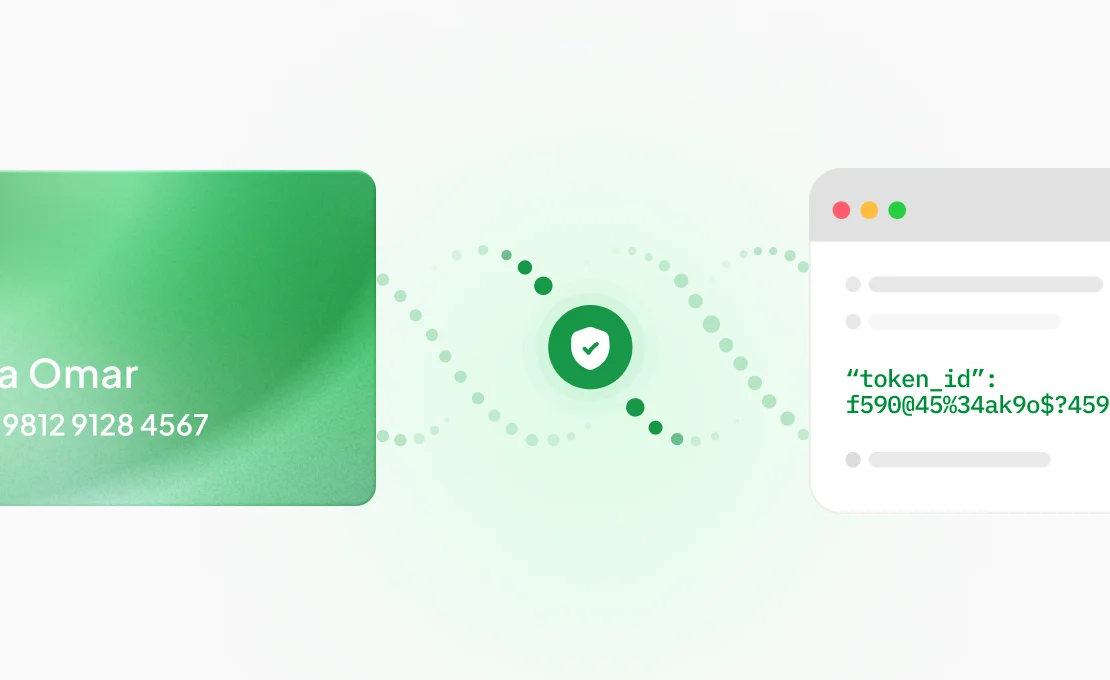
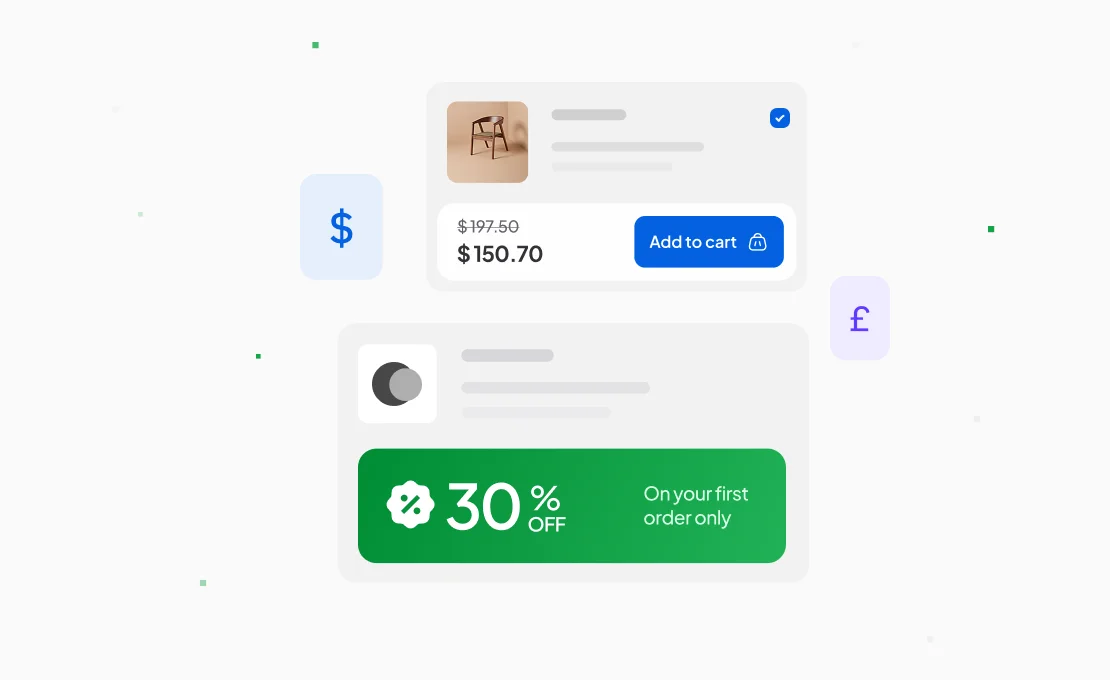
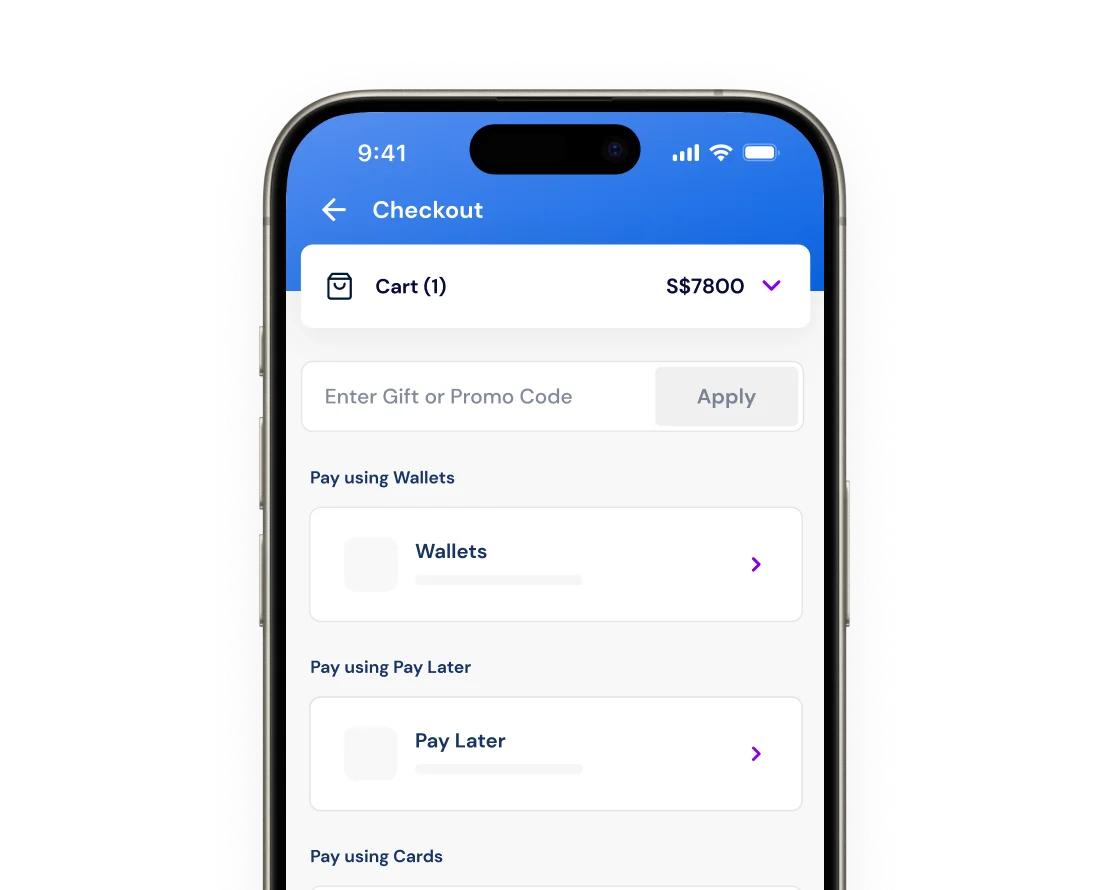
2. Checkout & CX. A managed hosted payment page matched to the airline's brand, or an embedded checkout the airline builds and owns. Payment method steering, fare lock and live repricing, card vaulting and tokenization, dynamic currency conversion, and loyalty and promotions built into the flow itself. Because the payment layer is engineered directly against the PSS, booking and payment stay in sync throughout, and these features are delivered as an overlay rather than waiting for the PSS itself to change. As per Juspay’s data: 8 to 12% conversion uplift.
3. Auth & Fraud. A native 3DS server with multi-server orchestration and automated SCA exemption management, so fewer legitimate transactions face an unnecessary challenge. Fraud is pre-screened in-house before anything reaches a paid third-party vendor, cutting cost and false declines together. As per Juspay’s data: 2 to 5% higher authorization rates on 3DS transactions and lower spend on third-party fraud screening.
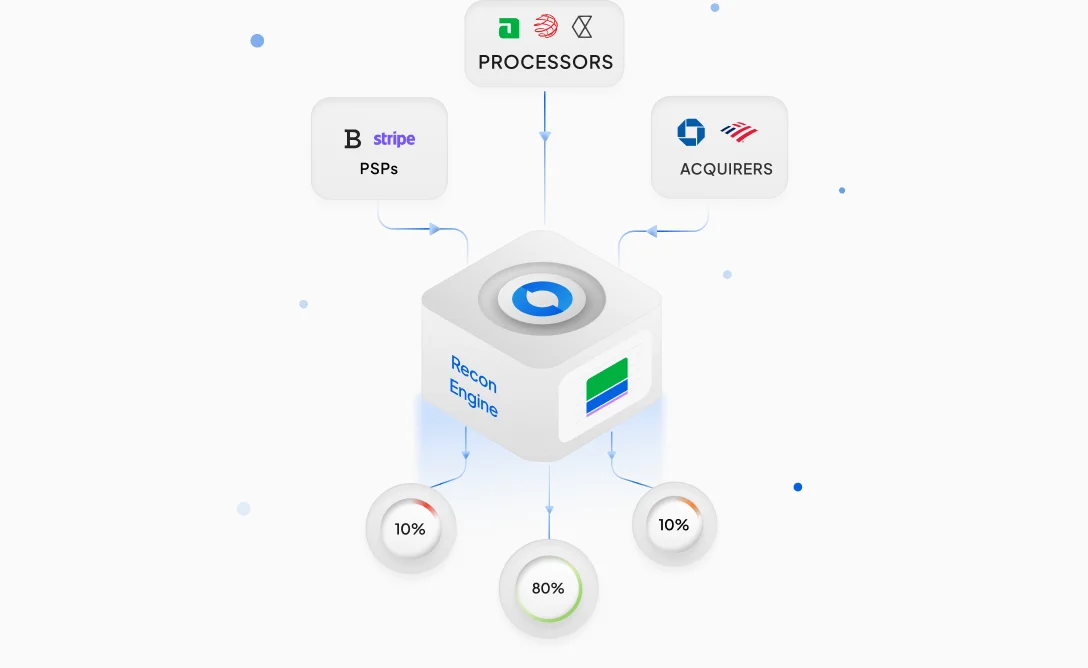
4. FinOps. Automated three-way reconciliation matches orders, acquirer processing and settled funds directly into the airline's finance and ERP systems, in every market. Cost observability gives finance teams the evidence base for optimization and acquirer negotiation, alongside a single view over conversion, authorization, settlement and reconciliation.
5. AI-enabled Ops. A natural-language interface for querying routing configuration and diagnosing issues, so a decline spike or anomaly can be acted on faster. Customisable reporting lets the airline build its own views, and webhooks are available for any event, so data can stream straight into the airline's own data lakes and analytics tools.
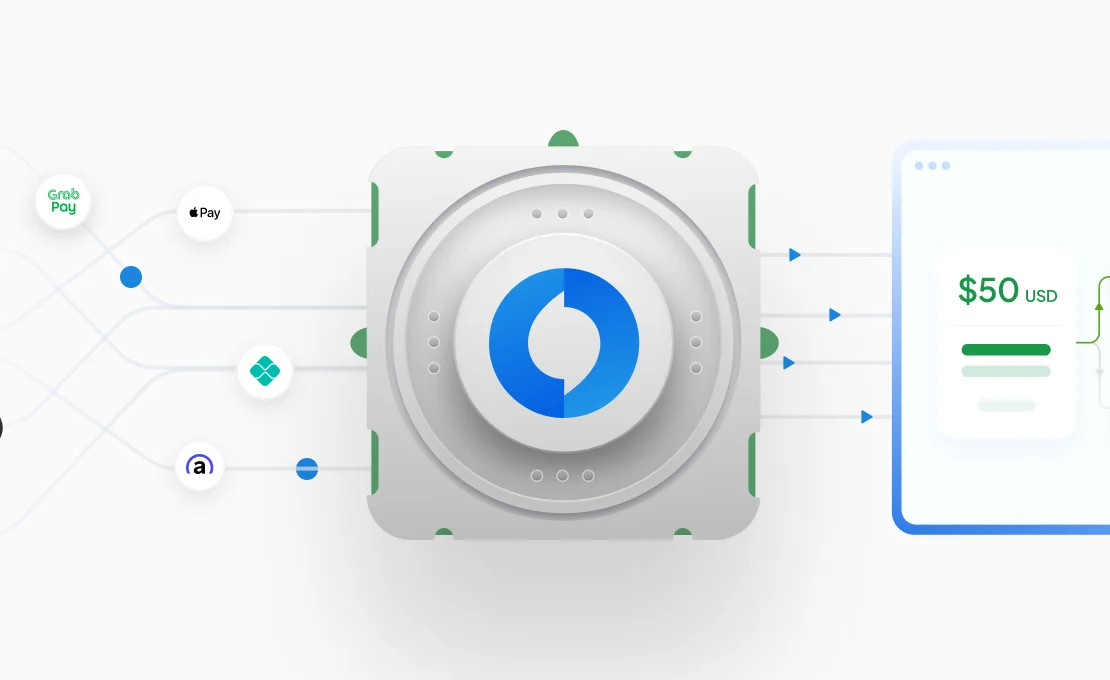
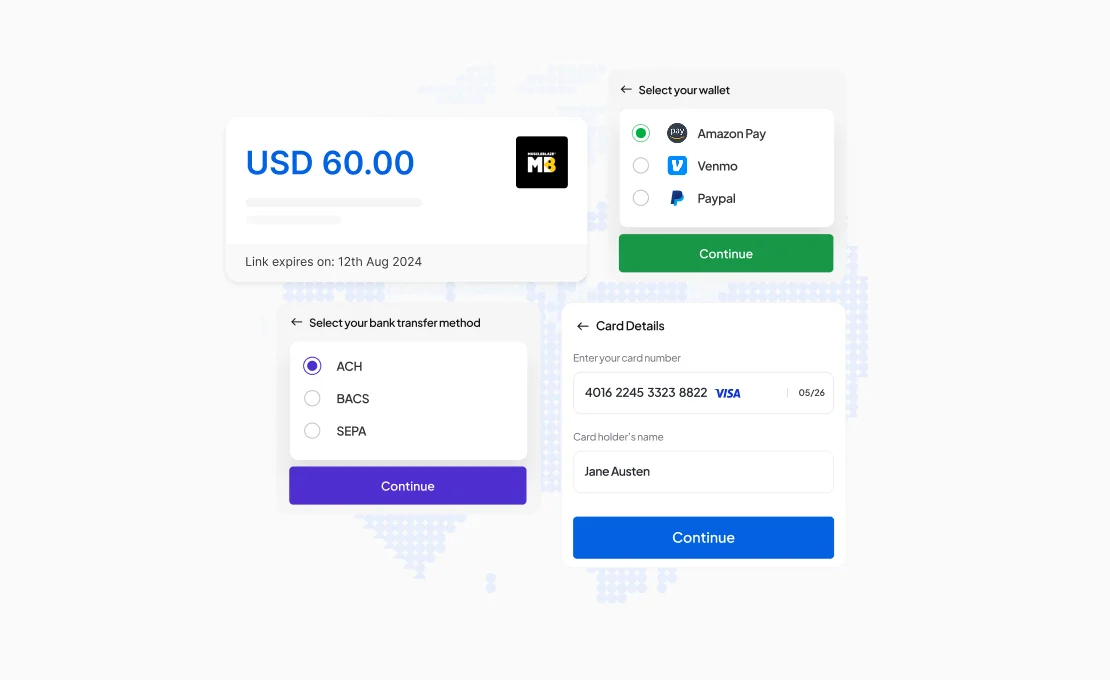
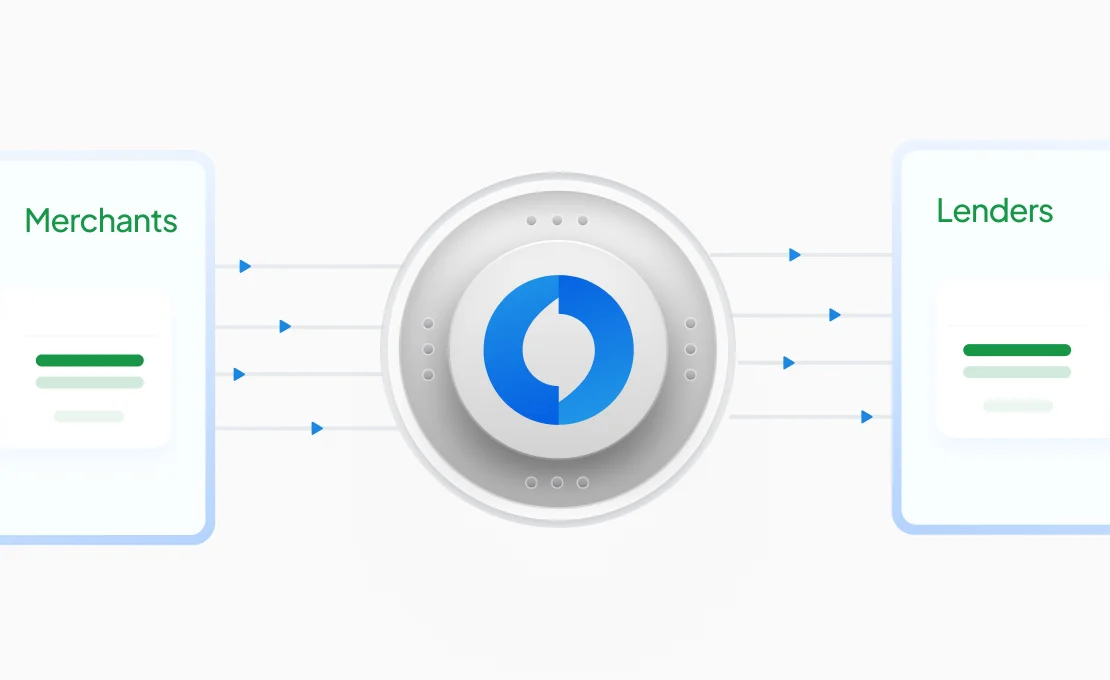
6. Connectivity. The platform offers over 300 alternative payment methods, wallets and buy-now-pay-later options through a single integration. It also connects natively to the PSS and IATA. For any layer, the airline can bring its own provider instead.
7. Agentic Payments. Native support for emerging agentic payment protocols means an airline can accept bookings from autonomous travel agents as that channel matures, without a future re-integration cycle. Juspay has already run live pilots in several markets with enterprise travel merchants.
Why does a bespoke payment module matter to airlines
Most PSS platforms ship with one payment module, shared across every airline running that PSS. Anything new, a payment method, an acquirer, a flow, a checkout feature, waits on the vendor's own roadmap, queued behind everyone else on it. A shared module can only ever be generic, and airlines moving to modern retailing are trying to do the opposite: they want to differentiate themselves and stand out from the competition.
The real engineering work sits above the PSS: connecting it to a checkout built around how the airline actually sells. A price lock that holds the quoted fare, a session timer that keeps the seat while payment completes, promotions run at the point of payment, payment methods steered by customer context. None of this comes off the shelf.
Building that inside the orchestration layer, rather than across a systems integrator and several point solutions, frees up the airline's own engineering capacity and cuts the number of vendors in the chain. Each of those vendors struggles to get an airline all the way there alone, and tends to slow things down after go-live. Leading airlines integrate deep into the PSS and sit an orchestrator directly on top, so new capability, the kind that sets one airline apart from another, ships through that overlay at the airline's own pace rather than the vendor's.
How is Juspay different from other payment orchestration providers
A few things separate Juspay from the rest of the orchestration field, and they come back to one thing: it is an engineering firm that works for the merchant.
No commercial friction, real engineering capacity. Juspay does not charge for new integrations. The first client to ask for something is not taxed for work that ends up strengthening the platform for everyone who follows. With 1,600+ engineers on a fully native stack, that tends to move faster than a platform stitched together from third-party vendors.
The compound effect. Juspay builds for acquirers, for more than 500 enterprise merchants, and for payment infrastructure generally, not just for airlines. Capability built for one client becomes part of the wider platform, available to all.
Independence. Some orchestration providers take a commission on transactions they route to their own partner acquirers, which puts ‘least-cost routing’ in an odd position: it can quietly become the path that pays the platform most, not the airline. Juspay takes no such commission, so least-cost routing means least-cost for the airline.
What should airlines look for in a payment orchestration platform
Airlines should look for a payment orchestration platform whose modules are engineered rather than assembled, that gives them control of their own roadmap and resilience and clear cost economics, and whose commercial interests align with the airline's. Connectivity and routing are the basic levers and they are necessary, and increasingly a commodity. However, the return an airline is looking for sits above that floor. For example, revenue conversion at and beyond checkout, structural cost reduction, operational control over the money and the system, and the kind of bespoke integration into the travel ecosystem that a fragmented stack struggles to implement.
That is what full-stack orchestration should mean for a carrier. Not a systems integrator, a routing-only orchestrator and a handful of partnered point solutions working around each other, but one platform, one line of sight, one control tower.
Key Takeaways
- Airline payment stacks are fragmented, not broken. Most are built around the limitations of the PSS, with separate integrations for gateways, acquirers, alternative payment methods, fraud, currency conversion, loyalty and reconciliation that often can't see or act on what the others are doing.
- Modern airline retailing raises the stakes. Offers are now built, priced and serviced long after the original booking, and every upgrade, bundle or rebooking needs its own authorisation against the same order, across the airline's own site and app, travel agencies and, in the near future, autonomous booking agents.
- The prize is large. Edgar, Dunn & Company's 2025 travel payments study puts industry payment costs at more than $22 billion, about 2.2% of revenue, with 10 to 20% recoverable through a well-executed strategy.
- Routing is the floor. Connectivity and routing are necessary but increasingly a commodity; the real return sits in conversion, structural cost reduction, operational control and bespoke integration into the travel ecosystem.
- Native modules beat stitched ones. Modules built by one engineering team on shared data can act on the full picture, such as a routing decision informed by fraud signal or a fraud decision informed by loyalty status.
- Juspay's native stack covers seven areas: orchestration, checkout and CX, auth and fraud, FinOps, AI-enabled ops, connectivity and agentic payments. Typical results include a 5 to 10% authorisation rate improvement, 5 to 10% lower processing costs, an 8 to 12% conversion uplift and a 2 to 5% uplift on high-friction transactions.
- A shared PSS payment module can only ever be generic. To stand out, leading airlines integrate deeply with their PSS and place a payment orchestrator directly on top. This setup allows the airline to launch unique, custom payment features at its own pace.
- Juspay's model is aligned with the airline. Juspay does not charge for new integrations, brings 1,600+ engineers on a fully native stack, and takes no routing commission, so least-cost routing means least-cost for the airline.
Frequently Asked Questions
What is airline payment orchestration?
Airline payment orchestration is a central platform that sits across an airline's whole payment stack, from PSS integration and routing to fraud, checkout, tokenisation and reconciliation. A full-stack orchestrator sees every payment event as it happens, acts on it in real time, gives one consistent view of performance, cost and risk, and optimises the system as a whole rather than each module in isolation.
How is full-stack payment orchestration different from routing-only orchestration?
Routing-only orchestration sends each transaction to the acquirer most likely to approve it at the lowest cost, and fails over when a path degrades. Full-stack orchestration also owns authentication, fraud, checkout, tokenisation and reconciliation, so it can decide in real time whether a transaction needs a fraud check, whether to request authentication or claim an SCA exemption, whether to offer a promotion, and how to reconcile the payment once it settles.
Why do airlines need a central payment orchestration layer?
Airlines need a central orchestration layer because most payment stacks are built around the limitations of the Passenger Service System, with separate integrations that often can't see or act on each other. As airline retailing shifts to offers serviced continuously across many channels, coordination gets harder. Edgar, Dunn & Company's 2025 travel payments study puts industry payment costs above $22 billion, with 10 to 20% recoverable.
What results can airlines expect from Juspay's payment orchestration?
Juspay's typical results are a 5 to 10% authorisation rate improvement and 5 to 10% lower processing costs from orchestration and routing, an 8 to 12% conversion uplift from checkout, and a 2 to 5% uplift on high-friction transactions from native 3DS and automated SCA exemption management. Pre-screening fraud in-house before it reaches paid third-party vendors also lowers fraud and risk management costs.
How does Juspay's payment orchestration work with an airline's PSS?
Juspay's payment layer is engineered directly against the airline's Passenger Service System, with native PSS and IATA connectivity, so booking and payment stay in sync throughout. Capabilities such as fare lock, live repricing, promotions and payment method steering are delivered as an overlay above the PSS, so airlines can ship new features at their own pace instead of waiting on the PSS vendor's shared roadmap.
Can airlines keep their existing payment providers when using Juspay?
Yes. Juspay's stack is modular and composable, so an airline can bring its own provider for any layer without breaking the platform everything else runs through. Juspay can also replace an existing gateway outright, with over 300 alternative payment methods, wallets and buy-now-pay-later options reachable through a single integration alongside native PSS and IATA connectivity.
Can airlines accept bookings from autonomous AI travel agents?
Airlines can accept bookings from autonomous travel agents through an orchestration platform with native support for emerging agentic payment protocols. Juspay's platform includes that support, so an airline can open the channel as it matures without a future re-integration cycle. Juspay has already run live pilots in several markets with enterprise travel merchants.