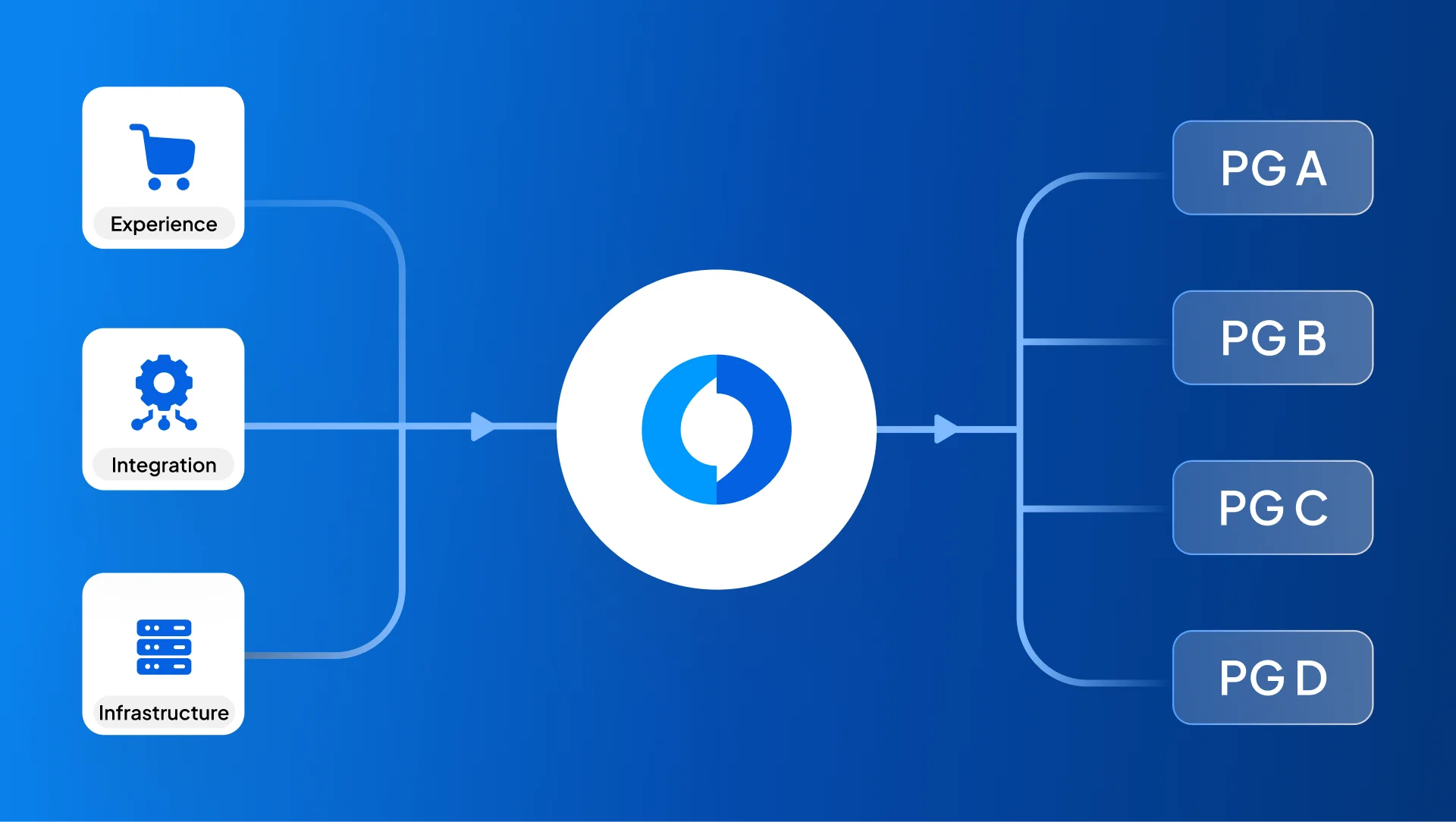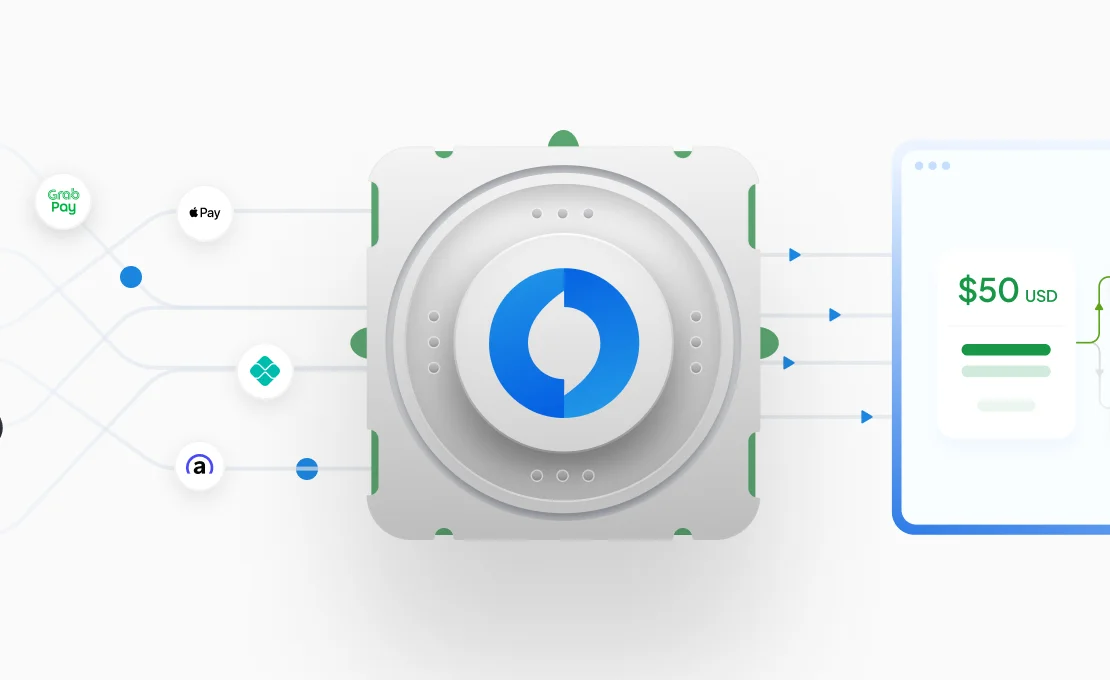











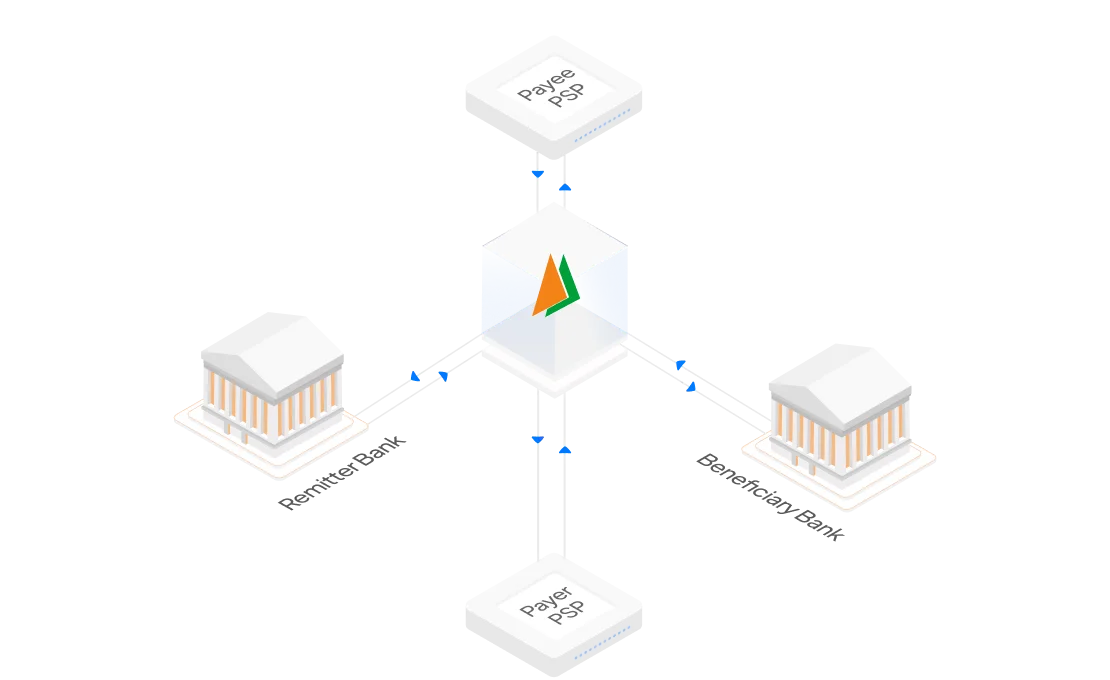



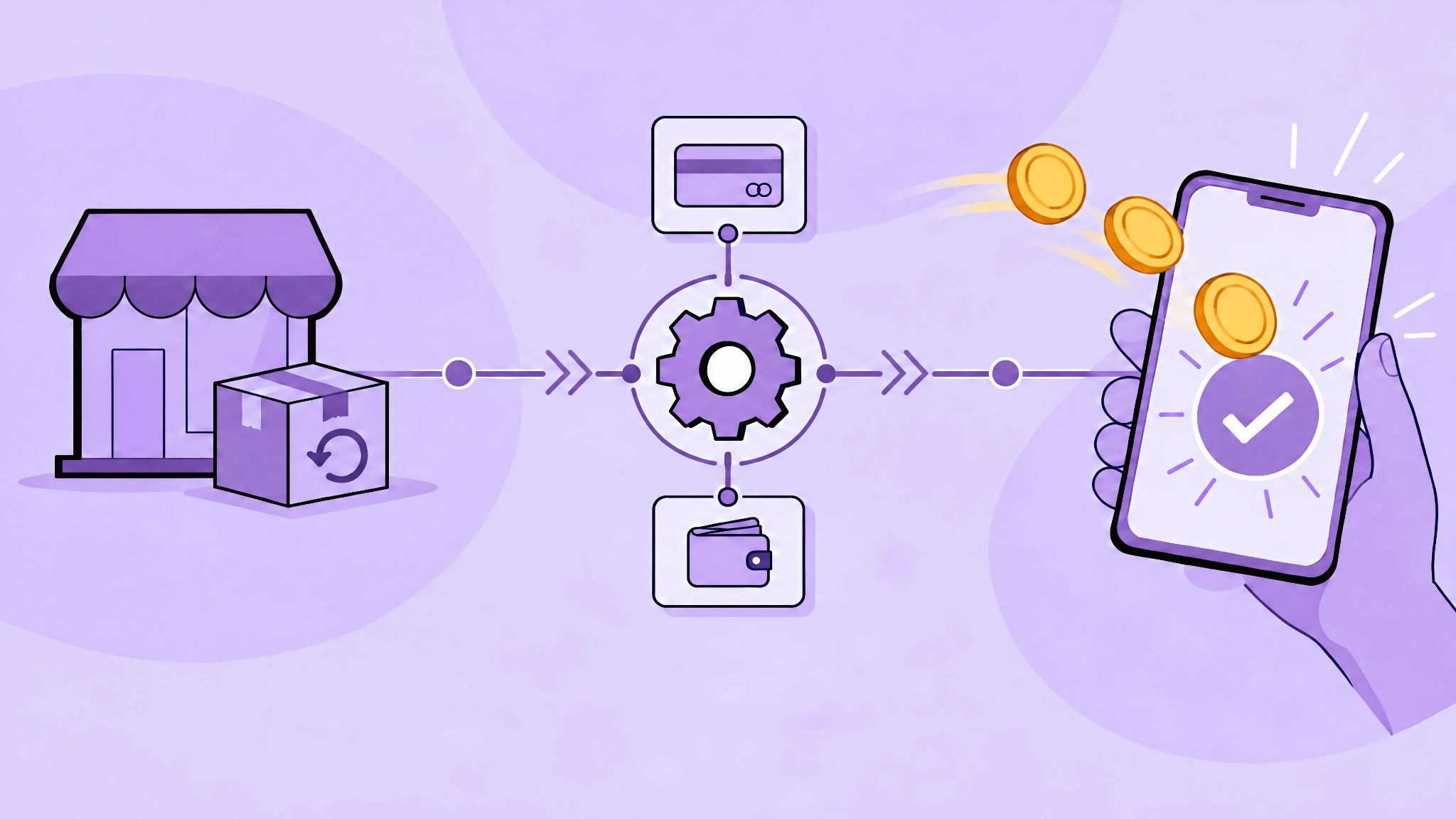
Most instant refunds are only instant on the merchant’s side. A merchant can approve a refund in a minute, but a standard card reversal can still take 5–10 business days to reach the customer. Closing that gap means sending the refund as a payout over a faster rail, such as a card push payment, UPI, Pix or SEPA Instant, so the money often arrives in seconds. Speed matters because the refund is the last interaction a returning customer has with a brand. Juspay, which orchestrates payments across 150+ countries, routes refund payouts across cards, bank rails and wallets with automatic retries and failover.
What are smart payouts, and how do they differ from a standard refund?
Smart payouts are outbound payments that use a routing layer to find the fastest payment rail to reach the customer. If the first try fails, the system automatically retries or switches to a different rail to make sure the money gets there.
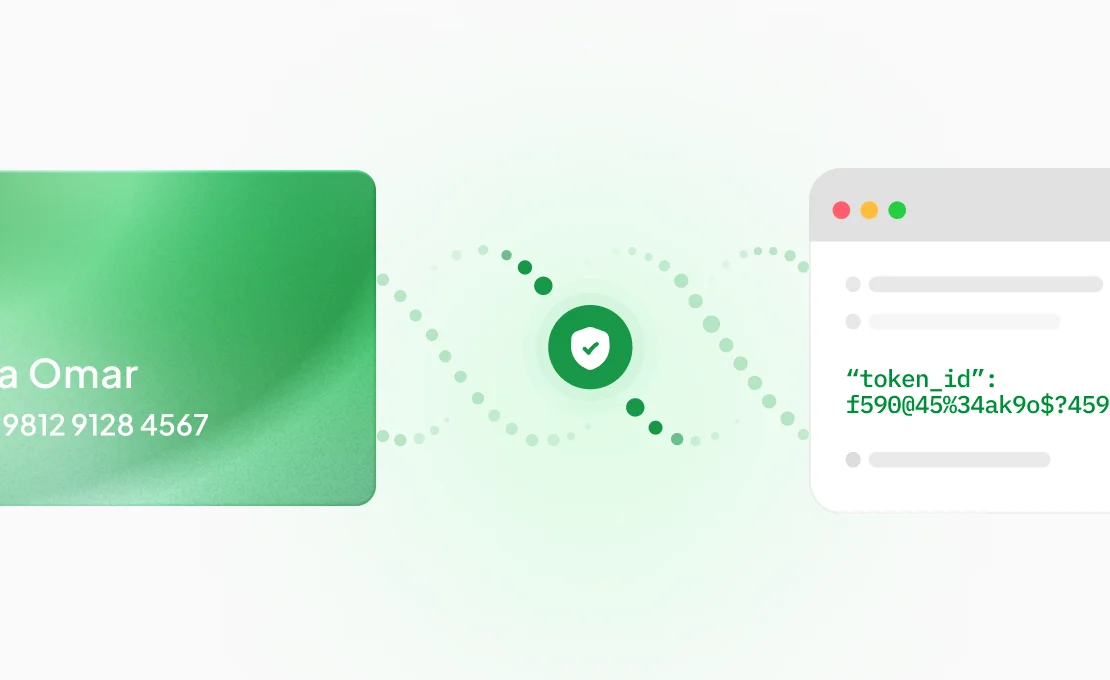
When it comes to refunds, a smart payout skips the slow process where merchants reverse the original charge. Instead, it sends a direct credit straight to the customer's card, bank account, or digital wallet.
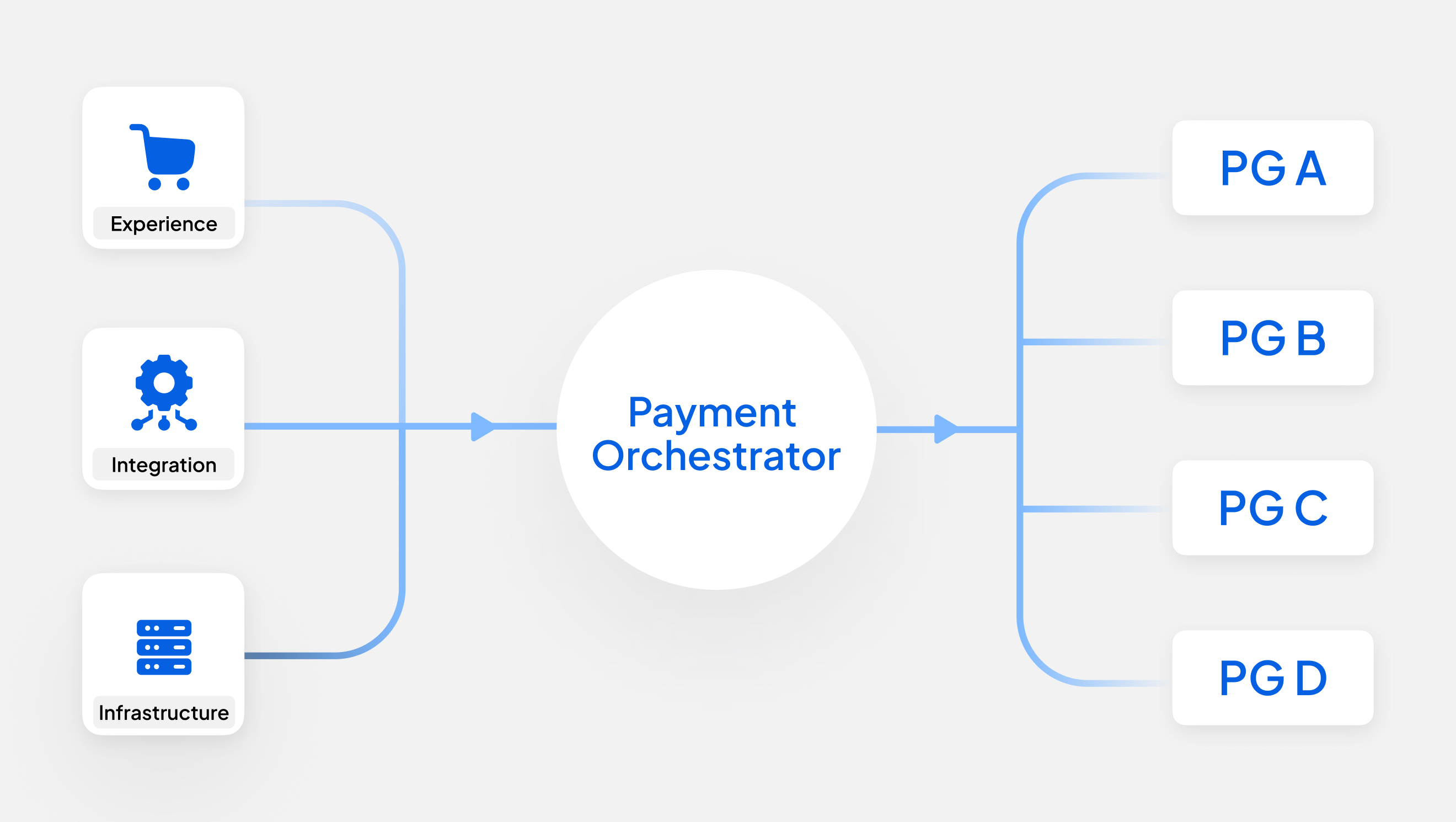
The architecture for this is very simple. First, the merchant's order or returns system decides to issue a refund. Right after that, the payout layer takes over. It connects to three main types of payment rails:
- Card networks (like Visa Direct and Mastercard Send push payments).
- Domestic real-time account rails (such as UPI and IMPS in India, Pix in Brazil, SEPA Instant in Europe, and FedNow and RTP in the US).
- Digital wallets.
This same payout layer is often used for other tasks like vendor payments, seller settlements, and payroll, but refunds are where customers notice the speed the most. In fact, Visa's 2025 annual report highlights refunds, along with P2P transfers and seller settlements, as the main uses for Visa Direct.
It is important to note that smart payouts do not completely replace refund-to-source. Financial regulations and card network rules usually require a refund to go back to the original payment method whenever it is possible.
However, a smart payout is the perfect tool when the original payment path is too slow, has expired, or simply does not exist. Common examples include refunds for cash-on-delivery orders or card refunds that have passed the acquirer's refund window.
Why does refund speed affect customer retention?
Refund speed affects retention because the refund is the last interaction a returning customer has with a brand, and a slow one leaves money in limbo at the exact moment trust is lowest. Multiple 2025–26 surveys link faster refunds to higher repurchase rates.
The consumer data is consistent across markets:
Expectations are near-instant. TodayPay's third annual Where Is My Refund? study (January 2026) found 29% of US consumers want a refund the same day they return an item, 17% want it instantly, and 34% would pay a fee to get it sooner. The same survey found 44% would rather visit the dentist than wait seven days for a refund.
Slow refunds suppress spending. Tink's UK research (February 2023) found 30% of consumers were spending less online because refunds took too long, and 52% were less likely to shop with a retailer again after a slow refund.
Fast refunds lift repurchase. Signifyd reports that customers who receive instant returns show a 23% higher repurchase rate within the following 30 days, and its 2025 State of Commerce research found 62% of consumers buy more from a merchant after a positive returns experience.
"Refunds have quietly become one of the most important – and most overlooked – drivers of customer loyalty in retail and e-commerce," says Jeremy Balkin, founder and CEO of TodayPay.
The volume at stake is large. Retailers estimate 15.8% of total annual sales will be returned, close to $850 billion, according to the 2025 Returns Landscape report from the National Retail Federation and Happy Returns. Every one of those returns ends in a refund, and every refund is a retention decision.
Tom Pope, Head of Payments and Platforms at Tink, put the cost of inaction plainly: retailers with slow refund processes "risk missing out on vital revenue and repeat business."
How fast a customer gets their refund affects customer retention because the refund is often the final interaction they have with a brand. If the process is slow, their money is stuck in limbo at a time when their trust in the company is at its lowest. Several surveys from 2025 and 2026 clearly show that faster refunds lead to higher repurchase rates.
The consumer data shows the exact same trends across different markets:
- Shoppers expect it to be almost instant. According to TodayPay's January 2026 study, 29% of US shoppers want their refund on the exact same day they return an item. Another 17% want it instantly, and 34% are even willing to pay a fee to get their money faster. Surprisingly, 44% of people said they would rather go to the dentist than wait seven days for a refund.
- Slow refunds lower spending. A study by Tink in the UK showed that 30% of shoppers spent less online because refunds took too long. Furthermore, 52% said they were less likely to buy from a retailer again if a refund was slow.
- Fast refunds increase repeat purchases. Data shows that customers who get instant returns have a 23% higher repurchase rate in the next 30 days. Their 2025 State of Commerce research also found that 62% of consumers will buy more from a merchant after having a good returns experience.
Jeremy Balkin, the founder and CEO of TodayPay, states that refunds have quietly become one of the most important and most overlooked drivers of customer loyalty in retail and e-commerce.
There is a massive amount of money involved. Retailers expect that 15.8% of all yearly sales will be returned. According to the 2025 Returns Landscape report from the National Retail Federation and Happy Returns, this equals nearly $850 billion. Every single one of these returns requires a refund, making every refund a crucial moment for keeping a customer.
Tom Pope, the Head of Payments and Platforms at Tink, explains the risk clearly. He says that retailers with slow refund processes risk losing out on important revenue and repeat business.
Why do "instant refunds" still take 5–10 days?
Most "instant refund" programs only make the merchant's approval faster, but they do not speed up the actual movement of the money. Every refund operates on two different clocks, and the customer feels the wait time of whichever clock is slower.
The decision clock tracks how long it takes for the merchant to approve the refund. Most of the industry focuses only on this part. They focus on approving the refund the moment a return is requested or when the shipping carrier scans the return label, instead of waiting for a full warehouse inspection.
The settlement clock tracks how long it takes for the money to actually reach the customer after the merchant approves it. For a standard card refund, this clock is very slow, no matter how quickly the merchant makes their decision. For example, Stripe's support documents mention that card refunds can take 5 to 10 business days to appear in a customer's account.
Imagine a merchant approves a refund in just one minute but processes it as a standard card reversal. They have an instant decision time, but the settlement still takes eight business days. For the customer, the whole process feels like it takes eight business days. This delay explains why having an "instant refund" policy often does not stop customers from calling customer service. Customers do not call to ask about approvals, they call support when their money has not arrived yet.
To keep customers happy and improve retention, businesses need to fix both of these clocks. Using risk tooling helps to speed up the decision clock. Using modern payout rails helps to speed up the settlement clock.
Refund reversal vs push-to-card vs bank payout: which is fastest?
- Refund reversal: This is the traditional method where the merchant simply "undoes" the original transaction. The money is sent back through the exact same path it originally came from.
- Push-to-card payout: This method sends the money directly to a customer's eligible debit or credit card using the card network, bypassing the slow reversal process.
- Bank payout: This sends the money straight into a customer's bank account or digital wallet using their specific account details.
Real-time bank payouts and push-to-card payouts are the fastest ways to refund a customer. When supported, they usually settle in seconds or minutes. In contrast, a standard card refund reversal can take 5 to 10 business days. The trade-off is that these faster payment rails require a valid and eligible destination account to receive the money.
The table below compares the four common refund methods. Push and real-time rails win when it comes to speed. However, reversals win on simplicity because the merchant does not need to ask the customer for any new information.
| Refund Method | Typical Time to Customer | What the Merchant Needs | Best Fit | Potential Drawbacks (What to watch out for) |
| Card refund reversal | About 5 to 10 business days (for example, using Stripe). | Nothing beyond the original transaction details. | Low-urgency card refunds that happen within the standard refund window. | Customer anxiety: The customer sees no updates while waiting days for the money. Delayed failures: A failed refund can unexpectedly bounce back to the merchant up to 30 days later. |
| Push-to-card payout (like Visa Direct or Mastercard Send) | Near real time if the issuer supports it. | An eligible debit, prepaid, or supported credit card. | Card refunds where speed is very important. | Inconsistent support: The money's availability changes depending on the specific bank, the type of card, and the country. |
| Real-time bank or wallet payout (such as UPI, Pix, SEPA Instant, FedNow, or RTP) | Seconds on 24/7 payment rails. | The customer's account identifier (like a VPA, Pix key, IBAN, or account number). | Cash-on-delivery refunds, expired card windows, and purchases made via bank transfer. | Input errors: If the customer provides the wrong account details, the payment will fail or go to the wrong person. Limited reach: These fast payment rails are not yet available in every country. |
| Store credit or app wallet | Instant | A customer account on the merchant's platform. | Customers who explicitly choose this option. | Low customer satisfaction: Most consumers strongly dislike this method because it forces them to spend money with the same store again. |
Store credit is not a real substitute for an actual refund. A survey by TodayPay found that 92% of consumers want to choose how they get their refund, and only 12% actually prefer store credit or gift cards.
Which payout rail works best in each market?
The best payout rail for a refund depends on the main real-time system used in that specific market. For example, India, Brazil, and the Eurozone each have their own national instant rail. On the other hand, card push networks are used for cross-border payments and in card-first markets like the United States.
The table below shows which payment rail settles refunds the fastest in different markets. The general trend is that account-to-account rails are the top choice wherever they are available, and card push systems fill in the gaps everywhere else.
| Market | Fastest Refund Rail | Scale Signal (How much it is used) |
| India | UPI (with IMPS as a backup) | UPI processed a record 24.51 billion transactions in August 2026 (according to NPCI). |
| Brazil | Pix | Pix processed 79.8 billion transactions in 2025, which went up from 63.5 billion in 2024 (according to Banco Central do Brasil). |
| Eurozone | SEPA Instant Credit Transfer | Euro-area PSPs (Payment Service Providers) were required to send instant payments and offer Verification of Payee, because of the EU Instant Payments Regulation. |
| United States | Push-to-debit via card networks. FedNow and RTP are also used where banks participate. | FedNow launched in 2023. ACI projects a 27.1% real-time CAGR (Compound Annual Growth Rate) from 2023 to 2028 for North America. |
| Cross-border and card-first markets | Visa Direct and Mastercard Move/Send | Visa Direct processed more than 12.5 billion transactions in fiscal year 2025 across more than 195 countries and territories. Mastercard Move reaches around 17 billion endpoints. |
| Middle East | Domestic instant schemes plus card push | ACI identifies the Middle East as the fastest-growing real-time payments region, with a 28.8% CAGR from 2023 to 2028. |
India and Brazil are great examples of what happens when real-time rails become the standard way to pay. ACI found that 49% of all real-time transactions worldwide in 2023 happened in India, and 14% happened in Brazil. Because of this, merchants in these markets now expect refunds to move just as fast as regular payments. Europe is also moving toward this same expectation now that instant credit transfers are required by law across the Eurozone.
How do merchants refund cash-on-delivery orders instantly?
When a customer pays with cash-on-delivery (COD), there is no card or bank account for the merchant to simply reverse the charge. To give an instant refund, merchants must collect the customer's bank or wallet identifier when the item is returned. Then, they send the money directly to the customer using a fast real-time rail like UPI, Pix, or SEPA Instant. Because there is no original digital payment to reverse, a direct payout is the only way to return the cash.
COD is still very popular in markets where people do not use cards often or are still building trust with online stores. Normally, if a customer returns a cash order, the store just gives them credit in their own app wallet. While this is fast for the store, customers usually do not like it. They paid in physical cash and want actual money back, not just platform credit.
A smart payout process for COD refunds fixes this in four simple steps:
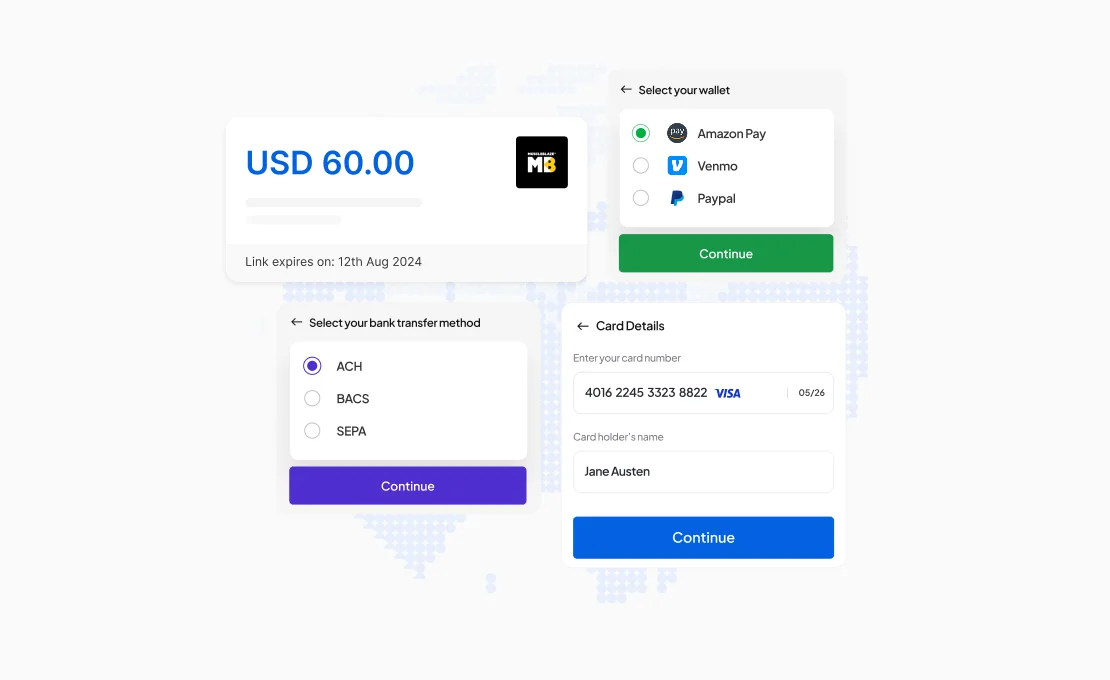
- The customer starts a return and gets a payout link.
- The customer enters their payment details, such as a UPI ID, Pix key, IBAN, or standard bank account number.
- The payout layer checks to make sure the account belongs to the right person, if that region supports it. For example, the Verification of Payee service in the Eurozone will check if the name matches exactly, matches closely, or does not match before sending any money.
- The refund is sent quickly over the local real-time rail. If the first attempt fails, the system uses retries and failover (automatically switching to a backup method) to ensure the money goes through.
As a result, a COD customer who originally paid a delivery driver in cash can get their money back in their bank account on the exact same day, instead of being stuck with platform credit they never asked for.
How does Juspay route and retry refund payouts?
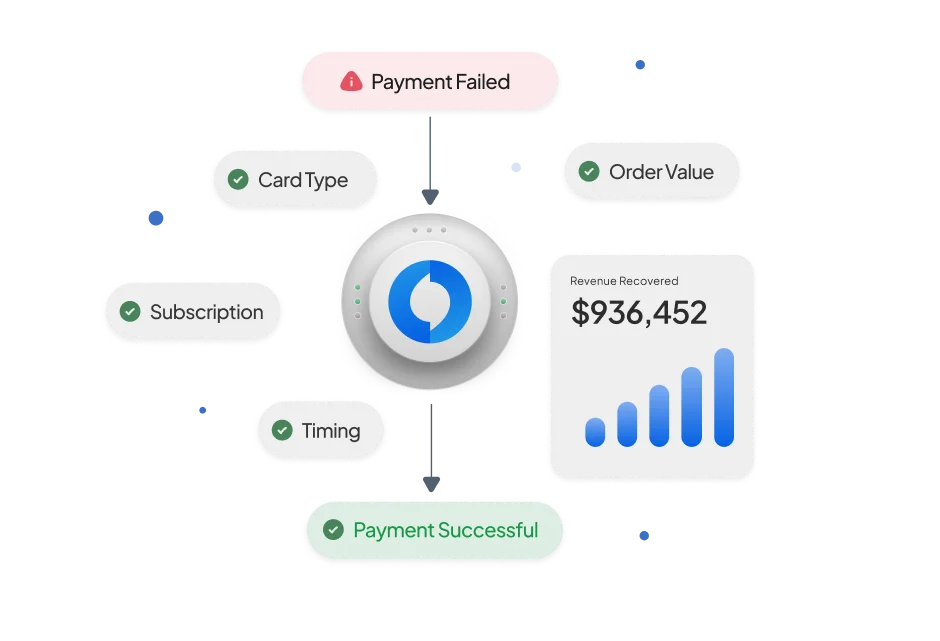
Juspay routes each refund payout to the rail and provider most likely to succeed. It checks eligibility first, including whether the original payment method is still within its refund window, then retries on the same or a different route and fails over to another provider or a bank transfer if needed. The merchant raises the refund once.
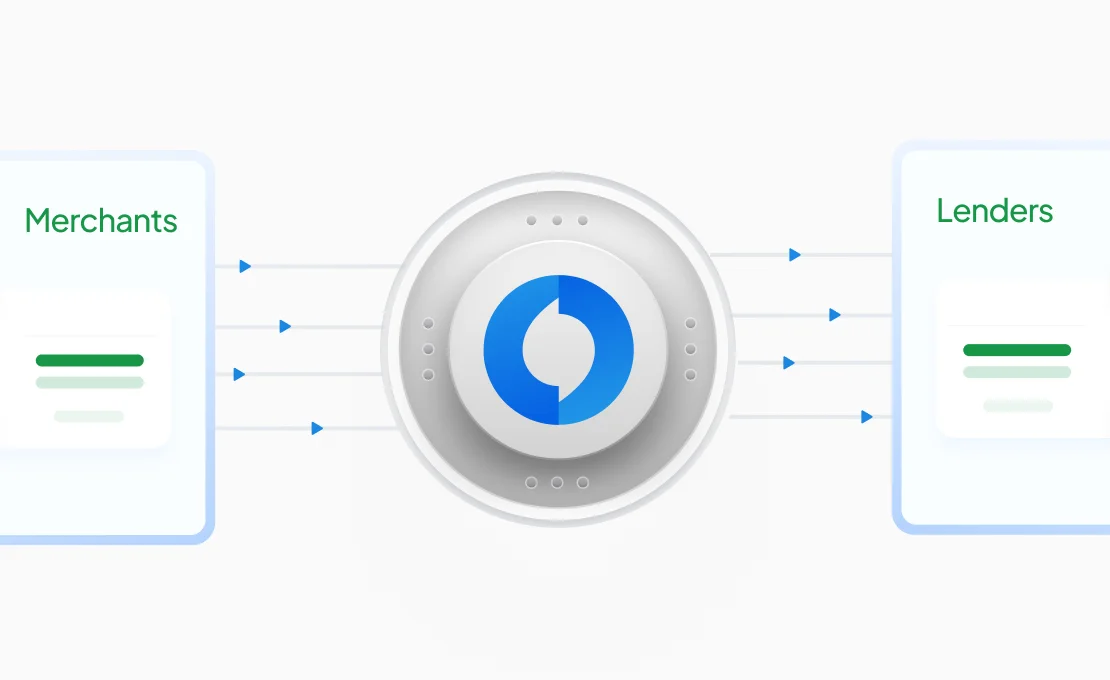
Juspay’s payout layer connects directly to Visa Direct and Mastercard Send for real-time card refunds. It also connects to banks, real-time rails and wallets, with local clearing in 50+ countries. Merchants can choose a standard refund to the original gateway, an instant payout to a card, bank account or UPI ID, or an instant refund that falls back to the gateway when a payout isn’t eligible. Payout links handle cash-on-delivery orders. Account checks such as penny drop and name matching run before money moves, and every refund is tracked through APIs, webhooks and a single dashboard.
For a leading Indonesian online travel agency, Juspay checked aggregator time limits, such as 180-day windows for card refunds, and fell back to other aggregators or bank transfers when the original method would fail. The same infrastructure handles over 400 million transactions a day with 99.999% reliability, so no single bank or provider is a point of failure.
Where do instant refund payouts go wrong?
Instant refund payouts most often fail through fraud exposure, bad beneficiary data and duplicate refunds, not through slow rails. Each failure mode is avoidable with the right controls.
Refunding before the return is verified. An instant decision clock opens the door to return fraud: empty boxes, swapped items, wardrobing. Signifyd estimates e-commerce merchants lost $46 billion to fraudulent returns in 2024, and the NRF/Happy Returns report classifies about 9% of all returns as fraud. The fix is risk-tiered speed. A low-risk refund for a repeat customer can pay out instantly; a high-value return from a new account waits for inspection.
Wrong beneficiary details. A push payment to a mistyped account is fast in the wrong direction and hard to recover. Beneficiary verification, such as Verification of Payee in the eurozone or name lookup on real-time rails where available, should run before funds move.
Double refunds. If a card reversal is initiated and then a payout is also sent because the reversal "looked stuck," the customer gets paid twice. A refund needs a single source of truth for status across every rail.
Silent failures. Card refunds can fail quietly. Stripe notes that when a customer's card or account is closed, the refunded amount can be returned to the merchant up to 30 days later. Without monitoring, the customer believes they were refunded and the merchant believes the matter is closed.
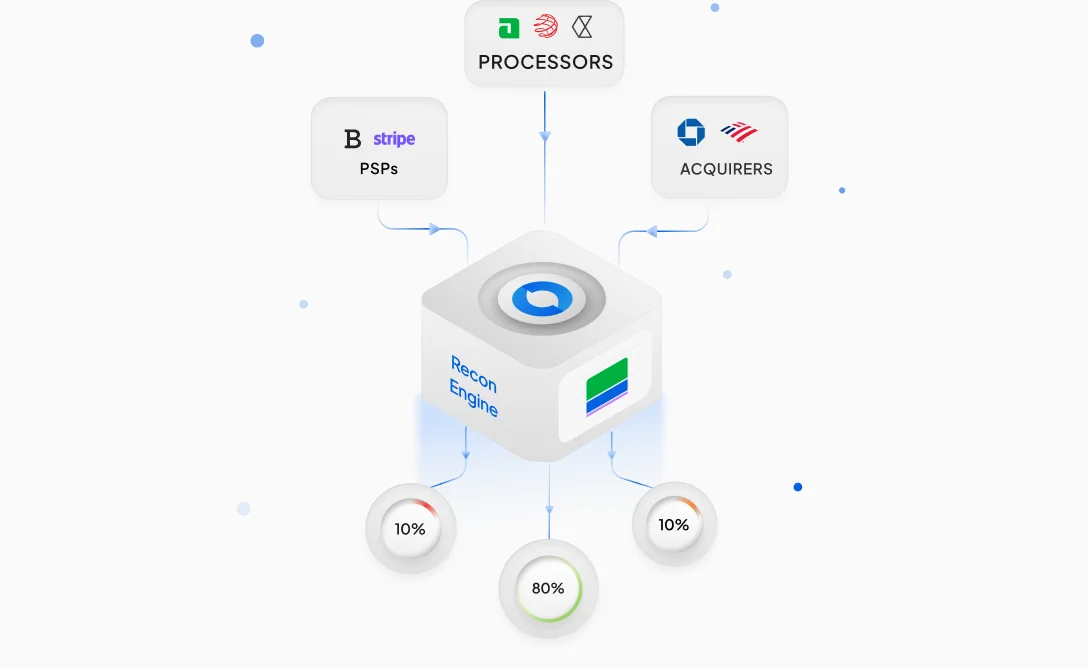
Reconciliation gaps. Refunds spread across several rails and providers produce fragmented settlement data. Without automated reconciliation, finance teams can't confirm which refunds actually landed.
Not every refund should be instant. Speed should follow risk, not replace risk assessment.
Key Takeaways
- Refund speed is a retention lever. 52% of UK shoppers are less likely to return to a retailer after a slow refund, and instant refunds are associated with a 23% higher 30-day repurchase rate.
- A refund runs on two clocks. Approving a refund instantly doesn't make it arrive instantly; standard card refunds can still take 5–10 business days to settle.
- Payout rails fix the settlement clock. Push-to-card and real-time bank rails settle in seconds to minutes where supported.
- Choosing a rail depends on the market. The best payment rail to use depends on the specific country or region. For example, you would use UPI in India, Pix in Brazil, and SEPA Instant in the Eurozone. For cross-border payments or in card-first markets (places where people mostly pay with cards), card push is the best option.
- Cash-on-delivery refunds require direct payouts. Because the customer paid with physical cash, there is no digital transaction for the merchant to reverse. Additionally, most shoppers want actual money back, not just store credit.
- Speed should depend on risk. Businesses should adjust how fast they send money based on how risky the return is. By using tiered instant refunds, checking the customer's details through beneficiary verification, and keeping a single refund status record, companies can easily prevent fraud, avoid sending money to the wrong account, and stop double refunds.
Frequently Asked Questions
How long does a card refund take to reach the customer?
A standard card refund typically takes 5–10 business days to appear in the customer's account, depending on the issuing bank. The merchant's payment provider processes the refund immediately, but the issuer controls when the credit posts. Merchants that need faster refunds can use push-to-card payouts through Visa Direct or Mastercard Send, which credit eligible cards in near real time.
What is the difference between a refund and a payout?
A refund reverses or credits the original payment method used for a purchase, while a payout is a new, outbound payment to any eligible card, bank account or wallet. Refunds are the default for card purchases within the refund window. Payouts are used when the original method is unavailable, expired or too slow, such as cash-on-delivery orders or refunds past an acquirer's time limit.
Can a merchant refund a cash-on-delivery order to a bank account instantly?
Yes, a merchant can refund a cash-on-delivery order instantly by sending a payout to the customer's bank account or wallet over a real-time rail. The customer shares a UPI ID, Pix key, IBAN or account number, often through a payout link, and the merchant pushes the funds. Verifying the beneficiary before sending prevents misdirected refunds.
Do instant refunds increase return fraud?
Instant refunds can increase return fraud if they are issued before the returned item is verified for every customer. Signifyd estimates merchants lost $46 billion to fraudulent returns in 2024. The standard mitigation is risk-tiered refunds: low-risk customers and orders get instant payouts, while high-value or high-risk returns wait for carrier scan or warehouse inspection.
What is push-to-card and which cards support it?
Push-to-card is a card network service that credits money directly to a card in near real time, using Visa Direct or Mastercard Send. It works with eligible debit, prepaid and some credit cards, and Visa notes that actual fund availability varies by receiving institution, account type and region. Visa Direct processed more than 12.5 billion transactions in fiscal 2025.
Does the EU Instant Payments Regulation make refunds instant?
No, the EU Instant Payments Regulation does not make refunds instant on its own. It requires euro-area payment service providers to offer instant euro credit transfers and Verification of Payee, with both obligations applying from 9 October 2025. Merchants still need to choose instant credit transfers as their refund rail to benefit.
How does Juspay handle failed refund payouts?
Juspay handles failed refund payouts by retrying the same route after a transient failure and then failing over to an alternate provider or rail if retries don't succeed. Before routing, Juspay checks refund eligibility, including refund-window limits on the original payment method. Merchants initiate each refund once, and the routing layer manages retries, failover and status tracking.