












TL;DR
- Payment orchestration is becoming the global control plane for local payments.
- Payment method diversity is now the default: cards, wallets, account-to-account rails, BNPL, QR payments, and instant payment systems all behave differently by market.
- Regulation is becoming more local, with countries and regions defining their own rules for tokenization, two-factor authentication, data localization, payment security, and fraud control.
- More businesses are selling globally, which makes multiple payment aggregators, acquirers, local providers, and fraud tools unavoidable.
- Juspay’s perspective comes from operating global payment infrastructure across diverse markets, payment methods, and enterprise use cases.
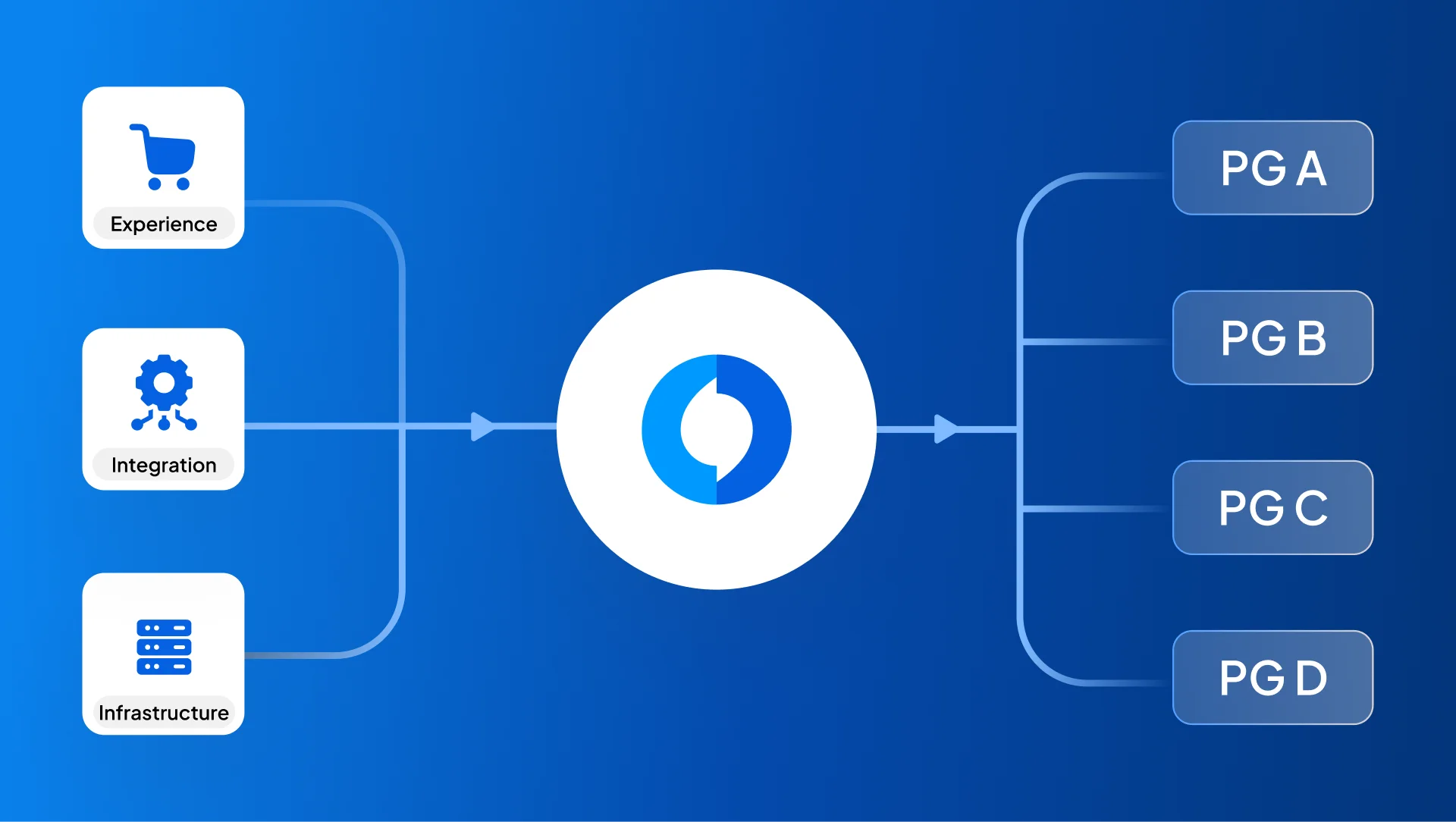
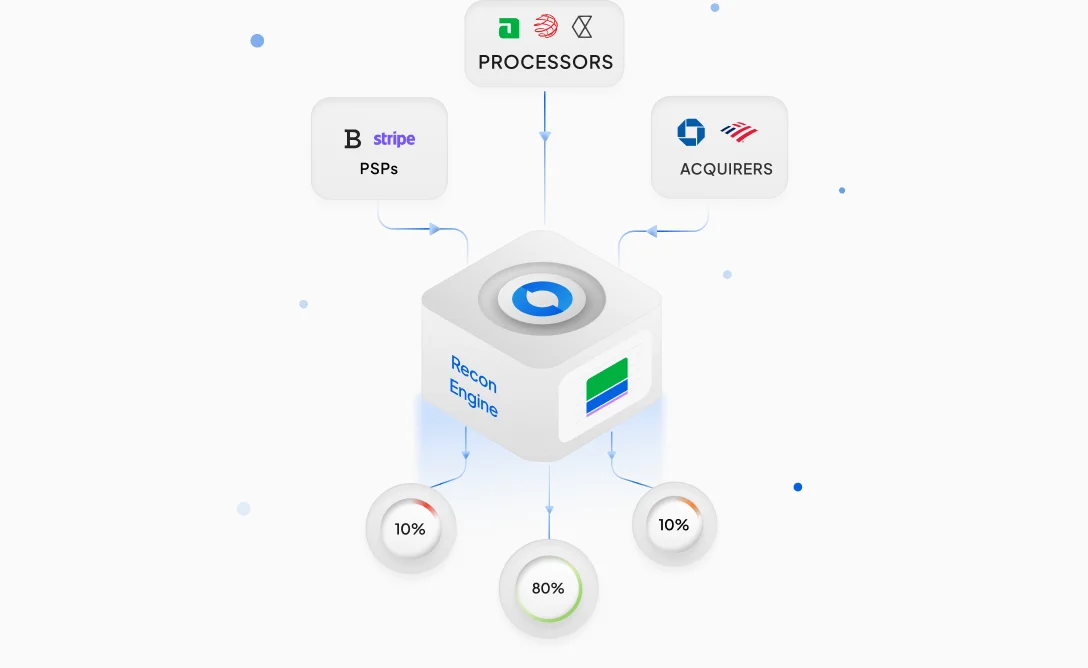
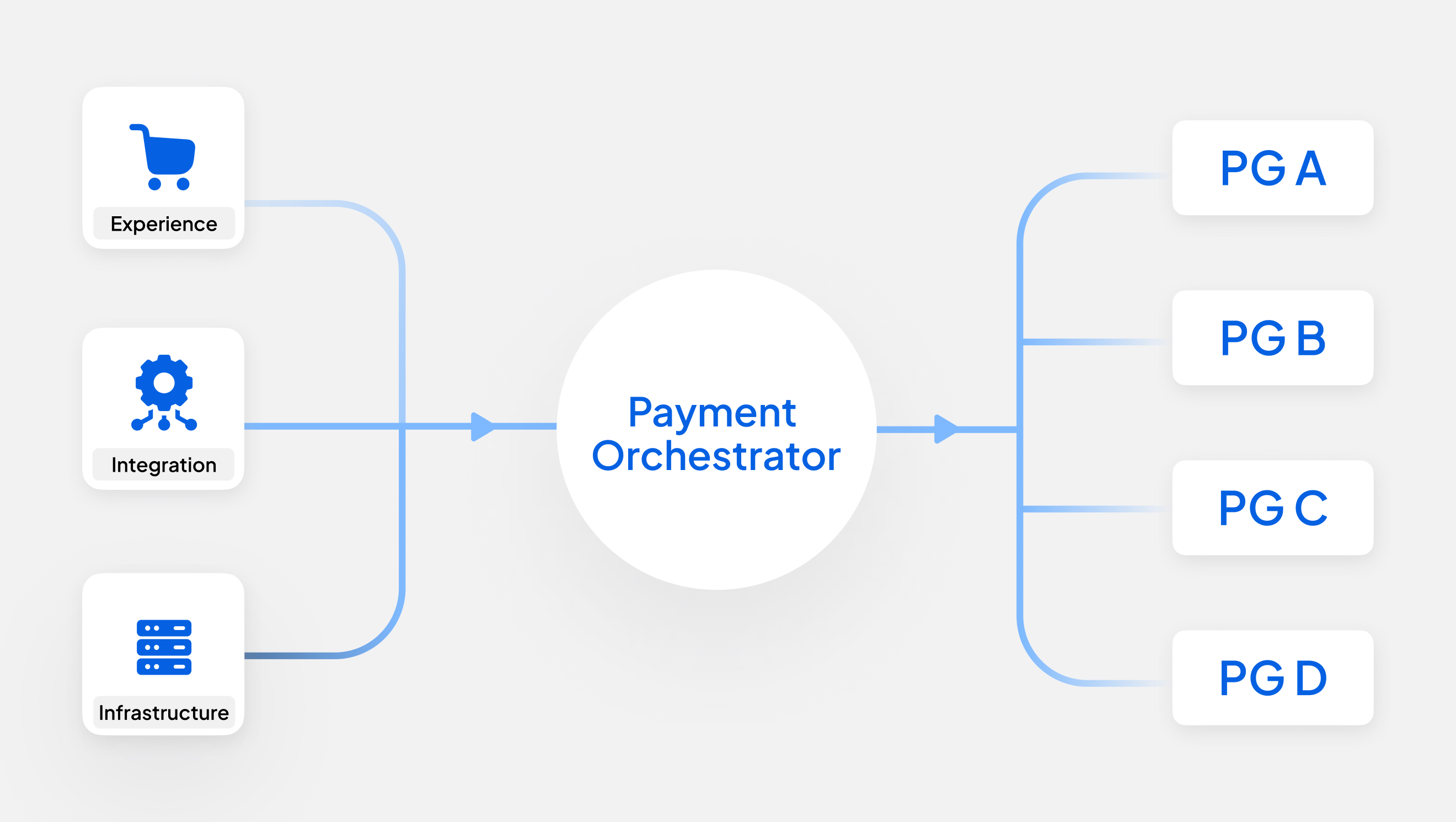
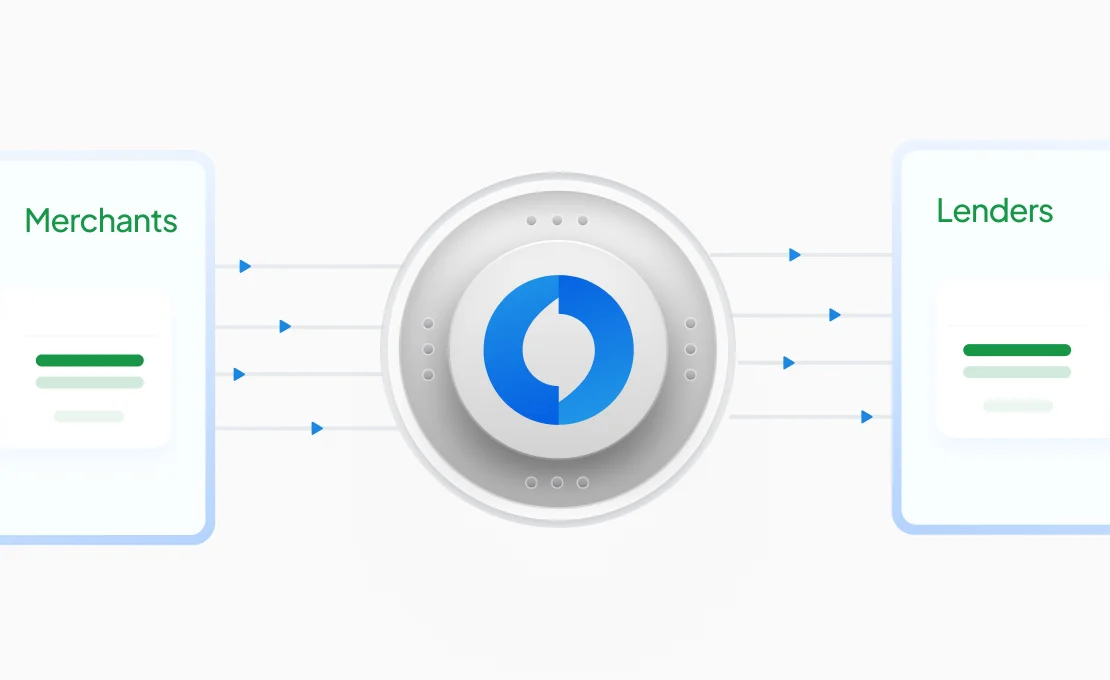
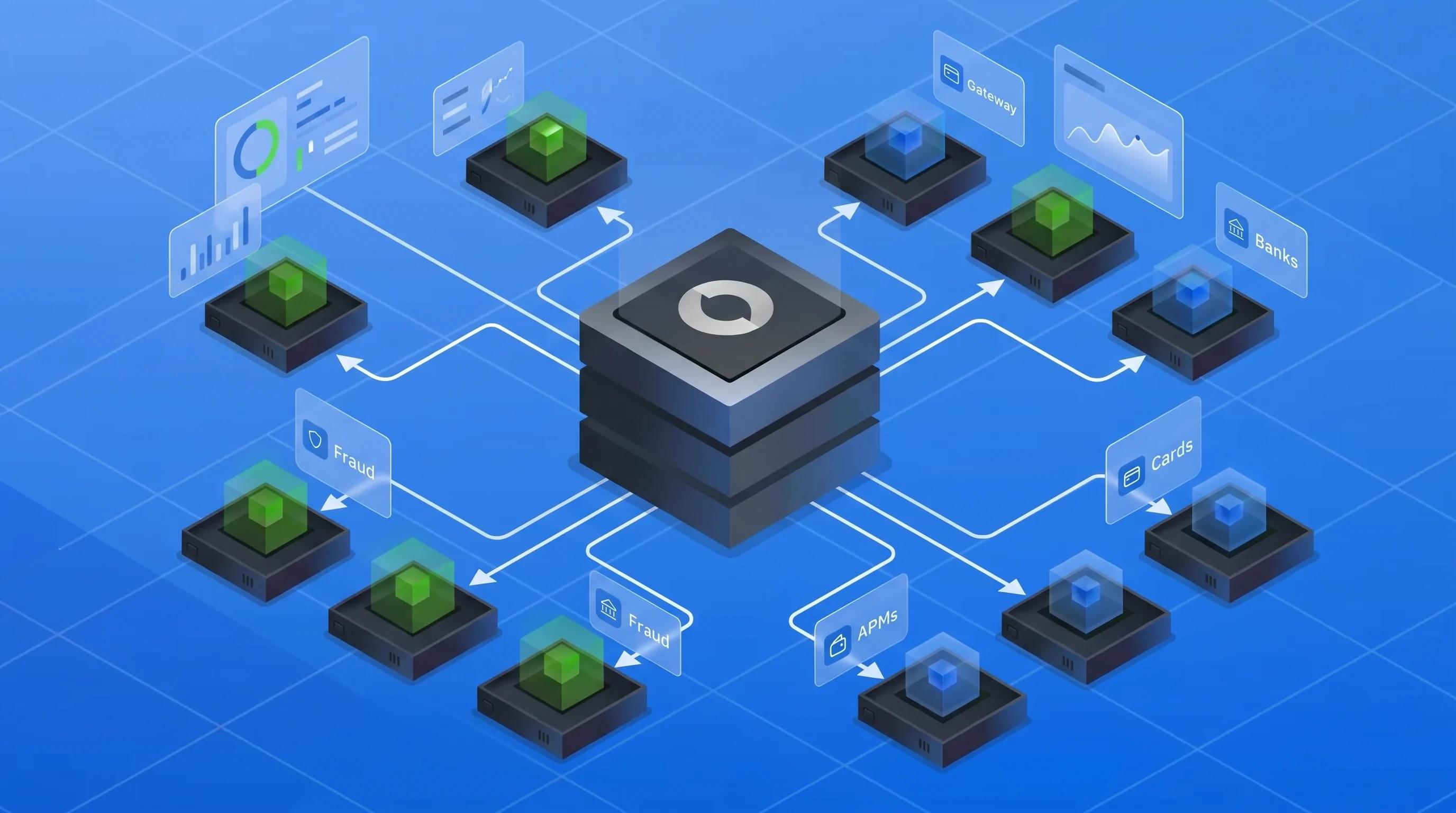
Payment orchestration is a unified technology layer that manages gateways, payment service providers, acquirers, fraud tools, token vaults, authentication flows, and reporting through one control plane. For global merchants, it turns fragmented payment infrastructure into a configurable system that can route transactions by cost, reliability, geography, payment method, and risk.
This matters because payment complexity is now a growth constraint. Worldpay’s 2025 Global Payments Report found that digital payments grew from 34% of global e-commerce value in 2014 to 66% in 2024. In-store digital payments grew from 3% to 38% over the same decade. Merchants are no longer optimizing one card gateway. They are managing wallets, cards, account-to-account rails, buy now pay later, local acquirers, fraud systems, and compliance requirements across markets.
Juspay sees this complexity from the operating vantage point of a global payments infrastructure company. Modern payment orchestration is not just multi-gateway integration. It is the payments operating layer for global commerce.
The lens: payment orchestration as the control plane for local rails
The best lens for understanding payment orchestration is not “more gateway integrations.” It is control-plane infrastructure for a world where payment choice is local, real-time, and increasingly shaped by public rails. Merchants need orchestration because customer preferences are fragmenting by market while payment operations need to become more centralized, observable, and programmable.
The source pattern is consistent across regions:
- Consumer payment choice has fragmented. Worldpay’s 2025 Global Payments Report shows digital wallets, account-to-account payments, BNPL, and other digital methods moving from alternative to mainstream. Cards remain important, but they increasingly sit inside wallets, installment flows, and one-click experiences.
- Fast payments are becoming public infrastructure. BIS research finds that fast payment adoption is higher when the public sector plays an active role, and when systems support non-bank participation, broader use cases, and cross-border connections.
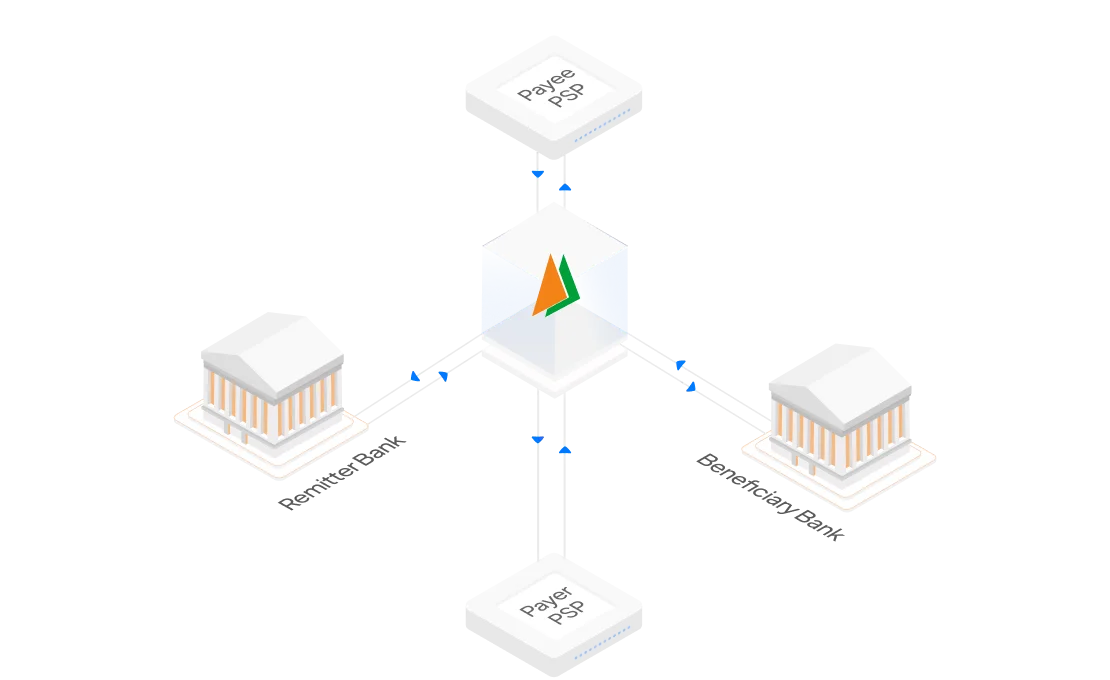
- Local rails are scaling faster than merchant infrastructure. Pix crossed 313.3 million transfers in one day in Brazil. UPI processed 21.63 billion transactions in India in December 2025. Aani in the UAE exceeded 12.5 million registered users, while Saudi Arabia reported electronic payments at 85% of retail payments in 2025.
- Global merchants need one operating model. Each market needs local checkout, local acquiring, local authentication, local compliance, and local reconciliation. But merchants cannot run each market as a separate payment stack forever.
The strategic role of payment orchestration is to turn local payment diversity into a globally manageable system. The merchant does not need one payment architecture for cards, another for wallets, another for Pix, another for UPI, and another for instant bank transfers. It needs a control plane that can coordinate them all.
What is payment orchestration?
Payment orchestration is a unified technology layer that manages gateways, payment service providers, acquirers, fraud tools, token vaults, authentication flows, and reporting through one control plane. For global merchants, it turns fragmented payment infrastructure into a configurable system that can route transactions by cost, reliability, geography, payment method, and risk.
Instead of integrating every provider separately, merchants use one orchestration layer to connect checkout and back-office systems to many downstream providers. That layer coordinates how each transaction is authenticated, routed, retried, tokenized, reconciled, and reported.
The global payment orchestration platform market was valued at USD 1.46 billion in 2023 and is forecast to reach USD 6.5 billion by 2032, according to Zion Market Research’s December 2024 market report. That growth reflects a structural shift: merchants are expanding across more countries, more payment methods, and more regulatory environments than a single gateway model can comfortably support.
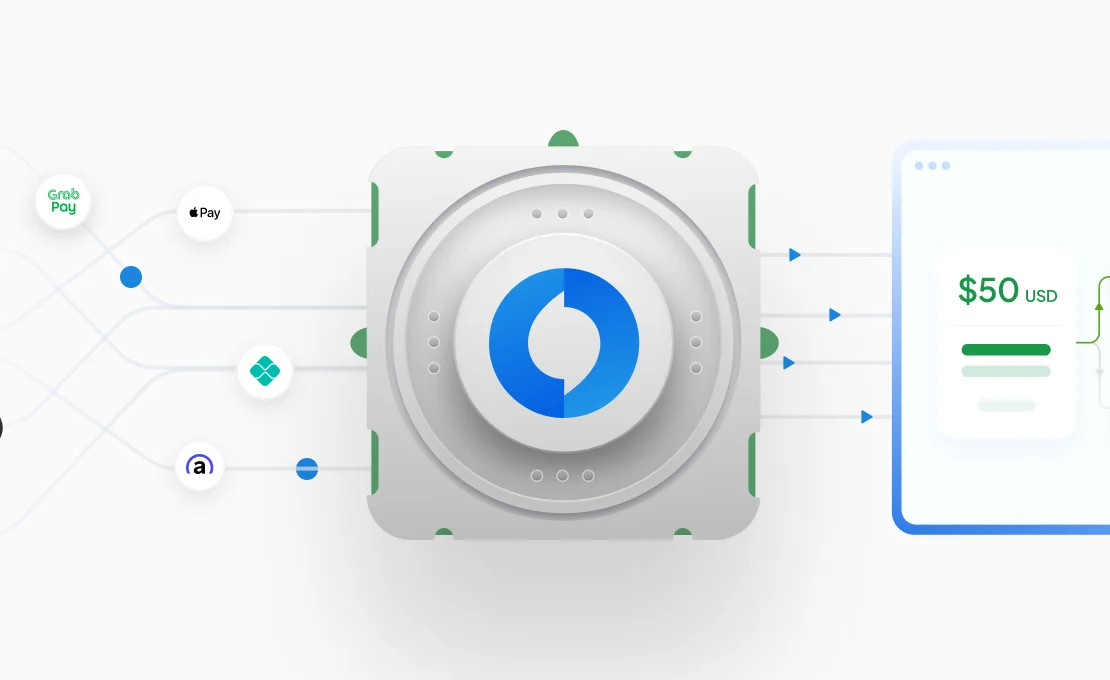
A useful way to think about orchestration is as an operating system for payments. It does not replace every payment provider. It coordinates them. The orchestrator decides which provider should handle a transaction, what to do if that path fails, which authentication flow should apply, where tokens should be stored, and how the payment should appear in finance and operations dashboards.
How does payment orchestration work?
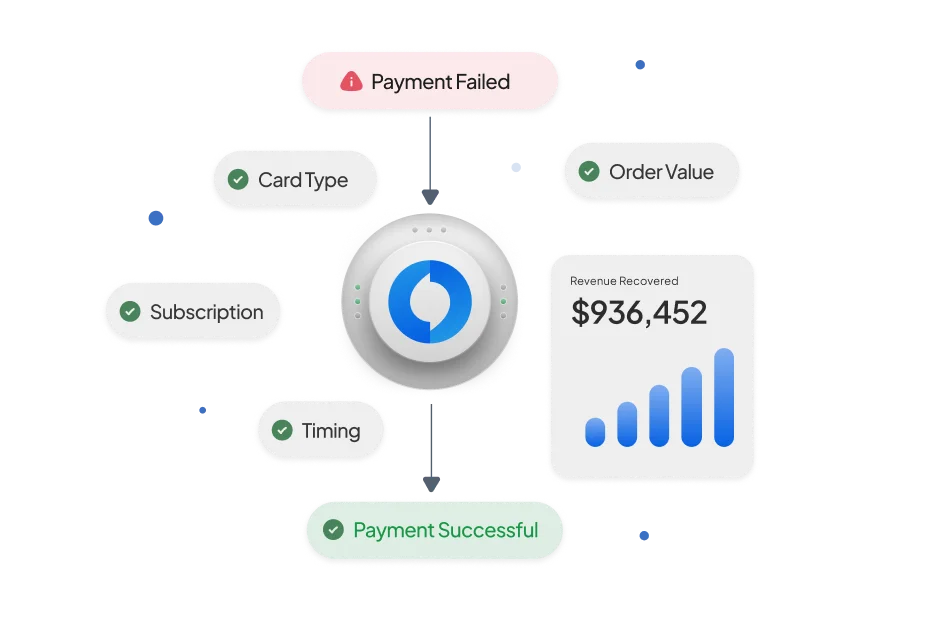
Payment orchestration works by receiving a payment request, evaluating the transaction context, applying merchant rules or performance logic, and sending the payment to the best available provider. If the first path fails, the orchestration layer can retry through another provider, update reporting, and reconcile the final outcome.
A typical payment orchestration flow has :
- Checkout initiation: The customer chooses a payment method, such as a card, wallet, bank transfer, or local real-time payment rail.
- Context evaluation: The orchestration layer reads signals such as country, currency, card BIN, payment method, transaction value, device, fraud risk, and provider availability.
- Authentication decision: The platform decides whether the transaction needs 3D Secure, step-up authentication, a low-friction exemption path, or another risk control.
- Routing decision: The orchestrator chooses a gateway, PSP, acquirer, or local payment rail based on configured rules and observed performance.
- Provider processing: The selected provider submits the transaction for authorization or payment confirmation.
- Failover or retry: If the transaction fails because of a timeout, soft decline, or provider issue, the orchestrator can attempt another route.
- Reporting and reconciliation: The platform normalizes payment status, fees, settlement data, refunds, chargebacks, and provider responses for finance and operations teams.
This architecture gives merchants a single place to control payment behavior. A travel platform can route European card transactions to a European acquirer, send Brazilian customers to Pix, apply a different fraud rule for high-value bookings, and reconcile all outcomes in one dashboard.
Why payment orchestration matters now
Payment orchestration matters now because three forces are converging at the same time: payment method diversity, local regulation, and merchant globalisation. Each force increases payment complexity on its own. Together, they make a single-provider or market-by-market payment architecture harder to scale.
Payment diversity is becoming the default
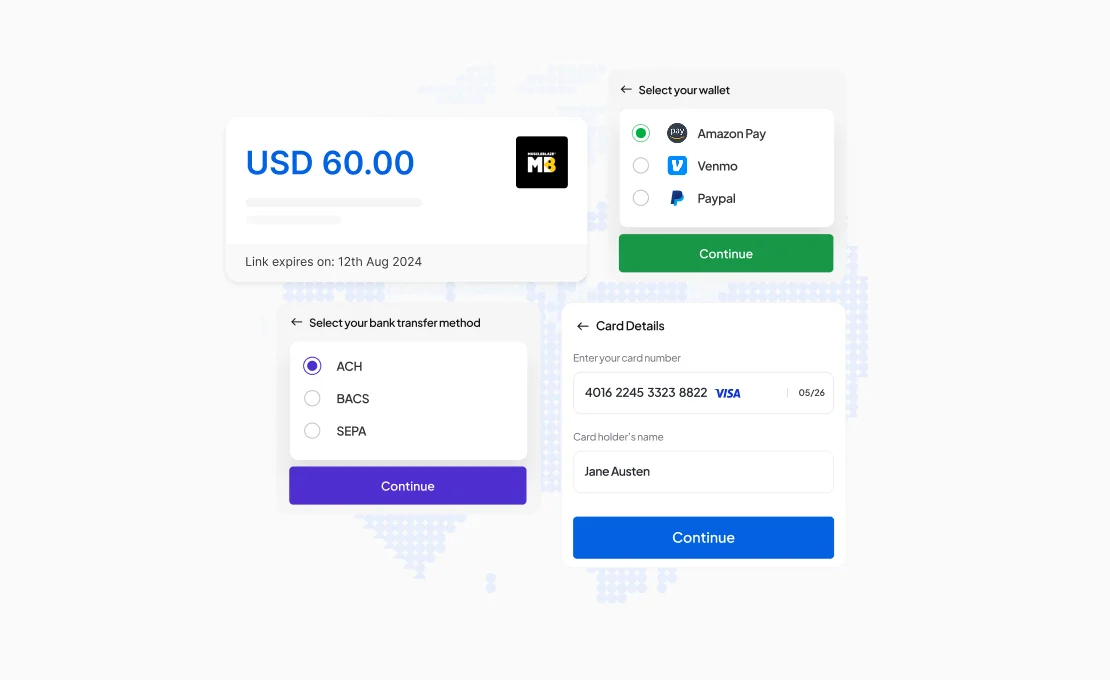
Payment diversity is no longer limited to “alternative” payment methods. Around the world, customers expect cards, wallets, account-to-account transfers, QR payments, buy now pay later, installments, and real-time local rails to coexist inside the same checkout experience.
Worldpay’s 2025 Global Payments Report shows this shift clearly. Digital payments grew from 34% of global e-commerce value in 2014 to 66% in 2024, while in-store digital payments grew from 3% to 38% over the same period. The regional pattern is not uniform. In North America, cards remain deeply embedded but are increasingly wrapped inside wallets and one-click checkout. In Europe, cards coexist with account-to-account payments, wallets, direct debits, and strong authentication requirements. In Latin America, Pix in Brazil and cash-linked or bank-transfer methods in other markets sit alongside cards and installments. In MENA, cards, wallets, instant payment platforms, and stored value facilities are developing under active central bank oversight. Across Africa, mobile money and wallet-led ecosystems shape how many consumers enter digital commerce. In APAC, wallets, QR payments, cards, bank transfers, and real-time rails vary sharply by country. In India, UPI has shown how real-time payments behave at population scale.
For merchants, this creates a practical architecture problem. Adding a payment method is not just adding a button. Each method can bring different authorization behavior, settlement timing, refund rules, chargeback or dispute logic, failure modes, reporting formats, and reconciliation needs. Orchestration gives merchants one layer to add and manage that diversity without creating a separate operating process for every rail.
Regulation is becoming more local and more specific
Payment regulation is becoming more local, more prescriptive, and more directly tied to fraud prevention. Countries and regions are defining their own rules for tokenization, two-factor authentication, Strong Customer Authentication, data localization, payment page security, recurring payments, and third-party provider controls.
Europe’s PSD2 regime made authentication strategy central to checkout conversion. India requires payment system data to be stored locally, restricts storage of actual card-on-file data outside permitted entities, and uses additional factor authentication rules for recurring payments. Brazil has strengthened Pix security through identity checks on Pix keys and fraud-focused mechanisms such as the Special Return Mechanism. The UAE regulates retail payment services, card schemes, stored value facilities, merchant acquiring, payment aggregation, and payment token services through Central Bank frameworks. PCI DSS v4.0.1 has also increased the governance burden around payment security and payment page controls.
This matters because global merchants cannot treat compliance as one universal checklist. A rule that reduces fraud in one market may add checkout friction in another. A data storage requirement in one country may affect vaulting and provider choice. A two-factor authentication rule may change routing, exemptions, and retry behavior. Orchestration helps merchants apply payment controls by market, method, and risk profile instead of hard-coding compliance logic into separate integrations.
Globalisation is making multi-provider payments unavoidable
More businesses are selling across borders earlier in their growth curve. Marketplaces, SaaS companies, travel platforms, retailers, financial services firms, digital services, and subscription companies increasingly serve customers in multiple countries before their payment infrastructure has fully matured.
Global expansion creates a need for multiple payment aggregators (PAs), acquirers, local payment providers, fraud tools, and settlement partners. A merchant may need one provider for strong card performance in the United States, another for local acquiring in Europe, another for wallets in Southeast Asia, another for Pix in Brazil, and another for UPI or local methods in India. No single provider is equally strong across every geography, payment method, currency, and risk profile.
Without orchestration, each expansion adds another operational layer: new APIs, new dashboards, new fee reports, new settlement files, new failure codes, new support processes, and new compliance reviews. With orchestration, the merchant can integrate once, add providers as needed, and manage routing, authentication, reconciliation, and reporting from a common payment operating layer.
What happens across the full payment orchestration lifecycle?
Payment orchestration covers the full payment lifecycle beyond the authorization request. A mature orchestration layer helps merchants control checkout presentation, authentication, authorization routing, decline recovery, token storage, refunds, chargebacks, settlement, reconciliation, and payment performance analytics.
That lifecycle matters because many payment failures happen outside the narrow “gateway sends transaction” moment. A customer may abandon because the right local method was missing. An issuer may decline because authentication data was incomplete. A subscription renewal may fail because card credentials expired. A finance team may lose visibility because settlement, refund, and fee data sit across five PSP dashboards.
The orchestration lifecycle usually spans eight operating layers:
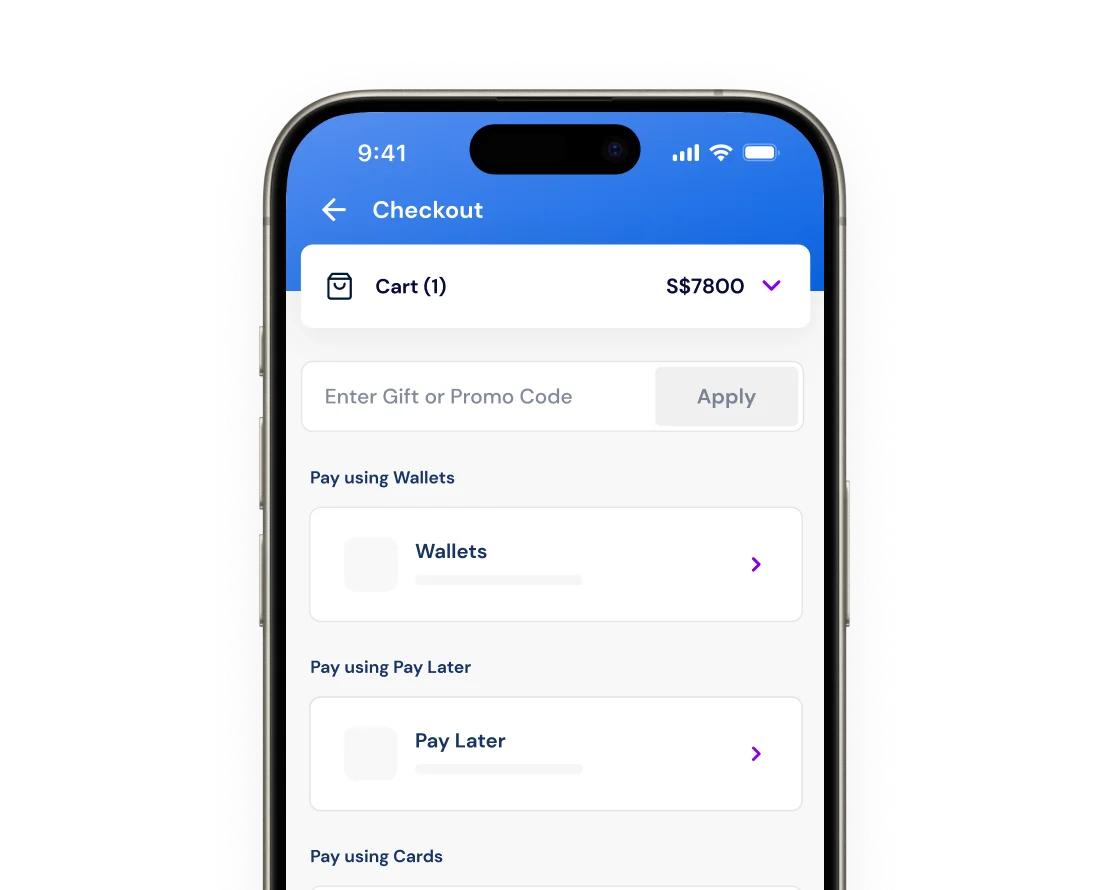
- Checkout localization: The merchant displays the right payment methods, currency, language, and authentication expectations for the customer’s market.
- Risk and authentication: The platform decides whether to trigger 3DS, request stronger customer authentication, apply fraud review, or keep the flow frictionless.
- Authorization routing: The orchestration layer chooses the PSP, acquirer, gateway, or local rail most likely to complete the payment at the right cost.
- Failover and retry: Soft declines, timeouts, and provider degradation are routed through alternative paths where retry rules allow it.
- Token lifecycle management: Stored credentials are tokenized, updated, reused, and routed across providers without forcing customers to re-enter card data.
- Post-payment operations: Refunds, voids, chargebacks, cancellations, and reversals are handled consistently across providers.
- Settlement and reconciliation: Gateway, acquirer, processor, bank, fee, refund, and dispute data are normalized into a shared financial view.
- Performance optimization: Payment teams monitor authorization rates, failure reasons, latency, cost, fraud, and provider health by market and method.
This is the difference between gateway aggregation and payment orchestration. Aggregation connects more providers. Orchestration gives merchants the operating logic to make those providers perform better together.
Payment orchestration vs payment gateway: what is the difference?
A payment gateway transmits payment data from checkout to a processor or acquirer. Payment orchestration is broader: it manages multiple gateways, providers, payment methods, routing rules, failover logic, tokenization, authentication, reporting, and reconciliation from a unified layer.
| Capability | Payment gateway | Payment orchestration |
| Primary role | Sends transaction data to a processor or acquirer | Coordinates payment flows across many providers and methods |
| Provider coverage | Usually one main provider or acquiring path | Multiple gateways, PSPs, acquirers, wallets, and local methods |
| Routing | Mostly fixed or manually configured | Dynamic routing by geography, cost, performance, risk, and method |
| Failover | Limited or manual, depending on provider | Automated retry and provider failover where supported |
| Tokenization | Often tied to one provider vault | Can support provider-agnostic vaulting and network token strategies |
| Authentication | Usually provider-specific | Can coordinate 3DS and authentication logic across providers |
| Reporting | Separate reports by provider | Unified transaction, fee, settlement, and exception visibility |
| Best fit | Simple, single-market payment setups | Multi-market, multi-provider, high-volume, or complex payment setups |
A gateway is enough when a merchant sells in one market, uses one acquirer, and has stable performance with a narrow payment method mix. Orchestration becomes valuable when the merchant needs redundancy, local payment methods, cost optimization, provider negotiation leverage, or unified visibility across a growing payment stack.
The distinction is especially important for global merchants. Worldpay’s 2025 report notes that digital wallets, account-to-account payments, and buy now pay later have moved from “alternative” to mainstream payment behavior. A gateway can connect to a payment path. An orchestrator helps decide which payment path should be used for each transaction.
Why do global merchants need payment orchestration?
Global merchants need payment orchestration because payment success depends on local context. The same checkout may need cards in one market, wallets in another, instant bank payments in a third, and stronger authentication in a fourth. Orchestration gives payment teams a single way to adapt routing, authentication, providers, and reporting by market without rebuilding every integration.
The operational burden compounds quickly. Every new PSP adds another dashboard, settlement file, error-code format, contract, compliance dependency, and reconciliation process. Orchestration reduces that sprawl by creating a shared payment operating layer for provider management, routing rules, payment recovery, and financial visibility.
What payment challenges differ across the United States, Europe, APAC, MENA, Brazil, and India?
Payment challenges differ sharply by region because each market has its own dominant rails, customer habits, fraud patterns, and regulatory expectations. A global merchant cannot optimize payments with one default route; it needs orchestration logic that adapts by geography, payment method, issuer behavior, and compliance requirement.
| Region | Dominant payment reality | Merchant challenge | How orchestration helps |
| United States | Cards remain central to consumer payments, with wallets and account-to-account options growing around them | Managing card costs, fraud exposure, legacy infrastructure, and provider outages | Routes by cost and performance, applies fraud controls selectively, and retries recoverable failures |
| Europe | Payment methods vary by country, strong customer authentication is mature, and account-to-account payments continue to expand | Balancing 3DS friction, cross-border acquiring, PSD2 obligations, and local preferences | Coordinates authentication, supports local acquiring, and gives merchants one layer for cards, wallets, and A2A |
| APAC | Payment behavior is highly fragmented across wallets, QR payments, real-time rails, cards, and local bank transfers | Covering local methods without multiplying integrations and operational workflows | Connects local PSPs and wallets through one control plane, then routes by country, method, and provider health |
| MENA | Digital payments are growing quickly, with government-backed rails, wallets, cards, and market-specific compliance requirements | Localizing fast while staying aligned with regulatory and authentication expectations | Lets merchants configure providers, authentication, and routing logic by market rather than rebuilding checkout |
| Brazil | Pix has made instant account-to-account payments a mainstream consumer expectation alongside cards | Supporting Pix, cards, installments, local acquiring, and settlement visibility in one payment flow | Routes Pix and card payments through appropriate local paths and normalizes reporting across methods |
| India | UPI has proven real-time payments at population scale, while card tokenization, recurring payments, and data rules add complexity | Handling very high transaction volumes, local payment preferences, and compliance-sensitive data flows | Supports local real-time payment orchestration, high-reliability routing, tokenization, and localized payment operations |
The pattern is consistent: payment localization is not just adding a logo at checkout. It requires local acquiring, local method coverage, issuer-aware routing, authentication tuning, settlement visibility, and compliance controls that work together. Regional nuance belongs inside the orchestration layer, not scattered across one-off provider integrations.
Why does the United States need cost-aware card orchestration?
The United States remains a card-led market, but card-led does not mean simple. Worldpay’s 2025 Global Payments Report notes that American consumers remain committed to credit, debit, and prepaid cards. The Federal Reserve Payments Study also treats cards, ACH, wires, checks, and alternative payments as distinct noncash rails that continue to evolve in parallel.
For merchants, the U.S. orchestration problem is a mix of cost, risk, and resilience. Card authorization is mature, but interchange, fraud screening, chargebacks, routing preferences, and processor outages can still erode margin. Orchestration helps by routing transactions based on provider performance, applying fraud controls selectively, retrying recoverable failures, and giving payment teams visibility into approval rates by BIN, card type, issuer, processor, and payment method.
The U.S. is also a useful reminder that orchestration is not limited to “emerging” payment methods. Even in card-heavy markets, a single static gateway route leaves money on the table when merchants operate at high volume.
Why does Europe need authentication-aware orchestration?
Europe’s payment challenge is not the absence of modern rails; it is the density of payment rules, methods, and customer expectations. The European Central Bank reported that euro-area non-cash payments reached 77.6 billion transactions in the second half of 2024, with cards accounting for 57% of transaction count, credit transfers for 21%, direct debits for 15%, and e-money payments for 6%.
For merchants, that mix creates a dual requirement: support cards and non-card methods while keeping authentication friction under control. Strong Customer Authentication under PSD2 made 3DS strategy a conversion issue, not just a compliance requirement. A European payment flow may need local acquiring, issuer-aware 3DS routing, exemptions where available, wallet support, bank-transfer acceptance, and reconciliation across countries.
Payment orchestration is valuable because it lets merchants tune authentication and routing separately. A low-risk domestic transaction can follow a low-friction path, while a higher-risk cross-border order can trigger stronger authentication and route through a provider with better issuer connectivity.
Why does APAC require payment-method breadth?
APAC is not one payment market. Worldpay’s 2025 Global Payments Report says APAC consumers have long led digital payment adoption and that digital wallets are the leading online payment method in eight of the 14 APAC markets covered in the report. But the region also includes card-led markets, QR-first ecosystems, bank-transfer flows, super-app wallets, and domestic real-time rails.
That diversity creates an integration problem. A merchant expanding across Southeast Asia, Japan, Australia, and India may need cards, wallets, bank transfers, QR payments, real-time rails, BNPL, and local acquirers. Without orchestration, each new market becomes a separate integration and operations project.
Orchestration turns APAC expansion into a configuration problem. The merchant can add local methods, set market-specific routing rules, compare provider performance, and localize checkout without creating a new payment stack for every country.
Why does MENA need fast localization and regulatory flexibility?
MENA payment infrastructure is moving quickly, and government-backed digital payment initiatives are shaping customer expectations. In Saudi Arabia, SAMA announced that electronic payments accounted for 85% of total retail payments in 2025, up from 79% in 2024, with electronic transactions reaching 14.6 billion. In the UAE, Al Etihad Payments’ Aani instant payments platform reported more than 12.5 million registered users in April 2026.
For global merchants, MENA is not simply a card acceptance problem. It requires support for local acquiring, domestic payment schemes, instant payment initiatives, wallets, installment behavior, Arabic-language experiences, authentication rules, and market-specific compliance requirements.
Orchestration helps merchants adapt as local rails mature. A merchant can support cards today, add local instant payment options as they become commercially relevant, and configure authentication or routing rules by market without replacing the core payment architecture.
Why does Brazil require Pix-native orchestration?
Brazil’s payment reality changed when Pix became a mainstream retail rail. Agencia Brasil reported that Pix crossed 313.3 million transfers in a single day on December 5, 2025, moving BRL 179.9 billion. The same report said Pix had 178.9 million users at the end of November 2025, including 162.3 million individuals and 16.6 million businesses.
For merchants, Pix changes checkout expectations. Customers may expect instant confirmation, QR flows, lower-friction bank payments, and settlement behavior that differs from cards. At the same time, merchants still need cards, installments, refunds, reconciliation, and fraud controls.
Pix-native orchestration means treating Pix as a first-class payment route, not a side integration. The merchant should be able to present Pix contextually, reconcile Pix and card transactions together, route card payments through local acquirers where appropriate, and understand settlement and refund operations from one payment view.
Why does India require high-scale real-time payment orchestration?
India shows what happens when real-time payments become everyday infrastructure. Business Standard reported, citing NPCI data, that UPI processed 21.63 billion transactions worth INR 27.97 trillion in December 2025. That level of monthly activity makes reliability, latency, observability, and retry logic central to merchant payment performance.
India also combines UPI with cards, wallets, net banking, EMI, recurring mandates, tokenization rules, and data-localization expectations. A high-volume merchant cannot treat these as separate islands. It needs orchestration that understands method-level reliability, bank-level performance, mandate behavior, token lifecycle, and localized compliance.
Juspay’s roots in one of the world’s highest-volume real-time payment markets are relevant here, but the point is global: markets that adopt real-time payments early teach the rest of the world how payment infrastructure must behave when volume, speed, and customer expectations all rise together.
How does payment orchestration improve authorization rates?
Payment orchestration can improve authorization outcomes by routing each transaction to the provider most likely to approve it, applying the right authentication flow, and retrying recoverable failures through another path. The strongest gains usually come from local acquiring, better tokenization, intelligent retries, and cleaner issuer data.
Authorization involves more than whether a customer has funds. Issuers evaluate signals such as merchant category, geography, acquirer location, card type, authentication result, fraud score, and historical behavior. A transaction that fails through one path may succeed through another if the second path gives the issuer a more trusted or locally relevant signal.
For example, a European cardholder buying from a global travel merchant may see better issuer trust when the transaction is routed through a European acquiring path. A returning customer using a stored card may see better continuity when network tokenization keeps credentials updated after card replacement. A soft decline caused by a provider timeout may be recoverable through immediate failover.
Modern orchestration layers are built around this transaction-level decisioning. They can combine network tokenization, token vaulting, routing, and authentication controls across markets. At enterprise scale, even small authorization improvements matter because every percentage point affects real revenue.
What do real orchestration decisions look like in practice?
Real payment orchestration decisions happen in milliseconds, but the business logic behind them is strategic. The orchestrator is not asking only “which provider is connected?” It is asking which route gives this transaction the best chance of success with the right cost, risk, customer experience, and compliance outcome.
A travel merchant receives a European card booking. A German customer books a hotel on a global travel platform. The orchestrator identifies the card issuer geography, transaction currency, merchant entity, risk score, and available acquirers. If local acquiring is available, the payment can route through a European acquirer, with 3DS logic tuned to issuer and regulatory expectations.
A subscription renewal uses an expired stored card. A customer saved a card months ago, but the card was reissued. A provider-bound token may fail if the vault is stale. A network token or provider-agnostic token strategy can keep credentials current and route the renewal through the best available provider without asking the customer to re-enter details.
A Brazilian customer chooses Pix at checkout. The customer expects an instant account-to-account flow, not a card form. The orchestration layer presents Pix, confirms payment status, reconciles the transaction with card and wallet payments in the same reporting environment, and gives finance teams one view of settlement.
A PSP degrades during a peak sale. A merchant sees timeouts rising for one provider. The orchestration layer detects degraded performance and shifts eligible traffic to another route. Customers continue checking out while the payment team investigates provider health from a single dashboard.
A marketplace needs split settlement across sellers. A marketplace accepts one customer payment but must settle funds to multiple sellers, deduct platform fees, manage refunds, and keep audit trails clean. The orchestration layer coordinates the incoming payment, seller-level settlement logic, refund allocation, and reconciliation across PSP and bank data.
An airline customer pays in a different currency from the airline’s settlement currency. The orchestrator evaluates customer location, card issuer, transaction currency, available acquirers, and FX exposure. It can route locally where possible, present the right currency experience, and keep settlement and fee data visible for finance teams.
A merchant launches in a new MENA market. The merchant starts with cards, then adds a local wallet or instant payment rail as adoption grows. The orchestration layer lets the team activate local providers, tune authentication, and monitor approval rates without rebuilding checkout or reconciliation workflows.
These examples show why orchestration is more than provider connectivity. It is a decisioning layer that converts payment context into better payment outcomes.
How does payment orchestration reduce payment costs?
Payment orchestration can reduce payment costs by routing transactions through lower-cost providers, using local acquiring where appropriate, avoiding unnecessary cross-border processing, and giving merchants performance data to negotiate better provider terms. The cost benefit is strongest for high-volume merchants operating across multiple countries and payment methods.
Payment cost is not one fee. It includes interchange, scheme fees, PSP markups, FX spread, fraud losses, chargeback operations, failed-payment recovery, engineering maintenance, reconciliation effort, and compliance overhead. A single-gateway setup often hides these cost drivers inside provider reports. Orchestration makes them visible and configurable.
For cards, routing decisions can reduce avoidable cross-border and currency costs. For local payment methods, orchestration can surface lower-cost rails where customer adoption supports them. For finance teams, unified reporting can expose settlement delays, fee mismatches, and refund exceptions that would otherwise sit across many portals.
Fraud cost is another reason orchestration matters. Juniper Research forecast in June 2023 that merchant losses from online payment fraud would exceed USD 362 billion globally between 2023 and 2028, with USD 91 billion in losses in 2028 alone. A modern orchestration layer helps merchants apply fraud checks more intelligently, rather than forcing every transaction through the same blunt rule set.
How does orchestration support local payment methods?
Payment orchestration supports local payment methods by letting merchants add, test, route, and monitor market-specific options through one integration layer. This helps merchants offer the payment methods customers already trust, while keeping authorization, settlement, refunds, and reporting connected to the broader payment stack.
The practical lesson is simple: localization has to extend beyond checkout display. A local method can carry different confirmation flows, timeout behavior, refund processes, settlement timing, and reconciliation data. Orchestration lets merchants manage those differences without turning every local method launch into a standalone engineering and finance project.
How does payment orchestration simplify compliance and security?
Payment orchestration simplifies compliance by centralizing sensitive payment functions such as tokenization, authentication, provider controls, and audit visibility. It does not remove a merchant’s compliance responsibilities, but it can reduce fragmentation and help teams apply security controls consistently across providers and regions.
PCI DSS is a useful example. The PCI Security Standards Council released the latest version of its payment security standard, PCI DSS v4.0.1, in June 2024 — and the new requirements it introduced became mandatory for all merchants from March 31, 2025. These rules cover everything merchants touch when handling payments: card data, checkout pages, scripts, payment providers, and third-party vendors. That's a lot of ground to cover, and the compliance work is real.
An orchestration layer can help by supporting tokenization, reducing raw card data exposure, standardizing provider integrations, and giving security teams better visibility into the payment environment. It can also coordinate 3DS authentication decisions, network token usage, vault strategy, and fraud routing from one control plane.
Security is also an availability issue. A provider outage, timeout spike, or regional degradation can become a revenue and customer experience problem. Payment reliability is part of enterprise-grade payment security, not a separate operational concern.
Compliance also affects product velocity. When each market has a separate payment implementation, every regulatory change becomes a local engineering project. When payment controls sit inside an orchestration layer, payment teams can update authentication rules, token strategy, provider routing, or data handling patterns centrally and apply those changes market by market.
Should merchants build or buy payment orchestration?
Merchants should build payment orchestration only when payments are a core engineering competency, the required provider set is narrow enough to maintain, and the business can fund years of ongoing compliance, connector, routing, reporting, and reliability work. Most global merchants benefit from buying orchestration and focusing internal teams on customer experience and growth.
| Decision factor | Build in-house | Buy from an orchestration provider |
| Control | Highest architectural control | Configurable control within a managed platform |
| Time to market | Slower because connectors, vaulting, routing, and reporting must be built | Faster because provider integrations and core capabilities already exist |
| Maintenance | Merchant owns every provider change, API update, compliance shift, and outage response | Provider absorbs much of the integration and platform maintenance |
| Provider coverage | Limited by internal engineering capacity | Broader provider and payment-method coverage from day one |
| Compliance | Merchant owns full design and evidence burden | Merchant still owns compliance, but platform capabilities can reduce fragmentation |
| Best fit | Payment-native companies with deep infrastructure teams | Enterprises expanding across markets, providers, and payment methods |
The build option can be attractive for companies that want full infrastructure ownership. But payment orchestration is never finished. Providers change APIs, networks update rules, regulations evolve, and new payment methods gain adoption. The hidden cost is not the first version. It is the operating model required to keep orchestration current.
Buying orchestration gives merchants a faster path to global payment maturity. With Juspay, merchants get a single operating layer for provider connectivity, native checkout, tokenization, authentication, routing, analytics, and reliability patterns built for high-volume global payment operations.
How does Juspay approach global payment orchestration?
Juspay approaches payment orchestration as a global payments operating system. The platform coordinates checkout, routing, tokenization, authentication, provider connectivity, reconciliation, and payment analytics across countries and payment methods, while giving merchants configurable control over how payments behave.
Juspay’s differentiators are strongest in five areas:
- Global scale: Juspay processes 300 million transactions per day across 150+ countries, representing USD 1 trillion in annualized payment volume.
- Provider breadth: Juspay supports 300+ payment providers and payment methods, helping merchants expand without rebuilding every connection.
- Reliability: Juspay operates with 99.999% uptime, supported by engineering patterns designed for high-volume payment infrastructure.
- Checkout depth: Juspay delivers native, branded checkout experiences with market-specific payment methods, language, local currency display, and merchant-controlled layouts.
- Payment intelligence: Juspay’s orchestration layer supports smart routing, token vaulting, network tokenization, 3DS authentication, reconciliation, and performance analytics from one platform.
Payment orchestration should be understood as infrastructure. A gateway helps a merchant accept payments. A global orchestrator helps the merchant continuously improve the way payments are accepted, secured, routed, recovered, reported, and scaled.
Key Takeaways
- Payment orchestration is a unified infrastructure layer that coordinates gateways, PSPs, acquirers, authentication, tokenization, fraud, routing, reconciliation, and reporting.
- A payment gateway transmits transactions through a payment path; payment orchestration manages many payment paths and decides which one should be used.
- Payment orchestration matters now because payment diversity, local regulation, and globalisation are converging at the same time.
- Worldpay’s 2025 Global Payments Report shows digital payments grew from 34% of e-commerce value in 2014 to 66% in 2024, making payment-method diversity a mainstream merchant problem.
- Zion Market Research valued the payment orchestration platform market at USD 1.46 billion in 2023 and forecast USD 6.5 billion by 2032.
- Regulation is making payment architecture more local: tokenization, two-factor authentication, Strong Customer Authentication, data localization, payment page security, and fraud controls differ by market.
- Global expansion makes multiple payment aggregators, acquirers, local providers, fraud tools, and settlement partners unavoidable for many merchants.
- Regional nuance matters: the United States, Europe, APAC, MENA, Brazil, and India each require different routing, authentication, local-method, fraud, and compliance strategies.
- Europe shows why authentication-aware orchestration matters: the ECB reported 77.6 billion euro-area non-cash payments in the second half of 2024, split across cards, credit transfers, direct debits, and e-money.
- Brazil and India show why real-time payments change merchant architecture: Pix crossed 313.3 million transfers in one day in December 2025, while UPI processed 21.63 billion transactions in December 2025.
- Orchestration can improve authorization outcomes through local acquiring, better tokenization, intelligent authentication, provider failover, and retry logic.
- Orchestration can reduce costs by improving provider routing, exposing fee leakage, supporting local payment methods, and simplifying operations.
- Juspay brings a global payments operating perspective to orchestration, with infrastructure designed for large-scale, multi-market payment complexity.
Frequently Asked Questions
What is payment orchestration in simple terms?
Payment orchestration is a control layer that helps a business manage many payment providers through one system. It decides where each payment should go, what happens if it fails, how it should be authenticated, and how the result should appear in reporting and reconciliation.
How is payment orchestration different from a payment gateway?
A payment gateway sends transaction data from checkout to a processor or acquirer. Payment orchestration manages multiple gateways, acquirers, fraud tools, token vaults, authentication flows, and local payment methods through one layer, then routes each transaction based on performance, cost, geography, and risk.
Why do global merchants use payment orchestration?
Global merchants use payment orchestration because payment behavior differs by country, provider, customer segment, and payment method. Orchestration lets merchants support local methods, route transactions intelligently, recover soft failures, manage providers centrally, and get unified payment visibility across markets.
Does payment orchestration replace payment gateways?
Payment orchestration usually does not replace payment gateways. It sits above gateways and coordinates them. The gateway or acquirer still processes the transaction, while the orchestration layer decides which provider should be used and how the broader payment flow should be managed.
How does Juspay’s payment orchestration differ from a traditional gateway setup?
Juspay’s payment orchestration gives merchants one global operating layer across checkout, routing, tokenization, authentication, provider connectivity, analytics, and reconciliation. It is designed for enterprises that need local payment flexibility without losing central visibility and control.
Can payment orchestration improve payment authorization rates?
Payment orchestration can improve authorization outcomes when it routes transactions through better-performing providers, uses local acquiring, applies the right authentication flow, and retries recoverable failures. Results depend on market mix, payment methods, issuer behavior, provider quality, and the merchant’s existing payment setup.
Is payment orchestration useful for single-market merchants?
Payment orchestration is less urgent for single-market merchants with one stable provider and a simple payment mix. It becomes more useful when a merchant adds markets, providers, local payment methods, subscriptions, fraud tools, complex reconciliation, or reliability requirements that exceed a single-gateway model.
What should merchants evaluate in a payment orchestration provider?
Merchants should evaluate provider coverage, uptime, routing flexibility, tokenization strategy, authentication capabilities, local payment method depth, reporting quality, reconciliation support, compliance posture, and commercial transparency. For global merchants, local market expertise and operational reliability are as important as the API.