















Airline retailing is being rebuilt from the ground up. The way airlines package, sell, and fulfill travel is changing in ways the industry hasn't seen in decades. The clearest proof is already live.
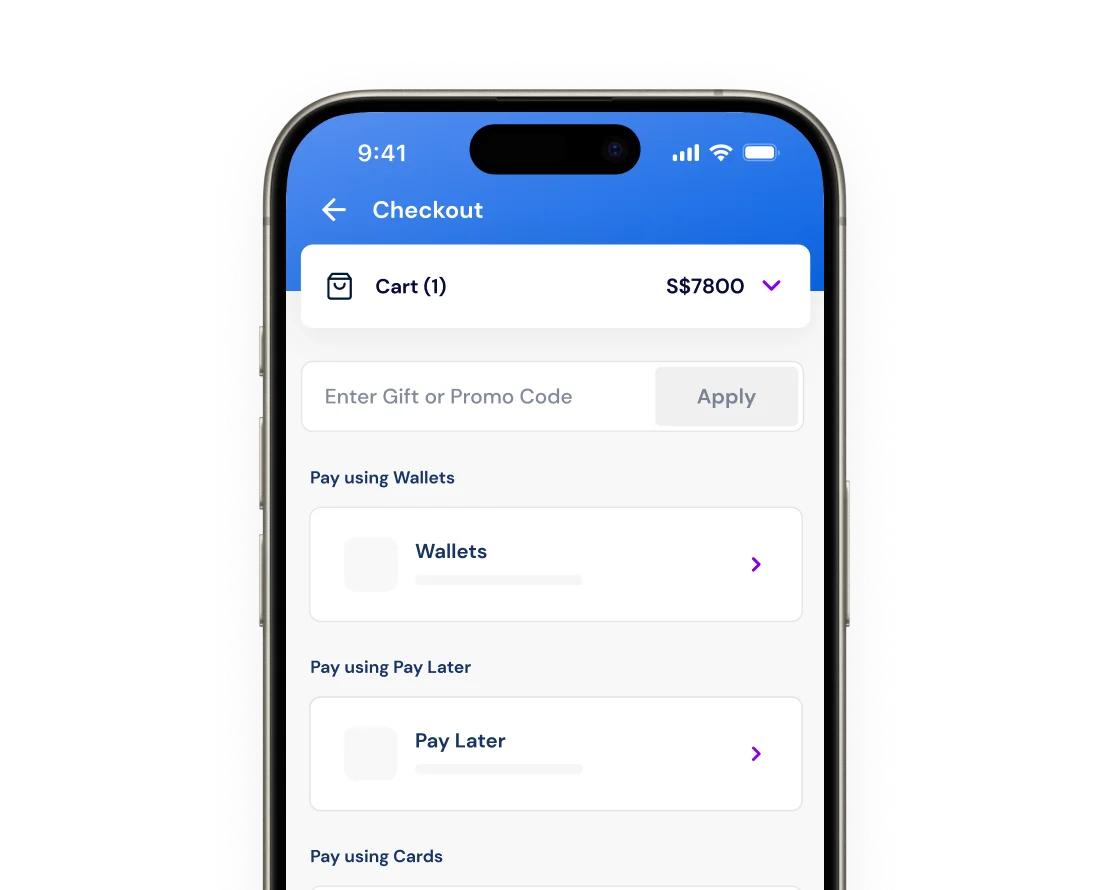
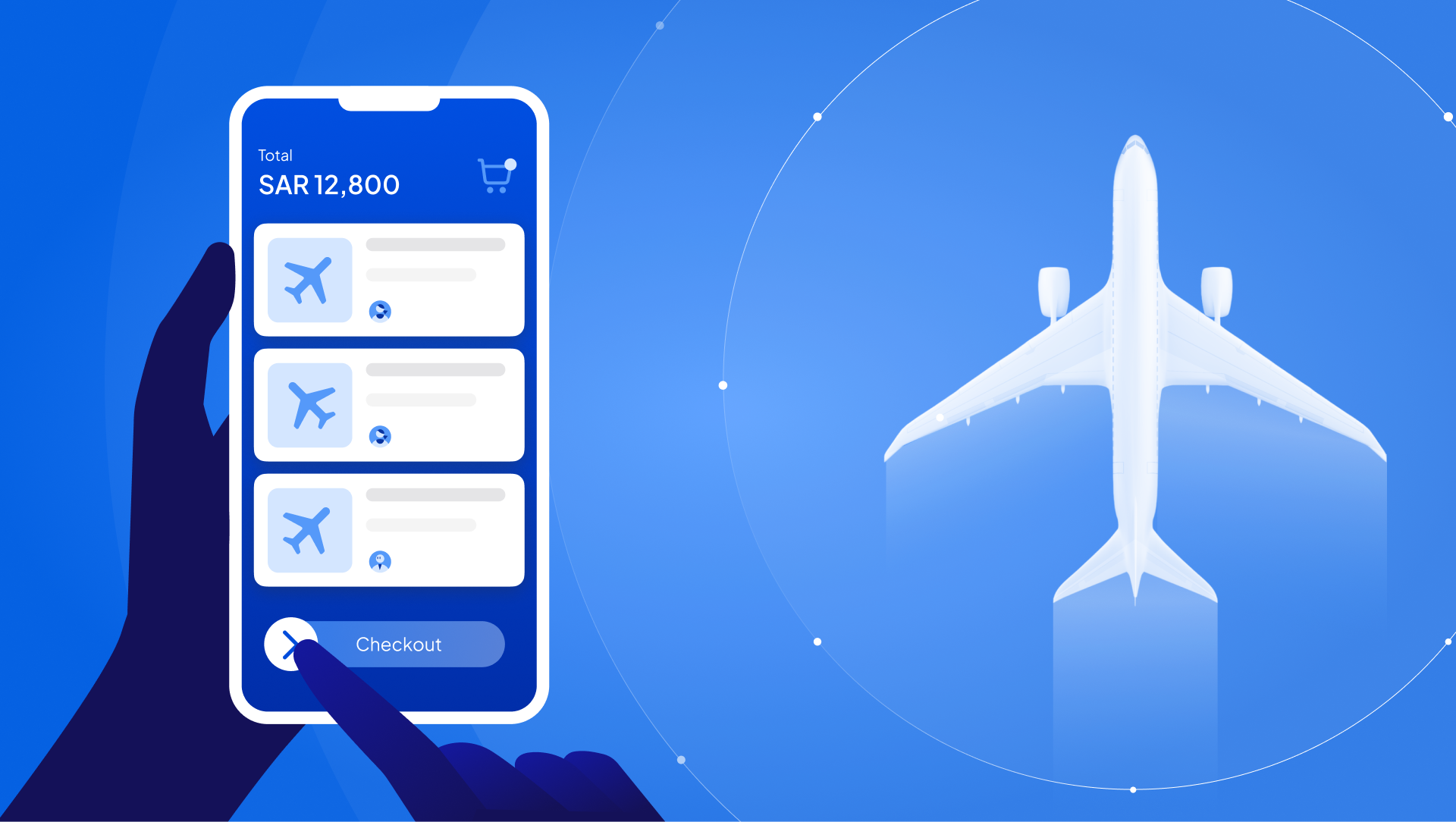
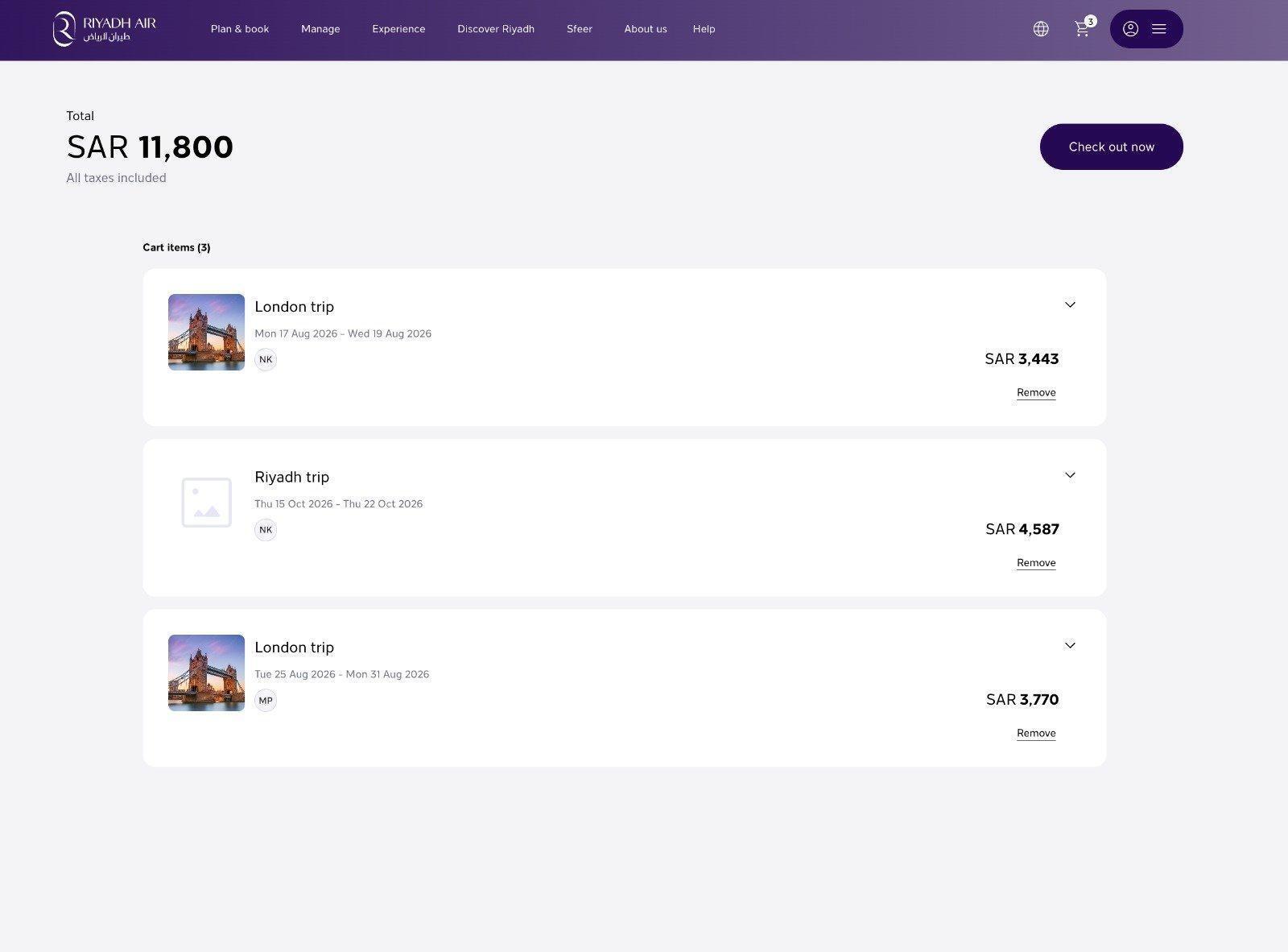
The Riyadh Air checkout screen below is not a typical airline booking flow. One cart holds three trips, two travelers, two destinations, a Riyadh stopover and a pair of London flights, all at once. Total: SAR 11,800. One checkout.
That cart is the consumer-facing expression of the most significant structural transformation in airline commerce in 50 years: the shift to IATA’s Offers and Orders framework - commonly known as ONE Order.
What is happening under the hood of that Riyadh Air cart is the industry finally shedding its paper-era systems. It is also exposing a payment infrastructure gap that makes or breaks this transformation.
Why the Airline Industry Has Been Living in 1970s
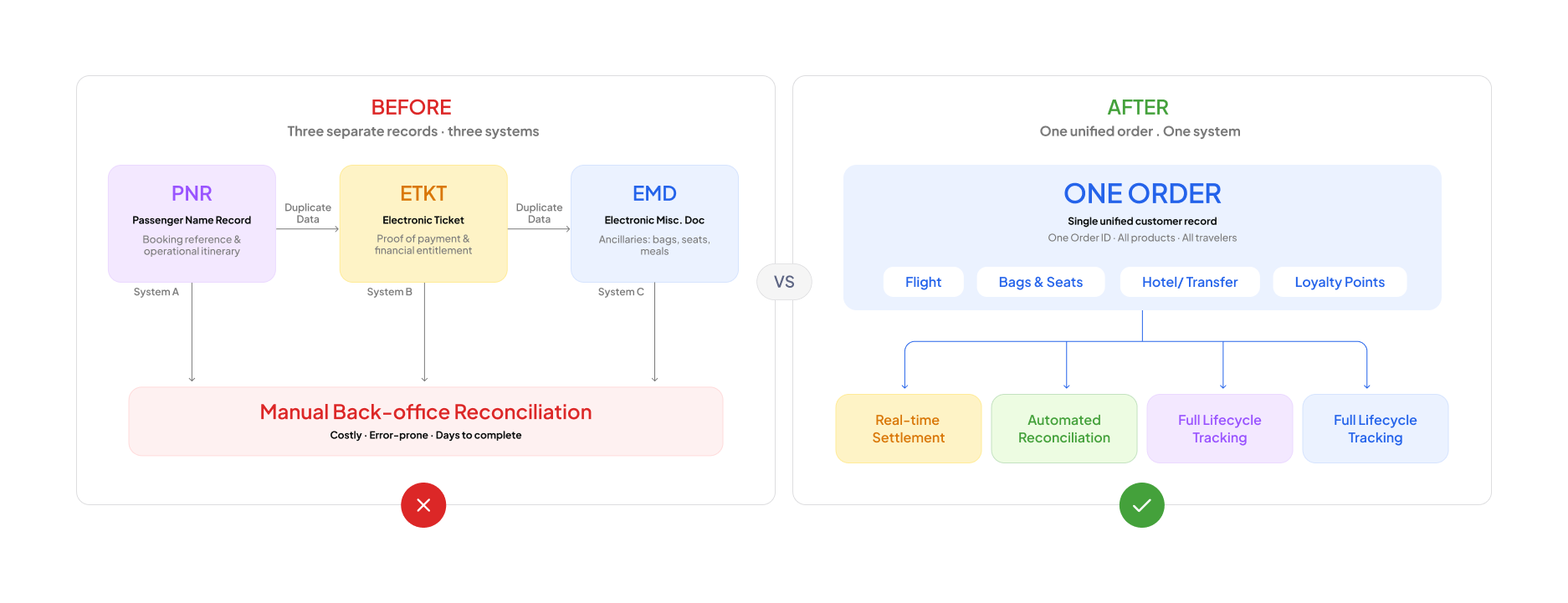
Understanding why Offers and Orders matter starts with what came before. For decades, airline commerce has run on three legacy artifacts: the Passenger Name Record (PNR), the Electronic Ticket (ETKT), and the Electronic Miscellaneous Document (EMD). Each is a separate record. Each lives in a different system. Each carries its own reconciliation process. A single booking that combines a flight, a checked bag, and a seat upgrade creates three separate financial records that must be matched, settled, and accounted for across multiple systems.
This architecture made sense in the 1970s, when it was built for paper. It is not ideal in 2026, when customers expect the same fluidity they get from Shopify or Amazon.

The New Distribution Capability (NDC), launched by IATA in 2012, marked the first structural shift away from legacy distribution. It gave airlines a direct XML-based channel to communicate rich, personalized offers to agents and booking platforms, bypassing the GDS intermediaries that had commoditized airline products for decades. NDC mattered, but it was only half the story.
ONE Order completes it. Where NDC modernized how airlines distribute offers, ONE Order modernizes how they manage fulfillment. It replaces PNRs, ETKTs, and EMDs with a single, unified digital record, an Order, that follows the traveler through the entire journey from booking to delivery.
ONE Order: What It Actually Is
In IATA’s own framing, ONE Order creates a single integrated customer record that streamlines fulfillment, delivery, and accounting processes across the entire lifecycle of a booking. It is the airline equivalent of an Amazon order: one identifier, one record, every product and service attached to it, trackable end-to-end.
In May 2025, Finnair’s CEO personally booked what IATA described as the world’s first “Native Order,” a flight from Helsinki to London Heathrow processed end-to-end on ONE Order standards, with no underlying ticket artifacts. One small click, as the coverage put it, one giant leap for the industry.
Riyadh Air then went further. Powered by FLYR, the Saudi carrier became the world’s first full-service airline to launch entirely on an Offer and Order retailing system: no legacy PSS, no tickets, no PNRs. This Riyadh Air checkout is a live production system, handling mixed itineraries and multiple travelers on different routes and cabins inside a single order.
Three Behaviors That Define the New Traveler Experience
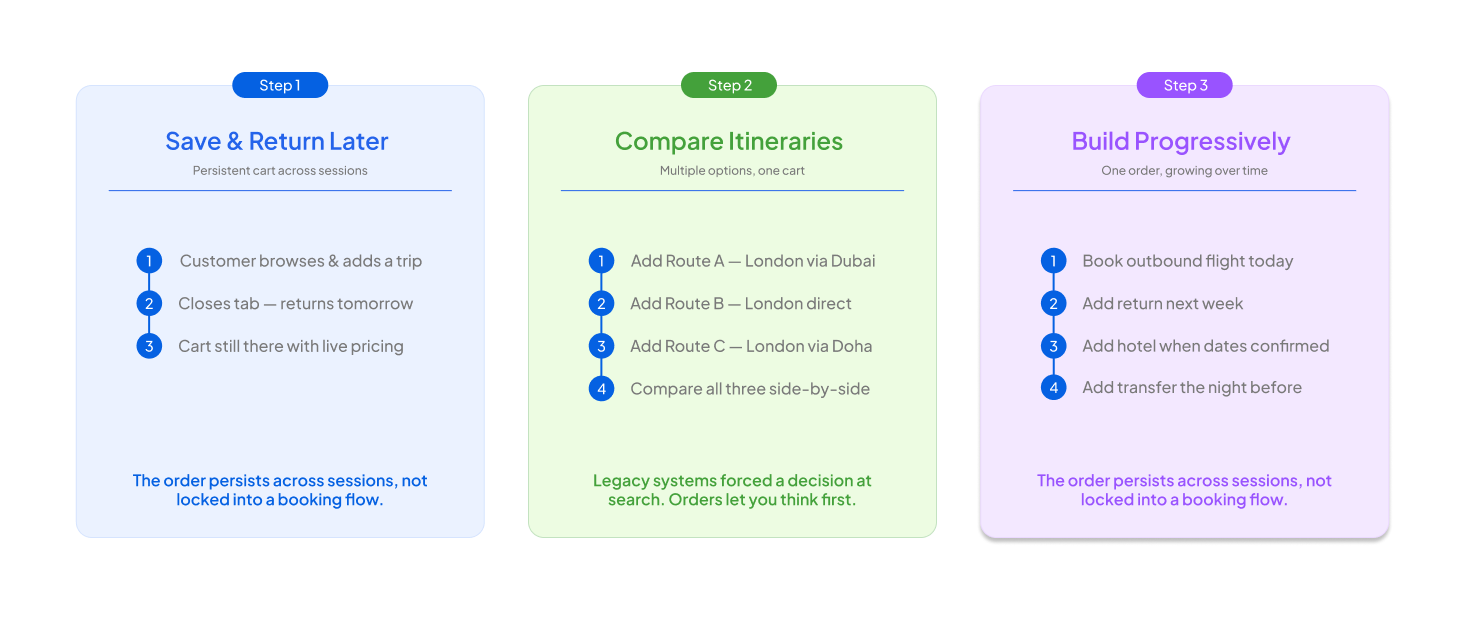
Beyond the architecture, this is how the shift shows up for the traveler at booking. On Riyadh Air today, the booking experience is a shopping cart that works like any modern e-commerce platform:
01. Save & Return Later
Browse a flight, add it to the cart, close the tab, and return tomorrow to find it still there with updated pricing. Airlines have never offered this. It sounds trivial, but it requires the order to persist across sessions rather than stay locked inside a single booking flow.
02. Compare Multiple Itineraries
Add three different routing options to the same cart, compare them side by side, and decide. Legacy systems forced a decision at search, because the moment the page closed, the session was gone. Orders change that.
03. Build Journeys Progressively
Book the outbound leg today. Add the return next week when prices drop. Layer in a hotel once the dates are confirmed. Add the airport transfer the night before. ONE order, growing over time, instead of a new booking every time something is added.

"No more thinking in tickets. No more fragmented booking records. No more legacy limitations. This is airline retailing reimagined from the ground up."
The Ecosystem: Who's Building the New Airline Commerce Stack
A new architecture requires new players, and old ones reimagining their role. The ecosystem around Offers and Orders is forming fast.
OFFER MANAGEMENT SYSTEMS (OMS)
Companies like FLYR are building native Offer and Order Management Systems that replace traditional PSS cores. FLYR’s system, now live at Riyadh Air, dynamically generates personalized offers in real time using traveler data, trip intent, and contextual signals, bundling flights, ancillaries, and third-party products into a single intelligent offer. Critically, it is built from the ground up on IATA’s ONE Order standard, not retrofitted on top of a legacy PSS.
DISTRIBUTION & GDS PARTNERS
If FLYR represents the greenfield native-order approach, Amadeus represents the scale play. Amadeus Nevio, its cloud-native, next-generation PSS, is rapidly becoming the dominant ONE Order platform for full-service carriers. Finnair went live on Nevio as the world’s first Native Order airline in May 2025. Saudia followed in July 2025. Then in January 2026, the Lufthansa Group, nine airlines including Lufthansa, Swiss, Austrian, and Brussels, signed on to transition to Nevio’s Order ID at their own pace. Air France-KLM is in the pipeline too. Nevio’s key differentiator is gradual migration: airlines can move without disrupting current operations, a critical feature for legacy carriers that cannot afford a big-bang PSS replacement.
Sabre was Riyadh Air's first global distribution partner, specifically because of its multi-source content approach that integrates NDC alongside traditional content. Travelport followed with a multi-year NDC distribution agreement in November 2025.
SETTLEMENT WITH ORDERS (SWO)
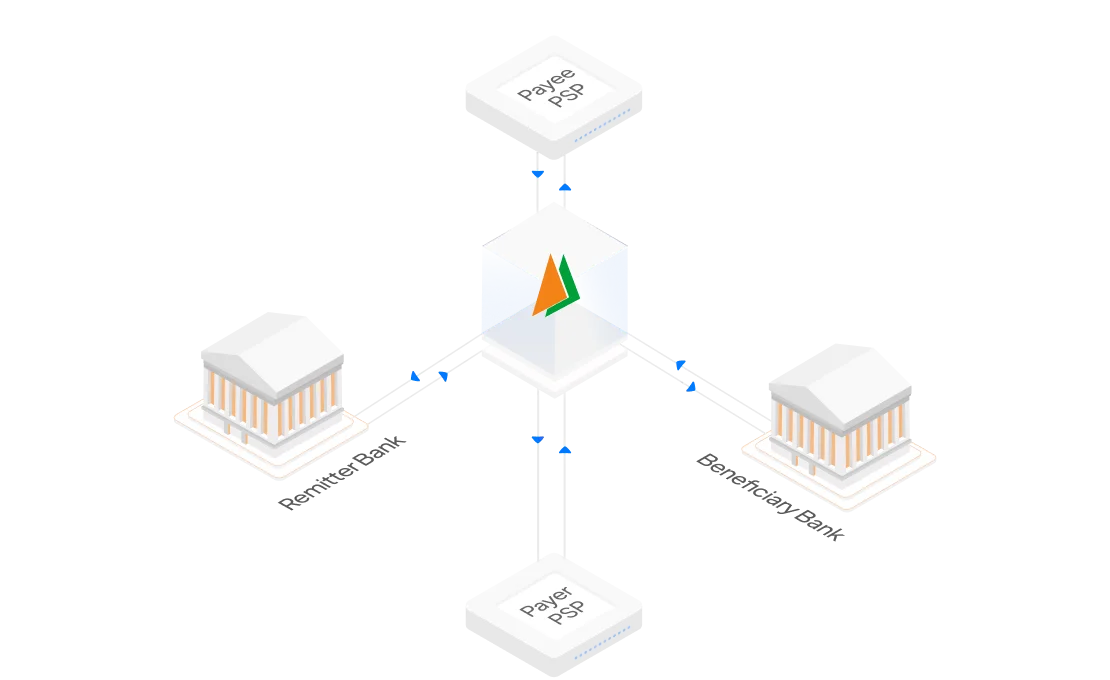
IATA has also developed Settlement with Orders (SwO), a lean XML standard that settles NDC orders through IATA’s Billing and Settlement Plan with fully automated reconciliation. It replaces complex ticket-based processes with a simple claim message that triggers settlement between airlines, agents, and OTAs, and immediately notifies both sides. For the first time, the financial plumbing matches the distribution architecture.
The Payment Gap
Building an Offer Management System is hard. Replacing a PSS is harder. Yet even airlines that get both right still face a reality: their payment infrastructure was designed for a world of individual tickets, not unified orders. That mismatch is what determines whether Offers and Orders actually works at checkout.
Consider what a single Offers and Orders checkout actually requires from a payment system:
01. Split Payment & Split Settlement
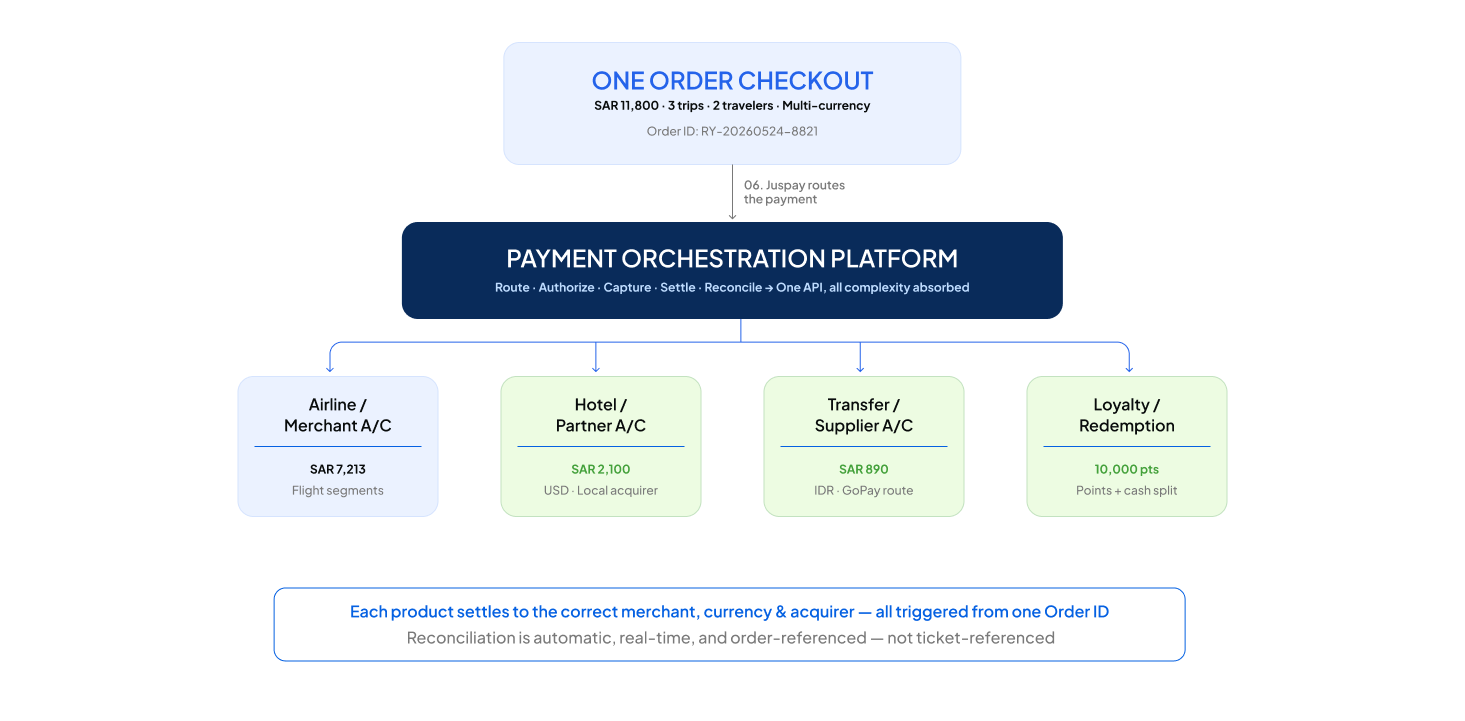
A single cart might contain a flight (airline merchant account), a hotel (OTA account), a transfer (third-party supplier), and an ancillary from a partner. Each one needs to be routed and settled to a different merchant account, potentially in different currencies, through different acquirers, in the same checkout event.
02. Multi-Currency Authorization
In a multi-traveler, multi-destination order, different legs may need to be priced and captured in different currencies. Authorization must accommodate delayed capture, especially for bookings made weeks in advance, with flexible settlement timing that does not leave airlines exposed on FX risk.
03. Multi-Authorization Flows
A single order may need multiple authorization calls: one at booking, one at check-in for post-booking ancillaries. This requires payment infrastructure that can hold, extend, and release authorizations across the order lifecycle, not just at the initial checkout.
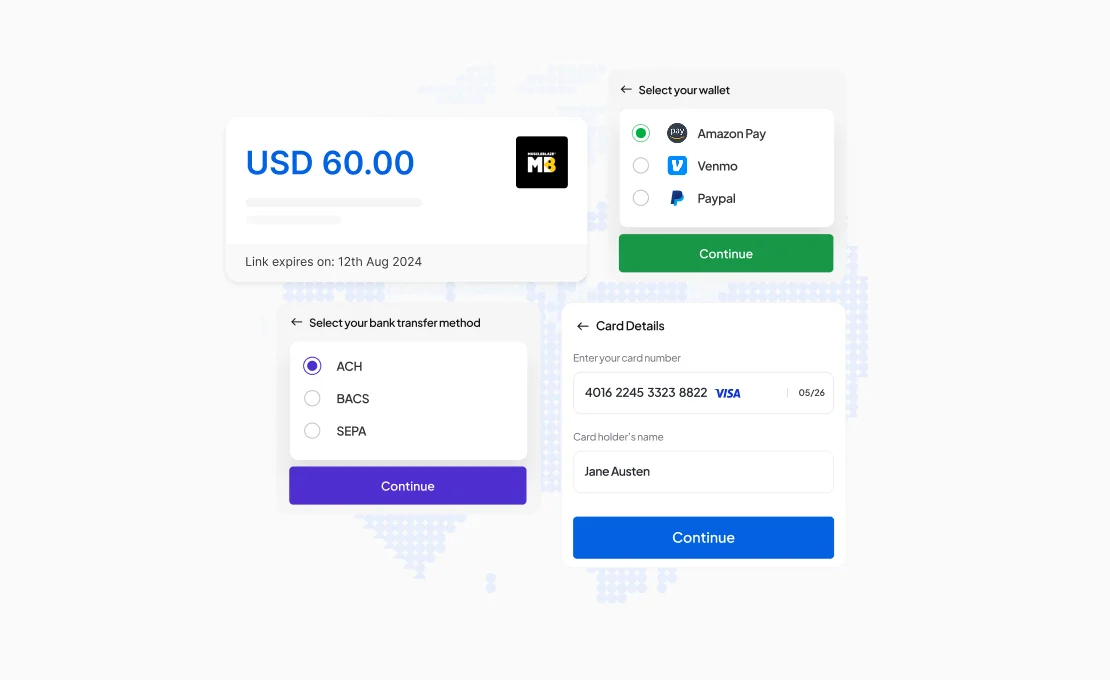
04. Local Payment Methods at Global Scale
Riyadh Air is targeting 100 destinations by 2030. A traveler booking from Indonesia may want to pay in GoPay. From India, UPI. From Saudi Arabia, Mada. From Singapore, PayNow. By 2028, local payment methods are projected to account for 60% of all e-commerce transactions globally, and airlines cannot afford to be card-only.
05. Order-Based Reconciliation
Revenue accounting systems built around PNRs and ETKTs do not know what to do with an Order ID. Airlines need a payment layer that maps financial transactions to Order identifiers rather than legacy booking references, and feeds clean data into revenue accounting without manual intervention.
06. Partial Refunds & Modifications
In a unified order containing a flight and two ancillaries, cancelling only the lounge access means the refund must process against the right merchant account, at the right exchange rate, without disturbing the rest of the order.
07. Loyalty + Cash Combinations
Personalization means offering points-plus-cash payments, status-based upgrades priced in miles, and partner currency combinations. The payment layer must handle mixed-instrument authorization, combining card and loyalty points, and split the settlement accordingly.
Why Payment Orchestration Is the Critical Enabler
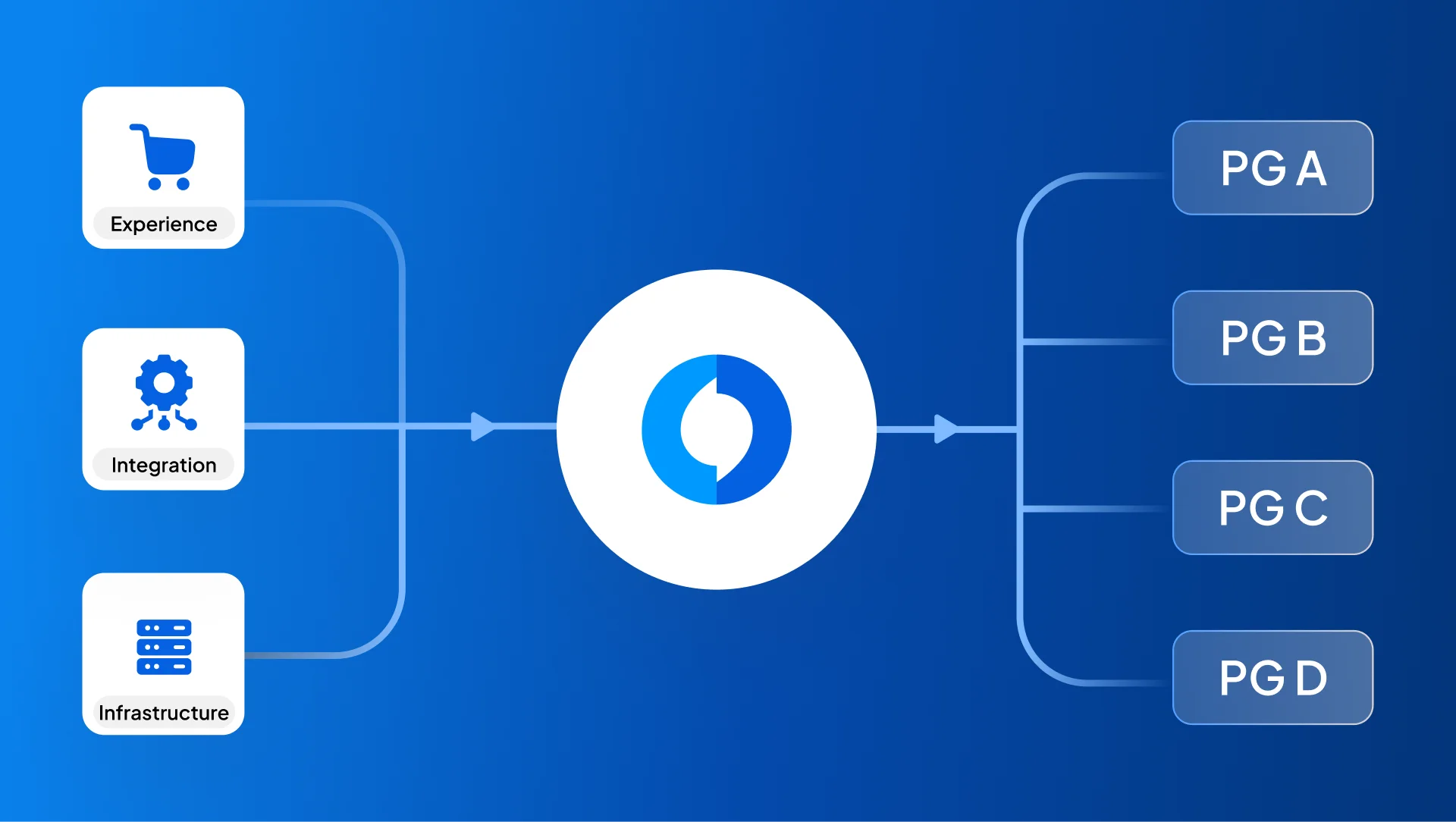
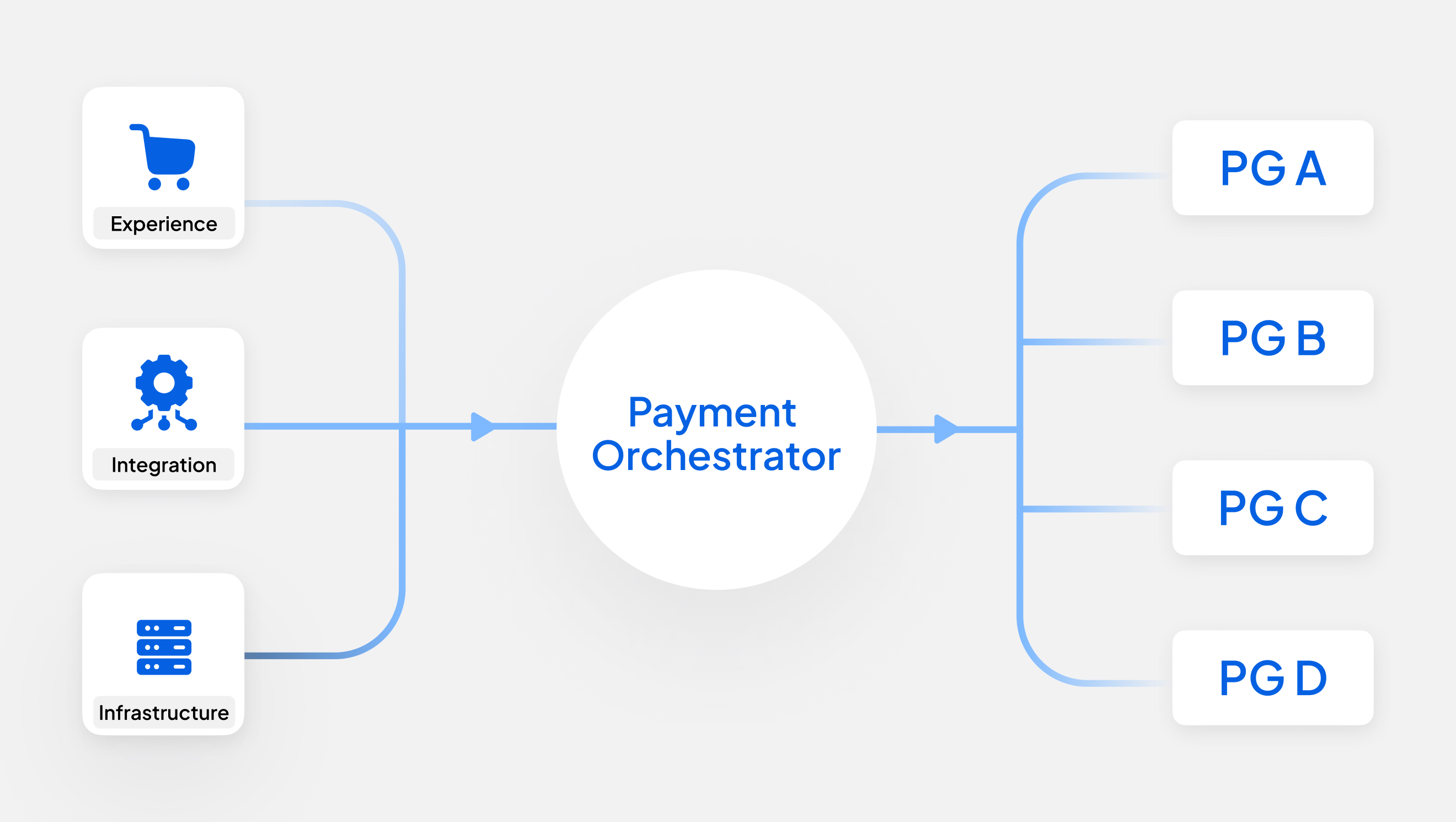
This is where a payment orchestration layer comes in. A layer that sits above PSS systems, individual acquirers and payment methods becomes essential infrastructure for any airline serious about modern retailing.
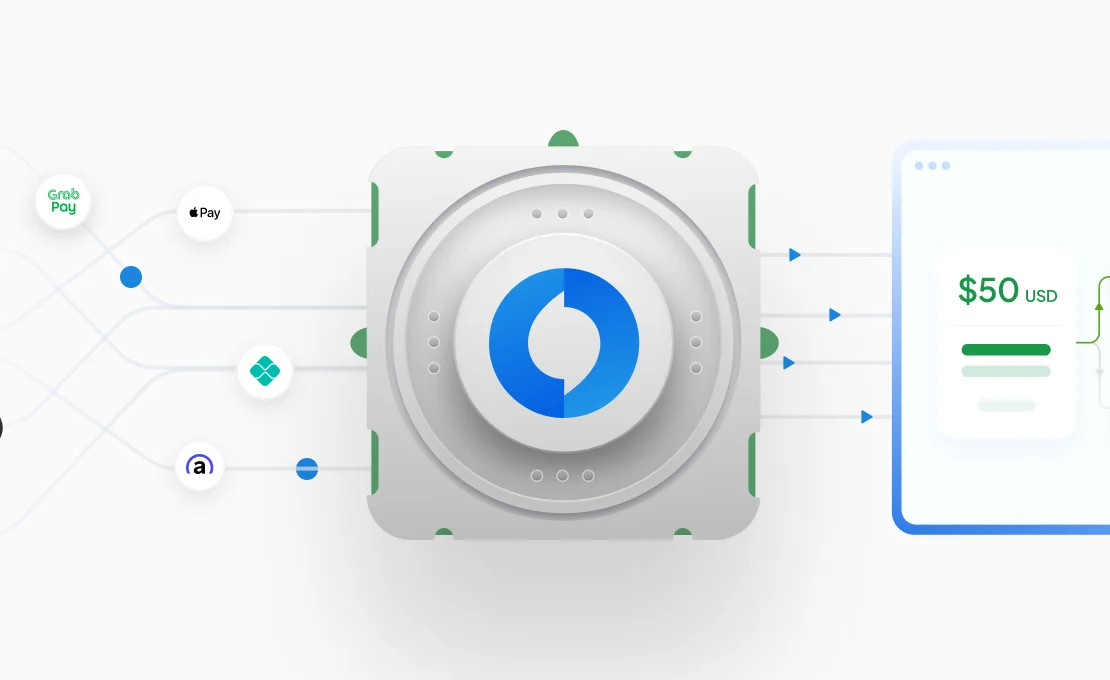
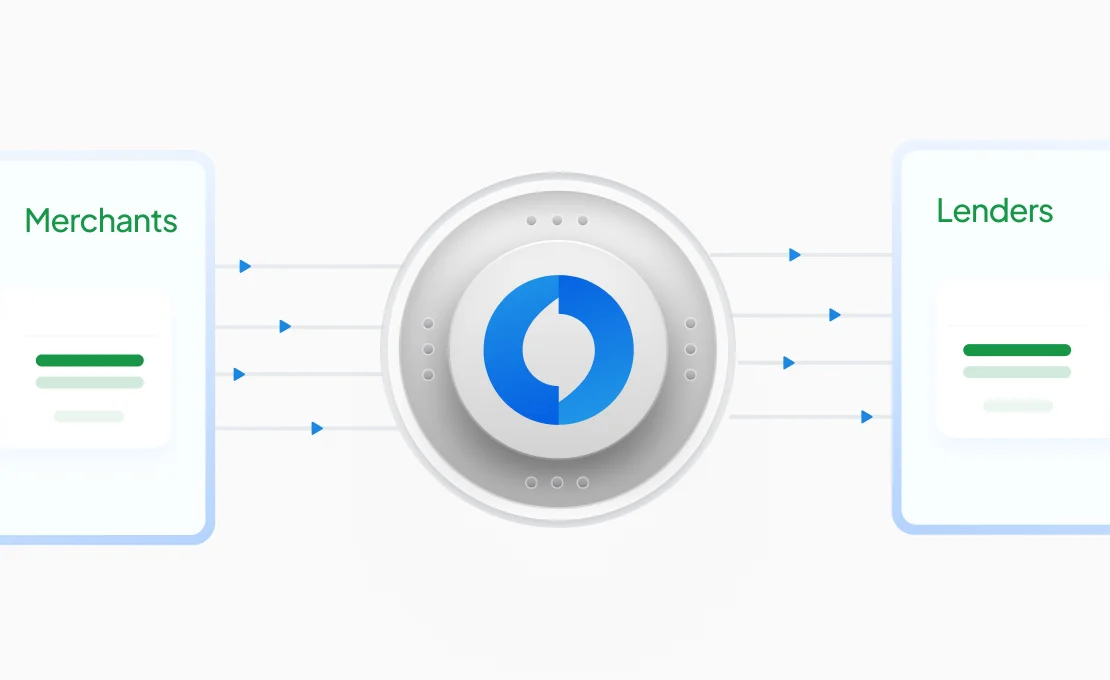
A payment orchestration platform does for payments what ONE Order does for bookings: it creates a unified layer above fragmented systems. Instead of the airline managing direct integrations with 15 acquirers, 40 local payment methods, a loyalty partner, and a BSP interface, the orchestration layer handles all of it through a single API. It routes intelligently based on geography, currency, and product type, captures at the right moment in the order lifecycle, and reconciles against the Order ID rather than legacy ticket references.
Where Juspay Is Positioned in This Shift
Juspay enters this landscape with a distinctive combination of depth and breadth that most payments players simply don't have.
Across the travel industry, Juspay has native integrations with GDS platforms, PSS systems, NDC workflows, and specialized payment flows, including IATA BSP integration, virtual card issuance for B2B ticketing, and promo engine connectivity.
Globally, Juspay brings local payment method coverage and acquirer relationships that few orchestration providers can match. A traveler booking Riyadh Air from Jakarta needs a payment experience that is local, fast, and converts. That is a problem Juspay has solved at scale.

The broader picture: As airlines globally begin their Offers and Orders journeys, they need a payment partner that can handle the full complexity of a unified order. That means multi-party settlements, multi-currency authorization, local payment method coverage across 200+ markets, order-based reconciliation, and intelligent routing to optimize authorization rates and minimize fees in every geography. This is not the job of a card processor or a PSS payment module. It calls for a payment orchestration layer built for the demands of modern airline retailing.
The Road Ahead
IATA’s goal is 100% Offers and Orders adoption by 2030. Current projections put mainstream adoption in the 2028–2029 window. Right now, only 27% of airlines have made meaningful progress. That means roughly three-quarters of the industry is still operating on infrastructure that predates the iPhone.
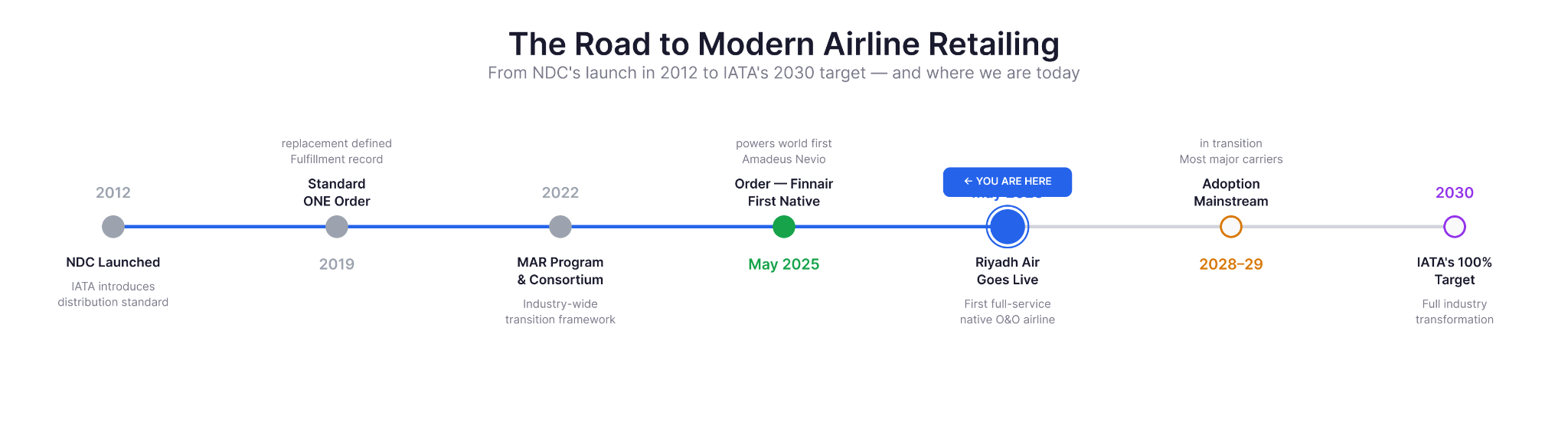
The pace is accelerating. The IATA Airline Retailing Consortium, which includes some of the world’s largest carriers, is actively publishing transition roadmaps and working with IT providers to compress timelines. Airlines like Riyadh Air, built from scratch without legacy constraints, are becoming reference architectures for the entire industry.
Flights are just the start. The ONE Order standard is designed to evolve into a connected travel ecosystem where air, hotels, ground transport, experiences, and in-trip services all come together in one intelligent retail journey. One order, growing with the customer across the entire trip. That is what airlines have been trying to build for a decade. ONE Order is what finally makes it structurally possible, because the order does not stop at ticketing. It travels with the customer.
For airlines navigating this transition, the question is not just about offer management or distribution technology: it is about whether the payment layer can actually support what modern airline retailing demands.
That gap, between the vision of unified airline commerce and the reality of fragmented payment infrastructure, is where the next chapter of airline payments will be written.