














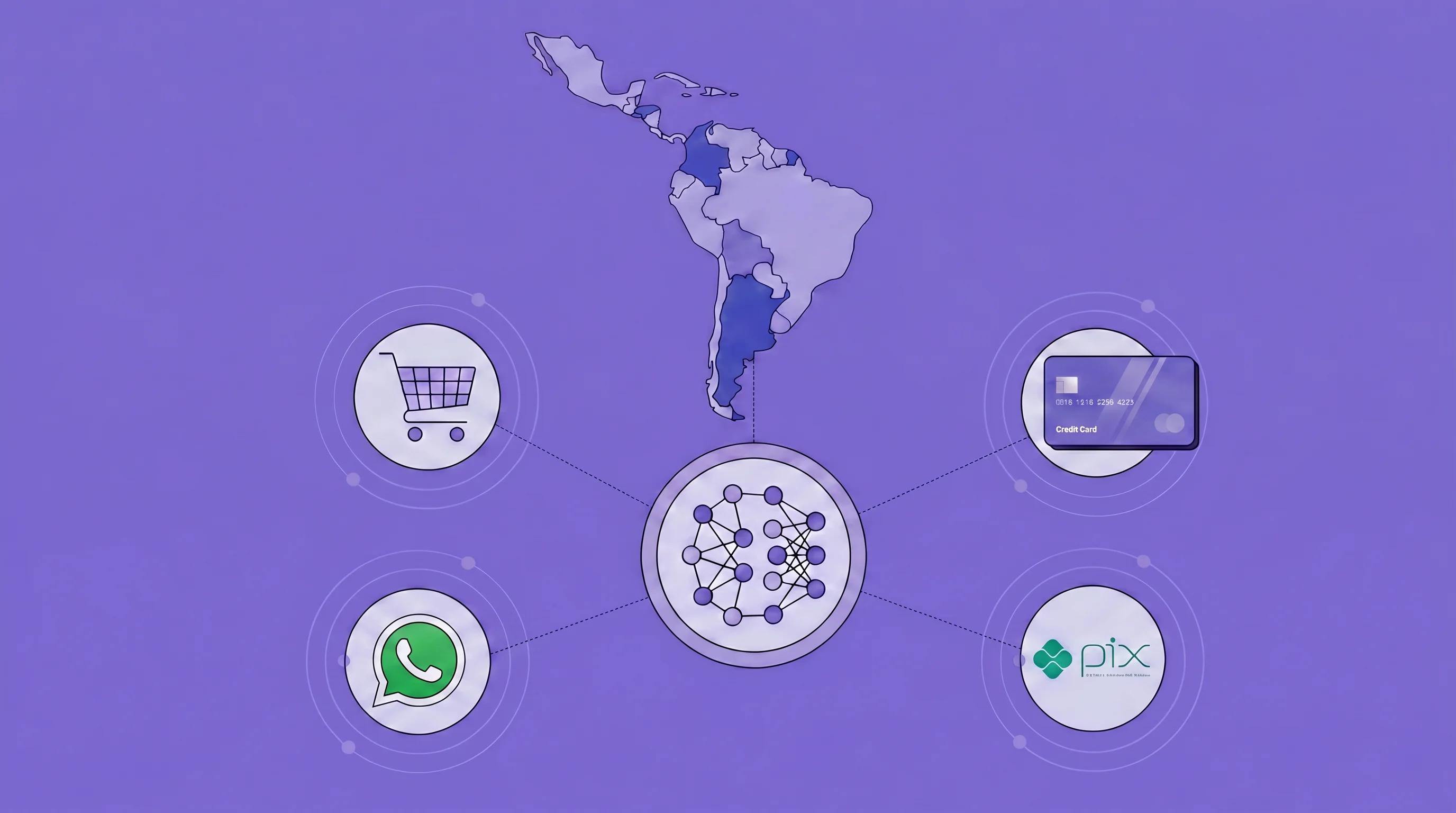
Agentic commerce is commerce where AI agents act on behalf of users - searching, comparing, authorizing, and paying - without the user navigating a UI. This is not a projected future state. As of December 2025, Visa had completed hundreds of live, production-grade agent-initiated transactions through its Intelligent Commerce initiative, with partners including Skyfire, Nekuda, PayOS, and Ramp executing purchases at merchants like Bose, Honeylove, and Fabrique. By April 2026, Visa had launched Intelligent Commerce Connect - a single integration that accepts agent-initiated payments across four protocols simultaneously and expanded its Agentic Ready program to Latin America. Adobe Analytics measured a 4,700% year-over-year increase in AI-generated traffic to US retail sites. McKinsey projects agentic commerce will intermediate between USD 3 trillion and USD 5 trillion globally by 2030.
For payment infrastructure providers like Juspay - which orchestrates transactions across 150+ countries and processes 300 million daily transactions - the shift is not abstract. The underlying payment rails, authorization frameworks, and protocol stacks must all be rebuilt to handle purchases that happen without a human present at the moment of transaction.
What Agentic Commerce Actually Is
Agentic commerce refers to purchasing experiences in which AI agents assist or act on behalf of a user, executing tasks that previously required manual interaction:
- Interpreting the user's intent from natural language
- Navigating product catalogs and applying comparison criteria
- Building carts and filling checkout forms
- Completing purchases under predefined user authorization
- Executing delegated tasks such as automatic reorders or price-triggered purchases
The defining requirement is not that AI is involved - it is that the agent can complete the purchase without the user being present at the moment of checkout. That requirement changes almost everything about how payment infrastructure must be designed.
How Agentic Commerce Changes Depending on Context
Not every agentic commerce interaction works the same way. The infrastructure requirements vary based on two questions:
- Does the user approve the transaction in real time, or has authorization already been delegated?
- Does the interaction happen inside a merchant-controlled environment, or through an external AI platform?
These distinctions matter because they determine how identity, authorization, fraud controls, and payment orchestration must operate.
Real-Time Approval vs Delegated Execution
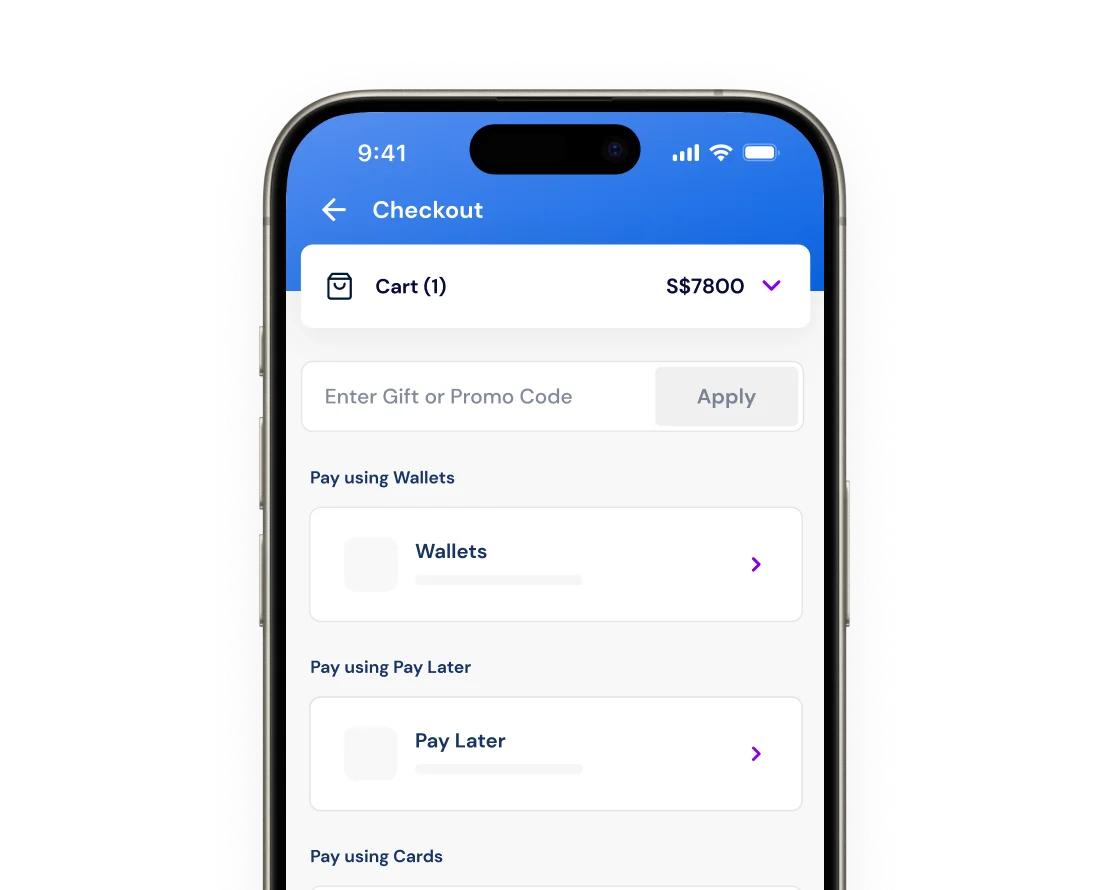
Some agentic experiences still keep the user actively involved in the checkout process. The agent assists with discovery, comparison, and cart creation, but the user approves the final transaction. This model is already emerging in merchant apps and AI assistants that prepare purchases but wait for confirmation before payment execution.
Other models are fully delegated. In these flows, users define spending rules or consent boundaries in advance, allowing agents to complete transactions autonomously within predefined conditions. Examples include automatic replenishment, recurring purchases, or event-triggered buying.
Merchant-Controlled vs Platform-Controlled Experiences
The second distinction is where the interaction itself takes place.
In some implementations, the merchant owns the full experience. The AI agent is embedded directly into the merchant's application, giving the merchant control over the catalog, checkout flow, and customer experience.
In other cases, the primary interface belongs to an external AI platform such as ChatGPT or Gemini. Here, the merchant becomes an API-accessible commerce endpoint, while discovery and interaction happen outside the merchant's owned surface.
The boundary between these two models is where the most important infrastructure decisions are made and where Brazil has a structural advantage.
Brazil: The Only Market with All Three Prerequisites in Production
Most markets are still assembling the components required for scalable agentic commerce. Brazil already has all three, and they are operating at scale.
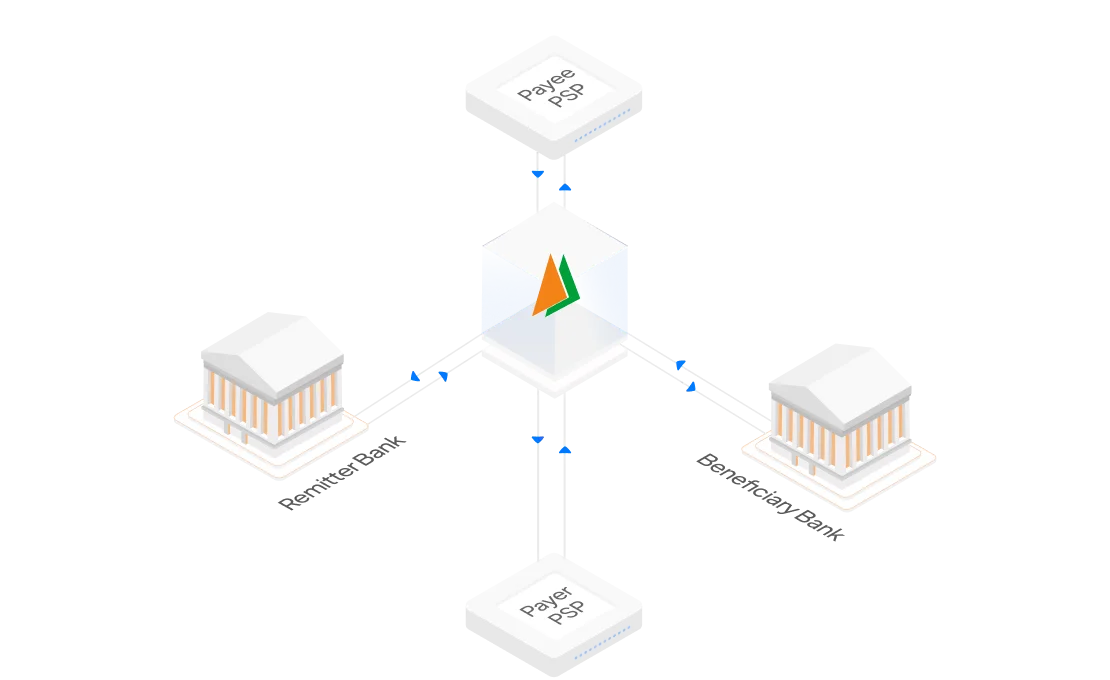
Pix - the programmable rail. According to Brazil's Banco Central (Estatísticas de Pagamentos de Varejo, H2 2025), Pix accounted for 54.7% of all financial transactions in Brazil in the second half of 2025, totaling 42.9 billion transactions in that period alone. Over the full year 2025, Pix processed approximately 79.8 billion transactions worth R$35 trillion. Pix set a single-day record of 313.3 million transactions on December 5, 2025, moving R$179.9 billion in a single day. This is not scale borrowed from another payment method - it is a dedicated real-time infrastructure built as a public good by the Brazilian central bank. Pix was designed to be called programmatically via API, which is precisely what an AI agent requires. Legacy card-based flows were built around a human at a point of sale. Pix was built as infrastructure.
Pix Automático - regulatory precedent for human-absent payments. In effect since June 16, 2025 (BCB Resolution 402), Pix Automático is not a native agentic primitive - it was designed for human-to-human recurring payments. What it establishes, however, is Brazil's first regulatory framework for payments executed without the user present at the moment of transaction. The user sets parameters and limits in advance; the system executes within those rules. The consent and accountability framework this creates is exactly what regulators in other markets will have to build from scratch when agent payment volumes arrive. Brazil will not need to invent this infrastructure - it already exists.
WhatsApp - the trusted commerce surface. More than 93% of smartphones in Brazil have WhatsApp installed. The platform is already the primary commerce interface for millions of Brazilian businesses: the channel where customers ask questions, receive order confirmations, and increasingly complete purchases. This is not a surface that needs to be introduced to Brazilian consumers. It is where they already transact.
The convergence of these three elements produces something no other market has: a programmable payment rail, a tested regulatory framework for human-absent authorization, and a conversational commerce surface the population already trusts all operating as a single native stack.
Where Brazil Fits in Visa's Global Agentic Expansion
The timing matters. In late April 2026, Visa announced the expansion of its Agentic Ready program to Latin America, a program that prepares issuing banks and payment partners for agent-initiated commerce, having already launched with 20+ partners across Europe and the UK. Brazil's financial infrastructure is cited as a key factor in the region's readiness. For Juspay's São Paulo-based team, this is a confirmation, not a launch: the infrastructure required to participate in that program is already in place.
The Most Natural Agentic Commerce Flow in Brazil: WhatsApp + Pix
The most natural manifestation of agentic commerce in Brazil is not an app or a website - it is a conversation.
User (WhatsApp): "Repeat my order from last month"
Agent → queries merchant API for last order → confirms:
Melatonin 5mg ×2, Losartan 50mg ×1 — R$87.40
→ checks authorization rules (within monthly limit, same merchant)
User (WhatsApp): "Yes"
Agent → initiates Pix payment via tokenized credential
→ network authorizes → merchant confirms order
User (WhatsApp): "Confirmed ✓ - delivery tomorrow 2–6 pm"
One important distinction: the agent does not message the merchant's WhatsApp chatbot. It calls the merchant's API directly. WhatsApp is the surface between the user and their agent. Commerce happens through structured API calls, not through chat parsing.
This is the boundary that determines which merchants participate in agentic commerce: merchants whose checkout requires human UI interaction will not be addressable by these agents. Merchants with API-accessible checkout, tokenized credentials, and programmable authorization will be.
The Five Pillars of Trustworthy Agentic Commerce
As agent-driven interactions mature, industry efforts are converging on five principles that keep these experiences secure, compliant, and auditable.
Accuracy. Agents must perform only valid, verifiable actions. Every product query, cart modification, and checkout step must correspond to legitimate merchant data, preventing unintended purchases.
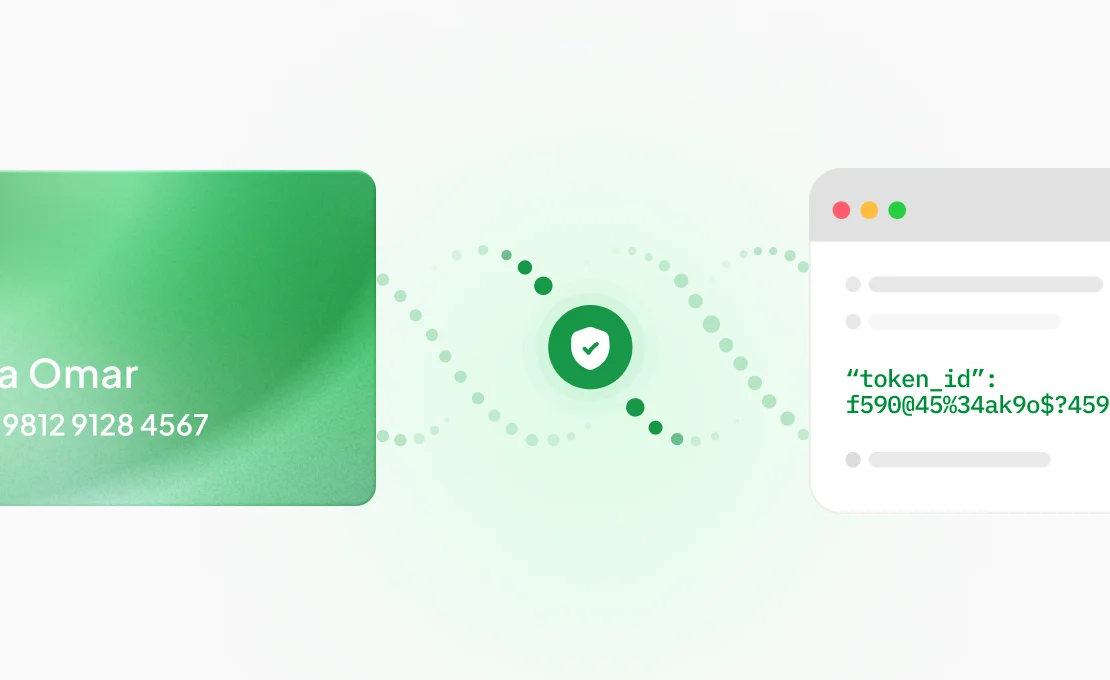
Anonymity. Agents must not access or store raw payment credentials. Agentic commerce frameworks must rely on tokenization or proxy credential systems, so payment data remains within secure, PCI-compliant domains. A request that handles a Pix key or a raw card PAN directly is an architecture risk - not a design choice.
Auditability. Comprehensive logs must be maintained for every agent-initiated step across its full lifecycle. Traceable logs are essential for dispute management, risk analysis, compliance, and debugging. This is not optional at enterprise scale.
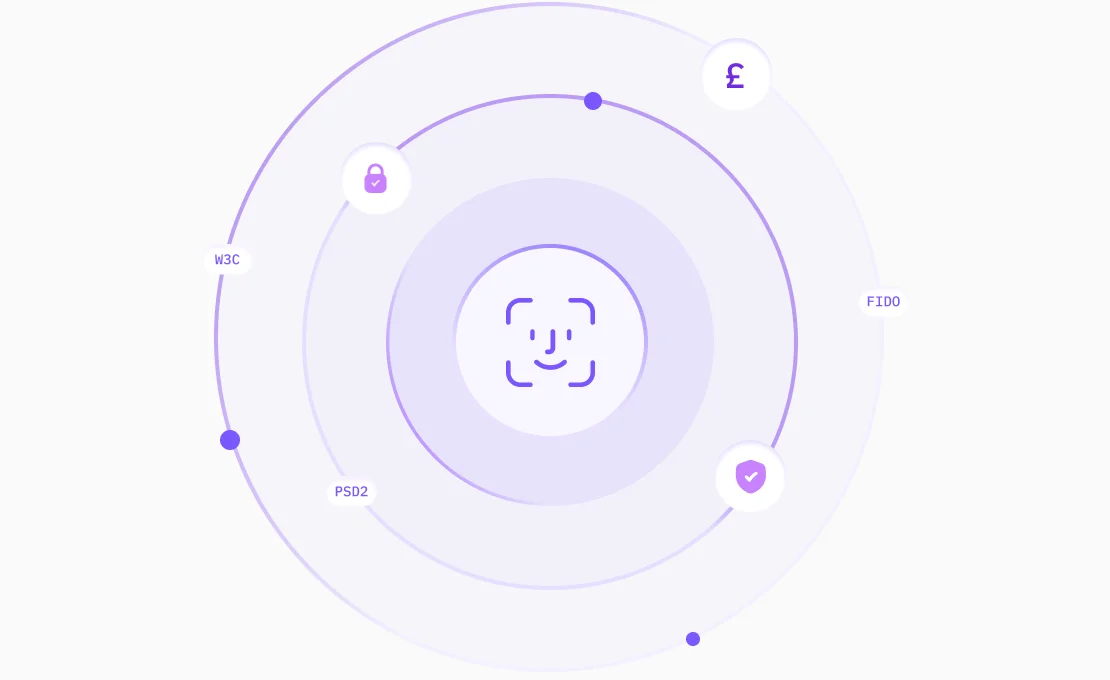
Authentication. Agents must authenticate themselves and support strong customer authentication rules, including delegated 2FA or issuer-domain authentication, depending on geography and payment method.
Authorization. Agents must act only under explicit, bounded user consent. Authorization models may be session-based (for human-present flows) or mandate-based (for delegated flows), with defined spend limits, validity periods, and usage controls.
These five pillars are consistent across industry specifications from EMVCo, FIDO Alliance, Visa Intelligent Commerce, Google AP2, and the Mastercard Agent Pay program.
Failure Mode: The Fraud Rule Problem No One Is Talking About
This is the most underreported failure mode in enterprise agentic pilots.
Most merchants operate fraud rule engines calibrated to expect browser fingerprints, mouse movement patterns, and keystroke timing as signals of legitimate human traffic - because until recently, only bots lacked those signals. Agent traffic is definitionally absent of those signals.
The result: the first agentic transactions a merchant's stack processes are classified as bot traffic and rejected silently. These transactions never appear in merchant dashboards because the orders are never created - they surface as 403 errors and elevated rejection rates in API logs that no one reviews. Teams celebrate a successful protocol integration, interpret low volume as low demand, and miss the real problem: their fraud layer is blocking legitimate agent traffic one level below where they are looking.
The fix is not to loosen fraud rules. It is to add agent authentication signatures - Visa's Trusted Agent Protocol (TAP, launched October 2025), Mastercard Web Bot Auth - as alternative trust signals in routing logic. A request without mouse movement data but with a valid TAP signature is no longer ambiguous: it is a verified agent, and must be routed differently from anonymous bot traffic.
Juspay's orchestration layer sits at exactly the position where this routing logic is implemented. Integrating protocol-level agent trust signals at the orchestration layer, rather than requiring each merchant to rebuild their fraud logic independently, is the structural efficiency that makes agentic commerce viable at enterprise scale.
The Protocol Landscape: A Stack, Not a Race
The instinct when mapping this space is to ask which protocol will win. That is the wrong question.
ACP, UCP, AP2, MCP, MPP, and x402 each emerged from a different actor solving a different bottleneck. They appear to be layers of a stack - because they effectively are one.
| Protocol | Owner | Function in the payment flow |
| MCP (Model Context Protocol) | Anthropic / Linux Foundation | The API surface through which agents read and write payment-relevant state at the merchant: saved payment methods, EMI options, applicable offers, order creation, refunds. |
| ACP (Agentic Commerce Protocol) | OpenAI + Stripe | Checkout for traffic originating from ChatGPT. Note: Instant Checkout was deprecated in March 2026; the current ACP model is discovery + merchant redirect. Payment was previously via Shared Payment Tokens (SPTs). |
| UCP (Universal Commerce Protocol) | Google + 20+ partners | Launched at NRF, January 2026. Full commerce journey from discovery through post-purchase. Co-developed with Shopify, Etsy, Wayfair, Target, Walmart; endorsed by Adyen, Mastercard, Stripe, Visa. Authorization via AP2 mandates; settlement via the merchant's existing PSP rails. |
| AP2 (Agent Payments Protocol) | Google + 60+ partners | Cryptographically signed authorization mandates: the artifact that proves an agent has user consent to spend within defined value, merchant, and time limits. Donated to the FIDO Alliance for community governance. Juspay is a founding AP2 partner — co-founder Sheetal Lalwani was named in Google's September 16, 2025 launch announcement alongside Mastercard, PayPal, Adyen, Worldpay, JCB, and UnionPay International. |
| MPP (Machine Payments Protocol) | Stripe + Tempo | HTTP-layer payment execution for agents paying APIs and services. Multi-rail by design: SPTs for fiat-card, stablecoins on Tempo, Bitcoin on Lightning. |
| x402 | Coinbase / x402 Foundation | HTTP-layer payment execution for crypto-native flows: instant USDC settlement, no dependency on Stripe or fiat. |
A single agentic purchase initiated inside Gemini might use UCP for discovery, AP2 for the user's spend mandate, MCP for the merchant's payment method server, the merchant's existing PSPs for the actual rails, and MPP or x402 for micropayments to external APIs along the way. The same purchase inside a ChatGPT-adjacent flow would run via ACP discovery with merchant redirect. Different surfaces, different stacks, no single protocol covering the complete flow.
The interoperability trend is accelerating. Visa's Intelligent Commerce Connect (April 2026) accepts agent-initiated payments across TAP, MPP, ACP, and UCP through a single merchant integration. UCP explicitly supports AP2, A2A, and MCP as transport bindings. Stripe's Shared Payment Tokens already support Mastercard Agent Pay, Visa Intelligent Commerce, Affirm, and Klarna. The architecture that wins is protocol-agnostic and a stack built on that principle today carries no consolidation risk regardless of which direction the market moves.
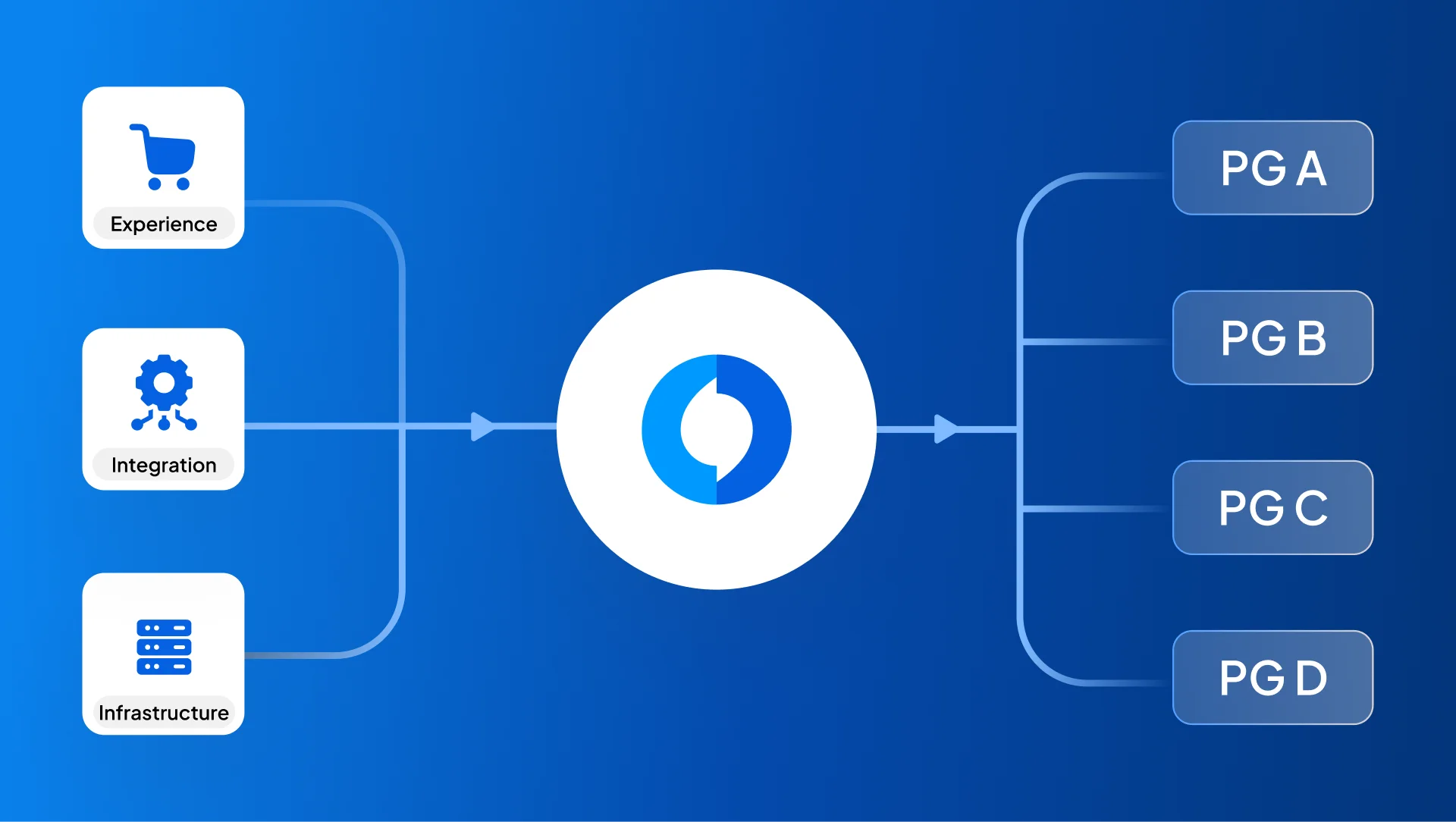
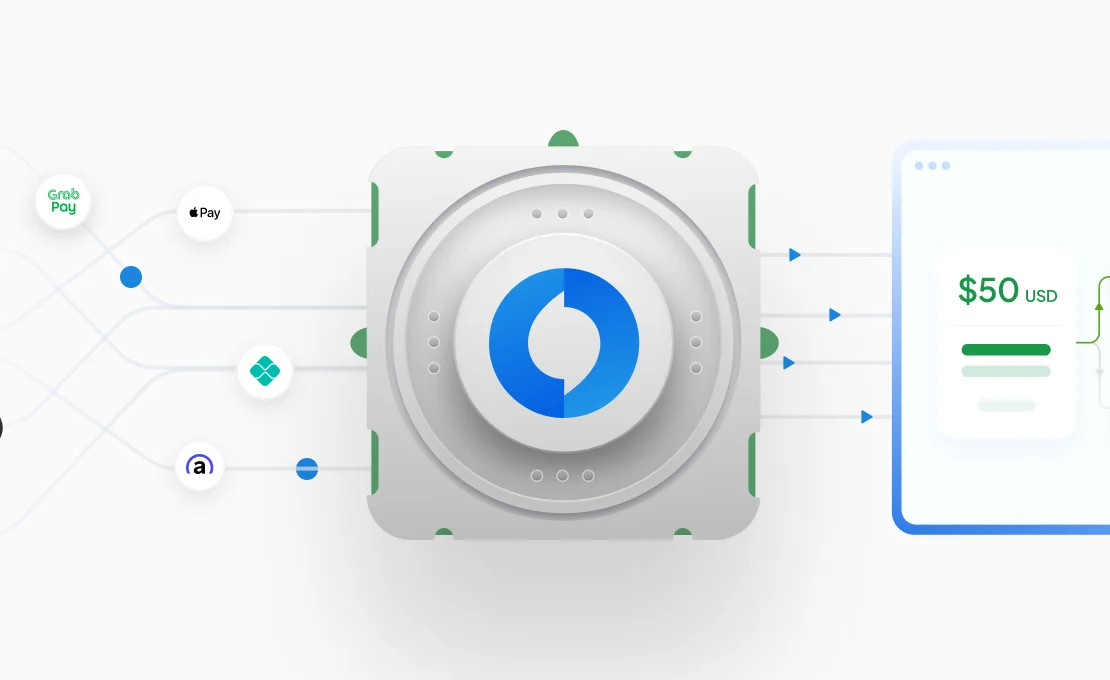
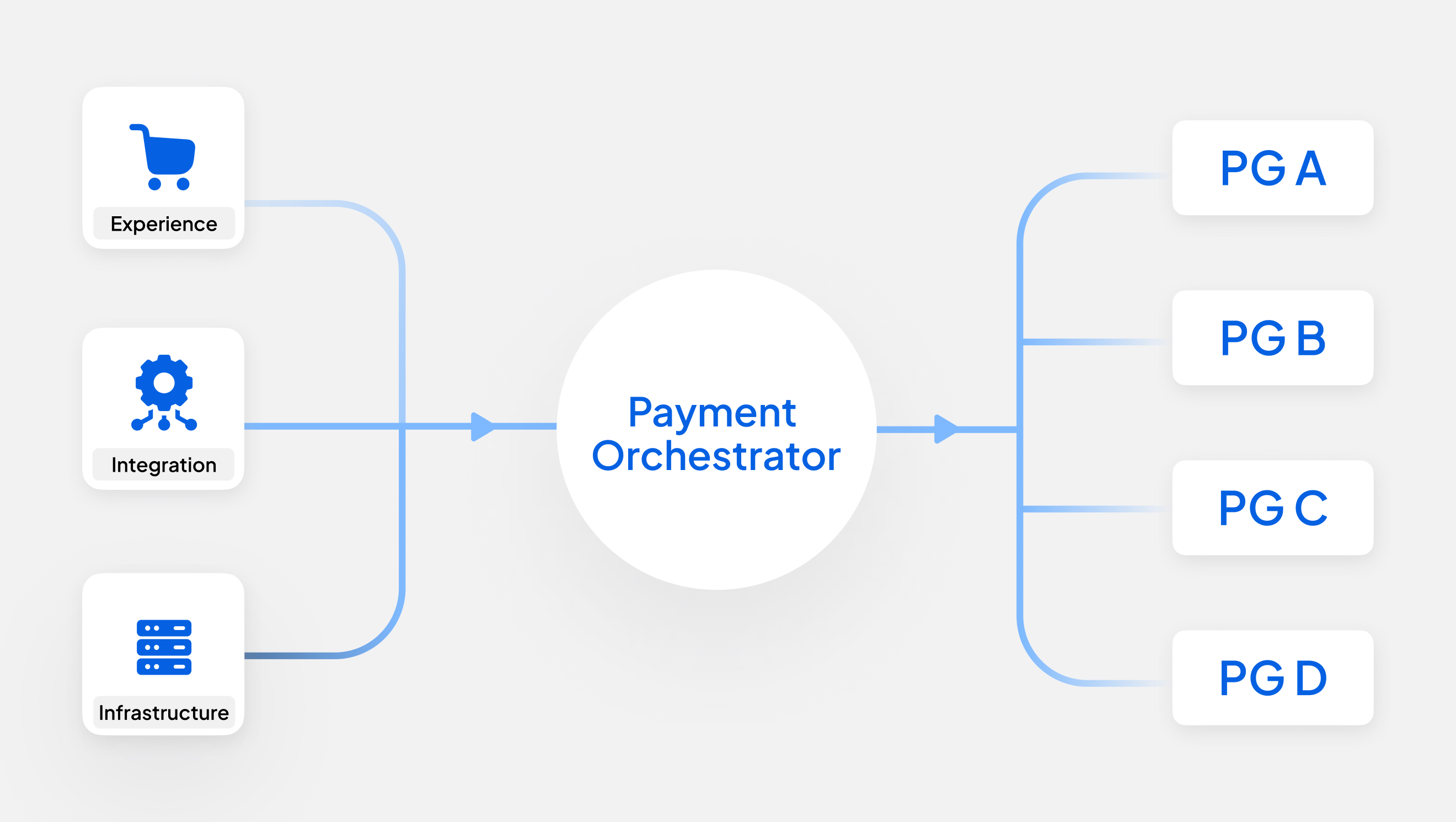
For a merchant, this is not a do-it-yourself problem. Direct integration to each protocol is substantial complexity for a layer that is still shifting. The same logic that made payment orchestrators useful applies here: orchestrators already abstract 300+ PSPs, checkout flows, tokenization, and authentication behind a single integration. The natural next step is for that abstraction to extend upward - the merchant integrates once, and the orchestrator handles ACP for ChatGPT traffic, UCP for Gemini, MCP for enterprise agents, and the authorization and settlement layers below. That is the direction Juspay is building.
What Juspay Supports Today
The majority of early agentic commerce adoption is occurring inside merchant applications - human-present flows where the user stays within the merchant's app but benefits from agent assistance.
Juspay supports this mode today through its MCP Server, which enables agents embedded in merchant applications to:
- Access saved payment methods
- Query applicable offers and installment plans
- Create orders and transactions
- Check order status
- Initiate refunds
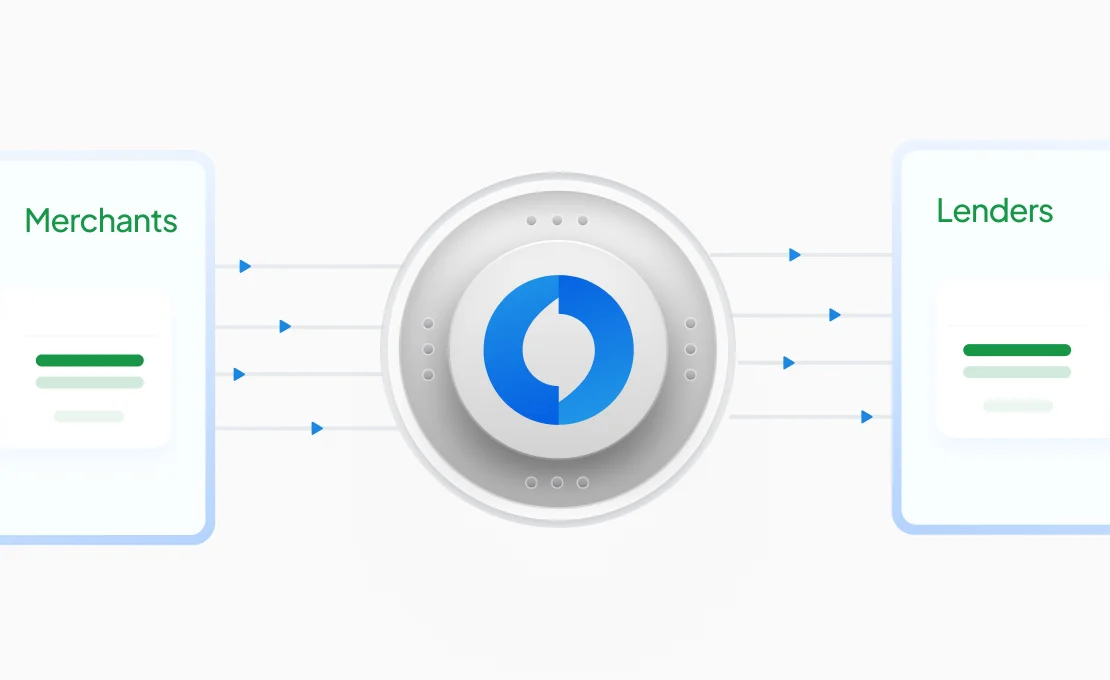
Juspay's position as a founding AP2 partner places it inside the authorization layer of the standard that Google, Mastercard, PayPal, Adyen, and Worldpay are building toward. As agentic commerce volumes grow, that positioning means Juspay can route agent-initiated authorization mandates through its orchestration layer - applying the same smart routing, failover logic, and fraud signal integration it already applies to 300 million daily transactions, without requiring merchants to rebuild their payment stacks from scratch.
The Limiting Factor in Brazil Will Not Be Payment Infrastructure
A common objection to the "Brazil leads agentic commerce" thesis is that the country's agentic commerce volumes are currently minimal - that Pix, Pix Automático, and WhatsApp are infrastructure capabilities, not proof of adoption.
This is accurate, and worth taking seriously. Infrastructure readiness is not the same as adoption. Brazil has the lowest friction path to agentic commerce among major emerging markets. It does not yet have the agent-side ecosystem - the AI platforms, the enterprise integrations, the merchant-facing tooling at the scale that US or European markets are building.
What the data supports is a more precise claim: when agentic commerce adoption does accelerate in Brazil and McKinsey's $3–5 trillion global projection implies it will - the limiting factor will not be payment infrastructure. That problem is already solved. The limiting factors will be merchant API readiness, agent platform localization, and consumer trust-building. These are solvable in sequence. The alternative - markets that need to build real-time payment rails, consent frameworks, and programmable settlement simultaneously - are solving a harder version of the problem.
Key Takeaways
- Agentic commerce has crossed from pilot to production: Visa completed hundreds of live, agent-initiated transactions by December 2025; Mastercard Agent Pay executed live authenticated transactions in Asia in Q1 2026.
- Brazil's payment infrastructure - Pix at 79.8 billion transactions in 2025, Pix Automático's consent framework, WhatsApp's 93% penetration gives it a structural lead among emerging markets for agentic commerce readiness.
- The protocol landscape is a stack, not a race: MCP (tool access), UCP (full commerce journey), AP2 (authorization mandates), ACP (ChatGPT commerce), MPP and x402 (machine-to-machine settlement) serve different layers and are increasingly interoperable.
- The most underreported failure mode in agentic pilots is fraud rule engines blocking verified agent traffic - solved by integrating protocol-level trust signals (Visa TAP, Mastercard Web Bot Auth) at the orchestration layer.
- Protocol-agnostic orchestration is the right architecture: Visa's Intelligent Commerce Connect already accepts TAP, MPP, ACP, and UCP through one integration. Merchants who integrate once to an orchestration layer capture the full protocol surface area.
- Juspay supports agentic commerce today via its MCP Server. The orchestration layer is the correct place to implement agent routing, fraud signal integration, and multi-protocol authorization.
Frequently Asked Questions
What is agentic commerce?
Agentic commerce is a purchasing model in which AI agents act on behalf of users by searching for products, comparing options, and completing transactions without requiring the user to navigate a UI or be present at the moment of checkout. The agent interprets a user's intent, applies authorization constraints the user defined in advance, and executes the purchase through structured API calls. The model ranges from human-assisted, where the agent recommends and the user confirms, to fully delegated, where the agent executes under pre-set mandates.
How is agentic commerce different from chatbot commerce or conversational commerce?
Earlier conversational commerce models used rule-based chatbots to guide users through a purchase flow - the user still drove each step. Agentic commerce agents are autonomous: they initiate actions, call external APIs, apply reasoning to multi-step decisions, and can complete transactions without per-step user input. The difference is the degree of agency. A chatbot prompts. An agent executes.
Is agentic commerce live today, or is it still experimental?
It is live in production. Visa completed hundreds of real agent-initiated transactions in controlled production environments by December 2025. ChatGPT's Agentic Commerce Protocol (ACP) launched in September 2025. Google's Universal Commerce Protocol (UCP) launched in January 2026 with Shopify, Walmart, Target, and 20+ partners. Mastercard Agent Pay completed live authenticated agentic transactions in Hong Kong and Thailand in early 2026. Visa expanded its Agentic Ready program to Latin America in April/May 2026. The question is no longer whether agentic commerce works - it is how fast it reaches consumer scale.
Why is Pix important for agentic commerce in Brazil?
Pix was designed as programmable payment infrastructure from the start. It can be called via API without requiring human interaction at the point of payment, which is exactly what an AI agent needs. Legacy card-based flows were designed around a human entering credentials or tapping a card. Pix was designed as a digital primitive callable by any authorized system. That design choice, combined with its 54.7% share of all Brazilian transactions, makes it the most agent-compatible payment method of any major market.
What is the difference between Pix Automático and agentic payments?
Pix Automático (BCB Resolution 402, June 2025) is a recurring payment mechanism designed for human-to-human use cases like subscriptions and utility bills. It is not a native agentic primitive. Its relevance to agentic commerce is regulatory: it establishes Brazil's first framework for payments executed without the user present at the moment of the transaction, including consent parameters, spend limits, and revocation paths. That framework is exactly what agentic payment authorization will need.
What protocols does an enterprise need to support for agentic commerce?
The answer depends on the channels you want to reach. MCP is the foundational tool access layer, relevant for any agent interaction with your payment or catalog systems. UCP is required for Google AI Mode and Gemini commerce. ACP is required for ChatGPT discovery flows. AP2 mandates provide the cryptographic authorization layer for human-absent transactions. Visa TAP and Mastercard Web Bot Auth are agent identity protocols that interact with fraud systems. In practice, enterprises need an orchestration layer that handles multi-protocol compliance. Integrating directly to each protocol individually is too much complexity on a moving target.
How does Juspay support agentic commerce today?
Juspay supports agentic commerce through two active capabilities. First, its MCP Server gives merchant-embedded agents structured access to Juspay's payment infrastructure: saved payment methods, offer queries, order creation, status checks, and refund initiation. Second, Juspay is a founding partner of Google's Agent Payments Protocol (AP2), placing it inside the authorization layer of the emerging standard for human-absent agentic transactions. As protocol volumes grow, Juspay's orchestration layer is the point where multi-protocol routing, agent trust signal integration, and smart failover are applied across 300+ payment providers.
What is the fraud risk in agentic commerce, and how is it addressed?
The core fraud risk is that existing fraud rule engines are calibrated to treat the absence of human behavioral signals (browser fingerprints, mouse movement, keystroke timing) as evidence of bot traffic - and agent traffic is definitionally absent of those signals. This causes fraud systems to silently reject legitimate agent transactions. The solution is not to lower fraud thresholds - it is to recognize protocol-level agent authentication signals (Visa TAP signatures, Mastercard Web Bot Auth) as alternative trust signals, so a verified agent request is not conflated with anonymous bot traffic.