











What are digital wallets?
A digital wallet is an application installed on smartphones, tablets, or wearable devices that securely stores payment information. Instead of carrying physical cards or manually entering details with every purchase, users can pay with a few taps or by bringing their device close to a terminal (NFC). Think of it as the digital version of your physical wallet - only faster, more secure, and with far less friction.
In practice, digital wallets store credit and debit cards, account balances, loyalty cards, boarding passes, event tickets, and increasingly, cryptocurrencies and digital identity credentials. They have evolved into full financial hubs, well beyond a simple payment method.
The digital wallet landscape in Brazil and Latin America
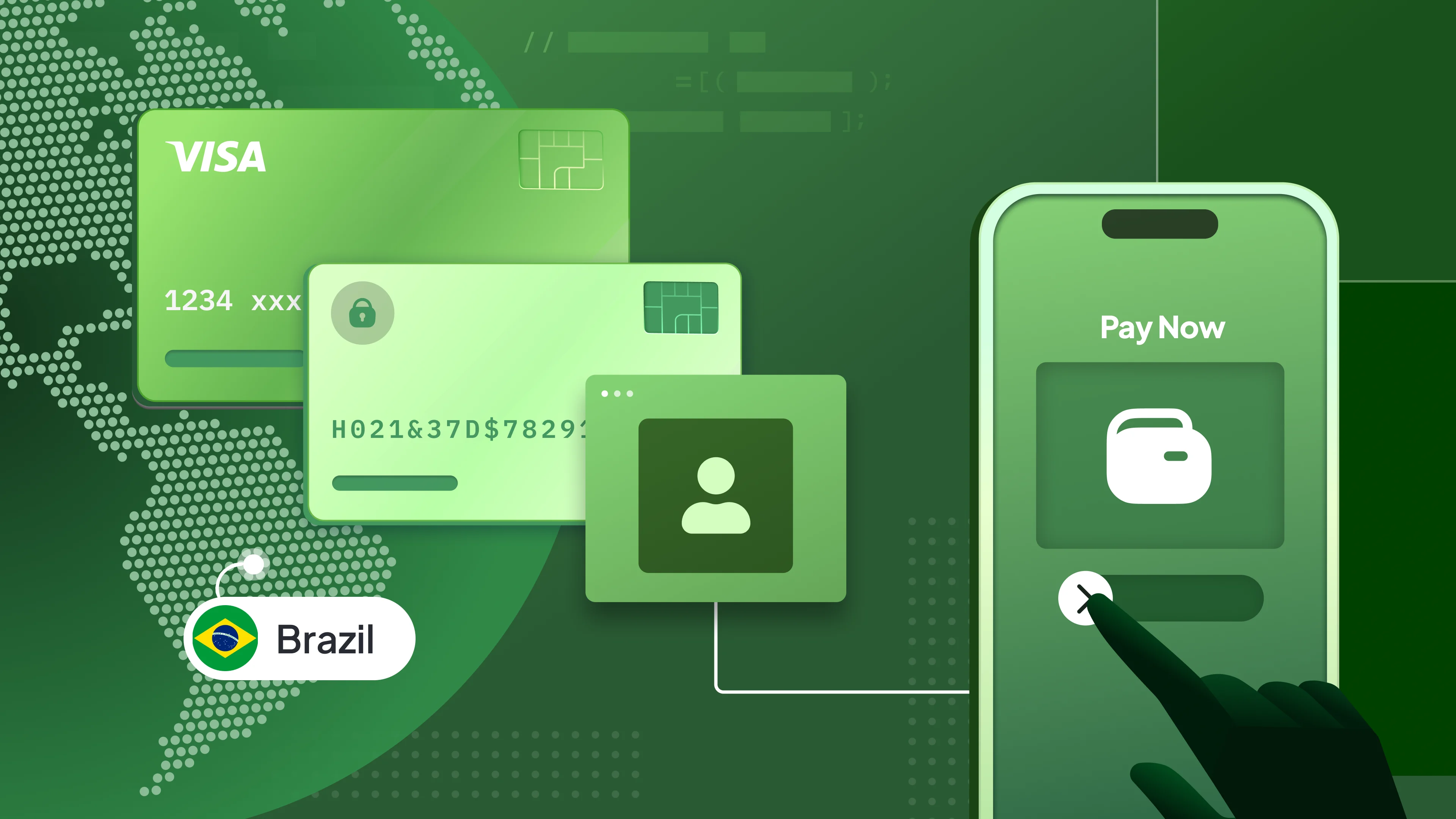
Brazil is one of the most dynamic markets in the world when it comes to digital payments. Pix revolutionized instant transfers, and now digital wallets are doing the same for online and in-store checkout.
The numbers speak for themselves. Digital wallet transactions in Brazil grew 19.4% in Q3 2025, according to Abecs. During November 2025 (Black Friday period), digital wallet transaction volume surged 168% compared to the same period in 2024, per PagBrasil data. Contactless payments already represent 72.8% of in-store card purchases, with projections to exceed 80% by 2026.
Across Latin America as a whole, digital wallets already account for 39% of e-commerce payments. The region stands out as a hub for digital payment innovation, driven by high smartphone penetration, young populations, and favorable regulations such as Open Finance.
What is fueling this growth? A combination of factors: the expansion of Open Finance and Drex (Brazil’s central bank digital currency), the growing integration with cryptocurrencies, the focus on reducing checkout friction, and a uniquely Brazilian innovation - Pix por aproximação (Pix by proximity).
Launched in February 2025 by the Banco Central do Brasil, Pix por aproximação allows consumers to make instant Pix payments by simply tapping their smartphone on a payment terminal, using NFC technology - no QR codes, no Pix keys, no copy-and-paste. The experience mirrors the ease of a contactless card payment, but using Brazil’s instant payment rails. This eliminates the main friction point of traditional Pix in physical stores (scanning QR codes or manually entering keys) and reduces payment confirmation time by up to 50%. Initially capped at R$500 per transaction and currently available on Android devices via Google Wallet, the functionality is expected to expand to other platforms as more wallet providers register with the Central Bank as authorized payment initiators. For merchants, the key benefit is clear: Pix’s lower processing costs combined with the speed and convenience of NFC contactless payments.
Key digital wallets for the Brazilian market
Apple Pay
Apple Pay operates within the Apple ecosystem (iPhone, iPad, Apple Watch, and Mac). In Brazil, it supports credit and debit cards from major banks and issuers. Beyond payments, Apple’s Wallet app stores boarding passes, tickets, hotel digital keys, and even car keys. Native tokenization ensures the actual card number is never shared with the merchant.
Google Pay
Google Pay has a massive presence in Brazil thanks to the Android user base, which dominates the country’s smartphone market. It integrates natively with Google services and supports local payment methods, including being the first wallet authorized by Brazil’s Central Bank to offer Pix por aproximação. With over 150 million users globally and availability in more than 45 countries, Google Pay enables both online and in-store payments via NFC.
Local wallets: PicPay, Mercado Pago, NuPay
Brazil has a unique ecosystem of local digital wallets that combine payments with full financial services. PicPay offers cashback and Pix payments via credit card. Mercado Pago, owned by Mercado Livre, dominates e-commerce and also works for physical retail. NuPay, from the digital bank Nubank, functions as a wallet with P2P payments with or without redirection. These wallets have become favorites among Brazilian consumers.
Click to Pay
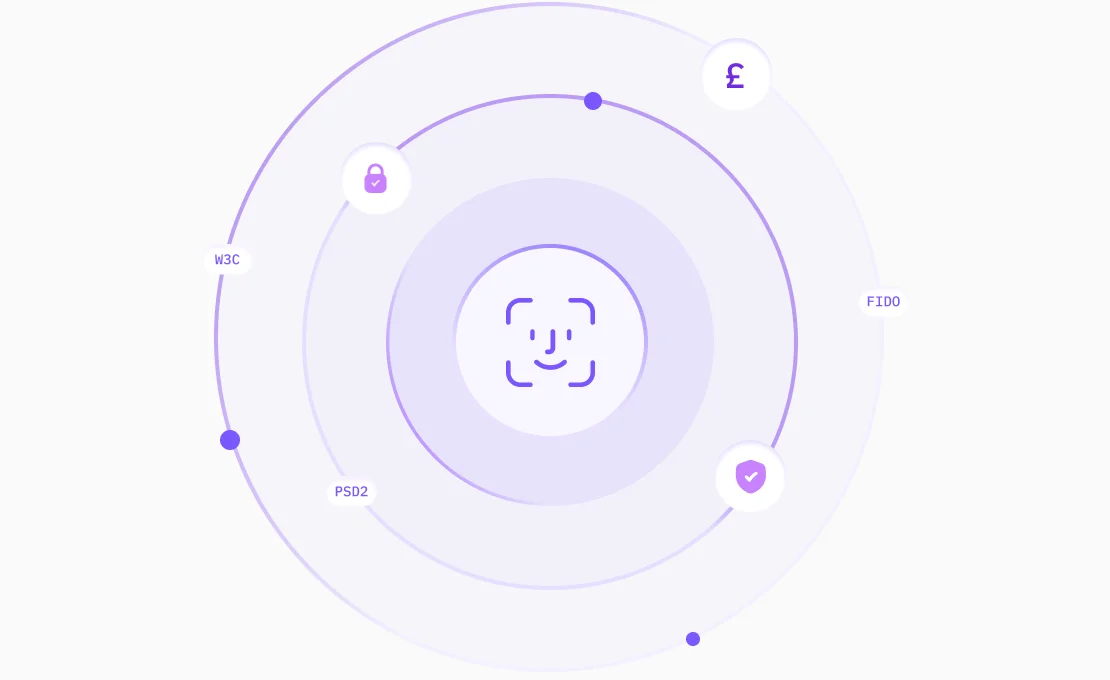
Jointly launched by Visa, Mastercard, American Express, and Discover, Click to Pay delivers a unified and agnostic payment experience, allowing users to save their cards in a single place and access them at any merchant with Click to Pay enabled. An extra authentication layer called Passkeys can be added. With a simple facial authentication, the transaction becomes 100% secure and chargeback liability shifts to the issuing bank.
Global wallets: PayPal, Alipay, and WeChat Pay
For businesses with cross-border operations, PayPal (400M+ accounts), Alipay (1.4B users), and WeChat Pay (900M+ users) are essential. Each dominates in specific markets and is critical for anyone looking to sell globally.
How do digital wallets work?
The payment process with a digital wallet is straightforward from the user’s perspective, but involves layers of sophisticated technology behind the scenes.
In-store payments: The user unlocks their device (via biometrics or PIN), selects the payment method, and taps their smartphone or wearable near the terminal. The transaction completes in seconds, with no physical contact.
Online and in-app payments: The customer selects the digital wallet at checkout, authenticates with biometrics or a password, and the payment data is transmitted automatically. No need to type card numbers, expiration dates, or CVVs.
The technologies that make this possible include:
NFC (Near Field Communication): The most common technology for contactless payments. It enables communication between the mobile device and the payment terminal without physical contact.
QR Codes: Extremely popular in Brazil (especially with Pix), QR codes allow payments to be initiated by scanning a code with the phone’s camera. There are static QR codes (fixed, like those in physical stores) and dynamic ones (generated per transaction).
MST (Magnetic Secure Transmission): Emits an encrypted signal that simulates the magnetic stripe on physical cards, enabling compatibility with older terminals.
Security: tokenization, NFC, and biometrics
Security is perhaps the most underestimated aspect of digital wallets - and also the most critical for payments decision-makers.
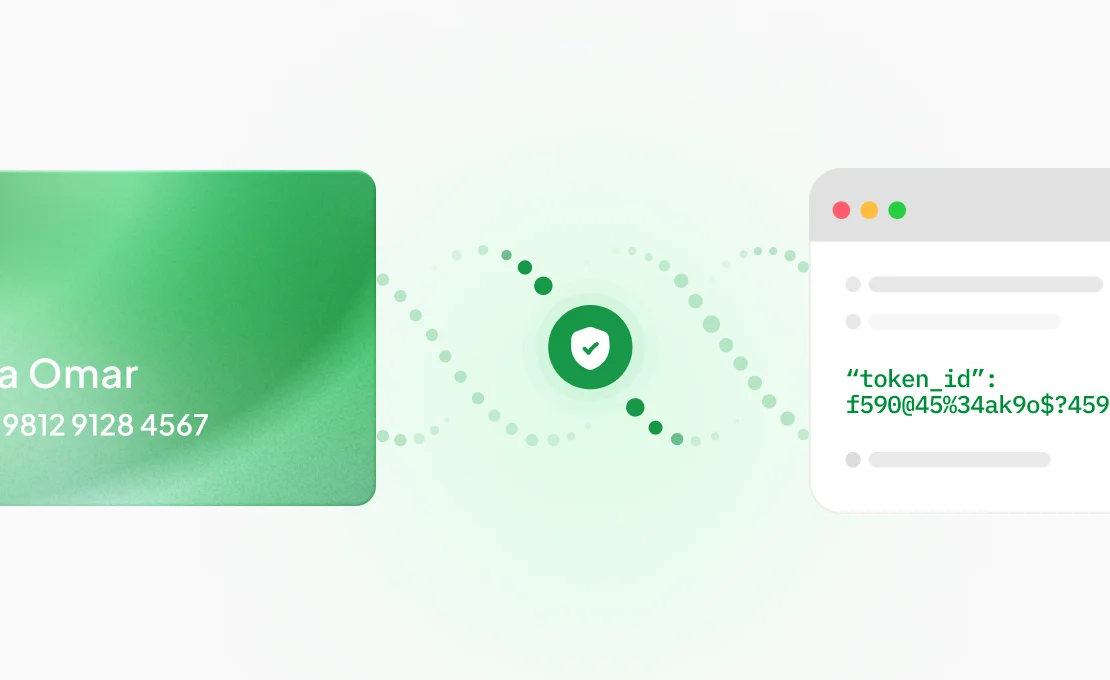
Tokenization is the central pillar. When you add a card to a digital wallet, the actual card number (PAN) is replaced by a token - a unique, randomly generated, device-specific code. This token is what travels during the transaction, never the actual card data. Even if there is a data breach at the merchant, the card information remains protected.
Beyond tokenization, digital wallets employ biometric authentication (facial recognition, fingerprint), end-to-end encryption, and unique transaction codes. The result? Digital wallet payments are currently the most secure payment method available.
For businesses, this translates to fewer frauds, fewer chargebacks, and lower operational security costs. Network tokenization in particular ensures continuity: even when a physical card is replaced due to loss or expiration, the token can be automatically updated by the card networks, preventing disruptions in subscriptions and recurring payments.
Benefits for businesses accepting digital wallets
Reduced checkout friction: Every second counts at checkout. Digital wallets eliminate manual data entry, multiple authentications, and redirections that cause cart abandonment.
Increased conversion: By simplifying the payment process, digital wallets convert more customers - especially on mobile, where 61% of Brazilian online purchases already happen via smartphone.
Advanced security: Tokenization reduces fraud and chargebacks, generating direct savings for the business.
Rapid adoption: With over 4.5 billion users globally as of 2025, digital wallets represent more than 50% of online purchases worldwide. In Brazil, the growth trend is accelerating rapidly.
Mobile-first experience: 89% of Brazilians already use their phones to pay in physical stores. Offering digital wallets means meeting consumers where they already are.
The real challenge: managing multiple wallets at scale
This is where the conversation shifts from the consumer to operations. For payments decision-makers, the challenge is not understanding that digital wallets matter - it is managing them at scale.
Each wallet has its own integration, its own authentication flow, its technical particularities, and its fees. Multiply that by multiple PSPs (payment service providers), add local and global wallets, and you have an ecosystem that quickly becomes complex to operate.
The concrete problems include: fragmented integrations with multiple PSPs and wallets, difficulty routing transactions to the processor with the best approval rate or lowest cost, lack of unified visibility into each payment method’s performance, manual reconciliation across different providers, and inability to react quickly to failures from a specific PSP.
This is exactly the problem that payment orchestration solves.
How payment orchestration solves this complexity
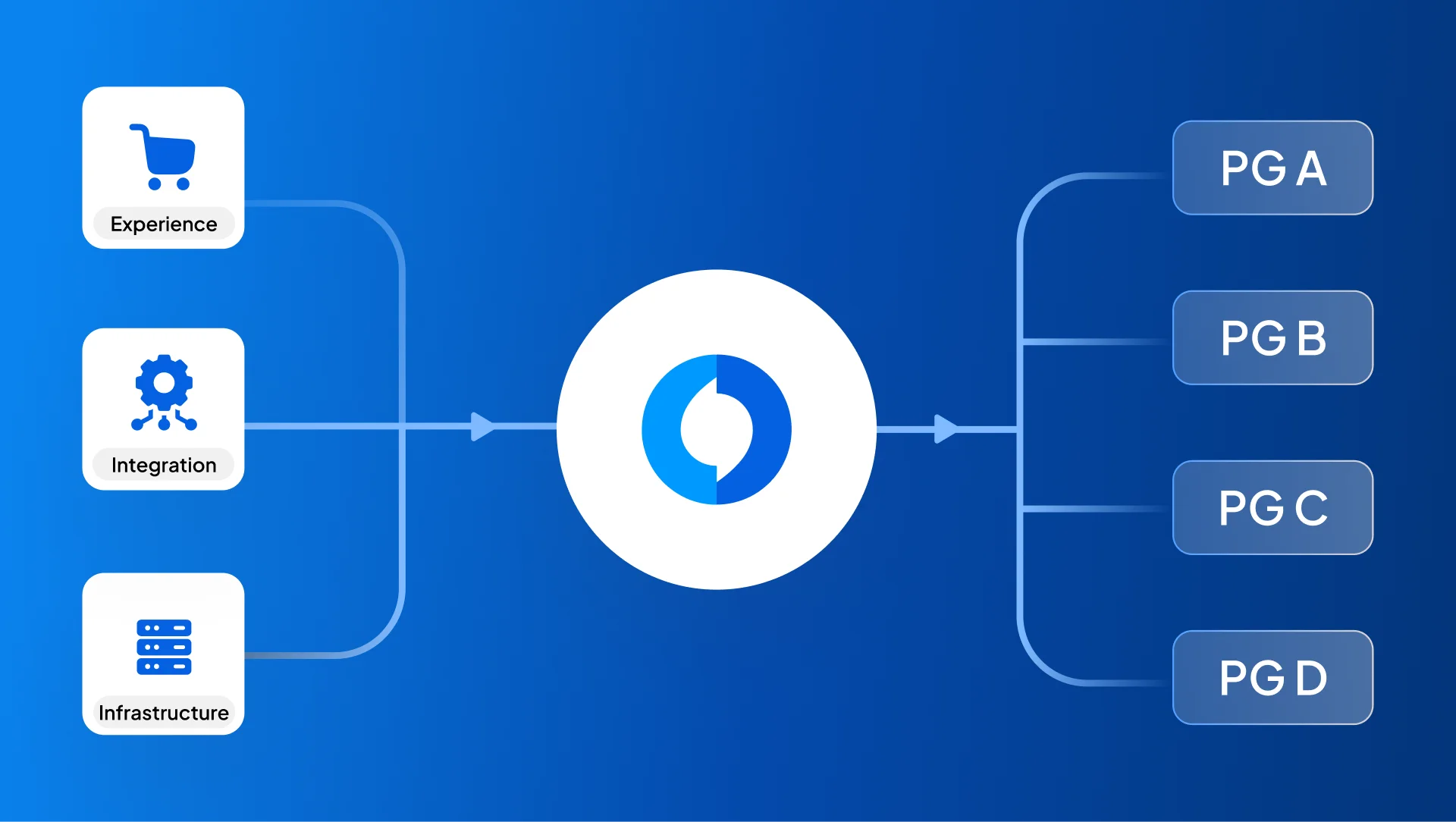
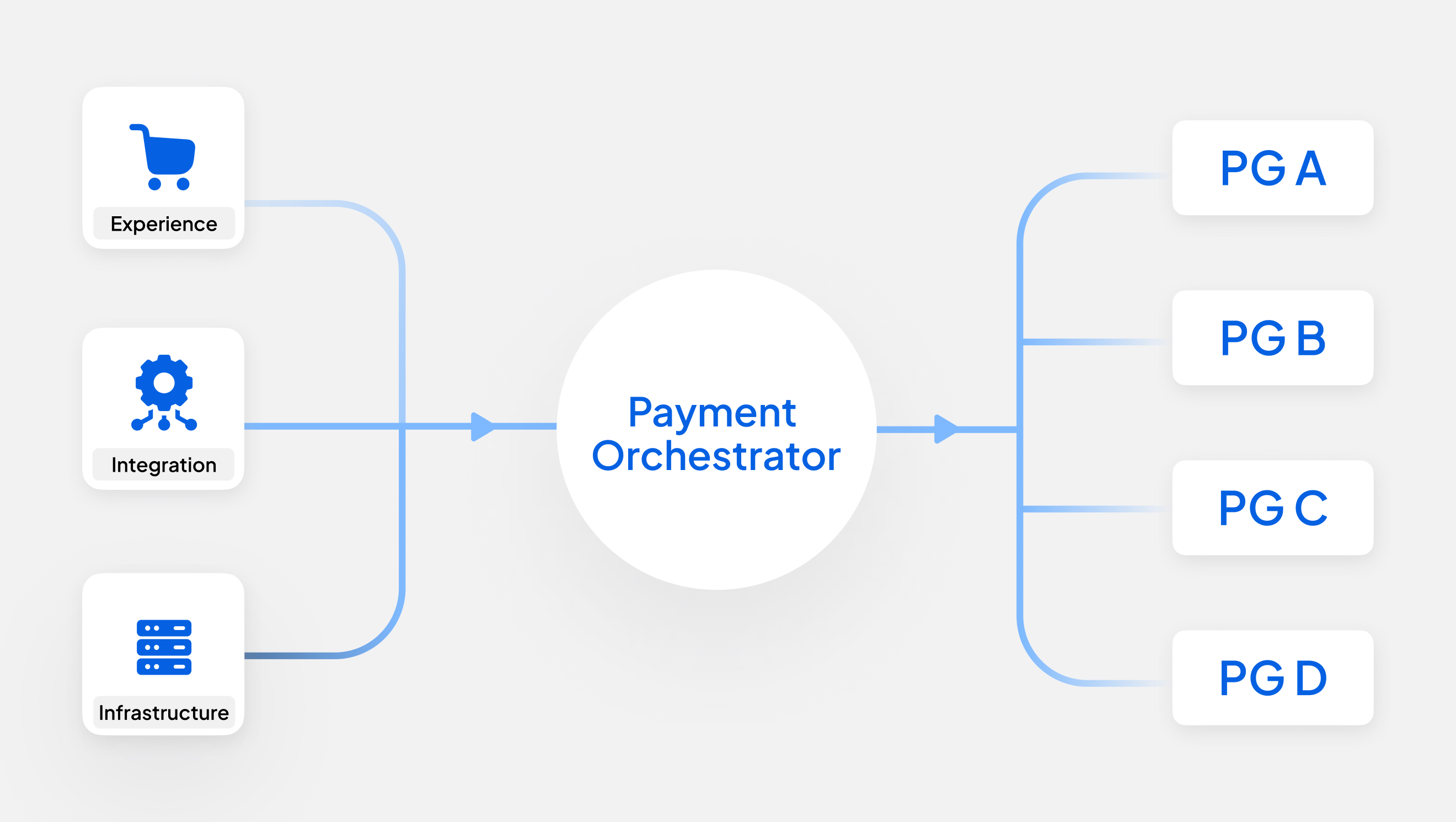
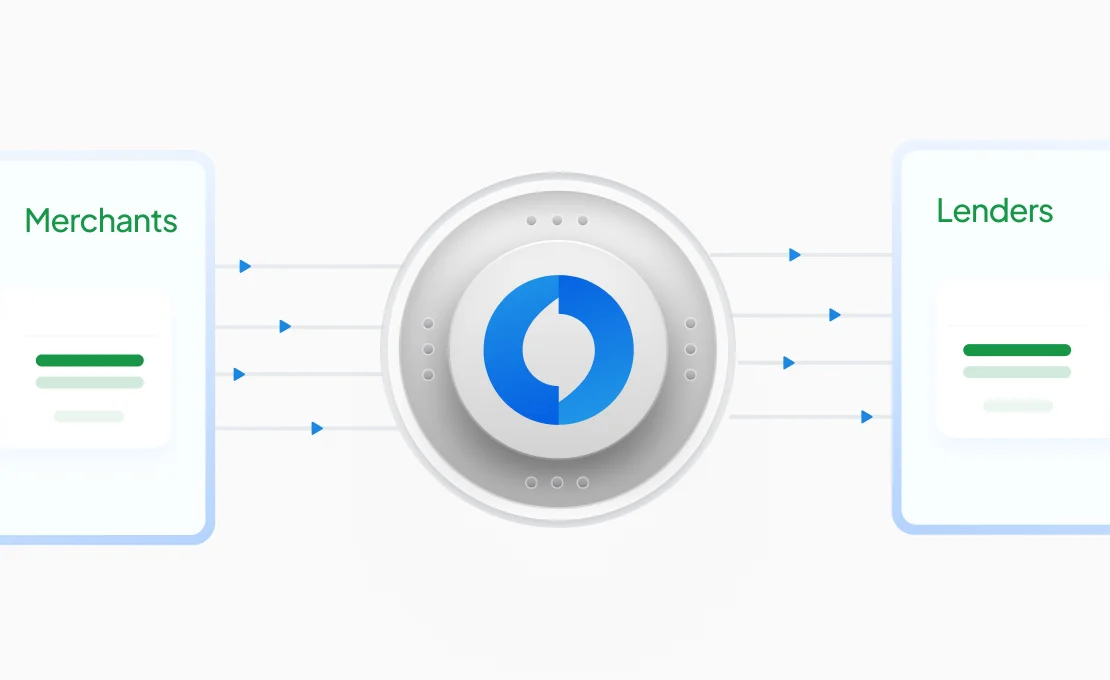
Payment orchestration is an infrastructure layer that connects to a company’s payment stack, providing a unified interface to manage the entire lifecycle of a transaction - from checkout to reconciliation.
Juspay operates as a global payments operating system, processing over 300 million transactions daily with 99.999% uptime. With an office in São Paulo and a dedicated Latin American operation, the platform addresses the specific challenges of scaling payments in the region.
Here is how this works in practice:
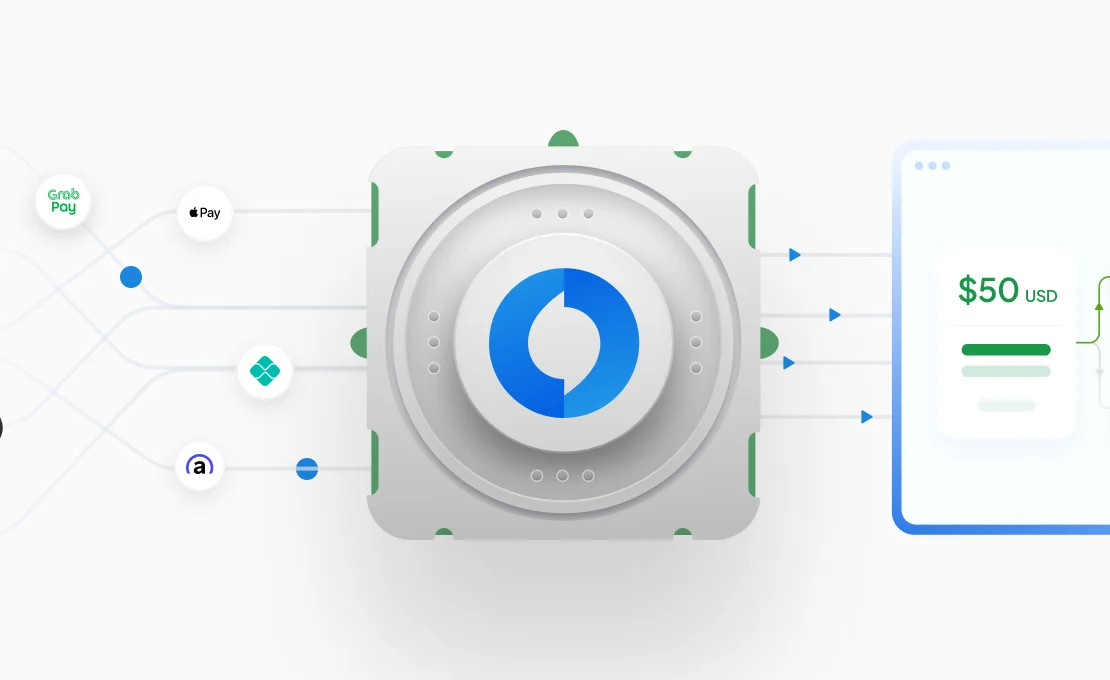
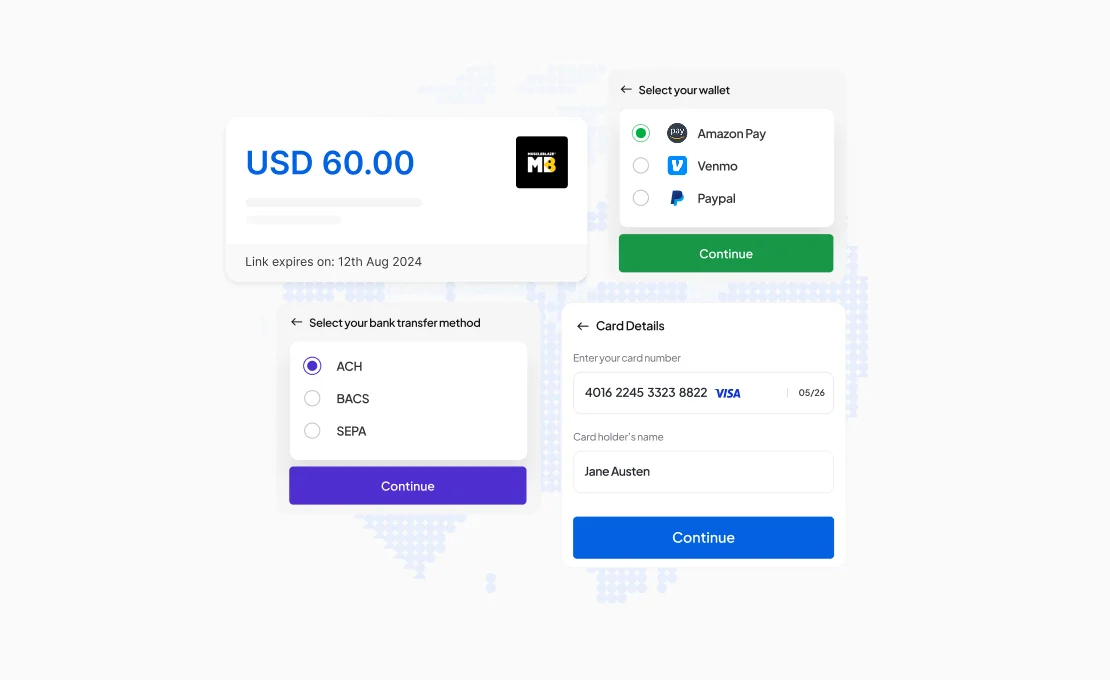
One integration, all wallets: Instead of building and maintaining separate integrations with Apple Pay, Google Pay, PicPay, Mercado Pago, NuPay, and others, Juspay offers no-code connections to 300+ PSPs and local payment methods. A single API to connect everything.
Intelligent routing: The platform automatically routes each transaction to the PSP with the highest approval probability, lowest cost, or best performance at that moment. Predictive routing algorithms analyze acceptance rates at a granular level, while dynamic routing monitors PSP health in real time.
Automatic fallback: If a processor fails, the transaction is automatically redirected to a secondary PSP, invisible to the customer.
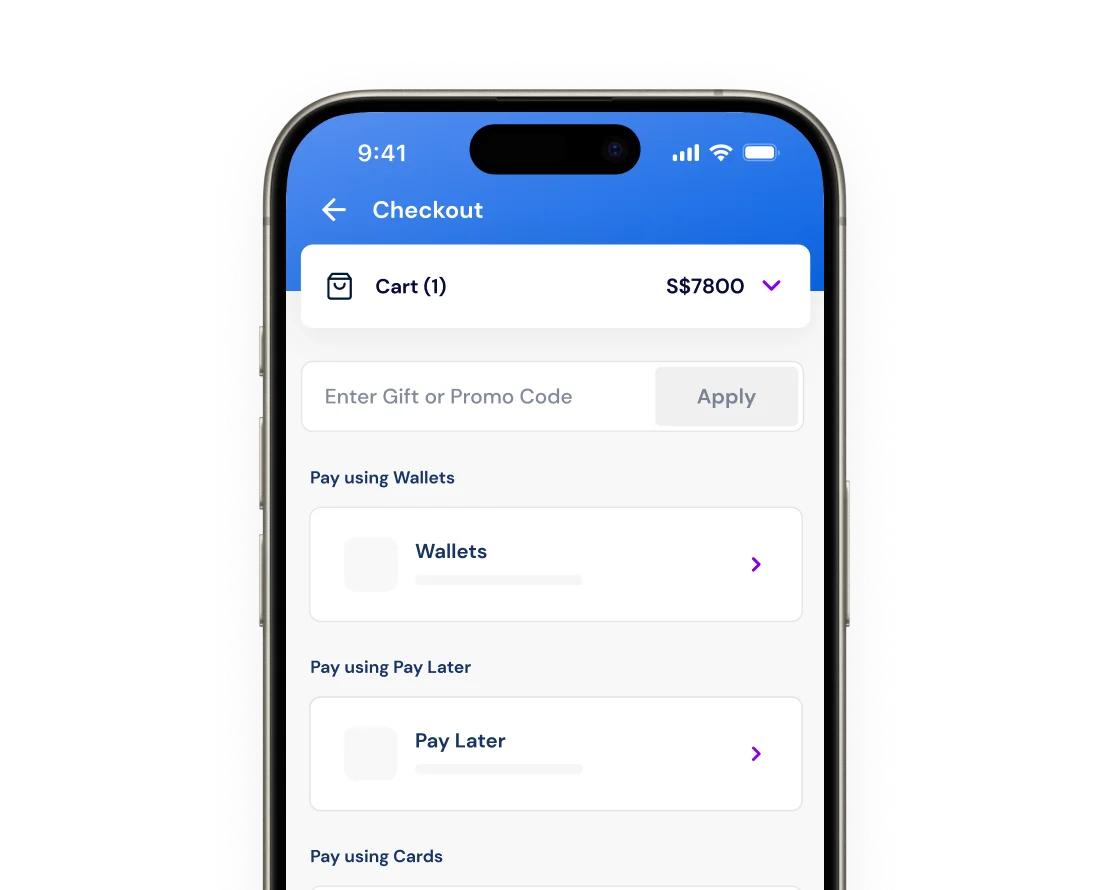
Native, customizable checkout: A no-code checkout experience adapted for each market. For returning users, preferred payment methods are surfaced automatically, enabling one-click checkout.
Cost observability: Full visibility into processing costs, with breakdowns by card network, interchange fee, and acquirer. One dashboard to audit, observe, and optimize every cent.
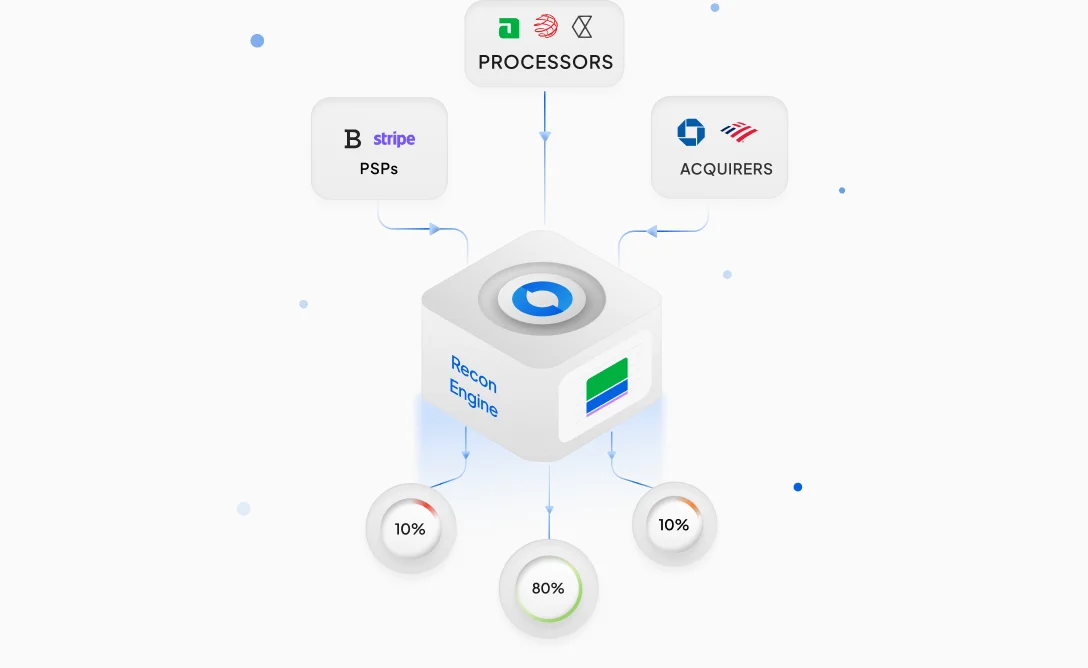
Unified reconciliation: Automated three-way reconciliation across your payment data, PSPs, and banks, eliminating manual processes and errors.
Tokenization and vault: Secure credential storage with network tokenization, ensuring PCI DSS 4.0 compliance and continuity for recurring payments.
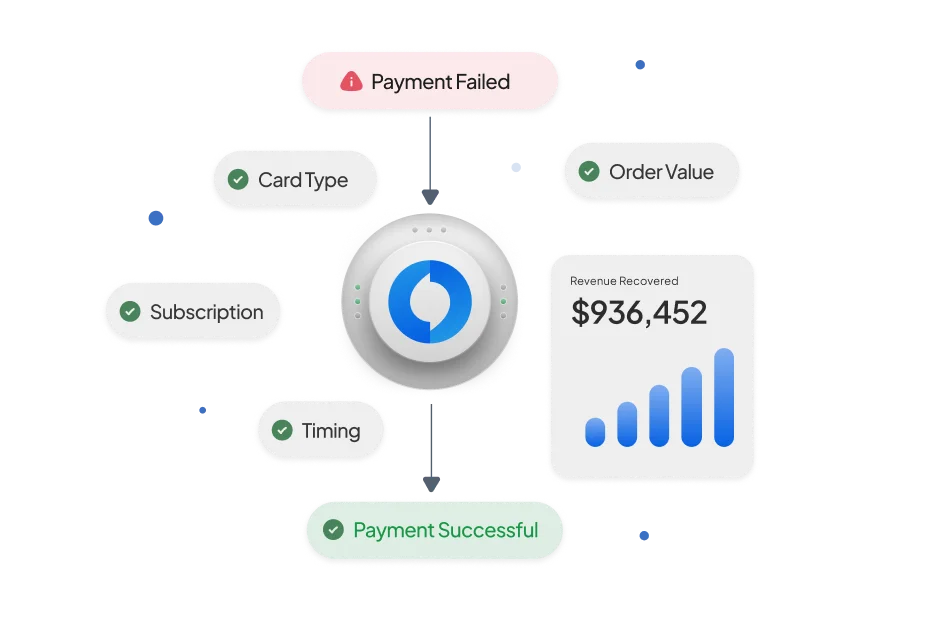
Revenue recovery: An intelligent retry engine configured with 30+ parameters (decline codes, error type, card BIN, region, and more) to recover transactions that would otherwise be lost.
Comparison: direct management vs. payment orchestration
| Aspect | Direct management | With orchestration (Juspay) |
| Integrations | One per PSP/wallet | One API, 300+ connections |
| Routing | Static or manual | Dynamic with ML |
| Fallback | Manual configuration | Real-time automatic |
| Cost visibility | Fragmented per PSP | Unified dashboard |
| Reconciliation | Manual | Automated 3-way |
| Time to go-live | Weeks/months per PSP | Days (no-code) |
Conclusion
Digital wallets are no longer a trend - they are the reality of payments in Brazil and Latin America. Google Pay, Apple Pay, Mercado Pago, PicPay, NuPay, and Click to Pay are already part of the everyday Brazilian consumer experience. The challenge for businesses now is operational: how to manage this diversity of wallets and PSPs without losing efficiency, visibility, or margin.
Payment orchestration solves this equation. And for those who need a global solution with local depth, Juspay delivers exactly that: a single platform that connects all payment methods, optimizes routing in real time, and gives the payments team the control and visibility they need to scale.
Want to learn how Juspay can help optimize your payment operations in Brazil? Talk to our team.