












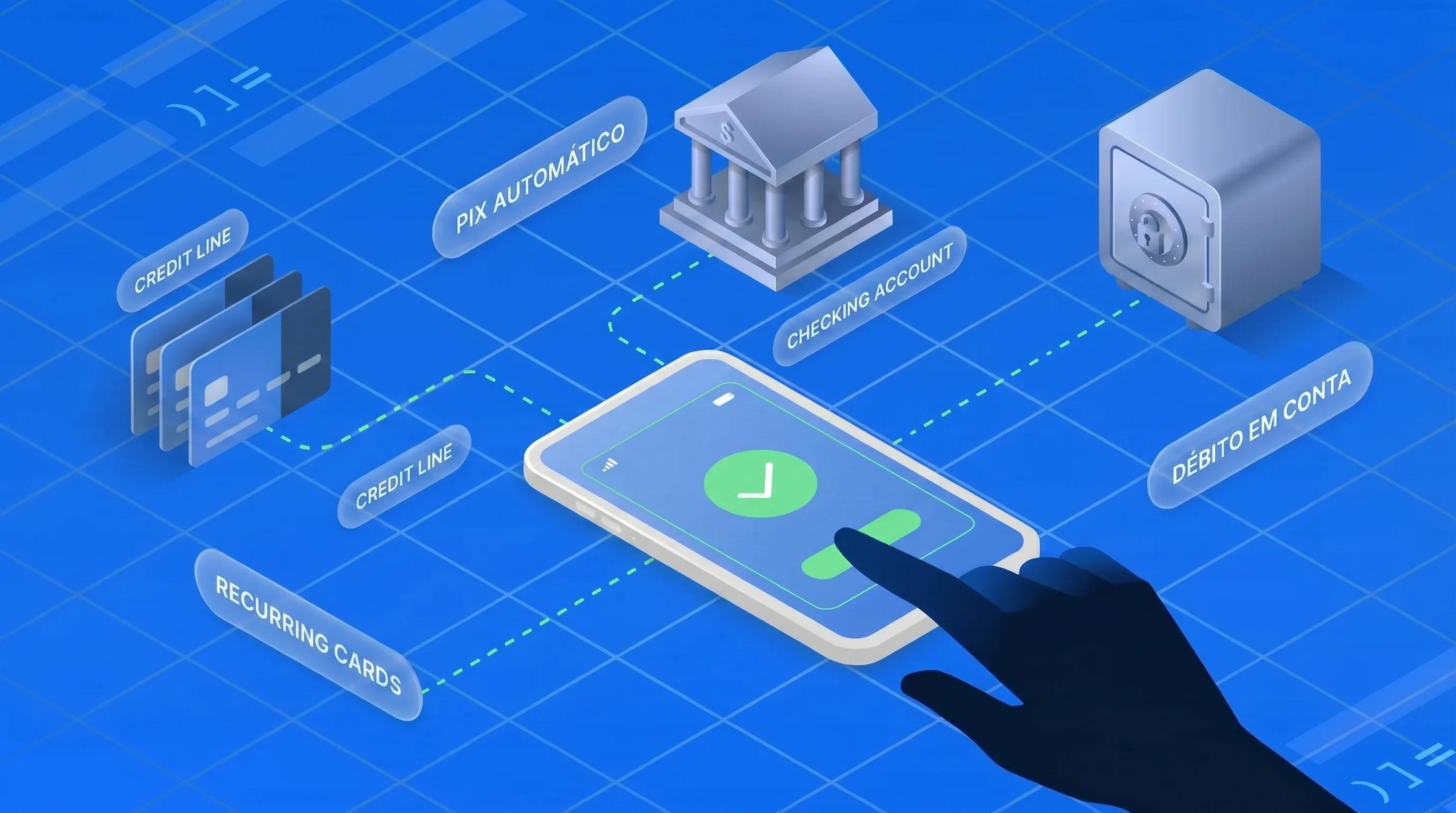
Pix Automático, recurring card payments, and débito em conta all charge a customer on a schedule without manual action, but they diverge at two layers: where the funds come from, and where the authorization lives. Recurring cards pull from a credit line through the card networks. Débito em conta pulls from a checking account through a per-bank agreement. Pix Automático, launched by Banco Central do Brasil (BCB) on June 16, 2025 and mandatory for payer-side institutions since October 2025, pulls from a checking account through a standardized consent stored in the payer's banking app. Each rail fails for different reasons, which is why the rail you pick is a retention decision before it is a cost one.
How each recurring rail actually works
The three rails are not three versions of the same thing. They differ in the funding source they draw on and in where the mandate (the customer's standing authorization) is stored and enforced.
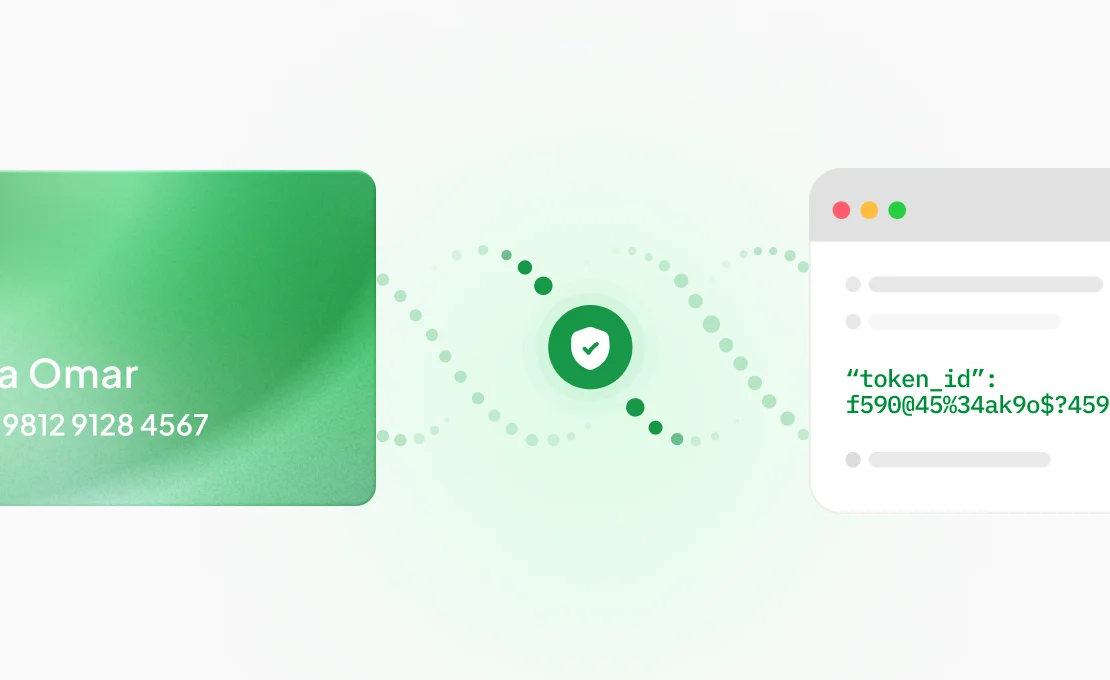
Recurring card payments (recorrência no cartão): The merchant or its payment provider stores your card details as a secure token and sends a fresh charge request to the card network on every billing cycle. The funds are drawn from your credit limit, or from your bank account if you pay with a debit card. Your card issuer makes the approve-or-decline decision on each charge, which means the merchant has no way of knowing in advance whether your card has expired or whether you have enough credit available. When a dispute arises, it is handled as a chargeback under the card network's rules and it is the merchant, not the customer, who bears the liability.
Débito em conta (direct debit / débito automático): The biller signs a bilateral agreement called a convênio directly with each bank, and the bank then deducts payments from the customer's checking account on a recurring schedule. Setting up one of these agreements with every bank involves considerable cost and effort, which is why, historically, only large businesses like utilities and insurance companies have been able to make this work at scale. The customer's authorization for these payments is stored inside each individual bank's legacy direct-debit system rather than in a single, standardized place - which is why it is difficult to get a clear view of all active debits, and why cancelling one is rarely straightforward.
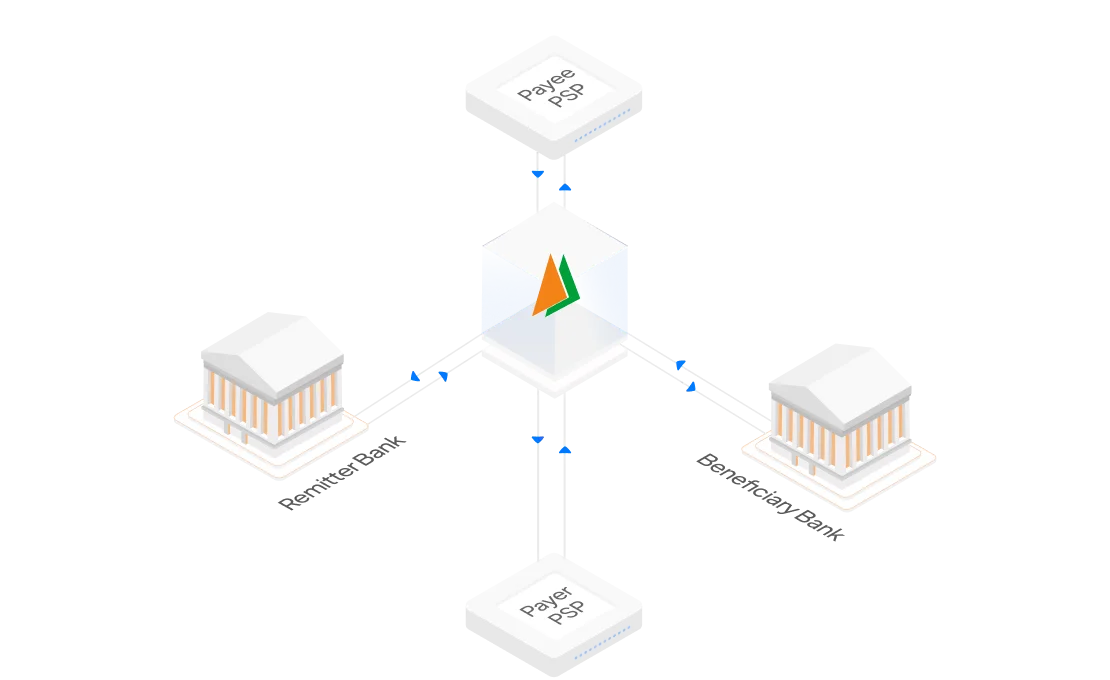
Pix Automático: The customer gives their consent once, inside their own bank app or internet banking, and the business can then initiate charges automatically against that authorization. Each payment is pulled instantly from the customer's checking account, directly bank to bank, with no need for a separate agreement between the business and the customer's bank. The service is free for the person paying. Brazil's central bank (BCB) sets a uniform retry rule: if a charge fails, up to three more attempts can be made across a seven-day window. There are no chargebacks, and disputes are handled through the MED (Mecanismo Especial de Devolução), which is Pix's own dedicated refund mechanism. The customer can cancel or modify their authorization directly inside their bank app at any time, right up until 23h59 on the night before a scheduled charge.
Pix sits underneath all of this at an enormous scale. Pix processed more than R$26 trillion (about US$4.6 trillion) in 2024, according to Banco Central do Brasil data reported by Reuters, having already overtaken cash, debit, and credit cards as Brazil's leading payment method.
Side-by-side: the differences that change your billing outcome
The table below maps the dimensions that actually move retained revenue, not just feature lists.
| Dimension | Recurring cards | Débito em conta | Pix Automático |
| Funds source | Credit line (or debit account) | Checking account | Checking account |
| Where the mandate lives | Card-on-file at merchant/PSP | Per-bank convênio (agreement) | Standardized consent in payer's bank app |
| Who owns the retry logic | PSP/acquirer dunning + network rules | Each bank, individually | BCB rule: up to 3 retries in 7 days |
| Dispute mechanism | Chargeback (merchant liability) | Limited bank reversal | MED (Mecanismo Especial de Devolução), no chargeback |
| Cost to the biller | Card scheme + acquiring fees | Convênio + per-debit fee | Pix fees, materially lower per transaction |
| Cost to the payer (individual) | None directly | None directly | Free by regulation |
| Typically fails when | Card expires, no limit, issuer fraud decline | Convênio(agreement) breaks, account empty | Checking account empty on the charge date |
| Onboarding friction for billers | Acquirer contract | Bilateral convênio per bank | Single integration, reaches all Pix banks |
The cost gap is real but secondary. PagBrasil estimates a Pix transaction can be, on average, up to 14 times cheaper than credit-card processing for recurring charges. That matters only conditional on the charge succeeding, which is payer-dependent, not rail-dependent.
Where the mandate lives is the real difference, not the rail speed
The most consequential difference between these rails is not how fast money moves. It is where the standing authorization is stored and who can act on it. This is a boundary that most teams blur.
Card recurring owns the credential and the dunning logic at the provider layer, while the issuer owns the approve-or-decline decision and the credit line. The biller decides when to retry; it never controls whether funds exist. Pix Automático inverts the consent location: the mandate and its per-charge limits live in the payer's bank, and the BCB rail owns the retry window. The biller owns when to charge within the mandate, not whether the account has funds.
Débito automático's mandate lives inside each bank's convênio, so there is no portable, standardized consent object. That is precisely why a customer who switches banks has to re-establish every direct debit from scratch. Pix Automático's mandate is registered at the rail level, visible and cancelable from one place. These are two fundamentally different systems, and mixing them up is what leads teams to assume Pix Automático is just débito automático with a Pix label on it. It is not. With Pix Automático, the customer's authorization is stored in a single standardized format, stays with them regardless of which bank or business they are dealing with, and can be updated or cancelled by the customer at any moment.
How each rail fails, and why that decides everything
Recurring revenue is lost less to customers who quit than to payments that quietly fail. Across subscription businesses, payment failures account for an estimated 20 to 40 percent of total churn, according to research from ProfitWell. These are customers who intended to stay and were dropped by a billing event, not a decision.
On cards, the failure is issuer-side. Reported recurring-card failure rates typically run between 5 and 18 percent, with Recurly's data suggesting an average near 13 percent, and more recent analysis putting average payment failure around 7.9 percent and as high as 14.7 percent in some sectors. Of those declines, an estimated 10 to 20 percent are hard declines, such as expired or reissued cards, which will not clear on retry. Account-to-account rails, by contrast, can drive failure rates as low as 0.5 percent because there is no card to expire.
Pix Automático does not remove failure; it relocates it. The charge fails when the checking account is empty on the charge date. The BCB-defined three-retries-in-seven-days window helps, but only if money lands in the account inside that window.
The migration trap: switching rails moves the failure mode, it does not remove it
This is the failure mode teams hit most often. If you migrate a subscription base from card-on-file to Pix Automático and keep the same fixed billing date, you trade one failure cause for another. A credit line has a cushion: a low-balance day rarely sinks a card charge because the limit absorbs it. A checking account has no cushion. Debit it on a date misaligned with the payer's payday and the charge fails against real money, and the three-retry window may not rescue it if the account stays empty all seven days. The fix is not "pick the better rail." It is to align the mandate's charge date to the payer's cash cycle and set a per-charge limit so a variable bill, a utility spike, for example, does not silently fail or alarm the payer into cancelling the mandate.
The counterargument: "Pix Automático is cheaper and instant, so move everything to it"
The strongest objection is that Pix Automático settles instantly, costs a fraction of card processing, carries no chargeback risk, and reaches roughly 60 million Brazilians who have no credit card (BCB estimate). All true. But cost per transaction is not the same as retained revenue per cohort. A payer with no balance discipline churns faster on a checking-account rail than on a credit card with a cushion. A payer without a credit card cannot be on cards at all. A legacy utility customer may have a working débito automático that is cheaper to leave in place than to migrate. The rail's economics only apply when the charge succeeds, and whether it succeeds depends on the payer, not the rail. Standardizing everyone onto the cheapest rail optimizes the unit cost of the charges that work while quietly increasing the count of charges that do not.
The answer is orchestration, not selection
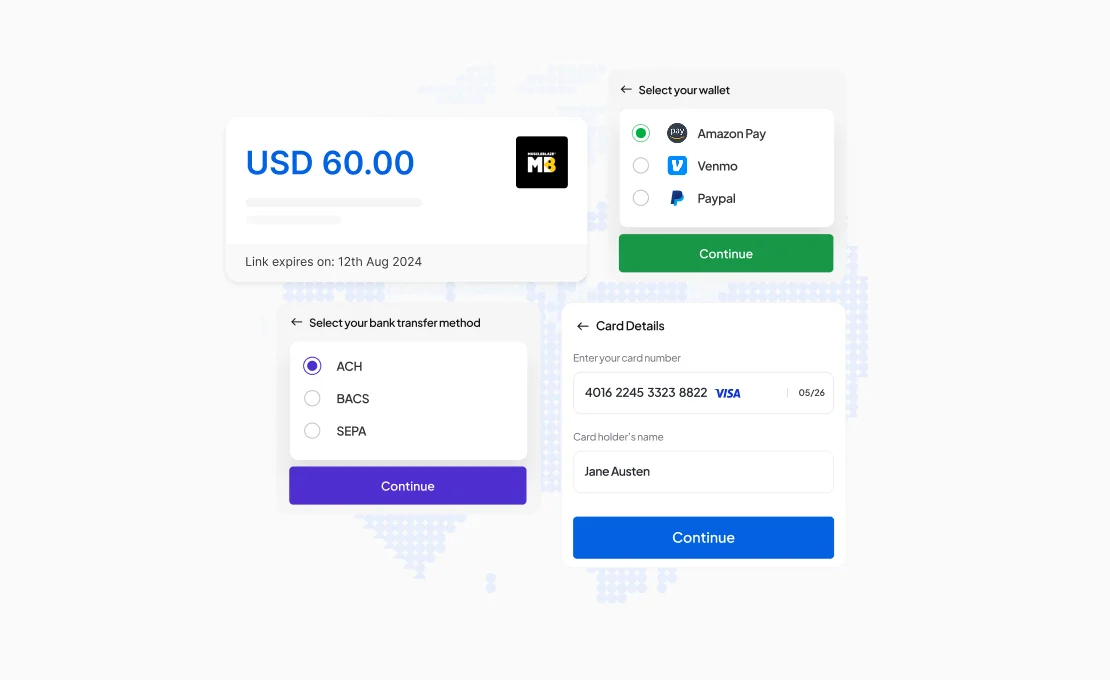
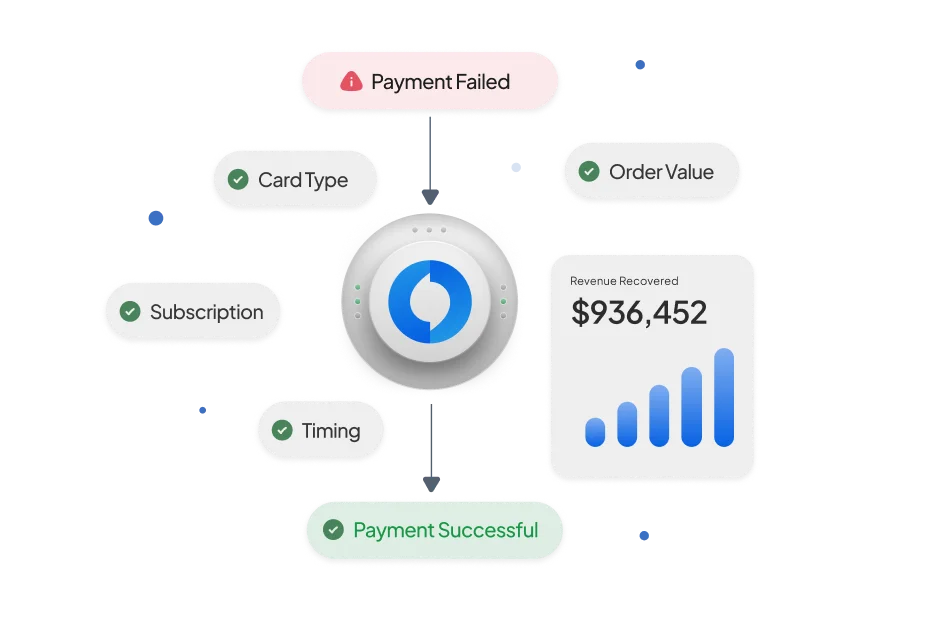
The best strategy for retaining recurring revenue is not to pick one payment rail and stick with it. Instead, match each customer to the rail that suits them best, and if a charge fails on one rail, automatically try the next. Customers who rely on a credit card buffer go on cards. Customers who are cost-conscious or do not have a credit card go on Pix Automático. Long-standing utility relationships stay on débito em conta. And when a card charge gets declined, the system rolls it over to a Pix Automático attempt rather than leaving it stuck in a dunning queue.
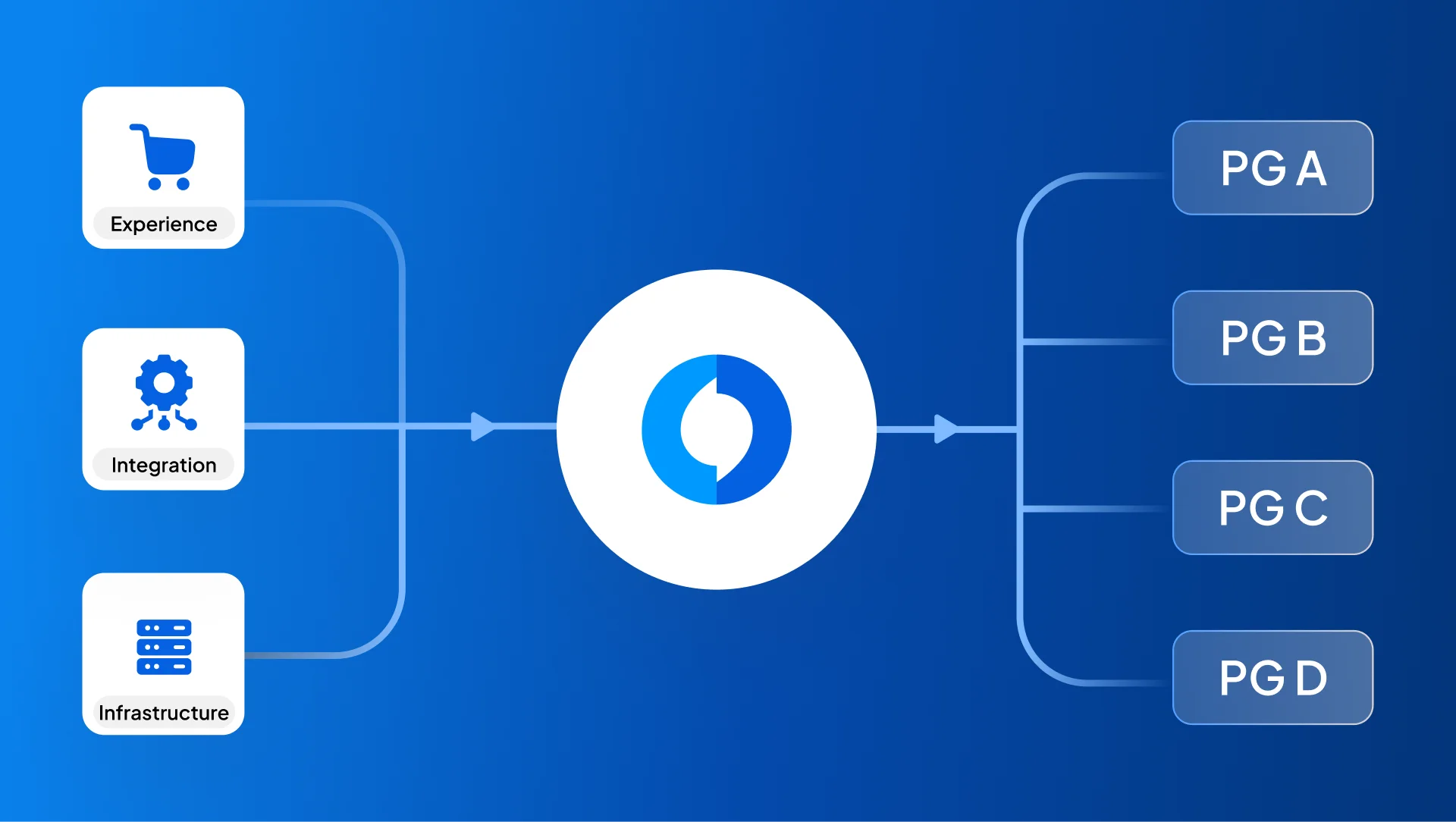
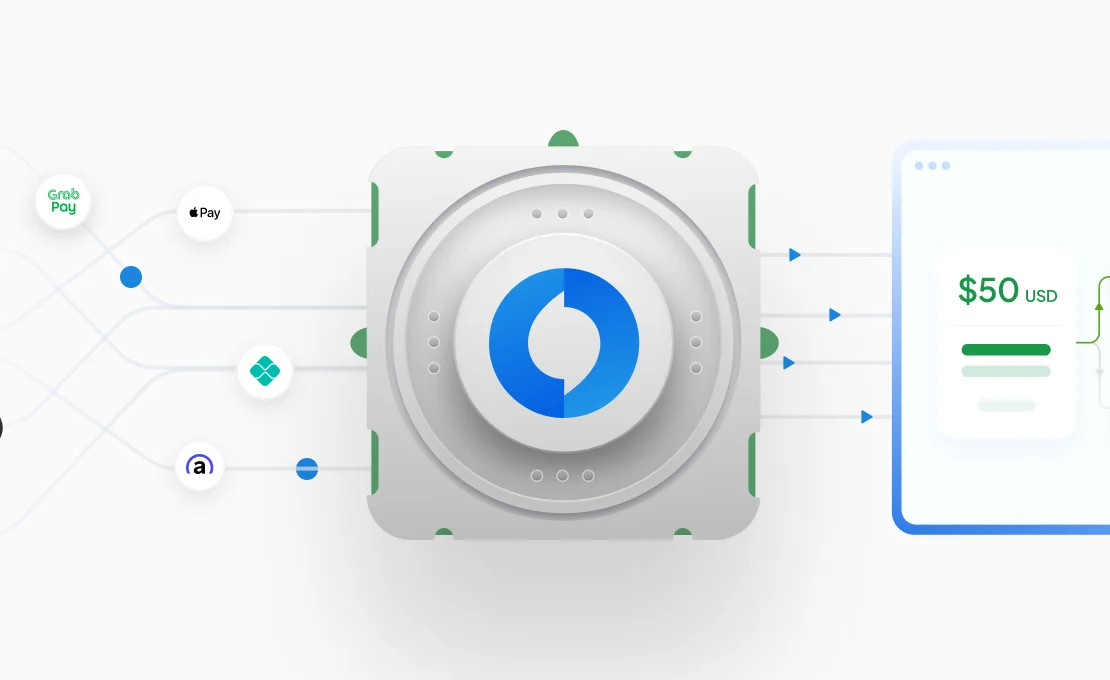
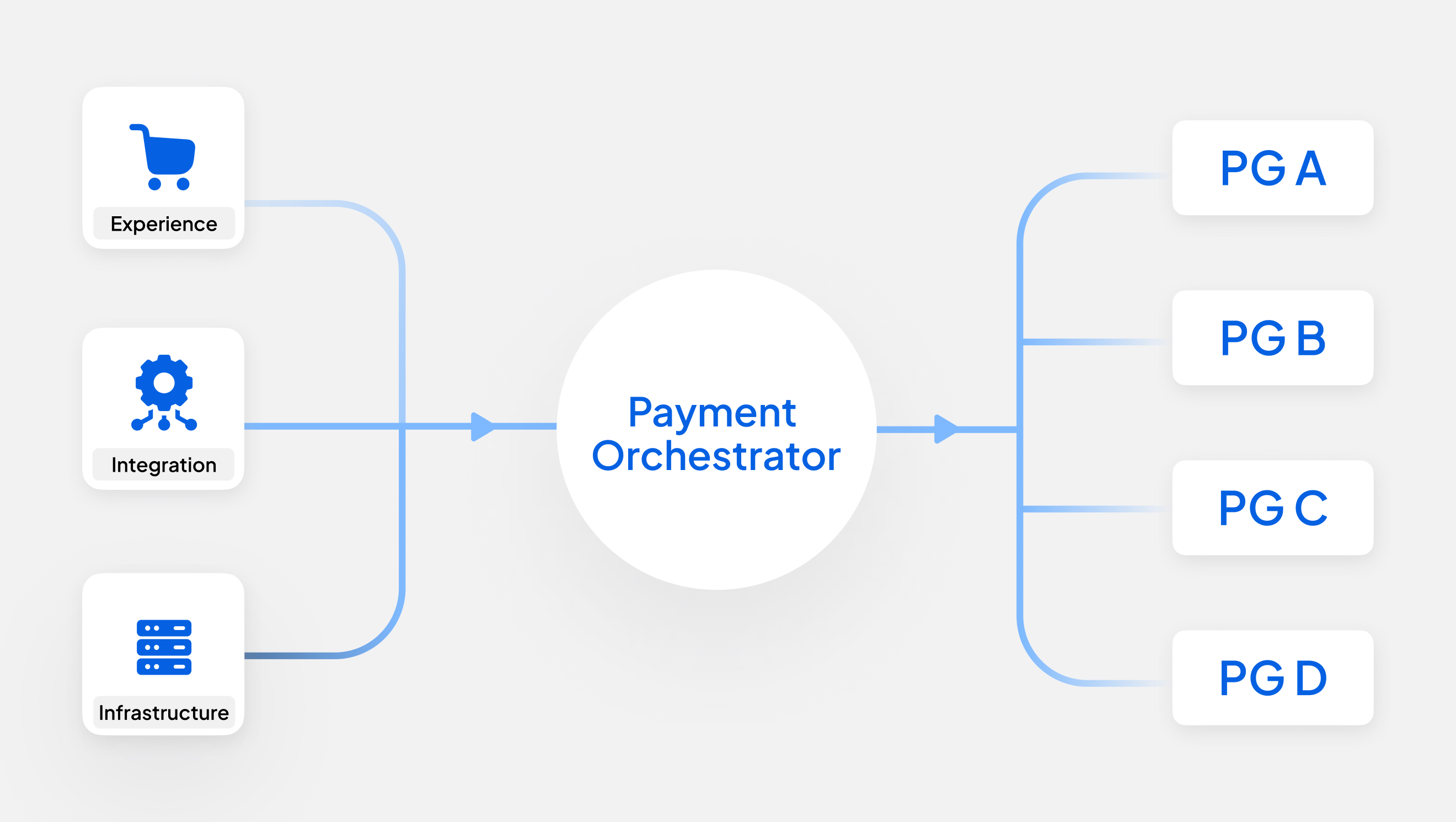
This is exactly what a payment orchestration layer does. Juspay sits above all the individual payment rails, holding the routing logic, so a business only needs to integrate once to reach card networks, Pix Automático, and direct debit through a single connection. Across the 150-plus countries where Juspay orchestrates payments, the same pattern shows up consistently: businesses that have more than one rail available retain significantly more recurring revenue than those locked into a single rail, not because any one rail is better, but because the routing between them is what does the work. Juspay's São Paulo team sees this most clearly in Brazil, where Pix Automático, cards, and débito em conta each perform best for a different type of customer, and the advantage comes from connecting all three.
A practical starting point: instead of grouping your subscribers by product tier, group them by how they actually fund their payments. Flag each active subscriber based on whether they have a credit card with a reliable available limit, a checking account that gets topped up regularly, or an existing débito automático agreement in place. Feed that segmentation into a routing rule with a fallback order, and set a maximum charge limit on each Pix Automático authorization. That single change will recover more failed charges than switching everyone to a new rail ever will.
Key takeaways
- Pix Automático, recurring cards, and débito em conta differ at two layers: the funding source (checking account vs credit line) and where the mandate is stored (rail-level consent vs card-on-file vs per-bank convênio).
- Pix Automático launched on June 16, 2025, became mandatory for payer-side institutions in October 2025, is free to payers, and uses a BCB-defined retry rule of up to three attempts in seven days.
- The real differentiator of Pix Automático is its standardized, in-app, cancelable consent object, not its speed. That is what separates it from débito automático, which both pull from a checking account.
- Payment failures cause an estimated 20 to 40 percent of subscription churn. Card recurring fails on issuer declines (5 to 18 percent typical); A2A rails can fail as little as 0.5 percent, but Pix Automático still fails on empty accounts.
- Migrating from cards to Pix Automático without re-timing the charge date moves the failure mode, it does not remove it.
- The retention-maximizing approach orchestrates across all three rails per payer segment and cascades on failure, rather than standardizing on the cheapest rail.
Frequently asked questions
What is the difference between Pix Automático and débito automático?
Both debit a checking account on a schedule, but the consent architecture differs. Débito automático requires a bilateral convênio with each bank and stores the mandate in that bank's legacy system, so it is hard to see or cancel. Pix Automático stores a standardized mandate in the payer's bank app, cancelable in-app until the day before a charge, and a biller reaches every Pix bank through a single integration.
Is Pix Automático cheaper than recurring card payments?
Yes, per transaction. PagBrasil estimates Pix can be up to 14 times cheaper than card processing for recurring charges, and Pix Automático settles instantly with no chargeback risk. The caveat: lower cost only applies to charges that succeed, and success depends on the payer's account balance, not the rail's price.
Does Pix Automático have chargebacks?
No. Pix Automático has no chargeback mechanism. Disputes resolve through the MED (Mecanismo Especial de Devolução), Brazil's special refund mechanism for Pix. Teams moving recurring volume from cards should not assume their card dispute and representment playbooks will port over, because the evidence flow and liability model are different.
Why do recurring card payments fail so often?
Recurring card charges fail on issuer-side events the merchant cannot control: expired or reissued cards, insufficient limit, and false fraud declines. Reported failure rates typically run 5 to 18 percent, with hard declines (uncoverable on retry) making up an estimated 10 to 20 percent of declines. This is the main driver of involuntary churn.
Can a business use Pix Automático, cards, and débito em conta together?
Yes, and for recurring revenue it is usually the strongest approach. Each rail wins a different payer segment: cards for customers who value the credit cushion, Pix Automático for cost-sensitive or cardless customers, débito em conta for legacy relationships. An orchestration layer routes each payer to the right rail and cascades to a backup rail when a charge fails.
When did Pix Automático launch and who has to offer it?
Pix Automático launched on June 16, 2025. Since October 2025, all institutions that offer transactional (payer) accounts must make it available. Institutions on the receiving (biller) side may choose whether to offer the collection service. It is free for paying individuals by regulation; billers can be charged fees.
How does Pix Automático handle variable bills like utilities?
The payer sets a per-charge limit when authorizing the mandate. A charge above the typical amount triggers an alert so the payer can review it, rather than being debited silently. For billers, this means a utility spike can fail or flag if it exceeds the mandate's ceiling, which is why setting the limit correctly at onboarding matters.