
















TL;DR
Pix Biométrico is Brazil's biometric authentication framework that lets users approve Pix payments with a fingerprint or face scan inside a merchant's app, with no redirects and no QR codes. Pix Automático is Brazil's new automated recurring payment standard, enabling subscription billing for 177 million Pix users including 60 million Brazilians without credit cards. Together, they form Pix 2.0. Merchants need a purpose-built orchestration layer like Juspay to implement both without rebuilding their payment stack every time the Central Bank releases a new specification.
What Are Pix Biométrico and Pix Automático?
Pix Biométrico is the Central Bank of Brazil's biometric authentication framework (officially the Jornada Sem Redirecionamento or JSR), launched February 28, 2025. It enables one-tap Pix payments using fingerprint or facial recognition directly inside a merchant's app, eliminating QR codes, app-switching, and copy-paste friction. Pix Automático, launched June 16, 2025, is Brazil's automated recurring payment standard, allowing merchants to charge customers on a schedule with a single upfront authorization. Together, the two flows are widely referred to in industry coverage as Pix 2.0, Brazil's next-generation payment infrastructure.
Brazil's Pix ecosystem is evolving faster than almost any payments market in the world. Since its 2020 launch, Pix has grown to 177 million users, 83% of Brazil's population, and now accounts for 51% of all payment methods in the country, according to the Central Bank of Brazil. In January 2026 alone, the system recorded more than 7 billion transactions, moving over R$3 trillion in a single month.
But the original Pix experience came with friction. Users had to switch to their banking app, scan a QR code, or copy-paste a code to complete a payment. For subscription businesses, there was no automated way to charge customers at all. Pix Biométrico and Pix Automático solve both problems.
For merchants, the question isn't whether to support these new flows. It's how to implement them quickly, reliably, and at scale.
How Does Pix Biométrico Eliminate Checkout Friction?
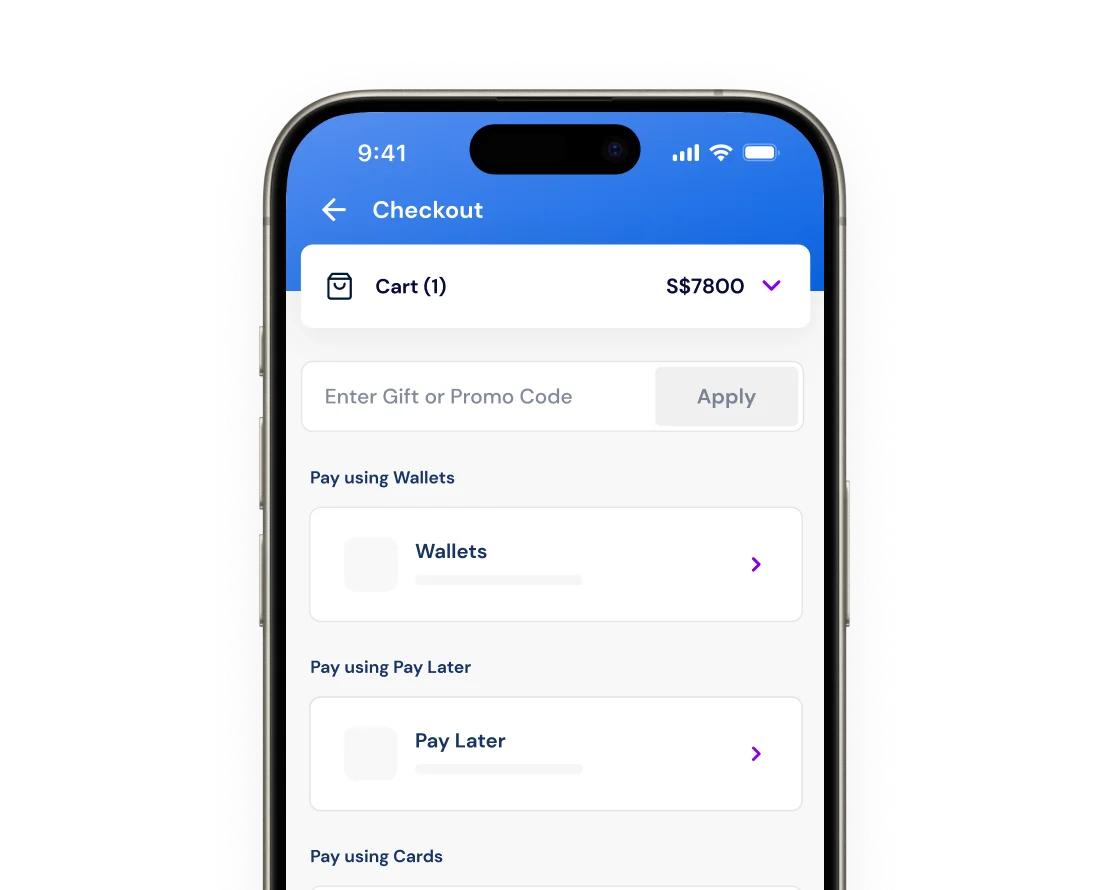
Pix Biométrico enables users to authorize Pix payments directly inside a merchant's app or website using facial recognition or a fingerprint scan, with no redirect to a banking app, no QR code, and no copy-paste step. The result is a checkout experience comparable to Apple Pay, with significantly higher conversion than traditional Pix flows.
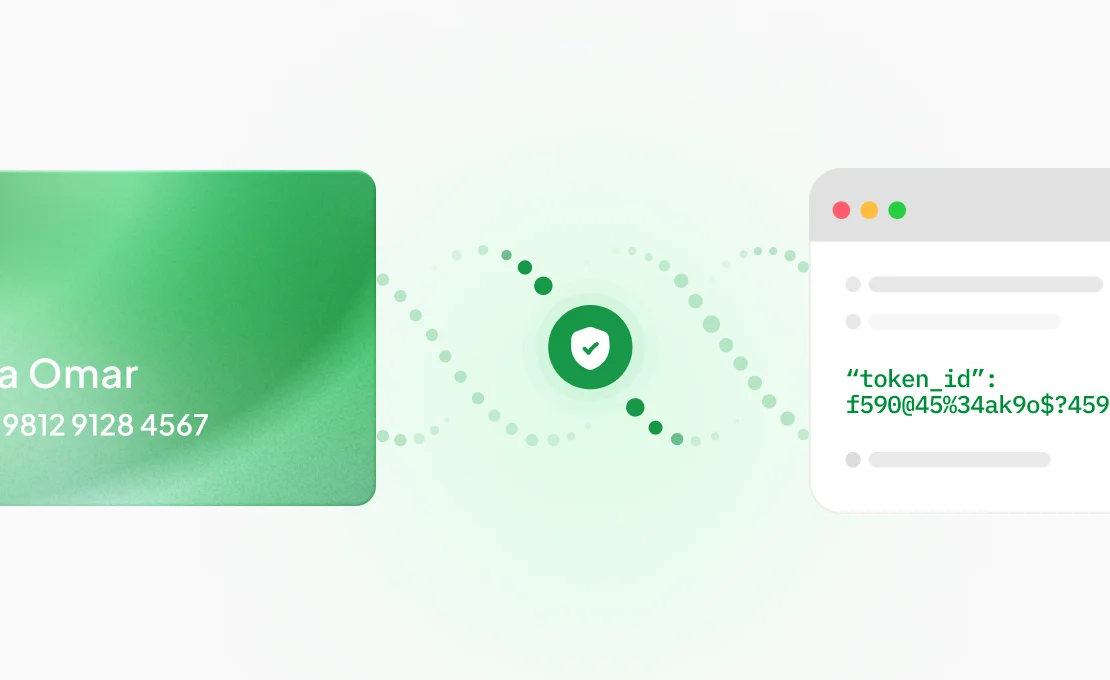
The technical foundation is device binding using public-private key cryptography. During a one-time setup, a user links their bank account to a payment initiator, typically a merchant app or digital wallet. A private key is securely stored in the device's secure element. The public key is registered with the bank.
For every subsequent transaction, the bank verifies a biometric-signed challenge using the stored public key. Only that specific device, unlocked by that specific user's biometric, can initiate a payment. This eliminates shared secrets and drastically reduces phishing risk.
Key capabilities of Pix Biométrico:
- One-tap payments after the initial one-time setup
- No app switching or QR scanning: authentication happens in-app
- Device binding: credentials are locked to a specific device and can be remotely revoked if the device is lost
- Automatic fallback: if biometric authentication encounters issues, transactions fall back to standard Pix, ensuring uninterrupted completion
- NFC support: the same framework supports tap-to-pay at POS terminals via Pix por Aproximação
Brazil's rising fraud challenge made this evolution urgent. In 2024, more than half of Brazilians reported being victims of financial scams, with fraudulent Pix QR codes accounting for roughly a third of cases. Pix Biométrico's device-bound keys eliminate the static QR code as an attack surface entirely.
How Does Pix Automático Work for Recurring Billing?
Pix Automático is an automated recurring payment feature built on the existing Pix infrastructure, enabling merchants to charge customers on a recurring schedule with a single upfront authorization and no manual action required for subsequent payments. It supports subscriptions, utility bills, memberships, tuition fees, and any other periodic obligation, across all Pix-participating banks and digital wallets.
As Ralf Germer, CEO at PagBrasil tells: "Pix Automático is the biggest thing being launched in Brazil after Pix itself, and we're getting to a completely different level of possibilities."
Here is how the flow works:
- Authorization request: The merchant's Payment Service Provider (PSP) creates a recurrence with payer and receiver information, payment schedule, start date, and debit amount (fixed or variable up to a declared maximum).
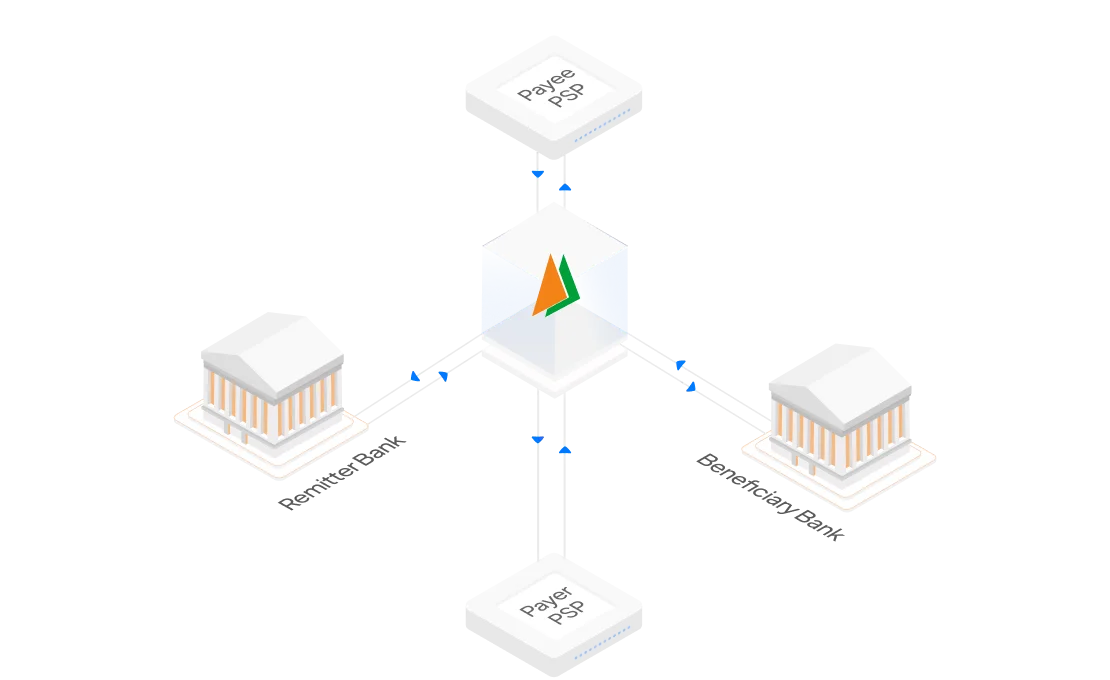
- Customer confirmation: The request travels through the Central Bank's infrastructure to the customer's bank or digital wallet. The customer confirms the recurring authorization in their mobile banking app.
- Automatic execution: Once activated, future payments are executed automatically on the scheduled dates: weekly, biweekly, or monthly, without any action from the customer or merchant.
- Customer control: Customers can cancel or modify their authorization at any time, up until 11:59 PM on the day before the next scheduled billing.
Why Pix Automático Opens a New Market
Approximately 60 million Brazilians do not have credit cards. They were previously locked out of subscription services, streaming platforms, SaaS tools, and any recurring billing model that relied on card-on-file. Pix Automático is available to any user with a bank account and Pix access, the same 177 million people who already use Pix daily.
The cost dynamics are equally compelling. While Pix Automático carries a slightly higher fee than a standard Pix transaction, it remains up to 14 times more cost-effective than credit card processing on a per-transaction basis, according to PagBrasil. Unlike card-based recurring billing, there are no failed payments due to expired cards, insufficient card limits, or card replacement cycles.
And unlike Brazil's legacy direct debit system (débito automático), Pix Automático requires no bilateral agreements between banks. It works universally across all Pix-participating institutions, from national banks to regional cooperatives and digital wallets.
According to PCMI data cited in EBANX's Beyond Borders 2025 study, Pix Automático could unlock over $30 billion in online recurring payments within two years of launch.
How Do Pix Biométrico and Pix Automático Work Together?
Pix Biométrico and Pix Automático are complementary, not competing innovations. Pix Biométrico optimizes one-time purchases through frictionless biometric authentication, while Pix Automático handles recurring billing through pre-authorized scheduled debits. Together, they form Pix 2.0, a payment infrastructure designed to match the UX of card-based systems while maintaining Pix's cost and inclusion advantages.
| Dimension | Pix Biométrico | Pix Automático |
| Primary use case | One-time e-commerce and in-app purchases | Recurring subscriptions, bills, memberships |
| Authentication | Biometric via device-bound keys | One-time upfront authorization |
| Customer friction | Near-zero: one tap after setup | Near-zero: no action after authorization |
| Fraud model | Phishing-resistant device-bound credentials | Authorization-controlled; customer can cancel |
| Merchant benefit | Higher conversion on individual purchases | Reduced churn, access to 60M cardless users |
| Launched | February 28, 2025 | June 16, 2025 |
For a streaming platform, the ideal architecture uses both. Pix Automático handles the monthly subscription billing automatically, while Pix Biométrico handles one-time in-app purchases like premium content or gift purchases, all within the same app, with no redirects.
For an e-commerce merchant, Pix Biométrico reduces abandonment at checkout by eliminating app-switching friction, while Pix Automático enables installment-plan subscriptions and loyalty program billing without relying on credit card credentials.
Why Can't Merchants Implement Pix 2.0 Without an Orchestration Layer?
Supporting Pix Biométrico and Pix Automático is not a simple configuration change. Each flow introduces distinct technical requirements that evolve as the Central Bank refines its specifications. Direct integrations against each bank's API translate to significant ongoing engineering overhead.
Pix Biométrico requires integration with the JSR framework. That means managing device-binding cryptography, handling public-private key pair generation, registering keys with partner banks, orchestrating fallback flows, and implementing remote revocation for lost devices. The API specifications continue to evolve.
Pix Automático requires implementing the recurrence creation and management layer. This includes building the consent flow, storing and managing recurrence state, sending payment instructions to payers' PSPs on scheduled dates, handling variable amounts within declared maximums, and managing customer-initiated cancellations.
Beyond technical complexity, there is an operational reality. The Central Bank has announced four additional Pix features in the pipeline beyond the June 2025 launch. Merchants who build direct integrations face ongoing engineering work every time the specification evolves.
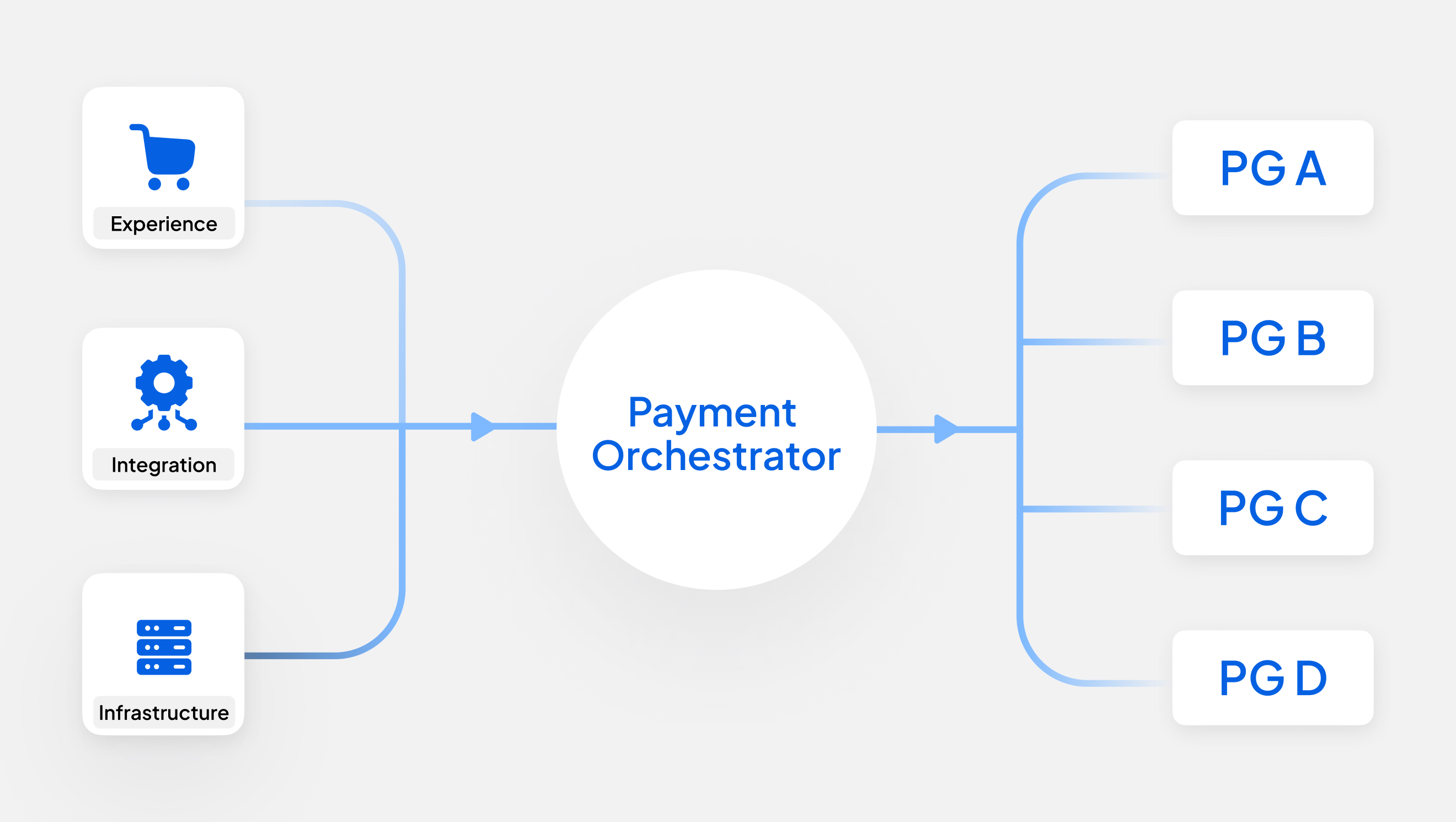
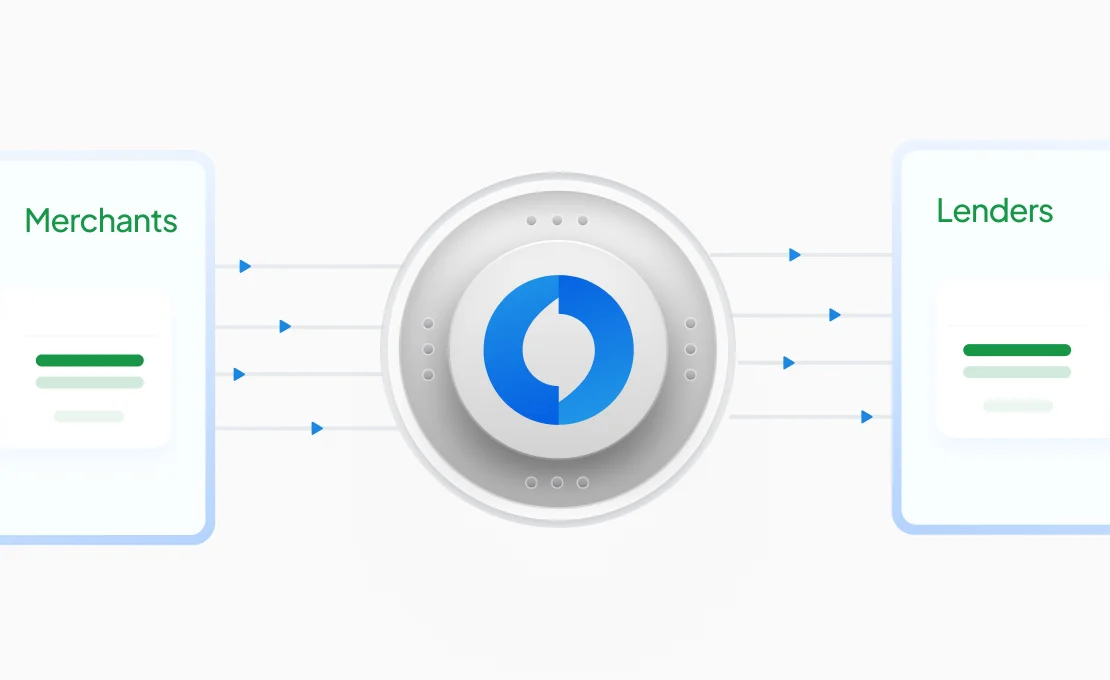
The alternative is a payments orchestration platform that absorbs this complexity: one that keeps pace with every new Central Bank release and presents a stable API to merchant engineering teams.
How Does Juspay Enable Pix Biométrico and Pix Automático?
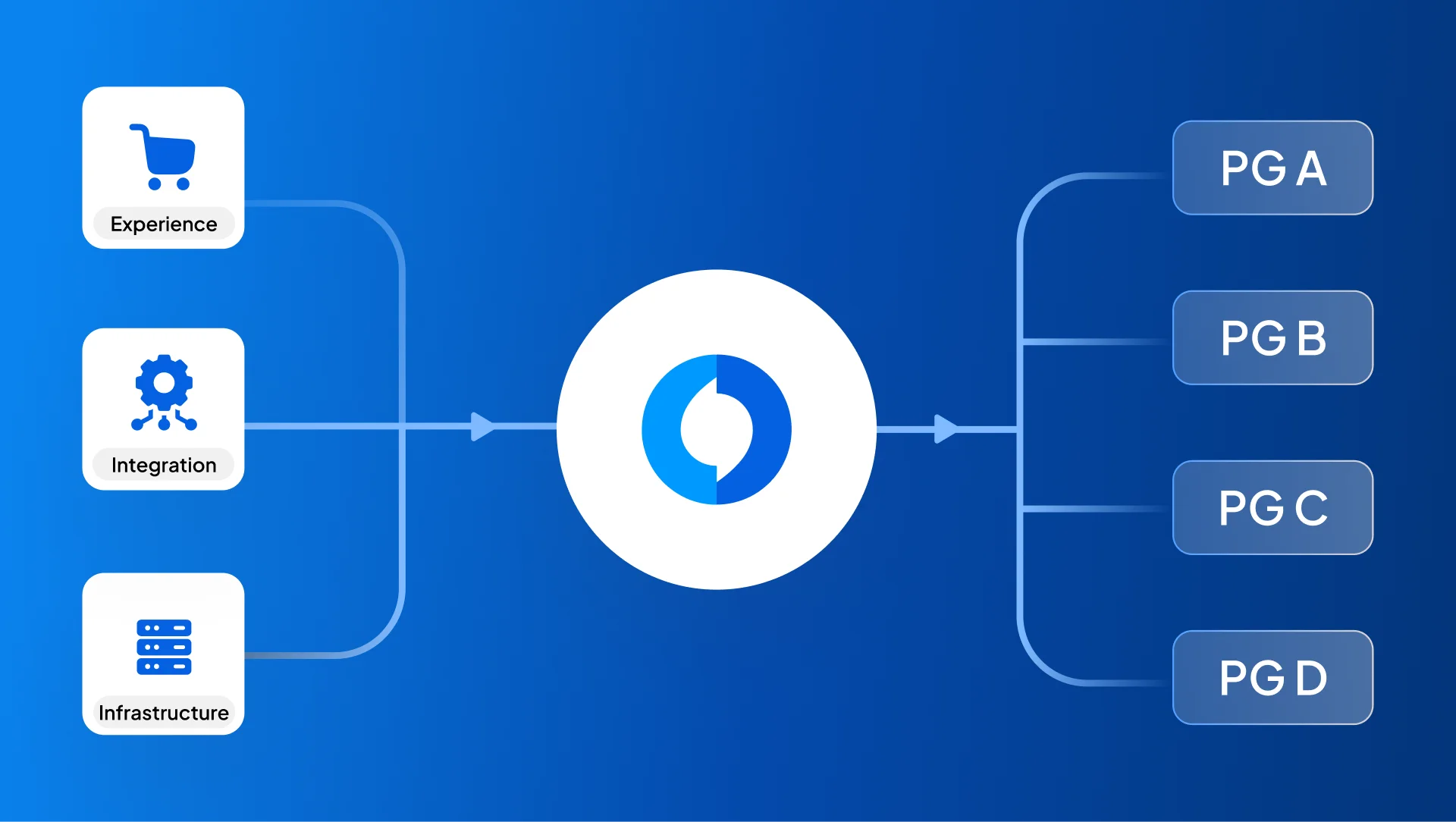
Juspay's orchestration platform implements both the JSR biometric authentication framework and Pix Automático's recurrence management through a single merchant-facing API, absorbing the cryptographic, consent, and state-management complexity that would otherwise require dedicated engineering teams at each merchant. Juspay's São Paulo office, established in April 2025, brings on-the-ground support to merchants entering or operating in Brazil.
Juspay's platform processes 300 million daily transactions across 150+ countries, with $1 trillion in annualized payment volume, with 99.999% uptime. That scale gives Juspay's Brazilian team a reference architecture most local players cannot match. The engineering challenges of real-time payment orchestration at national scale have already been solved.
The parallel with India's UPI is not superficial. Both UPI and Pix are Central Bank-operated instant payment rails built for nationwide financial inclusion. Both have expanded into more sophisticated flows, including biometric authentication, recurring payments, and NFC proximity, as the infrastructure matured. The engineering patterns transfer directly.
Pix Biométrico via Juspay's Orchestration Layer
Juspay implements the JSR framework to deliver Pix Biométrico as a production-ready capability. The merchant integration is a single API. Juspay handles the device-binding cryptography, key management, bank-level registration, and fallback orchestration. Merchants connecting through Juspay gain:
- One-tap Pix checkout without managing biometric credential infrastructure directly
- Automatic fallback to standard Pix if biometric authentication encounters issues
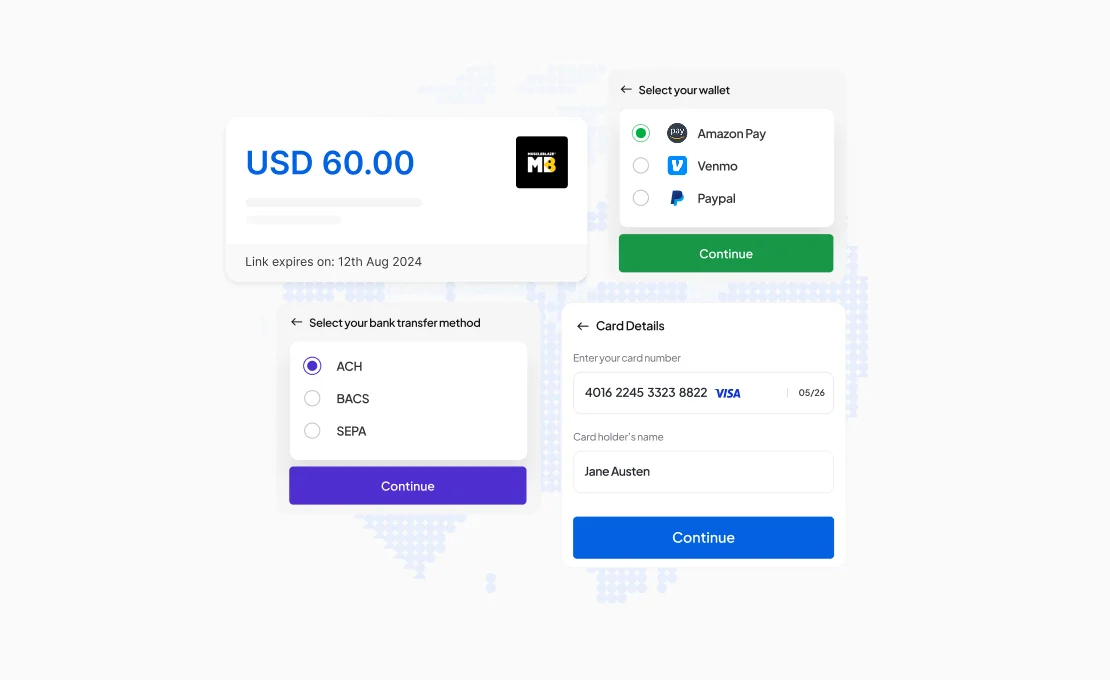
- Single integration spanning Pix Biométrico alongside cards, wallets, and Click to Pay
- Rich data and visibility: instant refunds, streamlined chargebacks, and unified analytics
Pix Automático via Juspay's Subscription Infrastructure
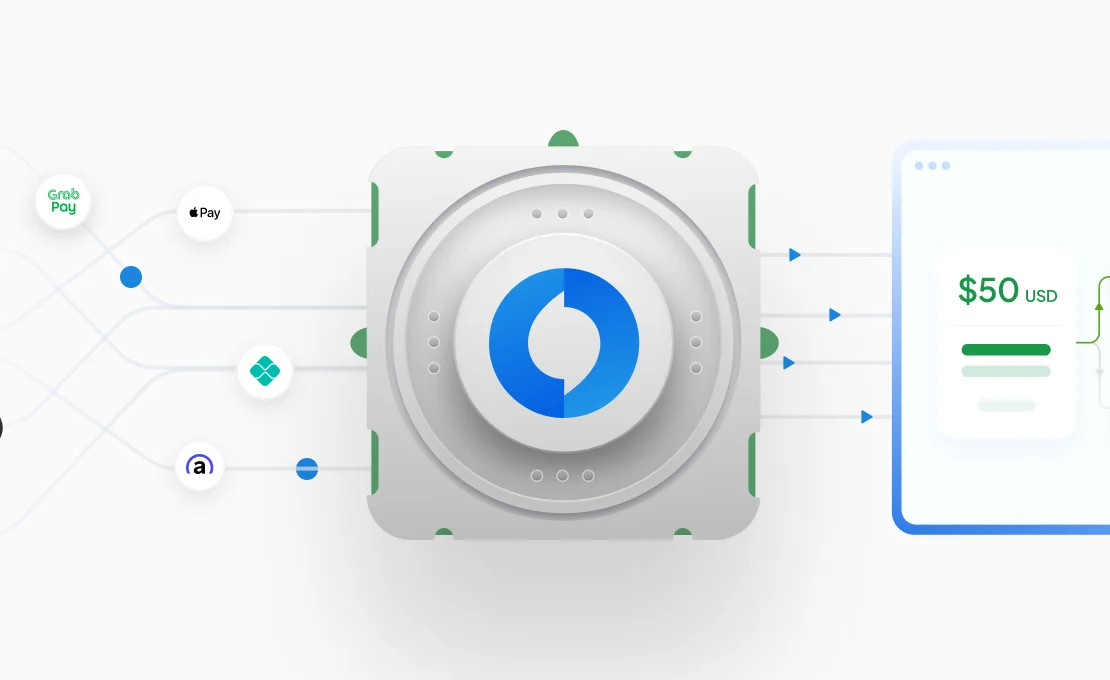
For recurring billing, Juspay's platform connects to 300+ PSPs and local payment methods through a single API, with Pix Automático as a core supported method. Merchants gain:
- Automated recurrence management: Juspay handles consent flow creation, recurrence activation, scheduled payment execution, and cancellation processing
- Intelligent retry and recovery: automated retry logic recovers failed scheduled payments before the subscription lapses
- Smart routing: each transaction routes to the PSP with the highest approval probability, lowest cost, or best real-time performance
- Support for variable amounts: utility and service billing where the charge differs each cycle, within the customer's pre-authorized maximum
- No bilateral bank agreements required: merchants access all Pix-participating institutions through a single integration, eliminating the network gap
The Network Tokenization Advantage
For merchants running hybrid billing, Pix Automático for bank account customers alongside card-on-file for credit card holders, Juspay's network tokenization helps maintain continuity. When a physical card is replaced due to loss or expiration, the token is automatically updated by the card networks. This creates a complementary safety net: tokenized cards help reduce recurring-payment failures for credit card users, while Pix Automático expands recurring payments to millions of Brazilians who do not have access to credit cards.
Engineering Built for Real-Time Scale
Juspay's infrastructure is built in Haskell and Rust for type safety and performance, runs on a multi-active stack with no single point of failure across regions, and uses an autopilot deployment framework that staggers new releases from 1% traffic upward, automatically scaling or rolling back based on AB-tested performance against the stable version. For Pix 2.0 workloads, where Central Bank specifications evolve and Brazilian transaction volumes can spike 10x during major retail events, this engineering rigor is the difference between a deployment that scales and one that breaks.
Which Verticals Benefit Most From Pix 2.0?
The business case for Pix 2.0 varies sharply by sector: the verticals with the most card-dependent recurring billing today have the most to gain from Pix Automático, while high-frequency e-commerce categories gain most from Pix Biométrico.
Streaming and digital media: 79% of Brazilian streaming volume runs on credit cards, according to EBANX's Beyond Borders 2025 study, a direct result of no prior alternative for card-independent recurring billing. Pix Automático changes the calculus. Platforms like Globoplay and international players like Netflix and Spotify can now offer subscription billing to the 60 million Brazilians without cards, with a user experience as seamless as direct debit.
SaaS and software subscriptions: 86% of SaaS volume in Brazil runs on credit cards today. Pix Automático opens a meaningful new customer segment, particularly small businesses and individual professionals who have Pix-enabled bank accounts but lack corporate credit cards. This mirrors what Juspay has observed in other markets: expanding recurring billing beyond cards can materially increase the addressable customer base.
E-commerce and marketplaces: Pix already accounts for 40% of Brazil's e-commerce payment share and is projected to reach 51% by 2027. Pix Biométrico accelerates that transition by making the Pix checkout experience as seamless as a saved card. For high-frequency repeat purchasers such as delivery apps, retail marketplaces, and travel platforms, the one-tap experience materially changes completion rates.
Utilities and essential services: Pix Automático was designed with utility billing in mind. Any public service provider, insurance company, or membership organization with recurring billing can now access the entire Brazilian banking population through a single integration point.
iGaming and sports betting: Sports betting was legalized in Brazil in January 2025. Both frictionless one-tap checkout (Pix Biométrico) and subscription-style wallet top-ups (Pix Automático) apply directly.
Why Does Juspay's UPI Experience Matter for Pix Merchants?
Juspay helped scale India's UPI, the world's largest real-time payment system by transaction volume, to over 300 million daily transactions with 99.999% uptime. UPI and Pix share the same core design: Central Bank governance, open interoperability, financial inclusion as a primary objective, and progressive expansion into recurring payments, biometric authentication, and NFC.
This is not a marketing claim. It is an architectural advantage. The engineering challenges that accompany Pix 2.0 expansion, including consent frameworks, fallback orchestration, evolving API specifications, and scaling to hundreds of millions of daily transactions, are the same challenges Juspay's teams spent years solving in the world's highest-volume real-time payments market.
"Brazil is at the forefront of a payments revolution," said Shakthidhar Bhaskar, Director of LATAM Expansion at Juspay. "As we expand into this dynamic market, we aim to empower merchants with world-class infrastructure and enterprise-grade performance, optimizing approval rates, reducing costs, and unlocking new experiences through deeply integrated, seamless payment flows."
The Brazil launch also offers Juspay's global merchant base a ready path into the country without building a separate local payments stack. A Southeast Asian travel marketplace already running Juspay's checkout in Singapore can extend the same integration to Brazilian customers. A European subscription business operating through Juspay's Dublin office can add Pix Automático without engaging a new PSP directly. A Middle Eastern e-commerce platform using Juspay's network tokenization in Dubai can layer Pix Biométrico into its Brazilian expansion through the same API.
From Juspay's São Paulo office, cross-border merchants gain on-the-ground support alongside a platform that already speaks the technical language of Pix 2.0 from day one.
Key Takeaways
- Pix Biométrico (announced February 28, 2025) enables one-tap Pix checkout using facial recognition or fingerprint within a merchant's app, with no redirection, using device-bound cryptographic keys that are phishing-resistant by design.
- Pix Automático (launched June 16, 2025) enables automated recurring Pix payments with a single customer authorization, opening subscription billing to 60 million Brazilians without credit cards.
- Together these flows form Pix 2.0, Brazil's next-generation payments infrastructure, designed to match or exceed the UX of card-based systems while maintaining Pix's cost, inclusion, and interoperability advantages.
- Implementing both requires purpose-built orchestration: managing JSR cryptography, recurrence state, smart routing, and PSP connections is significant ongoing engineering work that evolves as the Central Bank releases new specifications.
- Juspay offers Pix Biométrico and Pix Automático through a single integration layer alongside 300+ global PSPs, network tokenization, and the same infrastructure trusted by Amazon, Google, and HSBC worldwide.
- The market opportunity is large: Pix Automático alone could unlock over $30 billion in online recurring payments within two years; Pix already accounts for 40% of Brazilian e-commerce and is on track for 51% by 2027.
Frequently Asked Questions
What is Pix Biométrico and how does it work for merchants?
Pix Biométrico is Brazil's Central Bank-authorized framework that lets users confirm Pix payments using facial recognition or fingerprint authentication directly inside a merchant's app, with no redirect to a banking app. It uses device-bound cryptographic keys generated during a one-time setup, so subsequent transactions complete with a single biometric gesture. Merchants gain a checkout experience comparable to Apple Pay, with higher conversion and reduced fraud risk compared to QR-based Pix.
What is Pix Automático and how is it different from standard Pix?
Pix Automático is an automated recurring payment feature built on Pix infrastructure, launched June 16, 2025. Unlike standard Pix, which requires manual action for every transaction, Pix Automático allows a customer to authorize a recurring debit once, after which payments process automatically on scheduled dates without any additional steps. It supports variable amounts, flexible frequencies, and works across all Pix-participating institutions without bilateral bank agreements.
How does Juspay support Pix Biométrico and Pix Automático for enterprise merchants?
Juspay's orchestration platform implements both the JSR biometric authentication framework and Pix Automático's recurrence management through a single merchant-facing API. Juspay handles device-binding cryptography, key registration with partner banks, automated retry logic for failed recurring payments, and smart routing across 300+ PSPs. Merchants get both new Pix flows without building or maintaining the underlying infrastructure themselves.
Why can't merchants integrate Pix Biométrico and Pix Automático directly?
Each flow requires distinct and evolving technical implementations. Pix Biométrico requires managing public-private key infrastructure and bank-level registration, while Pix Automático requires recurrence state management, variable-amount handling, and consent orchestration. The Central Bank has additional Pix features in the pipeline, meaning direct integrations require continuous maintenance as specifications evolve. An orchestration layer like Juspay absorbs that complexity and provides API stability.
What kinds of businesses benefit most from Pix Automático?
Streaming platforms, SaaS companies, utility providers, membership businesses, and any merchant with a recurring billing model benefit most. Currently 79% of Brazilian streaming volume and 86% of SaaS volume run on credit cards, a direct artifact of having no viable alternative for card-independent recurring billing. Pix Automático changes this by enabling subscription billing for all 177 million Pix users, including the 60 million Brazilians without credit cards.
How does Juspay's experience with India's UPI help merchants in Brazil?
Juspay helped scale India's UPI, the world's largest real-time payment system by transaction volume, to over 300 million daily transactions with 99.999% uptime. UPI and Pix share the same core design: Central Bank governance, open interoperability, and progressive expansion into recurring payments, biometric authentication, and NFC. Juspay's Brazilian team applies that architecture to Pix 2.0 from day one rather than learning these patterns from scratch.
Is Pix Automático cheaper than credit card recurring billing?
Yes, significantly. A Pix transaction can be up to 14 times more cost-effective than a credit card transaction on a per-payment basis, according to PagBrasil. Pix Automático also eliminates failure modes common to card billing, including expired cards, insufficient credit limits, and card replacement cycles, which can reduce involuntary churn for subscription businesses. The combination of lower unit cost and higher payment success rates creates a compounding financial advantage at volume.
What security protections exist for Pix Biométrico?
Pix Biométrico uses device-bound cryptographic keys stored in the device's secure element, the same hardware security module used for payment credentials by mobile operating systems. Biometric data is never transmitted or stored as raw images; it is used locally to unlock the private key on-device. If a device is lost or compromised, credentials can be remotely revoked immediately through the merchant or user's bank app. This architecture is phishing-resistant by design, unlike QR codes or OTPs which can be intercepted.