












What are recurring payments?
A recurring payment is an automatic transaction that happens on a predetermined schedule without requiring manual action from customers each time. Once a customer provides payment information and authorizes recurring charges, the billing system handles everything automatically until the subscription is canceled or the payment plan expires. Think of it as the digital equivalent of a standing order - only smarter, more flexible, and with far more sophisticated recovery mechanisms when things go wrong.
In practice, recurring payments power subscription services, membership fees, installment plans, software licenses, streaming platforms, and increasingly, usage-based billing models. They have evolved from simple repeated charges into sophisticated revenue engines that manage the entire customer lifecycle.
The subscription economy landscape in Latin America
Latin America is experiencing rapid growth in subscription-based business models. The global subscription economy is projected to reach $1.2 trillion by 2030, according to Juniper Research (October 2025), with compound annual growth rates exceeding 13% across most segments.
The numbers speak for themselves. The subscription economy grew from $722 billion in 2025 and is forecast to nearly double by 2030, representing a 67% increase. Digital video services alone account for over 33% of global subscription spend. Mobility-as-a-Service subscriptions are the fastest-growing category, with over 540% projected growth between 2025 and 2030.
What is fueling this growth in Latin America? A combination of factors: the expansion of digital payment infrastructure, high smartphone penetration, young populations comfortable with digital services, the success of local streaming and fintech platforms, and the growing sophistication of payment processing capabilities in the region.
Brazil, Mexico, and Colombia are leading the charge. Local players like Globoplay, Mercado Livre (with Mercado Play), and regional SaaS companies are building subscription businesses alongside global giants like Netflix, Spotify, and Amazon Prime.
Types of recurring payment models
Not all recurring payments work the same way. The right model depends on your business, your customers, and what you are selling.
Fixed recurring payments
These charge the same amount on a regular schedule. Think of Netflix, Spotify, or a monthly SaaS subscription at R$49.90 per month. Fixed payments are the simplest to implement and easiest for customers to understand. They create clear expectations and straightforward billing.
Variable recurring payments
Usage-based models charge different amounts each billing cycle based on consumption. Cloud computing services like AWS, telecommunications providers, and utility companies operate this way. While more complex to implement, variable billing can align costs with value delivered, making it easier for customers to start small and scale up.
Hybrid models
Many businesses combine approaches: a base subscription fee plus usage-based charges, tiered pricing that adjusts with consumption, or freemium models with paid upgrades. These models offer flexibility but require more sophisticated billing infrastructure.
Installment plans
Recurring payments also enable breaking large purchases into smaller, manageable amounts. Healthcare providers, educational institutions, and home improvement services commonly use this approach to make their offerings more accessible. In Latin America, installment payments (parcelamento) are particularly popular and expected by consumers.
How recurring payment processing works
The payment process for recurring transactions is straightforward from the user's perspective, but involves layers of sophisticated technology behind the scenes.
Initial enrollment: The customer provides payment information and explicitly consents to recurring charges. The payment method is validated in real time, and a billing mandate is registered.
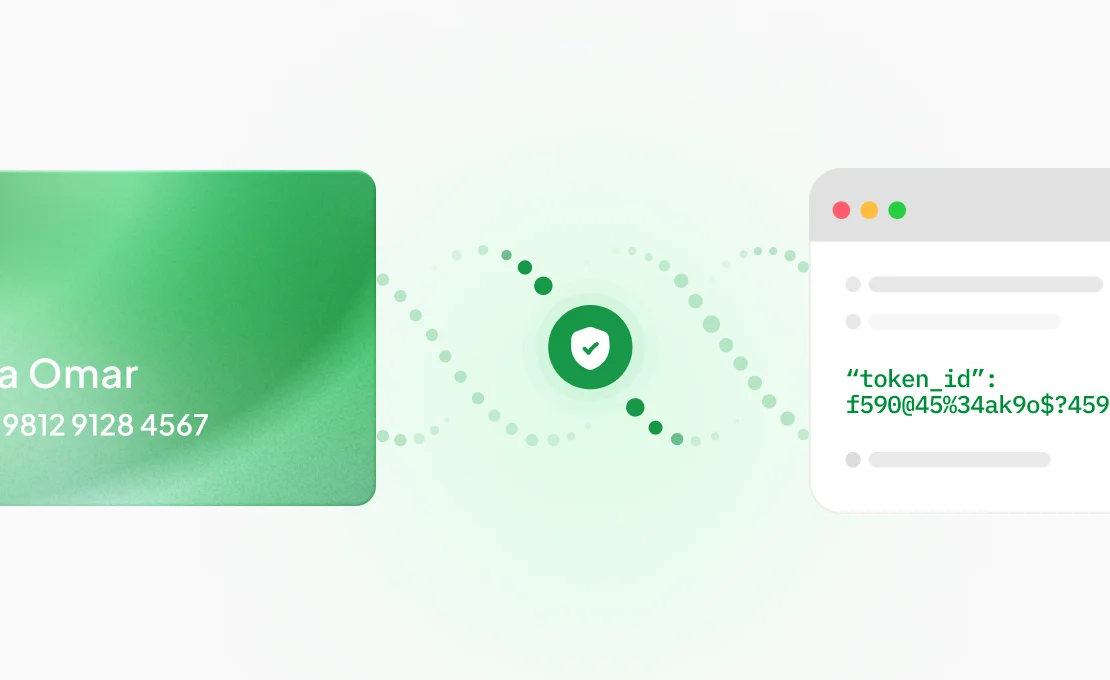
Secure storage: Instead of storing actual card numbers or sensitive payment data, the system creates a secure token representing the payment method. This token is what the system uses for all future charges - the actual payment credentials are never exposed.
Scheduled execution: On each billing date, the system automatically initiates a payment using the stored token or authorized mandate. No customer involvement required.
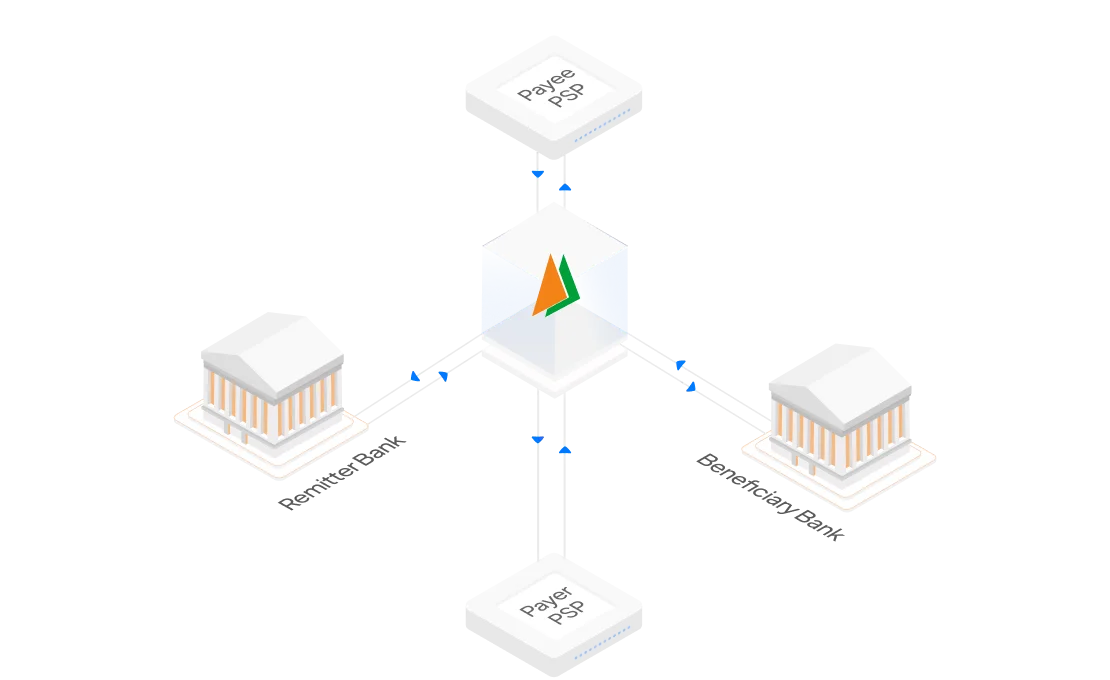
Settlement: Funds transfer from the customer's account to the merchant's account through the standard payment rails.
The technologies that make this possible include:
Tokenization: The central pillar of recurring payment security. When you store a payment method for recurring billing, the actual credentials (card number, bank account details) are replaced by a token - a unique, randomly generated code. This token is what travels during each transaction, never the actual payment data.
Card network tokens: Issued directly by Visa, Mastercard, and other networks, these tokens automatically update when cards are replaced or renewed, preventing payment failures due to expired credentials.
Billing mandates: Formal authorization from the customer that allows the merchant to initiate charges on a predetermined schedule without requiring authentication each time. This applies to both card-based and account-to-account payment methods.
Payment methods for recurring billing in Brazil
While credit cards have traditionally dominated recurring payments globally, Brazil offers a diverse ecosystem of payment methods suitable for subscription billing. Understanding these options is critical for maximizing reach and approval rates in the Brazilian market.
Credit cards
Credit cards remain the most established method for recurring payments in Brazil, particularly for international subscriptions and SaaS platforms. They offer familiarity, wide acceptance, and built-in installment capabilities (parcelamento). However, approximately 60 million Brazilians do not have access to credit cards, limiting reach. Credit cards also face challenges with expiration, card replacement, and higher processing costs.
For card-based recurring payments, network tokenization ensures continuity: even when a physical card is replaced due to loss or expiration, the token can be automatically updated by the card networks (Visa, Mastercard), preventing disruptions in subscriptions and reducing involuntary churn.
Pix Automático
Launched on June 16, 2025, Pix Automático represents a paradigm shift for recurring payments in Brazil. This new feature from the Central Bank allows consumers to authorize recurring payments directly from their bank accounts or digital wallets, with charges executed automatically on scheduled dates.
Pix Automático is expected to unlock over $30 billion in online recurring payments within two years, according to EBANX research. The key advantages include:
- Massive reach: Access to the 60% of Brazilians who do not have credit cards, plus the 91% of adult Brazilians who actively use Pix
- Lower costs: Pix transactions can be up to 14 times more cost-effective than credit card processing, eliminating acquirer and card network fees
- Higher success rates: Avoids common credit card issues like insufficient limits, expired cards, or declined transactions due to fraud filters
- Both fixed and variable amounts: Unlike credit cards, Pix Automático supports recurring payments with variable amounts (such as utility bills)
For subscription businesses, integrating Pix Automático is becoming essential. As PagBrasil CEO Ralf Germer noted, "Pix Automático is the biggest thing being launched in Brazil after Pix itself."
Boleto bancário
While less suited for true recurring payments (since each boleto requires manual payment), boleto remains important for Brazilian consumers who prefer not to use cards or automatic debits. Some subscription businesses use boleto with automated reminders and reissuance, though this creates friction and higher churn compared to automated methods.
Direct debit (débito automático)
Traditional direct debit in Brazil requires bilateral agreements between the merchant's bank and the customer's bank, making it complex to scale. Pix Automático effectively replaces this model with a universal, interoperable solution.
Managing failed payments and reducing churn
Every recurring payment eventually fails. Cards expire, accounts run low, fraud systems trigger false positives, and technical issues cause temporary outages. How businesses handle these failures directly impacts revenue retention.
The Latin American challenge
Payment decline rates in Latin America are significantly higher than in North America or Europe. According to Rapyd research, eCommerce decline rates in Latin America typically range from 15% to 25%, compared to single-digit rates in mature markets. In Brazil specifically, the fraud-related decline rate reaches 5%, nearly double the global average of 2.6%.
Why are decline rates higher in the region?
- Higher fraud rates: Latin America has one of the highest card-not-present (CNP) fraud rates globally, causing issuers to apply more aggressive fraud filters
- Credit constraints: A significant portion of the population lacks access to credit cards or has limited credit availability
- Banking infrastructure: Fewer direct integrations between merchants and local banks historically made payment processing less reliable
- Economic volatility: Currency fluctuations and economic instability can affect consumer payment capacity
This context makes intelligent retry strategies and payment method diversification even more critical for subscription businesses operating in the region.
Types of declines
Payment failures fall into two categories:
Hard declines are permanent. The card is reported stolen, the account is closed, or the issuer has definitively rejected the transaction. These cannot be recovered through retries and require the customer to provide a new payment method.
Soft declines are temporary. Insufficient funds, technical glitches, temporary holds, or issuer timeouts fall into this category. According to Checkout.com and multiple payment industry sources, approximately 80% to 90% of all declines are soft declines - and many can be recovered through well-designed retry strategies.
Smart retry strategies
The timing and approach of payment retries significantly impacts recovery rates.
Spacing matters. Retrying immediately after a failure rarely works. Spacing attempts over several days gives customers time to replenish funds and allows temporary technical issues to resolve. Common strategies include retrying at 1, 3, 7, and 14 days after the initial failure.
Time of day matters. Payments attempted at specific times - often early in the month when paychecks arrive, or at certain hours when bank systems are most reliable - show measurably higher success rates.
Machine learning improves outcomes. AI-powered retry systems analyze historical patterns to identify optimal retry timing for each specific transaction. These systems can significantly improve recovery rates compared to static, rules-based approaches.
Account updater services
For card-based recurring payments, card networks offer services that automatically refresh stored card information when credentials change. When a customer receives a new card due to expiration, loss, or fraud, these services update the token without requiring customer action.
This automation prevents what would otherwise be involuntary churn: customers who intended to continue their subscription but lost access due to outdated payment information.
Benefits for businesses accepting recurring payments
Predictable revenue: Recurring payments create predictable, forecastable revenue streams. Instead of chasing new sales every month, subscription models generate automatic income that improves cash flow planning and business valuation.
Reduced acquisition costs: The cost to acquire a customer is a one-time expense, but you benefit from it repetitively. Once a customer subscribes, the ongoing revenue requires minimal sales and marketing investment.
Higher customer lifetime value: Subscription relationships naturally extend customer tenure. A customer paying monthly for years generates far more revenue than a one-time purchaser.
Operational efficiency: Automated billing eliminates manual invoicing, payment collection, and follow-up. The entire sales cycle becomes shorter and less expensive.
Lower payment costs: Recurring transactions often qualify for lower interchange rates because they represent lower fraud risk. Network tokenization can further reduce processing fees. With Pix Automático, costs can be dramatically lower than card-based recurring payments.
Better customer relationships: Ongoing billing relationships create opportunities for upselling, cross-selling, and deeper customer engagement.
The real challenge: managing subscriptions at scale
This is where the conversation shifts from the consumer to operations. For payments decision-makers, the challenge is not understanding that recurring payments matter - it is managing them at scale.
Each payment method has its own integration, its own retry logic, its technical particularities, and its fees. Multiply that by multiple PSPs (payment service providers), add different card networks, Pix Automático, and local payment methods, and you have an ecosystem that quickly becomes complex to operate.
The concrete problems include: fragmented integrations with multiple PSPs, difficulty routing transactions to the processor with the best approval rate or lowest cost, lack of unified visibility into each payment method's performance, manual reconciliation across different providers, inability to react quickly to failures from a specific PSP, and the operational burden of managing retry schedules, dunning communications, and payment method updates across systems.
This is exactly the problem that payment orchestration solves.
How payment orchestration solves this complexity
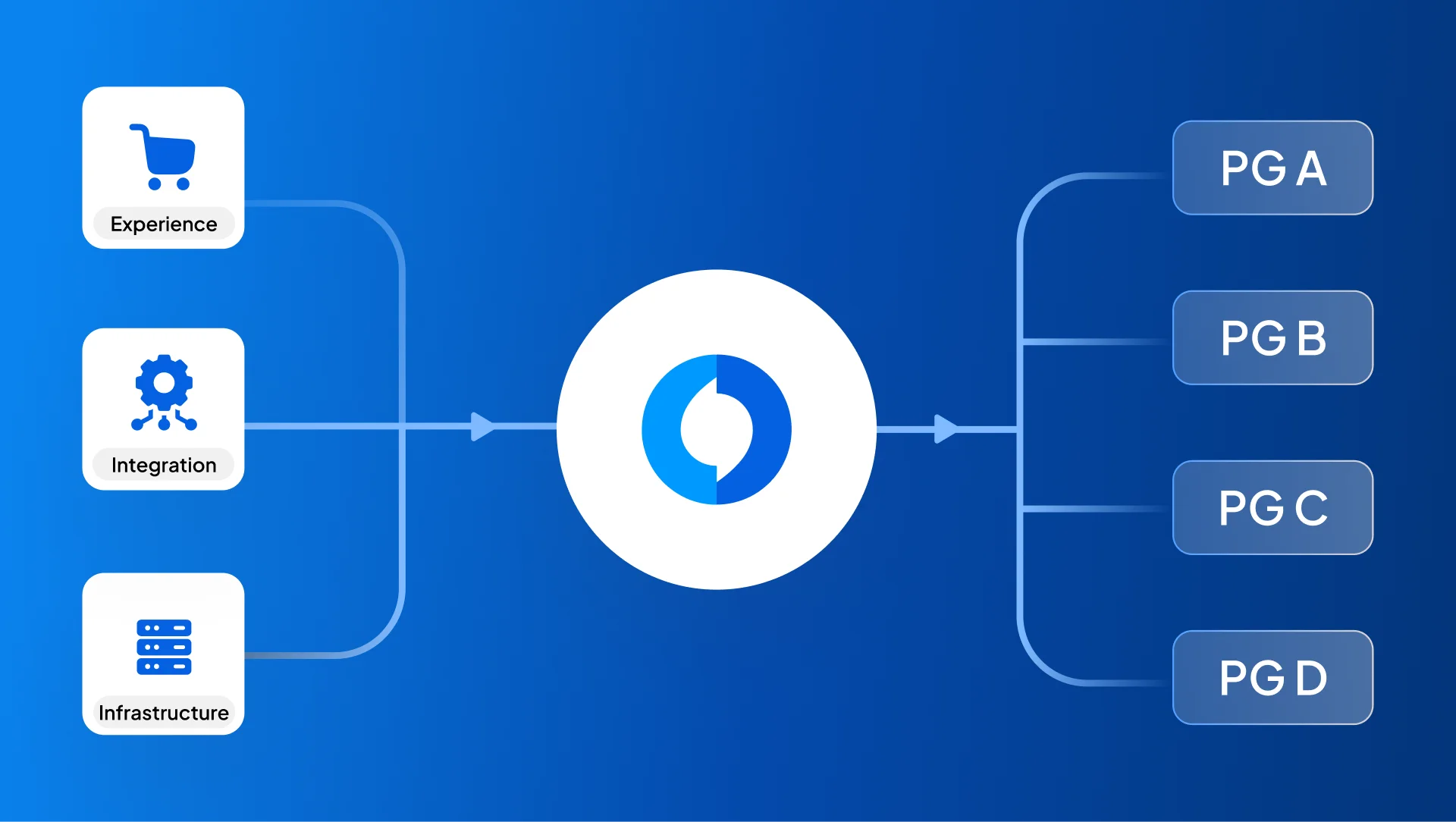
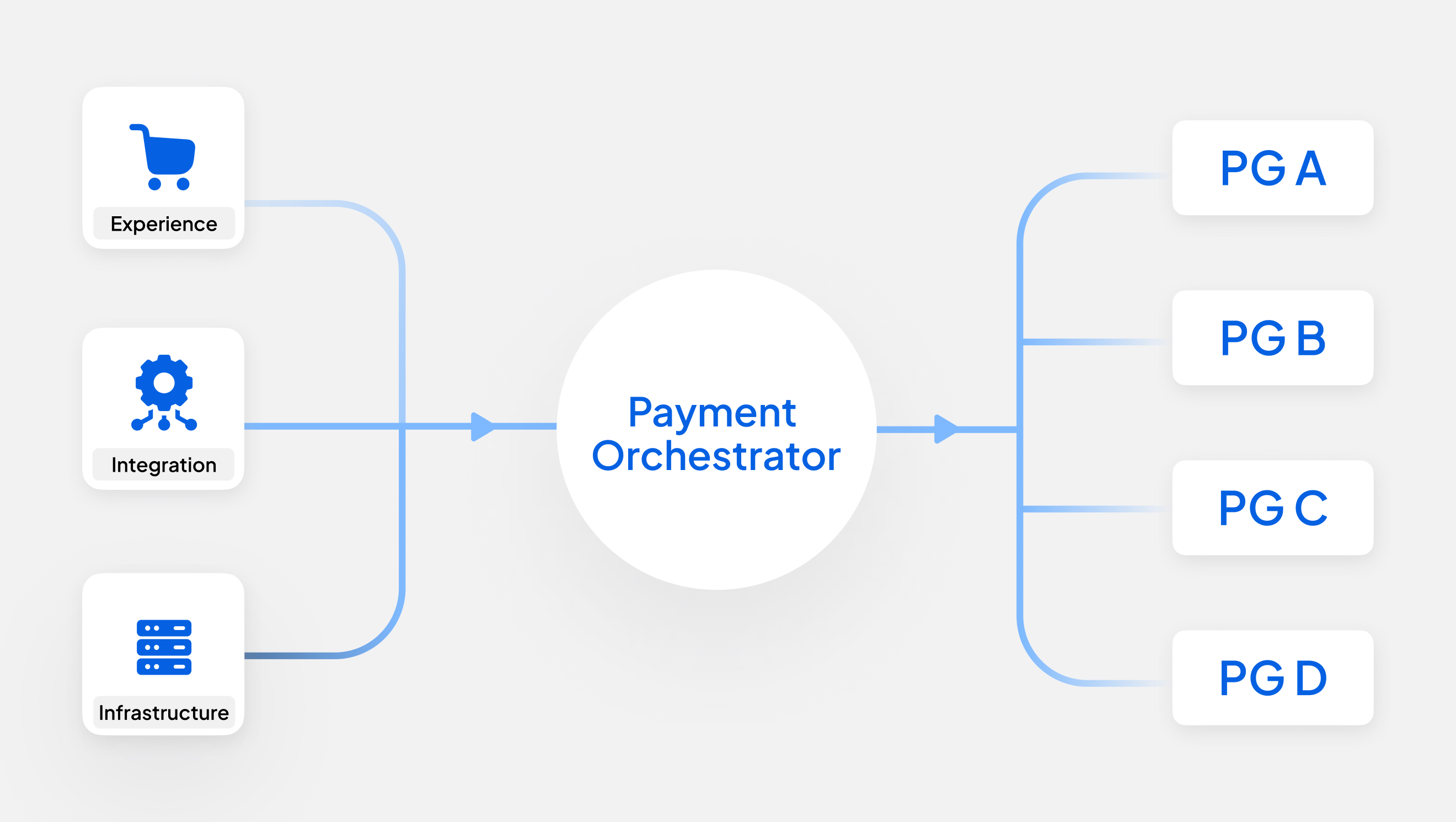
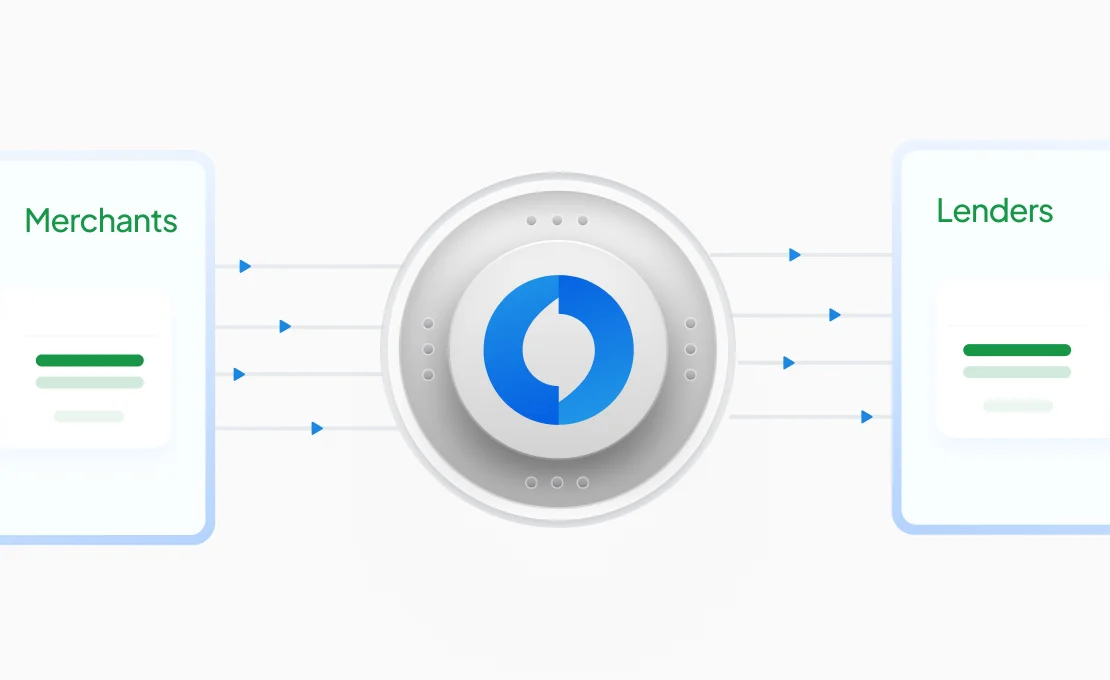
Payment orchestration is an infrastructure layer that connects to a company's payment stack, providing a unified interface to manage the entire lifecycle of a transaction - from checkout to reconciliation.
Juspay operates as a global payments operating system, processing over 300 million transactions daily with 99.999% uptime. With an office in São Paulo and a dedicated Latin American operation, the platform addresses the specific challenges of scaling payments in the region.
Here is how this works in practice:
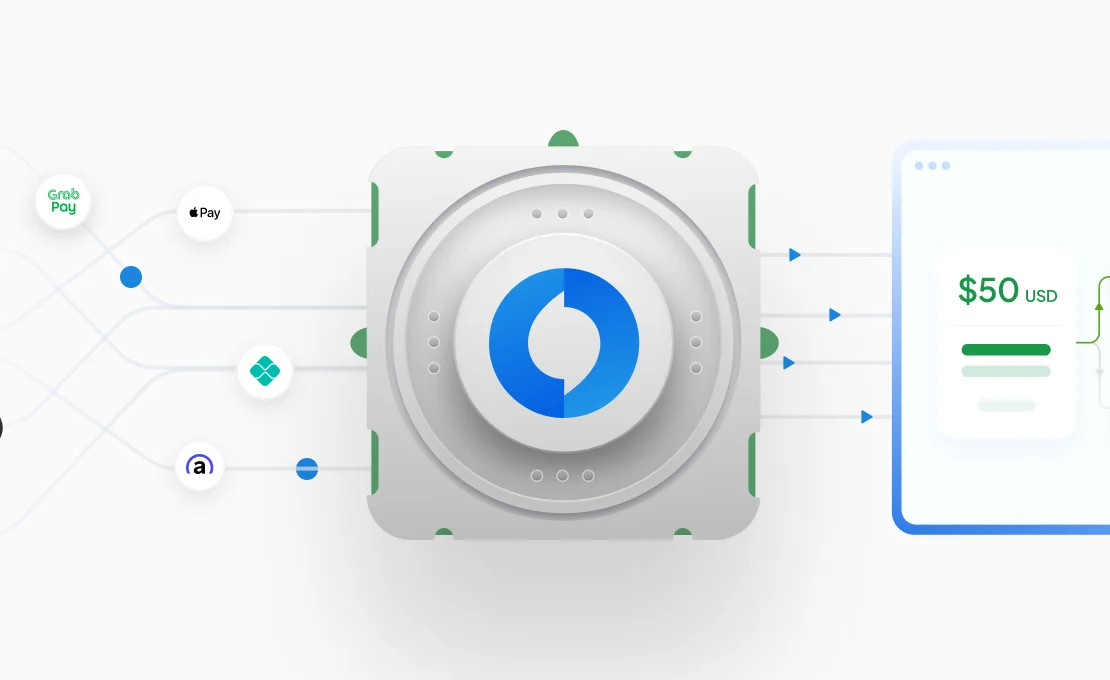
One integration, all payment methods: Instead of building and maintaining separate integrations with each PSP, card network, and local payment method, Juspay offers no-code connections to 300+ PSPs and local payment methods. A single API to connect everything - cards, Pix Automático, and alternative payment methods.
Intelligent routing: The platform automatically routes each transaction to the PSP with the highest approval probability, lowest cost, or best performance at that moment. Predictive routing algorithms analyze acceptance rates at a granular level, while dynamic routing monitors PSP health in real time.
Automatic fallback: If a processor fails, the transaction is automatically redirected to a secondary PSP, invisible to the customer.
Cost observability: Full visibility into processing costs, with breakdowns by card network, interchange fee, and acquirer. One dashboard to audit, observe, and optimize every cent.
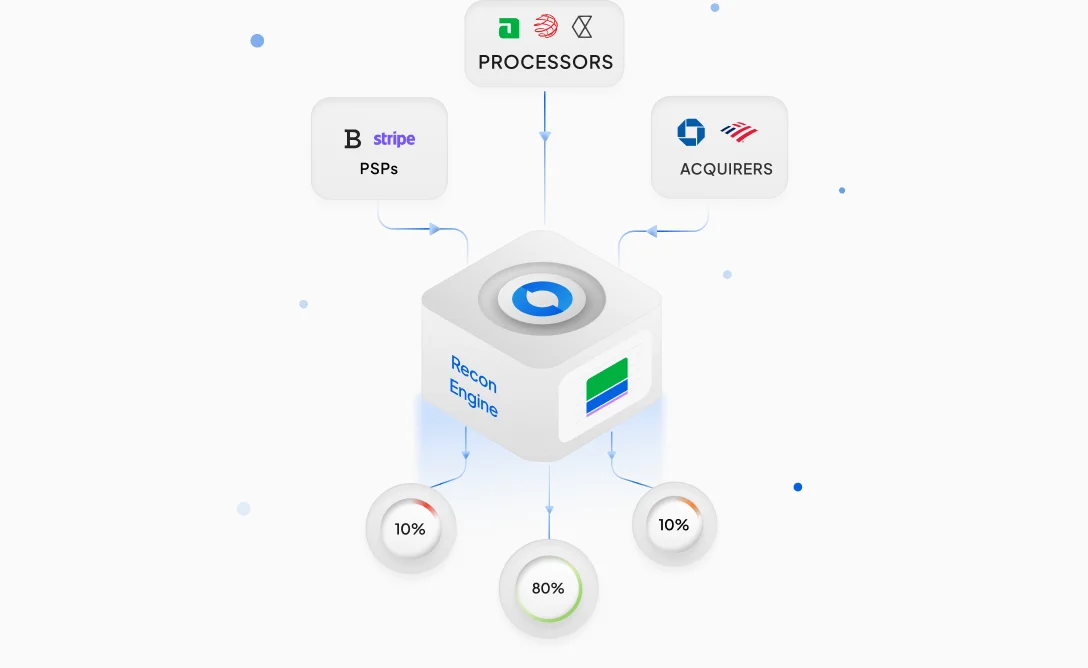
Unified reconciliation: Automated three-way reconciliation across your payment data, PSPs, and banks, eliminating manual processes and errors.
Tokenization and vault: Secure credential storage with network tokenization, ensuring PCI DSS Level 1 compliance and continuity for recurring payments.
Juspay's recurrence engine for Latam Pass
Juspay has built a dedicated recurrence engine for the Latam Pass, designed to manage the complete subscription lifecycle from end to end. In practice, this means merchants do not need to worry about the operational complexity of charging their customers every month.
The engine works as follows: the merchant creates subscription plans with configurable frequencies (monthly, quarterly, semi-annual, annual), and when the customer subscribes, the system validates the payment method in real time, registers a billing mandate, and from that point executes charges automatically on scheduled dates without any manual intervention.
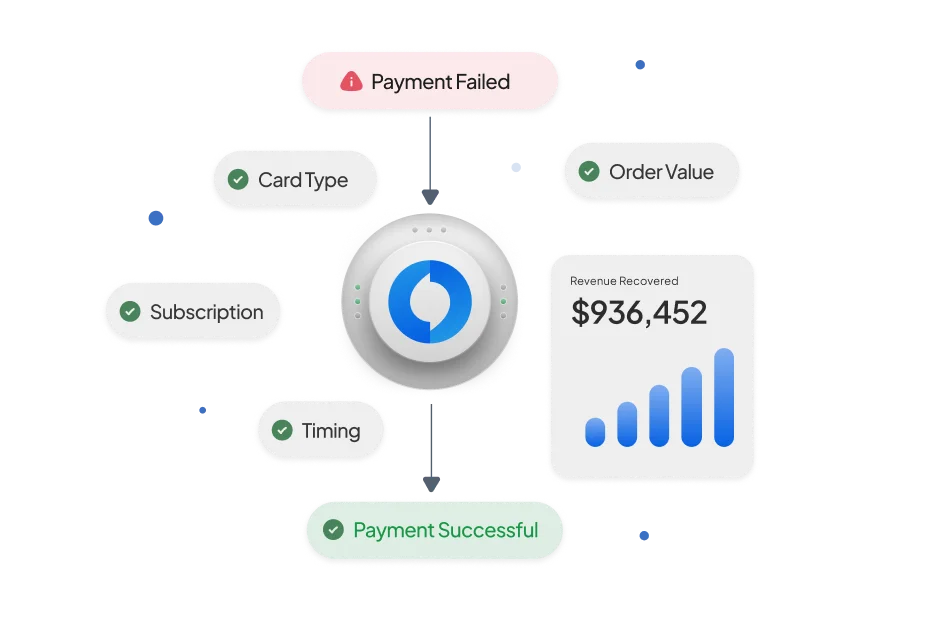
When a payment fails, the system takes action with intelligent retries: it classifies the decline as temporary or permanent, determines the best time to retry, and if more than one acquirer is available, automatically routes the charge to the path with the highest approval probability. This significantly reduces involuntary churn - those customers who lose their subscription not because they wanted to cancel, but because the payment failed.
Additionally, the engine handles automatic updating of expired or reissued cards (via account updater provided by card networks), allows pausing and resuming subscriptions, switching the linked payment method without interrupting service, and sends real-time webhooks for every relevant lifecycle event (activation, charge, failure, cancellation). All of this within a PCI DSS Level 1 certified environment, ensuring that sensitive customer data is always protected.
The result is an infrastructure that allows the airline to focus on their product and customer experience while the recurring billing engine runs autonomously and optimized in the background.
Comparison: direct management vs. payment orchestration
| Aspect | Direct management | With orchestration (Juspay) |
| Integrations | One per PSP/payment method | One API, 300+ connections |
| Retry logic | Manual configuration | Intelligent with ML |
| Card updates | Manual tracking | Automatic via network |
| Fallback | Manual configuration | Real-time automatic |
| Cost visibility | Fragmented per PSP | Unified dashboard |
| Reconciliation | Manual | Automated 3-way |
| Time to go-live | Weeks/months per PSP | Days (no-code) |
Conclusion
Recurring payments are no longer a trend - they are the foundation of sustainable business models across industries. Subscription billing, membership programs, installment plans, and usage-based pricing all depend on robust recurring payment infrastructure.
In Latin America specifically, the landscape is evolving rapidly. Pix Automático is opening recurring payments to the 60% of Brazilians without credit cards. Meanwhile, higher-than-average decline rates in the region make intelligent retry strategies and payment method diversification critical for revenue retention.
The challenge for businesses now is operational: how to manage the complexity of recurring billing - retries, payment method updates, multiple PSPs, reconciliation - without losing efficiency, visibility, or margin.
Payment orchestration solves this equation. And for those who need a global solution with local depth, Juspay delivers exactly that: a single platform that manages the complete subscription lifecycle, optimizes payment success in real time, and gives the payments team the control and visibility they need to scale.
Want to learn how Juspay can help optimize your recurring payment operations in Latin America? Talk to our team.