
















Ramadan brings massive opportunities for e-commerce businesses across the Middle East & Africa (MEA) region. During this month, consumer spending surges dramatically. Online shopping peaks during evening hours and the days leading to Eid al-Fitr. Merchants see transaction volumes multiply several times over their regular traffic. However, this surge comes with a critical challenge: payment failures that can cost businesses millions in lost revenue.
When payment systems buckle under traffic spikes, merchants lose more than just a sale. They lose customer trust, brand reputation, and ultimately, significant revenue. A single payment failure during peak Ramadan shopping can mean a customer switching to a rival brand permanently.
This guide shows merchants how to prepare their payment infrastructure to handle Ramadan traffic spikes, minimize payment failures, and capture every possible sale during this crucial period.
Understanding Ramadan Payment Challenges
Ramadan creates unique payment processing challenges that differ from regular seasonal peaks like Black Friday or holiday sales. The shopping pattern isn't spread throughout the day. Instead, transactions concentrate heavily during specific windows after iftar (breaking fast) and into the late evening hours. This creates extreme load spikes that can overwhelm payment systems designed for steady traffic.
Consider a typical e-commerce merchant in the Middle East. During regular months, they process 10,000 daily transactions spread relatively evenly. During Ramadan, that number jumps to 50,000 transactions, with 70% concentrated between 6 PM and midnight. This creates bottlenecks that manifest as timeout errors, declined transactions, and system failures. UAE customers often use Apple Pay or Gpay card-on-file for faster checkout. When merchants offer limited payment options, they force customers into using their non-preferred payment method, which might lead to drop-offs.
The financial impact is substantial. Research shows that 70% of customers abandon their purchase after a single payment failure. During Ramadan, when competition intensifies and customers have countless alternatives, recovering from payment failures becomes nearly impossible. A merchant processing $2 million during Ramadan with an 85% acceptance rate loses $300,000 in revenue, which will be absorbed by the competition.
Common Payment Failure Causes During Peak Traffic
Payment failures during traffic spikes typically stem from several technical and operational issues. Understanding these causes helps merchants implement targeted solutions.
PSP downtime ranks as the primary culprit. Transactions timeout before authorization completes. Merchants relying on a single PSP face complete payment processing paralysis when that provider experiences issues.
Network latency compounds during peak hours. The journey from checkout click to payment confirmation involves multiple hops: the merchant's server, payment gateway, card network, issuing bank, and back. Each additional millisecond increases timeout risk. During peak traffic, these delays accumulate and push transactions past acceptable processing windows.
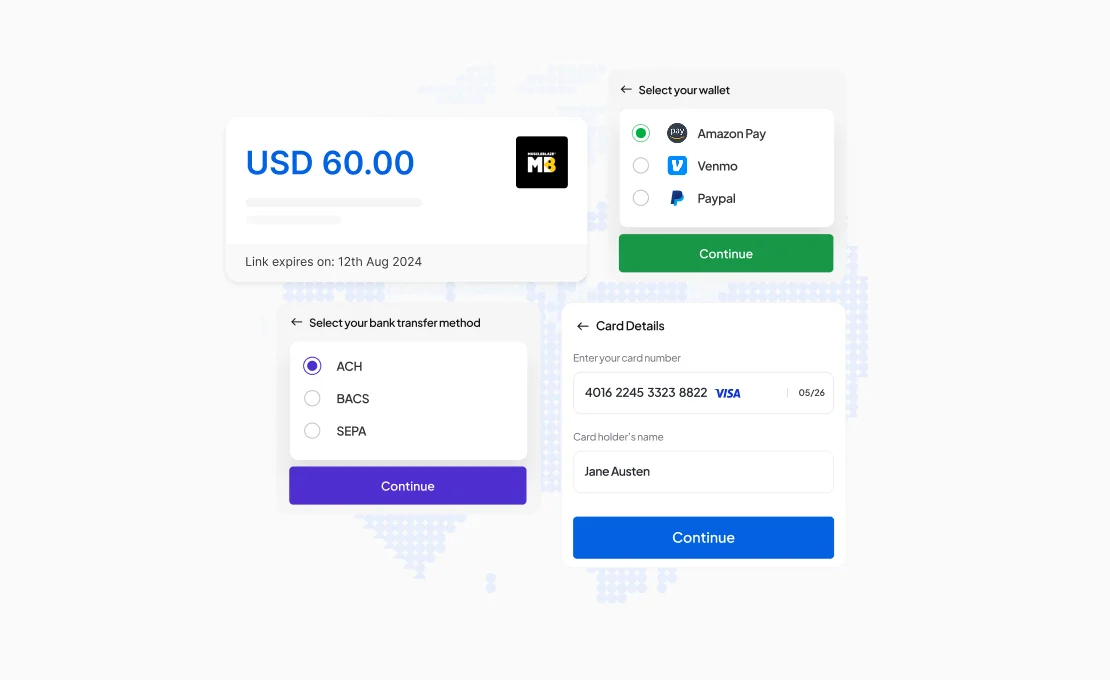
Insufficient payment method options create unnecessary friction. Ramadan shoppers across different regions prefer different payment methods. Customers in Saudi Arabia might prefer Mada cards, while African shoppers using wallets like Mpesa, MTN, Airtel money, & Orange and Indonesian shoppers leaning toward GoPay or OVO.
Inconsistent checkout experiences add another failure point. When checkout pages take longer than usual time to load during peak traffic or are disjoint from the overall look and feel of the merchant website/app, customers abandon before even attempting to pay. Mobile optimization becomes especially critical, as mobile commerce dominates Ramadan shopping in most markets.
The Strategic Solution: Payment Orchestration
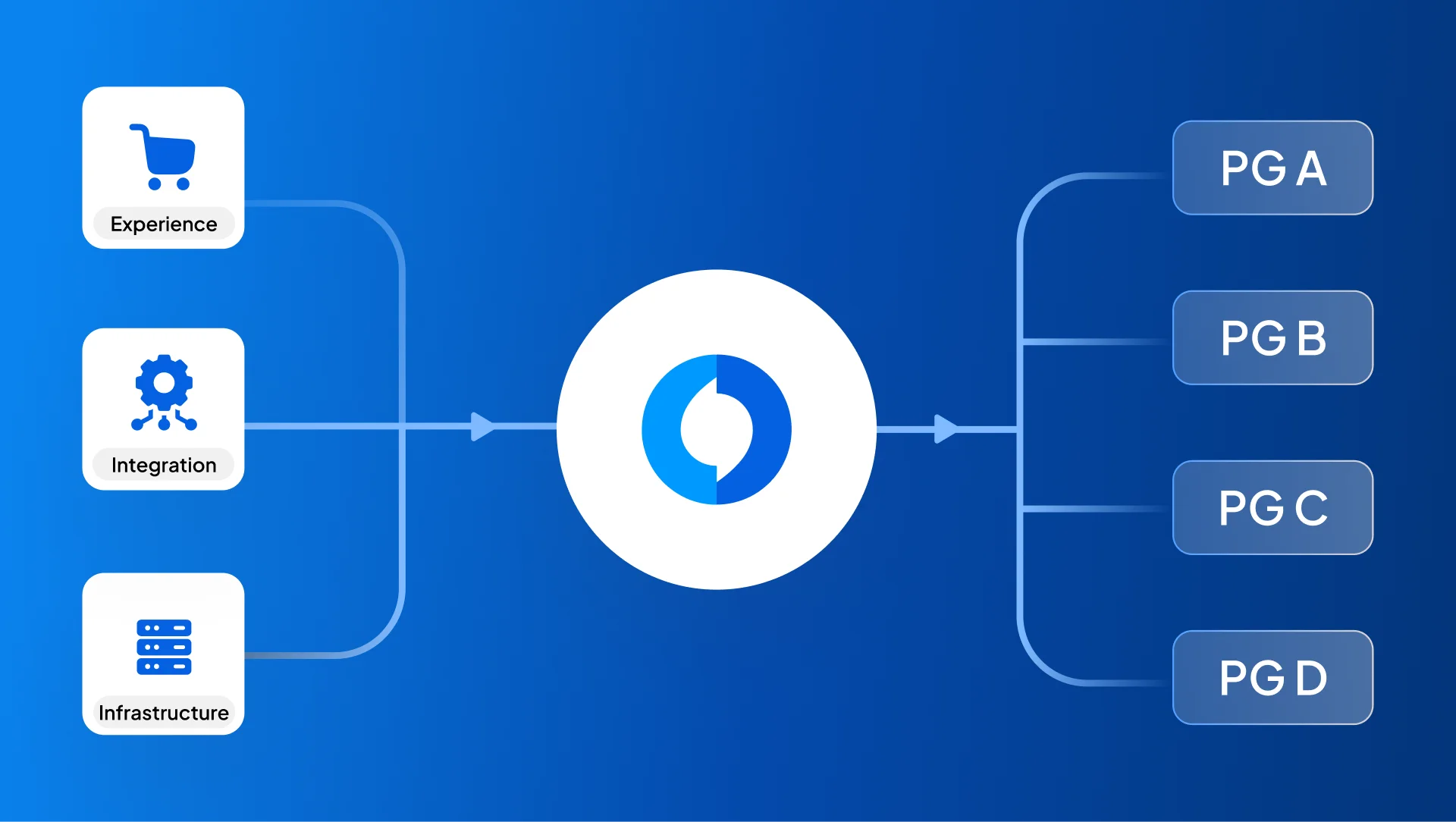
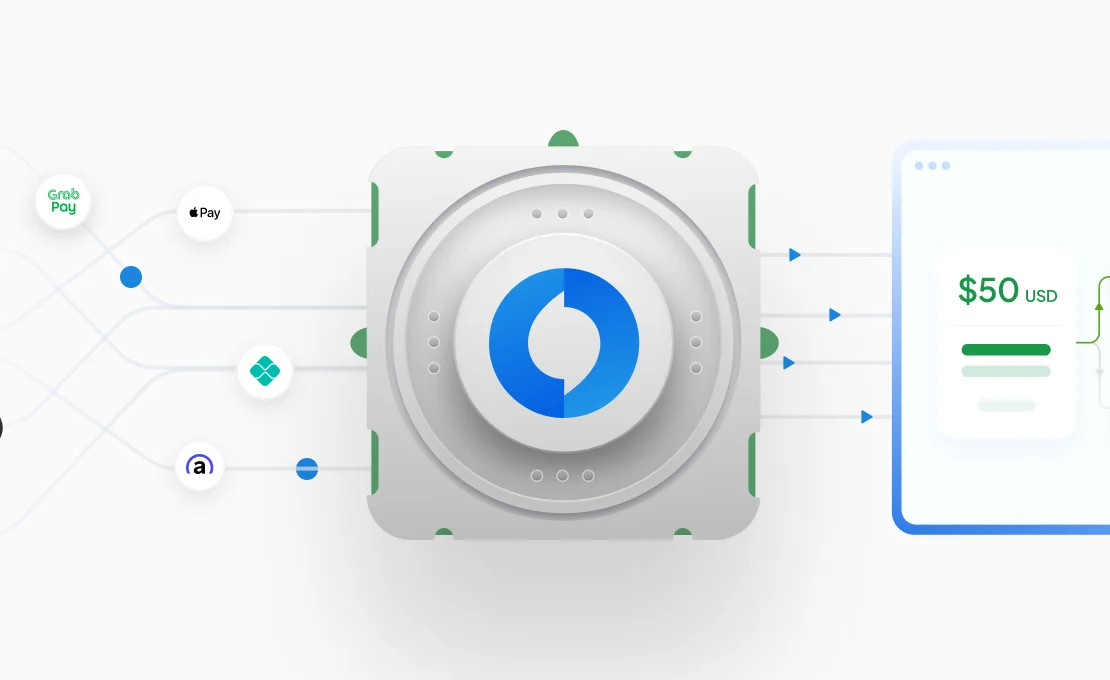
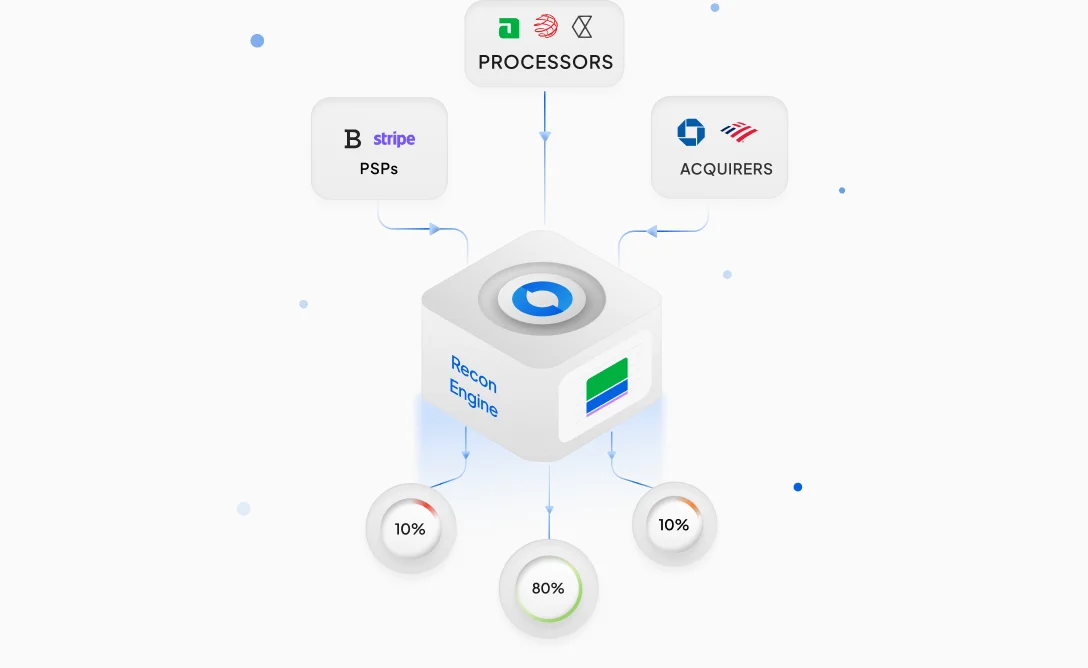
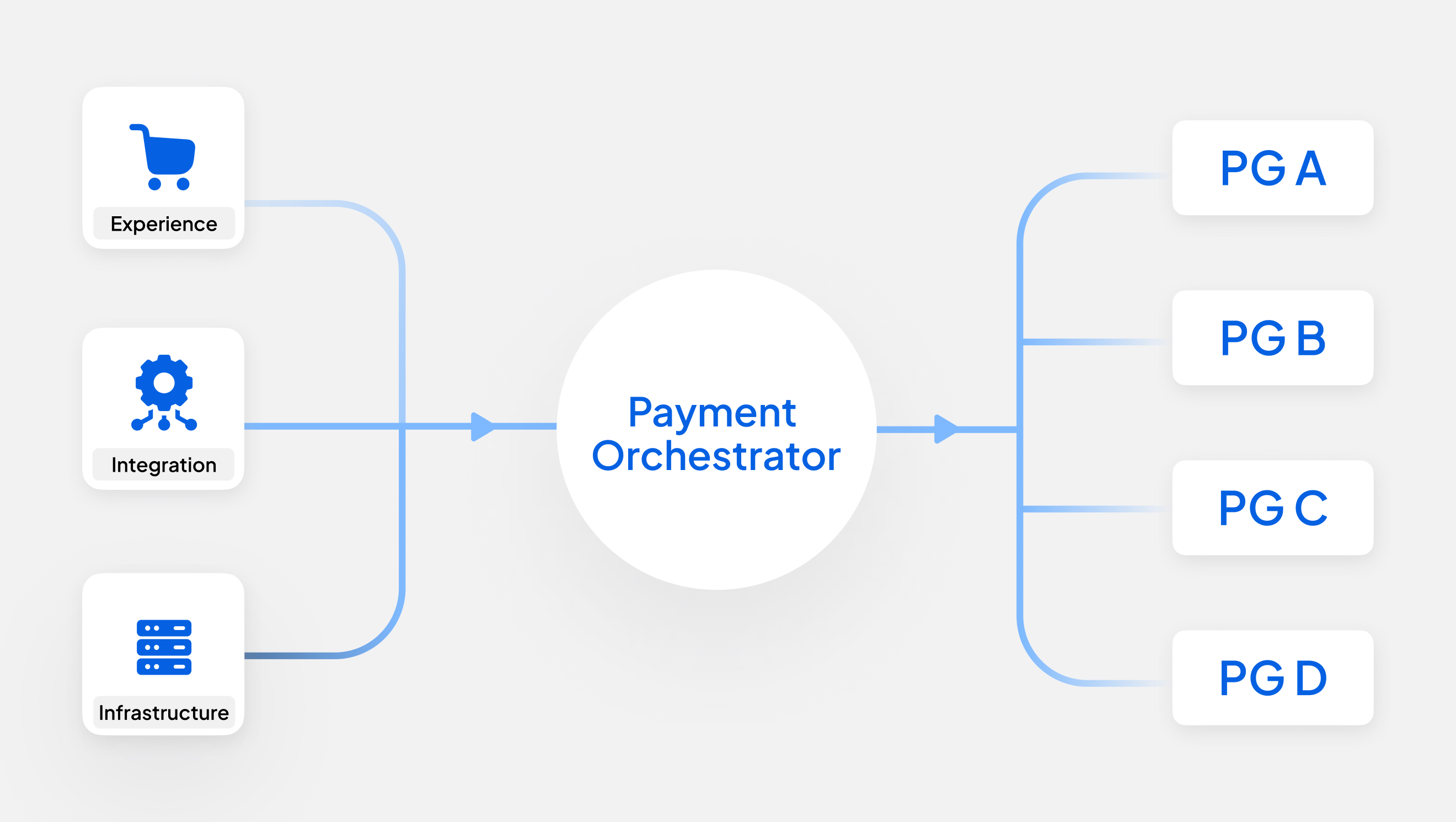
Payment orchestration addresses Ramadan traffic challenges through intelligent transaction routing and infrastructure redundancy. Rather than relying on a single payment provider, orchestration platforms connect merchants to multiple PSPs simultaneously and route each transaction to the optimal provider based on real-time performance data.
Think of payment orchestration as a smart traffic management system. When one highway experiences congestion, the system automatically routes vehicles through alternative paths. Similarly, when one PSP experiences downtime or slow processing, the orchestration layer instantly routes transactions to backup providers without any customer-facing delay or error.
The benefits extend beyond simple failover capability. Payment orchestration platforms provide centralized monitoring across all payment providers, allowing merchants to identify performance issues before they impact customers significantly. During Ramadan's evening rush, merchants can watch real-time acceptance rates across providers and adjust routing rules dynamically to maintain optimal performance.
Smart Payment Routing Strategies
Dynamic routing represents payment orchestration's most powerful capability for handling traffic spikes. This approach continuously monitors PSP health metrics including response times, success rates, and system availability. When performance degrades on the primary provider, transactions automatically shift to secondary options.
Merchants can configure routing logic based on multiple criteria. Geographic routing sends transactions to PSPs with the strongest local infrastructure. This reduces cross-border processing delays and improves authorization rates.
Cost optimization routing balances acceptance rates with processing fees. Different PSPs charge varying rates depending on card type, transaction value, and merchant category. Orchestration platforms can route high-value transactions through providers offering better rates for premium cards, while directing smaller purchases to providers with competitive fees for standard cards. During Ramadan's high-volume period, even small per-transaction savings compound into substantial cost reductions.
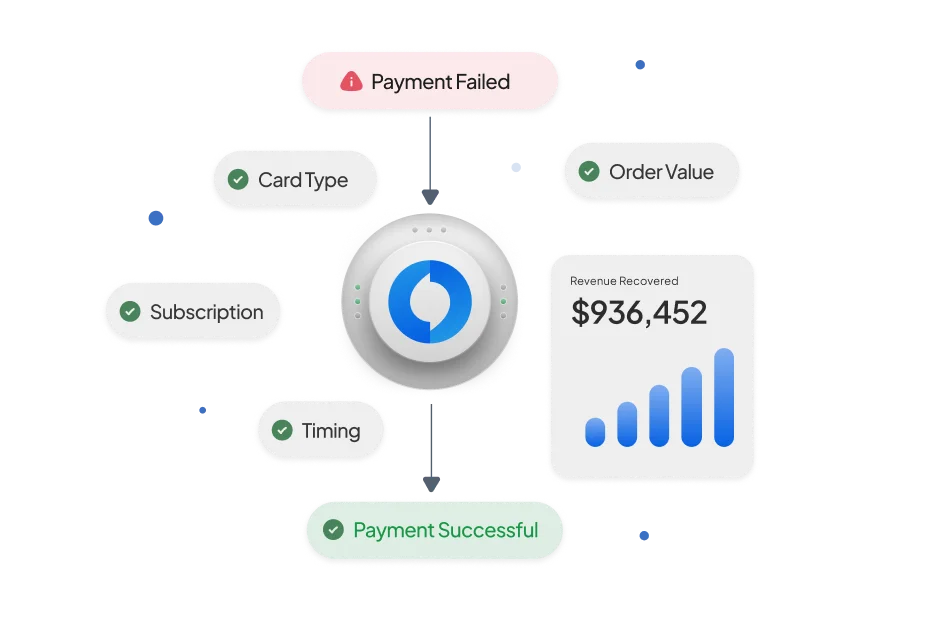
Smart retry logic works hand-in-hand with routing. When a transaction fails on the primary PSP due to timeout or technical error, the system immediately retries through an alternative provider. This happens seamlessly in the background. The customer never sees an error message or needs to re-enter payment details. A transaction that would have failed and lost the sale instead completes successfully, preserving both the revenue and customer experience.
Local Payment Method Integration
Ramadan shopping patterns vary significantly across Islamic-majority markets, and payment preferences reflect local financial infrastructure and cultural habits. Payment orchestration platforms enable merchants to integrate region-specific payment methods without building separate technical integrations for each option.
Middle Eastern markets show strong preference for local card schemes alongside international networks like V/M. Mada in Saudi Arabia, KNET in Kuwait, and similar domestic options often process faster and have higher acceptance rates than international alternatives during peak periods. These local networks maintain dedicated infrastructure optimized for regional transaction volumes.
Digital wallets dominate in Southeast Asian markets. Indonesian customers extensively use GoPay, OVO, and Dana. Malaysian shoppers prefer Touch 'n Go eWallet and Boost. These payment methods offer instant confirmation and don't require entering card details repeatedly. During Ramadan's rushed evening shopping windows, wallet payments complete faster than traditional card transactions.
Buy Now, Pay Later options have gained traction during Ramadan as they allow customers to manage cash flow during a month of increased expenses. Integrating these options through a payment orchestration platform means merchants can offer comprehensive payment choice without managing dozens of separate provider relationships and technical integrations.
No-Code Offers Engine
Ramadan in the MEA region presents a unique payments scenario, where transaction volumes can multiply, especially during evening traffic spikes creating extreme pressure on infrastructure. During these peaks, payment systems face extreme load, and a single timeout can lead to cart abandonment.
Juspay’s Offers Engine serves as a strategic stabilizer during this volatility, providing a PSP-agnostic, no-code platform to manage complex promotions in real time. For instance, businesses can prioritize high-authorization local payment methods, such as Mada in Saudi Arabia, KNET in Kuwait, or Apple Pay in the UAE, by offering exclusive cashbacks or transaction-fee discounts. This not only reduces the risk of payment failure during traffic spikes but also caters to the regional preference for "One-Click" and mobile-first checkouts.
For merchants, these strategic offers act as a powerful buffer against lost revenue; by incentivizing the use of more stable or lower-cost payment rails, they can proactively manage their "acceptance rate" during periods of network congestion.
These strategic offers serve as a vital safeguard for merchants against revenue loss. By encouraging customers to use more stable or lower-cost payment rails, merchants can proactively manage their "acceptance rate" when payment networks experience congestion.
Optimizing Checkout Performance
Checkout page performance directly correlates with payment acceptance rates during high-traffic periods. Even with robust payment infrastructure, slow checkout experiences cause customers to abandon before attempting payment. Research indicates that each additional second of load time reduces conversions by approximately 7%.
Juspay’s Payment Orchestration platforms offer branded, native checkout experiences that load significantly faster than redirect-based payment pages. Instead of sending customers to external payment gateways that introduce additional load time, native checkouts keep customers within the merchant's environment. This reduces the technical steps required to complete payment and eliminates unnecessary redirects that often fail during traffic spikes.
Displaying preferred payment methods prominently improves completion rates. Payment orchestration platforms can detect customer location, purchase history, and device type to intelligently arrange payment options. A returning customer from Dubai sees their saved Visa card first, while a new customer from Jakarta sees local wallet options at the top. This personalization reduces the cognitive load of choosing payment methods during the rushed Ramadan shopping window.
Mobile optimization becomes non-negotiable during Ramadan. Mobile devices generate the majority of transactions during evening peak hours as customers shop while relaxing after iftar. Checkout pages must load quickly on mobile networks and display payment options in mobile-friendly layouts. Payment orchestration platforms typically provide pre-optimized mobile checkout templates that merchants can customize to match their brand while maintaining technical performance.
Preparing Your Payment Infrastructure
Merchants should begin Ramadan preparation at least six to eight weeks before the month begins. This timeline allows for proper testing, provider onboarding, and system optimization without rushed implementation that introduces new risks.
Start by analyzing previous year's data. Identify exact peak traffic windows, most common payment methods by customer segment, and specific failure patterns. This analysis reveals which PSPs struggled during previous peaks and which payment methods showed highest success rates. Use these insights to configure routing rules that prioritize proven providers during high-risk windows.
Integrate backup PSPs before traffic increases. Complete technical integration, testing, and compliance verification during low-traffic periods. Configure failover rules so backup providers activate automatically when primary systems show degraded performance. Test these failover mechanisms thoroughly to ensure seamless activation.
Monitor continuously throughout Ramadan. Set up real-time alerts for acceptance rate drops, increased transaction failures, or PSP downtime. Payment orchestration dashboards consolidate metrics from all providers into single views, making it easy to spot emerging issues. Have technical resources available during peak hours to adjust routing rules or activate additional providers if needed.
Measuring Success and Continuous Improvement
Track payment acceptance rate as the primary success metric. Calculate it daily during Ramadan and compare against baseline performance from regular months. A properly optimized payment stack should maintain acceptance rates above 95% even during peak traffic. Significant drops below this threshold indicate issues requiring immediate attention.
Monitor transaction distribution across PSPs to ensure routing logic functions as intended. If one provider handles 90% of traffic while backups sit idle, routing rules need adjustment. Balanced distribution during peak hours indicates healthy failover mechanisms. Sudden shifts might signal problems with specific providers that merit investigation.
Analyze payment method performance by segment. Different customer groups show varying preferences and success rates with specific payment options. Understanding these patterns helps optimize the checkout experience for next year. Perhaps BNPL options showed surprisingly high success rates among certain demographics, suggesting expanded integration would benefit future campaigns.
Calculate the revenue impact of improved acceptance rates. Compare actual revenue against projected losses if the merchant had maintained previous year's acceptance rate. This quantifies the ROI of payment infrastructure investments and justifies continued optimization efforts. Merchants often discover that even modest acceptance rate improvements generate six or seven-figure revenue gains during Ramadan's compressed selling window.
How Juspay Helps Merchants Maximize Ramadan Revenue
Payment infrastructure requires proven reliability at massive scale. Juspay operates as a worldwide provider of payment solutions, serving merchants and financial institutions across global markets. The platform specializes in payment experience enhancement and orchestration capabilities, delivering infrastructure that supports large-scale operations.
Juspay handles more than 200 million transactions every day across its network, maintaining reliability standards of 99.999%. Annual transaction value flowing through the platform exceeds $670 billion. This scale proves the infrastructure can handle Ramadan's concentrated traffic without degradation.
The payment orchestration layer drives payment acceptance rates to industry-leading levels through intelligent routing and ease of PSP integration. Security frameworks incorporate advanced fraud detection while minimizing false declines that hurt legitimate customers. Customer experience improves through fast, reliable checkout flows that work consistently during traffic peaks.
For merchants preparing for Ramadan, Juspay provides the complete payment stack needed to capture maximum revenue during peak periods. The orchestration platform connects to multiple PSPs, integrates local payment methods across different markets, and delivers optimized checkout experiences during traffic spikes.
Conclusion
Ramadan represents a massive revenue opportunity that requires equally robust payment infrastructure. Traffic spikes that overwhelm single-provider payment systems lead to millions in lost sales and damaged customer relationships. Payment orchestration provides merchants with the redundancy, intelligent routing, and comprehensive payment method support needed to maintain high acceptance rates during peak traffic.
Analyze last year's performance data, integrate backup PSPs, optimize checkout flows, deploy offers, and test thoroughly before traffic increases. The investment in payment infrastructure pays for itself many times over through captured revenue that would otherwise go to competitors with more reliable payment processing.
Payment orchestration isn't just a technical upgrade. It's a strategic advantage that ensures merchants maximize revenue during the year's most important selling period while building customer trust through consistently excellent payment experiences.