













Linux conquered enterprise servers not because of a zero-dollar price tag, but because it granted organizations full visibility and complete autonomy over their infrastructure. Juspay applies that same philosophy to Hyperswitch, calling it the "Linux for Payments."
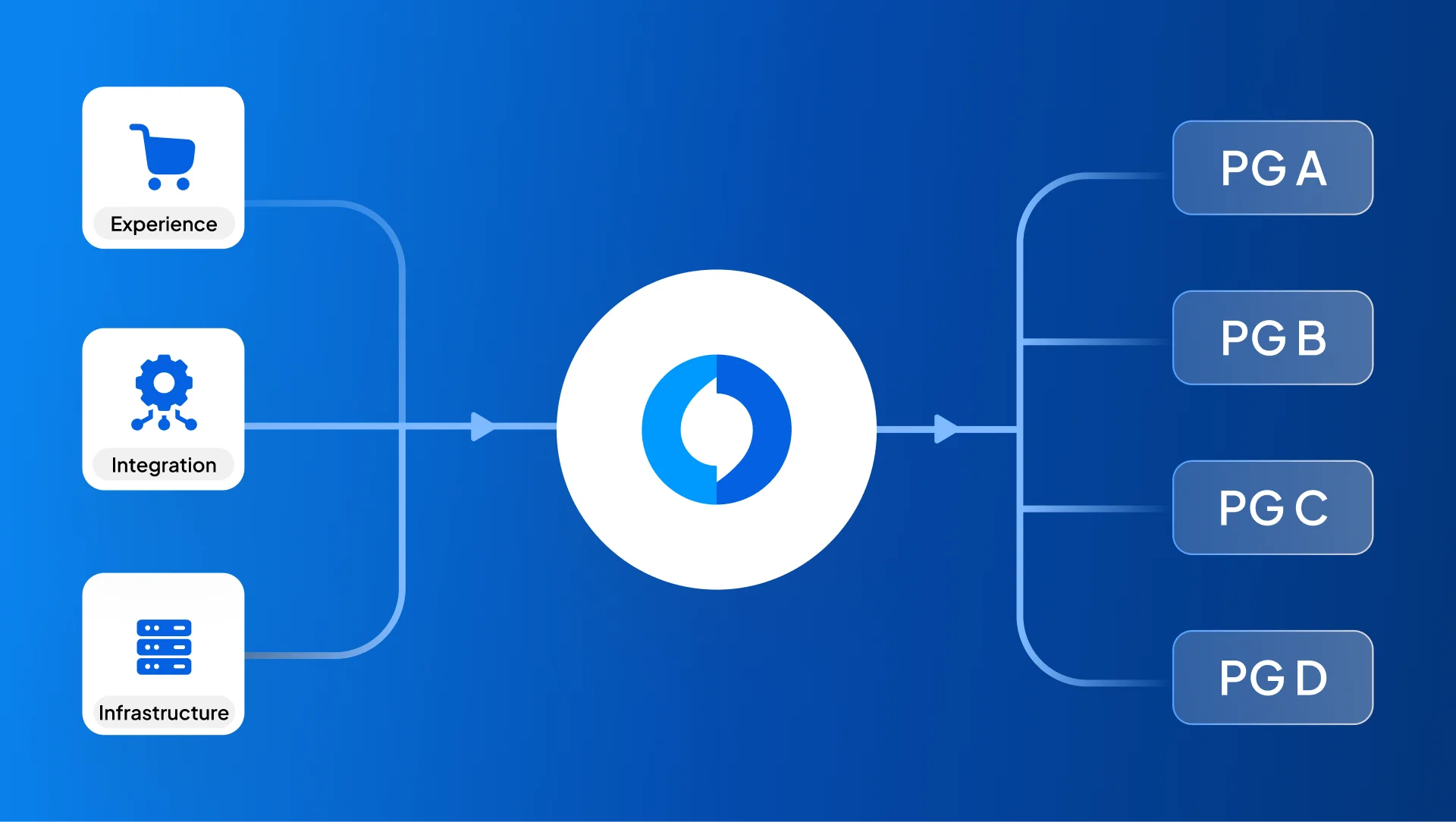
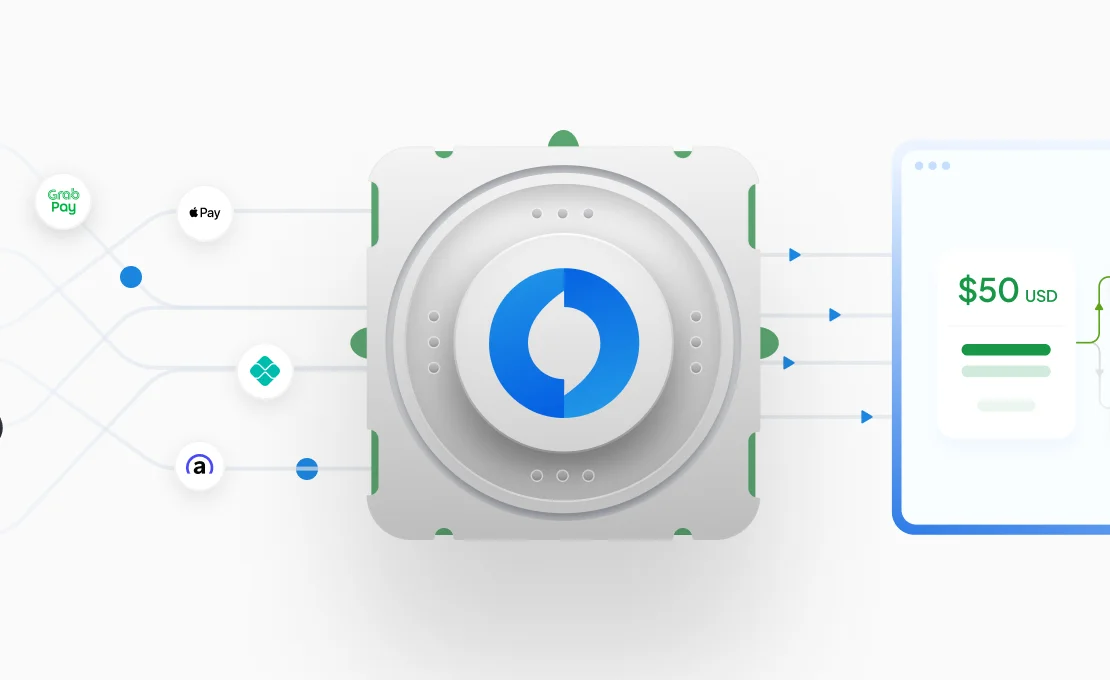
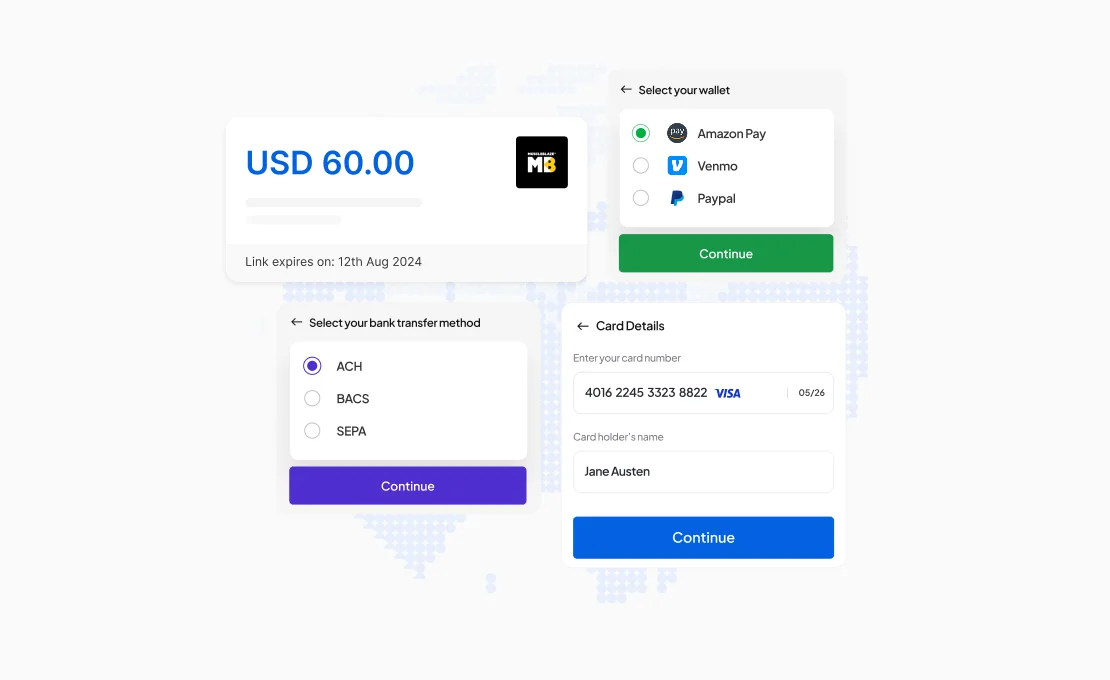
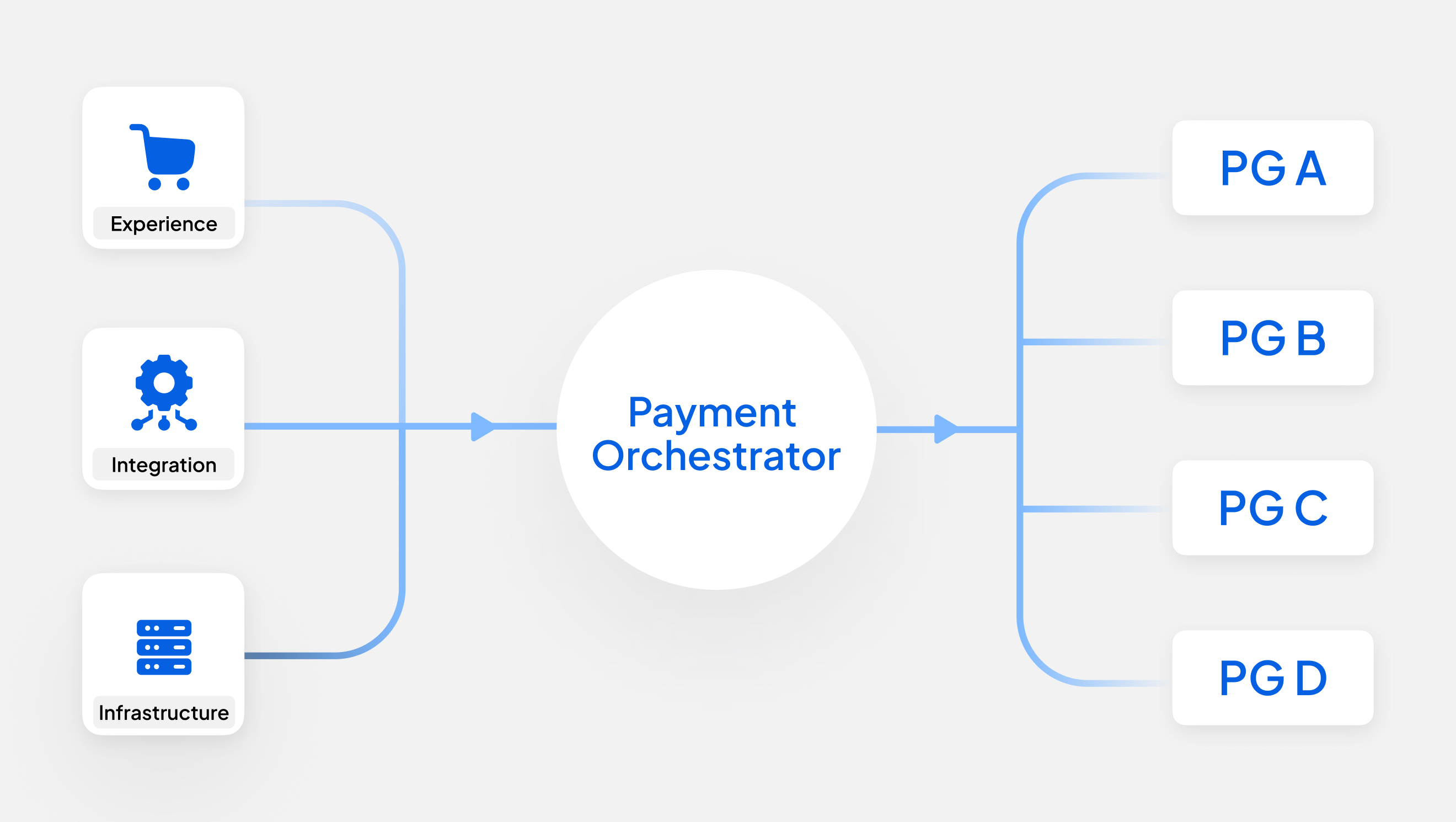
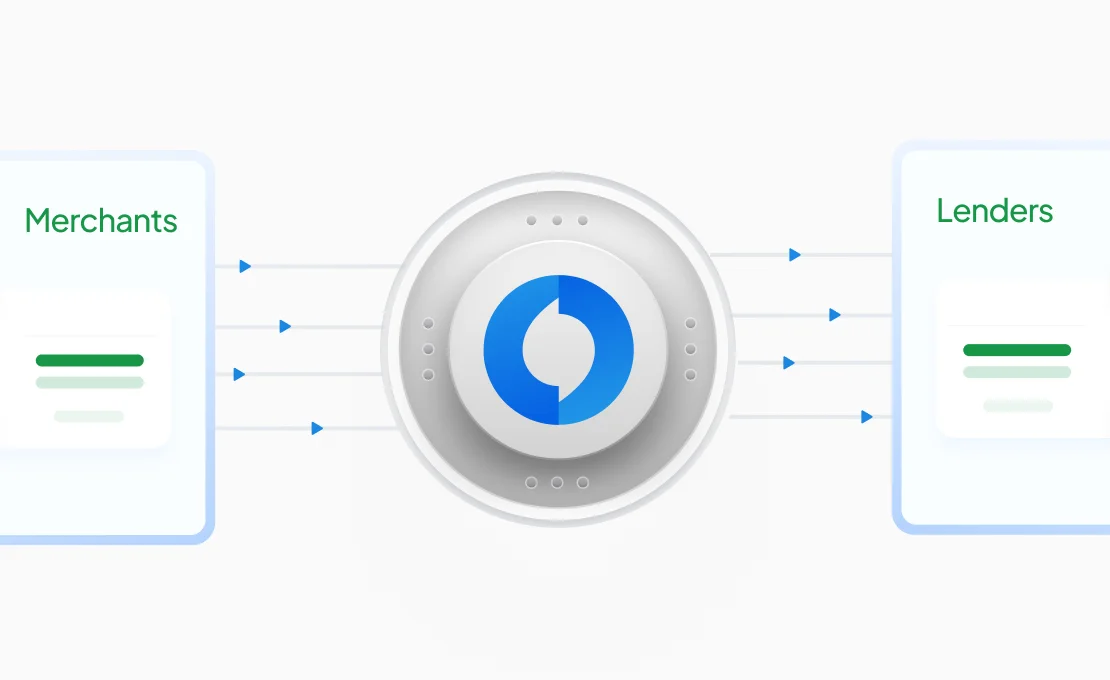
Hyperswitch is an open-source payment orchestration platform that can be self-hosted or used as a managed cloud service. It creates one connection layer that works across multiple payment service providers (PSPs), so merchants no longer have to manage a separate integration for every payment gateway. Instead, they get unified connectivity and intelligent routing: each payment goes to the PSP chosen by the merchant's routing strategy, which can include sending it to the PSP most likely to approve it. Used well, that routing lifts authorization rates.
Juspay orchestrates more than 400 million transactions a day across 150+ countries, worth over USD 1 trillion in annualized payment volume, at 99.999% uptime. Hyperswitch is built on that operating experience. The Hyperswitch core is written in Rust and released under the Apache 2.0 license. Its GitHub repository has passed 45,000 stars, which makes it one of the most-starred open-source projects in fintech.
Hyperswitch is also modular. A team can start with the one problem costing it most, such as a new market that needs a PSP its current stack can't reach, or failed renewals that quietly drain revenue, and keep the parts of its stack that already work.
Where does Hyperswitch sit in the payments stack?
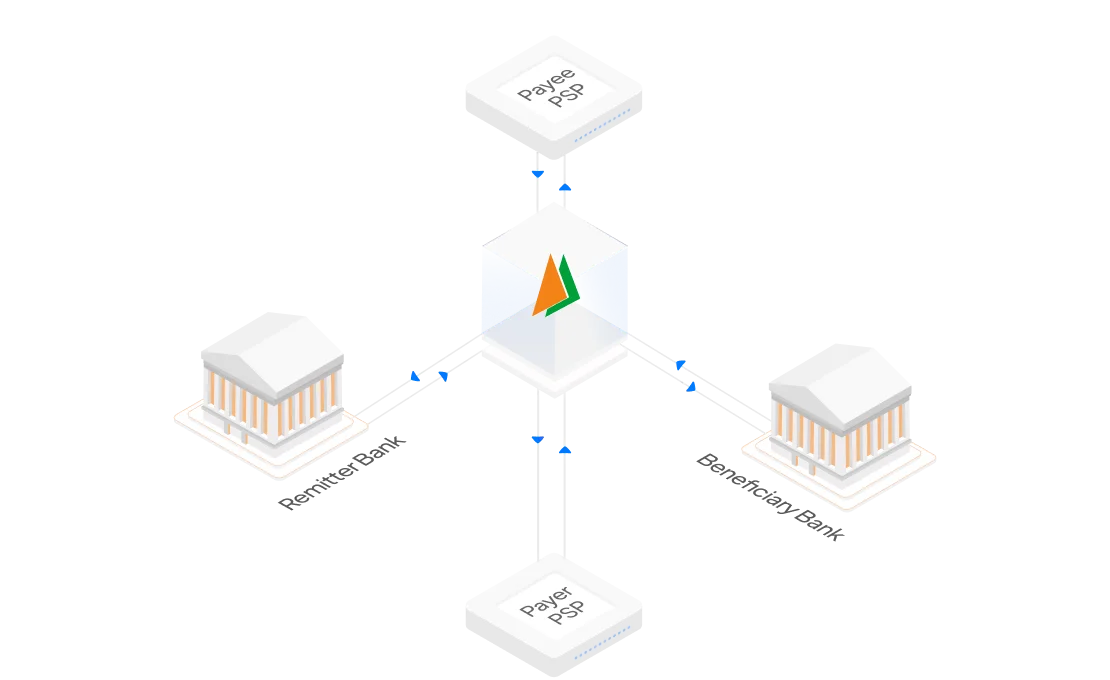
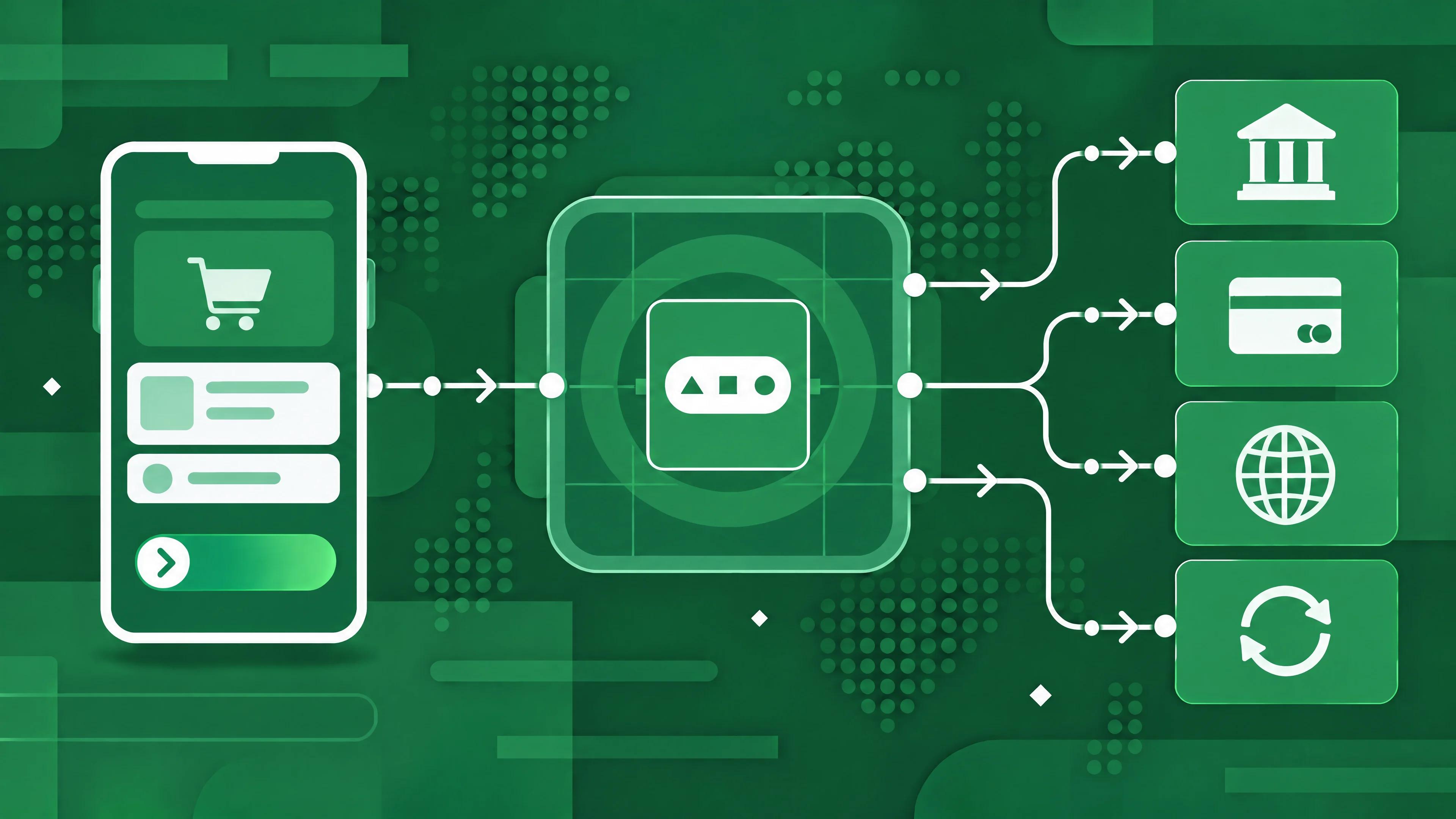
Hyperswitch sits between a merchant's application and its PSPs, the processors and acquirers that authorize and settle payments. The application sends one request to Hyperswitch, which picks a PSP using the merchant's routing rules and translates the request into that PSP's API format.
Hyperswitch is not a PSP. It doesn't process or acquire payments, and the merchant keeps its own PSP accounts, contracts and pricing. Hyperswitch decides which of those PSPs handles each payment and what happens next if the payment fails.
Hyperswitch acts at different stages of a transaction. "Intelligent Routing" chooses the best payment service provider (PSP) before the card issuer even approves or declines the transaction. "The Vault" securely saves payment credentials, meaning returning customers do not have to type in their details again.
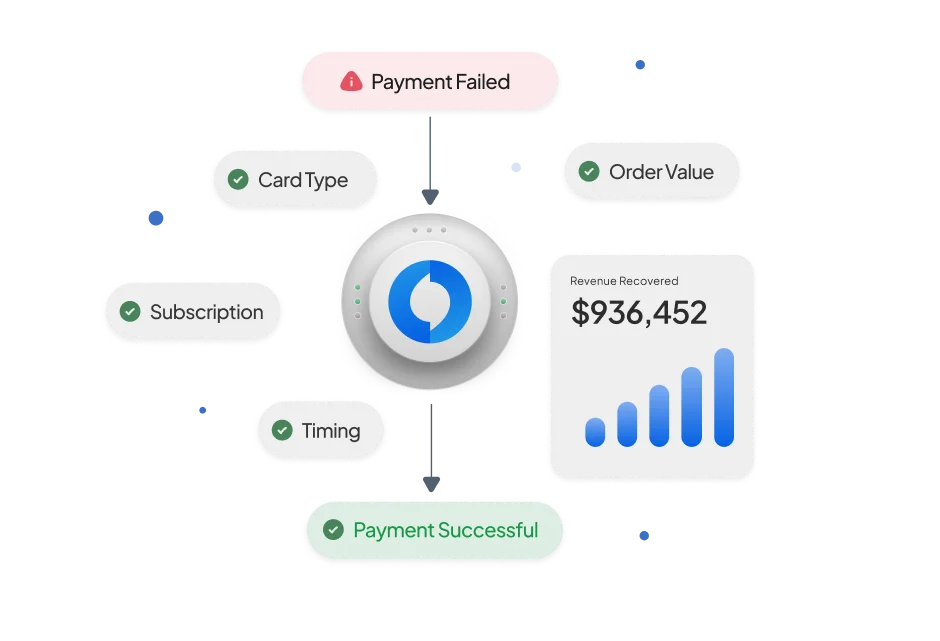
If a transaction is ever declined, "Smart Retries" and "Revenue Recovery" step in to figure out the best way to try the payment again. Finally, after the money has moved, "Reconciliation" matches your payment records with the final settlement records, and "Cost Observability" breaks down exactly how much each payment cost. Hyperswitch routes payments only to processors it has a connector for, so connector coverage is where any evaluation should start. Hyperswitch offers 300+ PSP and acquirer integrations, and the number available to you depends on how you deploy it. Hyperswitch Cloud, our managed offering, supports 210+ integrations, and the self-hosted Community and Enterprise editions each support 90+ (as of October 2026). Connectors also differ in what they support, and the connector documentation shows which payment methods and operations, such as capture, refunds and recurring charges, each one handles.
Why does open source matter for payments infrastructure?
Open-source payments infrastructure lets a merchant's engineers read the code that decides how its payments behave, and a composable design lets them replace one component without rebuilding the rest. Together, those give the merchant control over its integrations, its PSPs and the pace of change, instead of leaving them to one vendor's roadmap.
Payments teams have traditionally had two choices. Building in-house gives full control but needs a large engineering investment up front and ongoing maintenance. Buying a closed platform is faster, but it means accepting someone else's architecture, roadmap and commercial model. Open source adds a third option: start from proven code, inspect how it works, adapt it, and decide how much of it to run in-house.
When Juspay expanded Hyperswitch in the US, Europe and the UK in March 2025, Sheetal Lalwani, COO and Co-founder of Juspay, tied that openness to reliability and cost: “At Juspay, we envision a future where payment systems are open and accessible. With Hyperswitch, our open-source payments operating system, we are bringing enterprise-grade performance to the global payments ecosystem. In practice, this means businesses get high reliability and seamless scalability to handle growing transaction volumes at a low cost”.
Which payment capabilities does Hyperswitch include?
Hyperswitch includes modules for PSP connectivity, routing, credential storage, failed-payment recovery and back-office operations. The table below lists each module and the point in the payment flow where it acts.
- Prism Connector Library: This tool works directly inside the merchant's application. It acts as a translator by turning one standard payment interface into the specific API needed for each individual payment service provider (PSP).
- Intelligent Routing: Right before a payment is sent for authorization, this feature steps in to choose the best PSP. It makes this decision based on your specific business rules, traffic splits, historical approval rates, or overall cost.
- Smart Retries: If an eligible payment fails while a customer is trying to buy something, this module automatically tries to process the payment again right then and there during checkout.
- Revenue Recovery: This tool helps after a recurring charge fails. It works directly with the merchant's subscription billing system to retry those failed charges and recover the lost revenue.
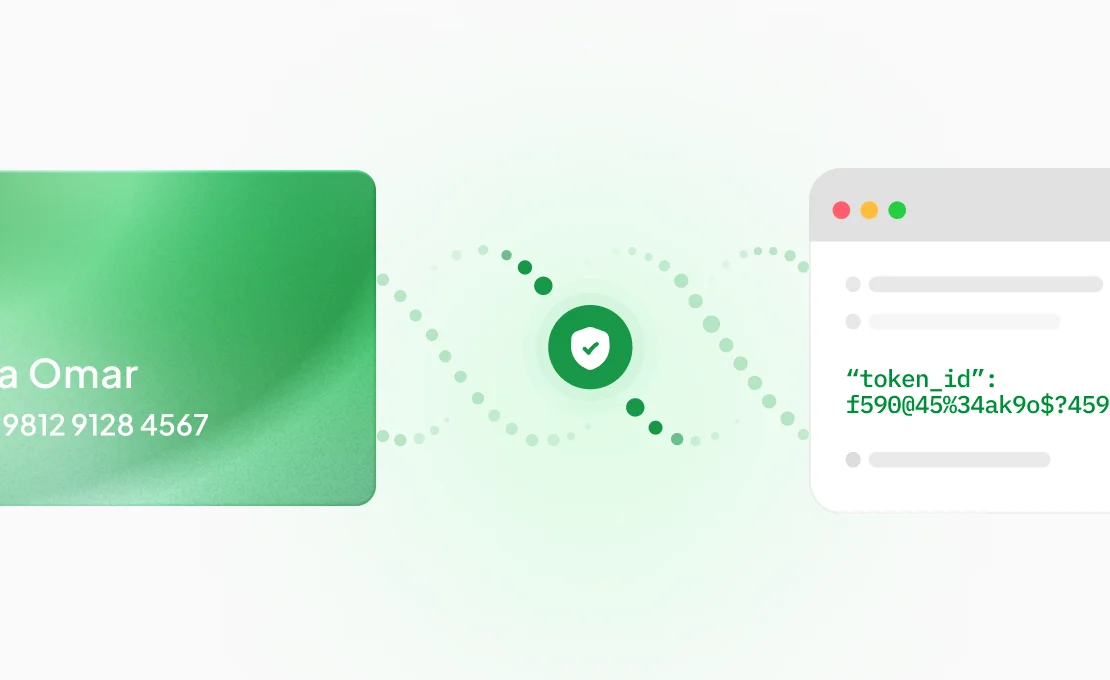
- Vault: Acting as a secure bridge between collecting card data and processing the payment, the Vault safely stores network tokens, PSP tokens, and card data using secure token-based access.
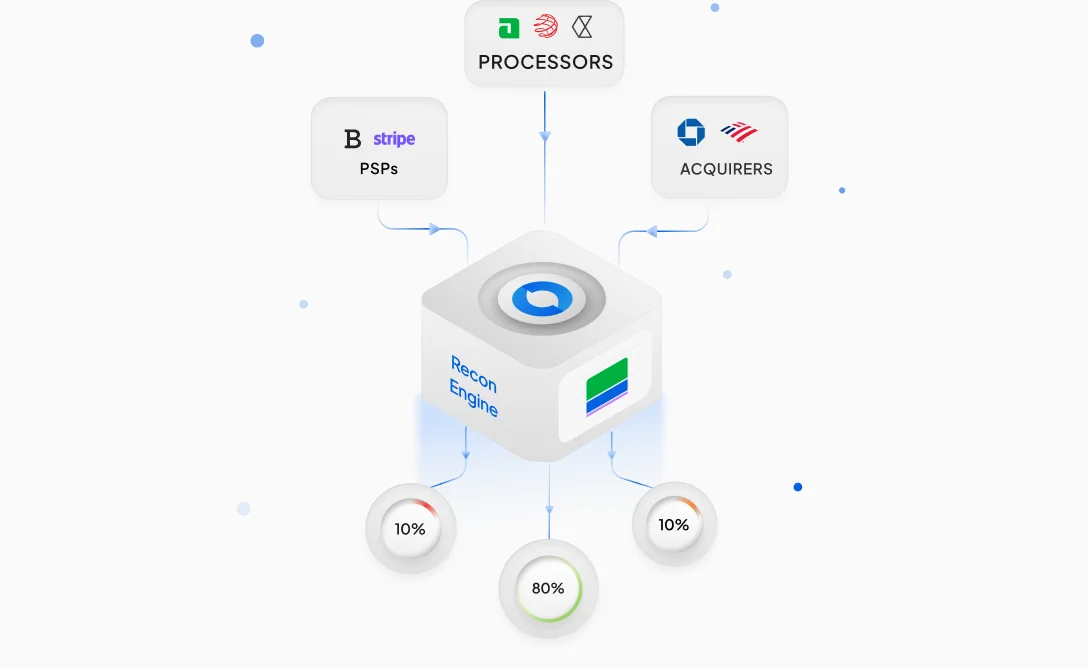
- Reconciliation: After the money has successfully moved and reached settlement, this tool matches up all your payment and settlement records across the merchant, the various PSPs, and the bank to ensure all the numbers balance perfectly.
- Cost Observability: This module reviews your PSP statements and fee reports to clearly break down all the different costs, such as scheme fees, interchange fees, and acquirer fees. It also highlights any unusual charges or anomalies.
- Checkout SDKs: These tools operate right at the final customer checkout. They provide the ready-to-use payment interfaces that your customers actually interact with on your web and mobile apps.
Prism suits teams that want one consistent way to connect to PSPs while keeping their own payment logic, because it is a stateless library: it does not route payments, retry declines or store credentials. Intelligent Routing can also run on its own as a standalone decision engine: an existing stack asks it which PSP to use and then executes the payment itself.
The Vault is pluggable. A merchant can use the Hyperswitch Vault, or keep an existing vault such as VGS or TokenEx and pass tokens to Hyperswitch instead of card data, so adopting orchestration need not widen its PCI scope. The token type still matters for routing. A PSP-issued token is tied to the PSP that issued it, so a merchant that wants to route stored-card payments across PSPs needs network tokens or a vault it controls. Juspay's guide to network tokenization vs PCI tokenization covers the trade-off.
For finance teams, Reconciliation and Cost Observability answer different questions. Reconciliation finds money that is missing or mismatched between internal records, PSP statements and bank receipts. Cost Observability explains why a payment cost what it did, down to interchange, scheme and acquirer fees.
How can a team add Hyperswitch to an existing stack?
A team can add Hyperswitch one module at a time, starting with the function that costs it most today and keeping everything else in place. Four starting points, from a single module to the full layer:
- Simplify PSP integrations with Prism. Connect to PSPs through one interface while keeping existing routing and retry logic.
- Add a missing capability. A merchant with its own vault and two PSPs might add only the decision engine for routing. A subscription business might connect only Revenue Recovery to its billing system.
- Start after the money moves. Reconciliation and Cost Observability work on records after processing, so finance can investigate settlement and fee issues without touching the live authorization path. That makes them a low-risk first step.
- Adopt the full orchestration layer when the team wants PSP connections, routing and recovery managed in one place.
Hyperswitch is built to work alongside an existing setup, allowing a merchant to move payment traffic over gradually instead of switching everything at once.
Should a team self-host Hyperswitch or use the managed service?
Hyperswitch comes in two self-hosted editions and one managed service, Hyperswitch Cloud. The real difference is who operates the platform. On Cloud, we run it for you with a 99.999% uptime guarantee and every module included. Self-hosted, your team runs it and decides where the software lives.Here’s how the three editions compare on our pricing page as of October 2026. Self-hosting gives you full control over where Hyperswitch runs, while Cloud gives you the widest connector coverage and every module out of the box.
| Edition | Who runs it | Integrations listed | Revenue Recovery, Reconciliation, Cost Observability | Support |
| Community (self-hosted) | Your team, including compliance | 90+ | Paid add-ons | Public Slack and GitHub discussions |
| Enterprise (self-hosted) | Your team, with guidance from our engineers | 90+ | Paid add-ons | SLA-backed support and a dedicated account manager |
| Hyperswitch Cloud (managed) | Juspay, with a 99.999% uptime guarantee | 210+ | Included | SLA-backed support and a dedicated account manager |
Self-hosting suits teams that already run complex multi-PSP setups and have engineers who have operated production payment systems before. For them, being able to change the payments layer without waiting on a vendor's roadmap is worth the operating work. Self-hosting is not the cheaper option by default. The Community Edition has no license fee, but the team running it owns upgrades, incident response and peak-season load testing. When comparing editions, count infrastructure and on-call engineering time alongside license and add-on fees.
Who handles PCI DSS compliance?
Compliance with the Payment Card Industry Data Security Standard (PCI DSS), which sets the requirements for protecting cardholder data, depends on who operates each system that touches card data in a Hyperswitch deployment. A merchant running the Community Edition manages compliance for its deployment end to end. The Enterprise Edition is still run by the merchant, with compliance support from Juspay. On Hyperswitch Cloud, Juspay covers compliance for the services it runs, on a PCI DSS 4.0 compliant stack, and the merchant covers its own systems and its oversight of service providers.
The PCI Security Standards Council recommends a responsibility matrix for documenting which party owns each requirement when a third-party service provider is involved (PCI SSC FAQ). Building one means mapping where card data and tokens travel, including systems that process or transmit card data even if they never store it, and recording the owner of each control. Prism, for example, runs inside the merchant's application, so if card data passes through it, Prism is in scope along with the rest of that application. Being open source doesn't change that.
How is Hyperswitch different from a gateway, a PSP or another orchestrator?
Each part of the payment setup plays a specific role. A payment gateway sends payment requests to the processing infrastructure, while a PSP provides the services that let a merchant accept payments. Hyperswitch sits above these tools and coordinates payments across several PSPs. As the table below shows, gateways and PSPs are the underlying layers that Hyperswitch connects to, whereas other orchestrators are direct alternatives to it.
| Type of service | Main role | How it relates to Hyperswitch |
| Payment gateway | Transmits payment requests for authorization and processing | Hyperswitch connects to supported gateways and routes through them |
| Payment service provider (PSP) | Supplies payment acceptance and processing | Merchants connect their own PSP accounts to Hyperswitch |
| Other payment orchestrator | Coordinates payments across multiple PSPs | An alternative to Hyperswitch; source-code access, modules and deployment options vary by product |
In practice, the difference between these tools is not always strict, since some gateways can also connect a merchant to several acquirers. What makes Hyperswitch stand out is how it brings four things together: multi-PSP orchestration, an open-source core that a merchant can inspect directly, standalone components like Prism and the decision engine, and the flexibility to choose between self-hosted or managed editions. These are exactly the points a well-written payment orchestration RFP should test.
How does Hyperswitch Intelligent Routing choose a PSP?
Hyperswitch Intelligent Routing chooses a PSP for each payment in two stages. It first narrows the options to the PSPs that can accept that payment. It then ranks those PSPs using a routing strategy the merchant sets. Hyperswitch supports six routing strategies:
- Rule-based routing routes payments by explicit conditions, such as payment method, amount, currency, country, card type or customer context.
- Volume-based routing splits traffic across PSPs by percentage, for a planned distribution or a gradual rollout.
- Auth-rate routing favors PSPs with stronger recent authorization rates while keeping a small share of traffic for exploration.
- Multi-objective routing re-ranks auth-rate results by processing cost, so a cheaper PSP wins only when its expected value is higher.
- Least-cost routing sends supported debit payments over the cheapest eligible debit network.
- Default fallback routing sets the backup PSP order for when no rule applies or the selected PSP is ineligible.
For each payment, Hyperswitch Intelligent Routing selects a PSP in five steps:
- Hyperswitch identifies the PSPs eligible for the payment method, currency, country and connector configuration.
- The active routing strategy ranks or filters those PSPs.
- Optional layers refine the choice, such as downtime elimination, multi-objective ranking and debit network routing.
- Default fallback routing applies if the selected PSP is ineligible or unavailable.
- Hyperswitch logs the decision for review.
Merchants get the most out of Hyperswitch Intelligent Routing by adding routing strategies in stages. A typical rollout starts with default fallback routing as a safety net, then layers on rule-based or volume-based routing for business controls. Merchants can switch on auth-rate routing once several PSPs carry meaningful traffic in the same payment segment, and multi-objective routing once accurate cost data is in place for each PSP. Before moving any new strategy to all traffic, merchants can A/B test it on a portion of payments first. Smart Routing 101 covers strategy design in more depth.
How does Hyperswitch recover failed payments?
Hyperswitch recovers failed payments through two modules, each built for a different point in the payment lifecycle. Smart Retries works at checkout. It retries eligible failures through an alternative processor while the customer is still completing the purchase. Revenue Recovery works after a recurring charge fails. It schedules retries on top of the merchant’s existing subscription billing system.
Revenue Recovery does not replace a billing platform. The merchant’s billing system, such as Recurly, Chargebee or Stripe Billing, keeps managing invoices and subscription status. Revenue Recovery decides when and how to retry, then writes successful outcomes back to the billing system. Smart Retries has its own limit. Payment flows that need customer authentication, such as 3DS cards, Apple Pay, Google Pay and bank transfers, cannot be smart-retried, because the customer has to approve each attempt.
The decline reason determines how Hyperswitch handles each failed payment:
- Insufficient funds can succeed on a later attempt, once the account has been funded.
- An expired card needs updated credentials before any retry makes sense.
- An authentication failure needs the customer to return and complete the check.
- A hard decline, such as a closed account or a stolen card, should never be retried on the same card.
Retrying blindly costs more than the lost sale. Mastercard charges USD 0.50 per attempt when a merchant retries the same card and amount within 30 days of a MAC 03 or MAC 21 decline. Visa charges USD 0.10 domestic or USD 0.15 cross-border for any re-attempt after a Category 1 decline.
Are hard declines really permanent?
Hyperswitch’s analysis of failed recurring payments shows that about 20% of payments first classified as hard declines later succeed on the same card. Hyperswitch studied 8.86 million sale transactions from a US retail installment platform between November 2022 and July 2025. The study focused on the 74,210 merchant-initiated orders whose first payment attempt failed. Merchant-initiated orders are charges a business starts without the customer present, such as a scheduled installment.
A hard-decline label is a classification, not proof that the payment is lost. Some declines treated as permanent turn out to be temporary issuer-side states or fraud-model false positives. So part of the revenue written off as unrecoverable was simply classified wrongly. Installment charges and subscription renewals are both merchant-initiated charges on a stored card, so subscription businesses face the same classification problem.
Retry timing matters as much as classification. Hyperswitch found that 85% of insufficient-funds failures eventually recovered on the same card, but only about 8% recovered on the day of the decline. More than 60% recovered between one and seven days later, and the rest over the following weeks. Recovery chances spread across the customer’s billing and income cycle rather than clustering right after the decline.
The finding is not a case for retrying every hard decline. Declines the card networks mark as final still incur the per-attempt fees described above. Repeated low-probability attempts can also hurt the authorization performance of a merchant’s account (MID). Payments that never recover often fail from misdirected persistence: the wrong payment, retried at the wrong time, with the wrong strategy. Recovery logic should weigh the decline code, the card’s history and the permitted next step together. Its results should be measured as recovered revenue net of retry costs, along with time to collection.
What should teams plan for before a Hyperswitch rollout?
A smooth Hyperswitch rollout depends on six planning decisions. Each one is a process choice that a team can settle before launch.
Comparing PSPs on mismatched traffic. If one PSP handles mostly domestic debit cards and another handles cross-border credit cards, their approval rates measure the traffic mix, not processing quality. Teams should compare like-for-like segments by country, card type and amount band before letting auth-rate routing shift volume.
Two systems retrying the same card. A billing system's dunning schedule and Hyperswitch's retries, each unaware of the other, can push one card over the networks' reattempt limits. One system should own retries for each payment type, with the other switched off.
Assuming tokens are portable. PSP-issued tokens stay with the PSP that issued them. A team that plans to route stored-card traffic across PSPs needs network tokens or a merchant-controlled vault in place before it turns routing on.
Treating open source as a compliance answer. Using an open-source component does not define PCI scope. Scope depends on where card data flows and who operates each system, which is what the responsibility matrix records.
No named owner for edge cases. Timeouts, duplicate webhook events, idempotent retries and rollback all need an owner before launch, not after the first incident. Running a limited rollout alongside the current setup can surface these gaps early.
Underestimating self-hosting. A self-hosting team takes on upgrades, incident response and peak-load testing. A team that doesn't budget for this work risks discovering it during its highest-traffic week.
Why does programmable payment infrastructure matter for agentic commerce?
Agentic commerce needs payment infrastructure that enforces a customer’s authorization at the exact moment an AI agent pays. An AI agent buying on a customer’s behalf works under a mandate, which is a delegated authority with set limits. The payment layer has to apply those limits when the payment executes and keep a verifiable record of why the payment happened. Payment infrastructure must “enforce those constraints at the moment of execution,” says Nishant Sameer, Vice President, Product Strategy at Juspay.
Hyperswitch serves as the merchant-side execution layer for agentic payments. The execution layer receives the agent’s decision, enforces the mandate’s limits, routes the payment and produces the audit trail. Hyperswitch does not build the consumer-facing agent. Those agents come from the platforms customers already use.
Open, programmable code lets merchants keep pace as agentic commerce changes. A merchant running Hyperswitch can adapt to new agentic commerce standards as they appear, instead of waiting for a single vendor to support them.
How are businesses using Hyperswitch?
Businesses use Hyperswitch in different ways. Some add a single capability, such as routing, to the payment stack they already have. Others build full payment orchestration into their own platforms for the merchants they serve. Hyperswitch customers include Zurich Insurance, Peach Payments, Narvar, Recurly,etc.. and the two examples below show how differently they can use it.
An all-in-one commerce platform added routing without changing its vault or PSPs. The platform stored cards with VGS and processed payments through Adyen and NMI, but it had no way to split traffic between the two. It needed volume-based routing to balance cost and capacity, with each PSP acting as a fallback for the other. Hyperswitch plugged in through server-to-server calls via the platform’s existing VGS reverse proxy, so the VGS SDK, the card-data flow and both PSP integrations stayed exactly as they were.
Recurly brought payment orchestration into subscription billing. In July 2026, Recurly and Juspay announced a partnership that gives Recurly merchants access to more than 300 PSPs and acquirers through a single Hyperswitch connection. Recurly uses Hyperswitch’s Platform Organization mode to onboard and manage these merchants through code, without adding operational work. “By integrating Juspay Hyperswitch with Recurly’s platform, merchants gain access to best-in-class integrations in a vast payments network that will open up access to new payment methods and markets,” said Jonas Flodh, Head of Strategic Partnerships at Recurly.
How should teams measure the impact of Hyperswitch?
Teams should measure the impact of Hyperswitch one problem at a time, against a baseline recorded before the change. A team picks the payment problem it wants to fix, records today’s number for it, and tracks that same metric once the relevant Hyperswitch module is live. A single platform-wide score hides which module actually made the difference.
The table below maps five common payment problems to the Hyperswitch module that addresses each one, the data that module needs, and the metric that shows whether it worked.
| Business problem | Hyperswitch module | Inputs needed | How to measure improvement |
| Separate PSP integrations take too much engineering work | Prism or the orchestration connector layer | PSP credentials and the payment operations required | Engineering time to add and maintain a PSP |
| Approval rates vary across PSPs | Intelligent Routing | Comparable transaction segments and reliable outcome data | Approval rate and cost per successful payment |
| Failed recurring charges lose revenue | Revenue Recovery | Billing events, payment outcomes and retry rules | Recovered revenue net of retry costs |
| Settlement investigations are manual | Reconciliation | Order, PSP and bank records | Unmatched transactions and time to resolve them |
| Processing fees are hard to explain | Cost Observability | PSP statements and detailed fee reports | Fee discrepancies found and savings achieved |
The inputs column matters as much as the module. Intelligent Routing cannot improve approval rates if PSPs are compared on mismatched traffic, and Cost Observability cannot find fee discrepancies without detailed fee reports. When the inputs are in place before go-live, a team can credit any change in the metric to the module itself, not to better data that arrived at the same time.
Key Takeaways
- Juspay Hyperswitch is an open-source payment orchestration platform. Hyperswitch sits between a merchant’s application and its PSPs. Hyperswitch is not a PSP: the merchant keeps its own PSP accounts, contracts and pricing.
- Connector coverage depends on the edition. Hyperswitch offers 300+ PSP and acquirer integrations. Hyperswitch Cloud supports 210+, and the self-hosted editions support 90+ each (as of October 2026).
- Hyperswitch is modular, so teams can start small. A team can begin with the one module that solves its most expensive problem. Reconciliation and Cost Observability are the lowest-risk starting points, because they work on records after processing and never touch live authorizations.
- Intelligent Routing works best when strategies are added in stages, starting with default fallback routing and adding auth-rate routing only once PSPs carry comparable traffic.
- A hard-decline label is not always final. Hyperswitch’s analysis found that about 20% of payments first classified as hard declines later succeeded on the same card. Blind retries still carry Visa and Mastercard per-attempt fees, so recovery logic has to weigh the decline code before retrying.
- Self-hosting is not cheaper by default. Infrastructure and on-call engineering time belong in the comparison alongside license and add-on fees.
- Open source does not define PCI scope. Scope depends on where card data flows and who operates each system.
- Impact should be measured one problem at a time, against a baseline recorded before adding Hyperswitch.
Frequently Asked Questions
Is Hyperswitch a payment gateway?
No, Hyperswitch is a payment orchestration layer, not a gateway or a PSP. Hyperswitch does not process or acquire payments. Hyperswitch connects to the gateways and PSPs a merchant already uses, decides which one handles each payment, and decides what happens next if a payment fails.
Can Hyperswitch work with my existing PSPs and card vault?
Yes. Merchants connect their own PSP accounts to Hyperswitch and keep their existing contracts and pricing. The Hyperswitch Vault is pluggable, so a merchant can keep a vault such as VGS or TokenEx and pass tokens to Hyperswitch instead of card data. This avoids widening the merchant’s PCI scope.
Can Hyperswitch route stored cards across different PSPs?
Hyperswitch can route stored-card payments across PSPs only when the cards are stored as network tokens or in a vault the merchant controls. A PSP-issued token works only with the PSP that issued it, so cards saved that way stay tied to that PSP.
Does using Hyperswitch make a merchant PCI DSS compliant?
No. PCI DSS responsibility depends on who operates each system that touches card data. On Hyperswitch Cloud, Juspay covers compliance for the services it runs on a PCI DSS 4.0 compliant stack, while the merchant covers its own systems. Community Edition users manage compliance end to end.
How is Juspay Hyperswitch different from other payment orchestrators?
Juspay Hyperswitch combines four things in one platform: multi-PSP orchestration, an open-source core that merchants can inspect, standalone components such as Prism and the routing decision engine, and a choice between self-hosted and managed editions. Hyperswitch is built on Juspay’s experience orchestrating more than 400 million transactions a day.
Can Hyperswitch handle subscription payments?
Yes. Hyperswitch Revenue Recovery retries failed recurring charges and works alongside billing platforms such as Recurly, Chargebee and Stripe Billing. The billing system keeps managing invoices and subscription status, while Revenue Recovery decides when and how to retry. Recurly also uses Hyperswitch to give its merchants access to more than 300 PSPs and acquirers.
Is Hyperswitch really open source?
Yes. The Hyperswitch core is written in Rust and released under the Apache 2.0 license. The Hyperswitch GitHub repository has passed 45,000 stars. Merchants’ engineers can read the code that decides how their payments behave and adapt it, instead of depending on one vendor’s roadmap.